Last updated: 2026-10-17 by Ted Sellers, Owner
Table Of Contents:
- How to Layer EPDM Roofs: A Step-by-Step Guide
- What Is EPDM Roofing and Why Choose It for Your Roof Layering?
- What Is EPDM Membrane and How Does It Work?
- What Are the Advantages of EPDM Roof Layering?
- How Long Does an EPDM Roof Last?
- How Do You Prepare Your Roof for EPDM Layering?
- What Tools and Materials Are Needed for Layering EPDM Roofs?
- What Are the Step-by-Step Instructions to Layer EPDM Roofs Correctly?
- How Do You Maintain and Repair Layered EPDM Roofs for Longevity?
- How Much Does It Cost to Layer an EPDM Roof and What Factors Affect Pricing?
- What Are the Best Practices and Building Codes to Follow When Layering EPDM Roofs?
- Frequently Asked Questions
- Final Thoughts
How to Layer EPDM Roofs: A Step-by-Step Guide
EPDM (ethylene propylene diene monomer) roofing is a synthetic rubber membrane used in commercial and residential applications. In today’s changing climate, durable, waterproof, and energy-efficient roofing solutions are critical. Homeowners and business owners in the Minneapolis-Saint Paul area turn to EPDM for its excellent resistance to ultraviolet rays, extreme weather, and moisture.
In this guide, I share my professional experience and step-by-step instructions on layering EPDM roofs—from understanding the material to proper preparation, installation and maintenance. The goal is to provide everything you need to decide whether EPDM roofing is right for your next roof layering project and to help you prepare for DIY installation or work effectively with a professional contractor.
As you work through this guide, remember that each section builds on the previous one. Every step—from the initial roof assessment to the final quality check—is interdependent. With proven techniques backed by real-world examples, my approach helps ensure that your EPDM roof maintains its warranty, resists debris, and stands up to hail, moisture, and ultraviolet exposure.
What Is EPDM Roofing and Why Choose It for Your Roof Layering?
EPDM roofing is known for its durability, flexibility, and weather resistance. It is manufactured using ethylene, propylene, and a diene component to form a cross-linked polymer, giving the roof exceptional strength and longevity. EPDM can be installed over existing roofing systems like asphalt shingle or previous EPDM layers if the substrate is well prepared. Its excellent resistance to ultraviolet (UV) degradation, extreme weather (including hail and severe moisture), and ability to maintain a watertight seal make it highly reliable.
Commercial roofing systems favor EPDM because, unlike traditional materials that require constant maintenance, EPDM roofs can last 30 years or more when properly installed. In regions like Minneapolis-Saint Paul, where temperature fluctuations and harsh weather can damage roofs, EPDM provides a secure, energy-efficient, and environmentally friendly solution that reduces cooling costs.
The benefits of EPDM roofing include waterproofing capabilities, resistance to UV and ozone, minimal thermal conductivity, and ease of repair. Its flexible nature helps it withstand low temperatures and chemical exposure while keeping installation time and labor costs low. Additionally, its smooth, seamless surface makes cleaning easier and is supported by a comprehensive warranty.
What Is EPDM Membrane and How Does It Work?
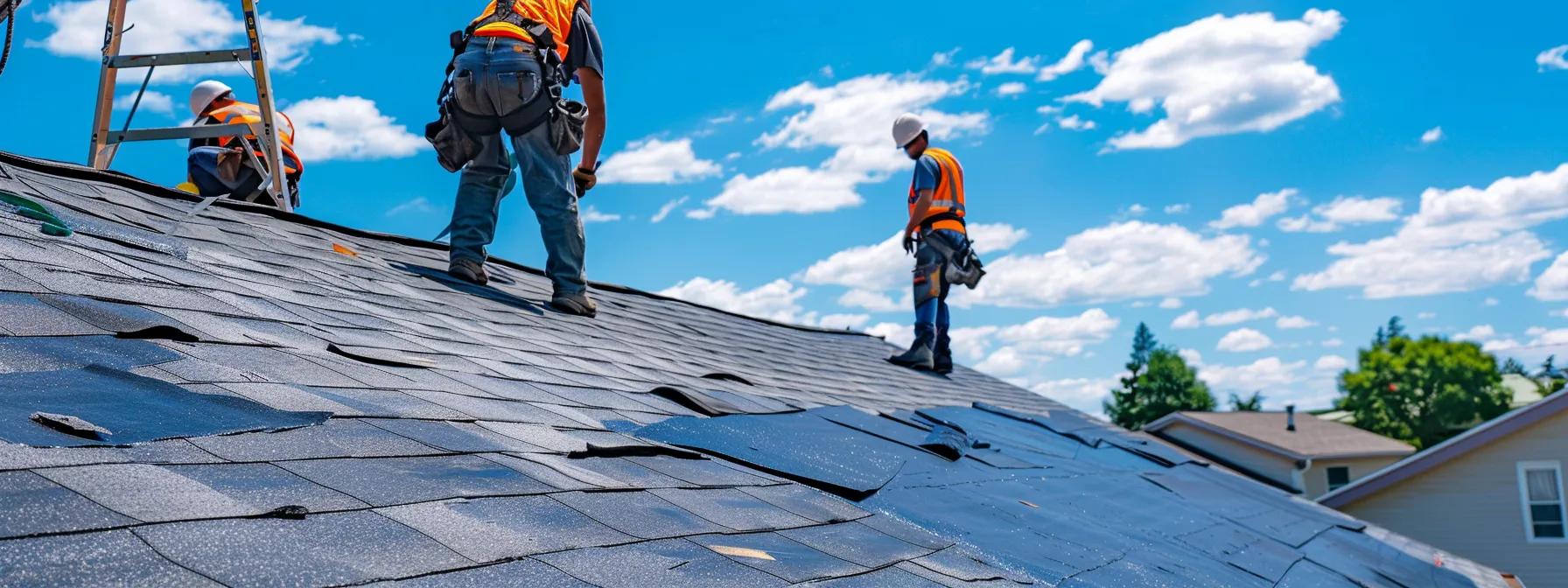
The EPDM membrane forms a continuous barrier against water and environmental elements. Manufactured by molding synthetic rubber into large sheets and curing them to create strong cross-links, the membrane is both flexible and resistant. When layered on a roof, EPDM adds an extra waterproof barrier that minimizes moisture infiltration.
Installation involves measuring and cutting the membrane to fit roof contours. A primer is applied to both the roof deck and the EPDM surface to promote adhesion; adhesives and sealants then bond the EPDM to the substrate. This creates a seamless, durable layer that withstands UV exposure, extreme weather, and thermal fluctuations.
Engineered for elasticity, EPDM expands and contracts with temperature changes, reducing risks of cracks. Its chemical composition also combats degradation from dust, solvent residues, and industrial chemicals. By blocking moisture at a microscopic level, the membrane protects underlying layers and improves energy efficiency by reflecting sunlight and aiding in thermal regulation.
Manufacturers often add UV stabilizers and antioxidants to extend the roof’s service life. This blend of advanced technology and practical performance makes EPDM a leading choice for modern, sustainable roofing systems.
What Are the Advantages of EPDM Roof Layering?
Layering EPDM on a roof offers many advantages for both new installations and rehabilitation projects. An additional EPDM layer increases waterproofing, protects against weathering, and enhances overall roof durability. Its flexibility ensures the roof does not crack in cold weather, a vital benefit in regions with extreme winters.
EPDM’s resistance to ultraviolet light prevents degradation that affects traditional materials such as asphalt or bitumen. UV inhibitors in EPDM help maintain structural integrity over time—especially important for flat roofs exposed to direct sunlight.
The membrane also resists chemical and environmental pollutants and requires less frequent maintenance than many other roofing types. Its ease of repair means that small damages can be patched rather than replacing entire sections, saving both time and money.
Additionally, EPDM roof layering is environmentally friendly. Its long service life reduces waste and its recyclable nature promotes sustainability. The reflective properties of EPDM improve energy efficiency by reducing heat absorption, which in turn lowers cooling costs. Financially, reduced maintenance, lower energy bills, and fewer repairs offer a strong return on investment.
How Long Does an EPDM Roof Last?
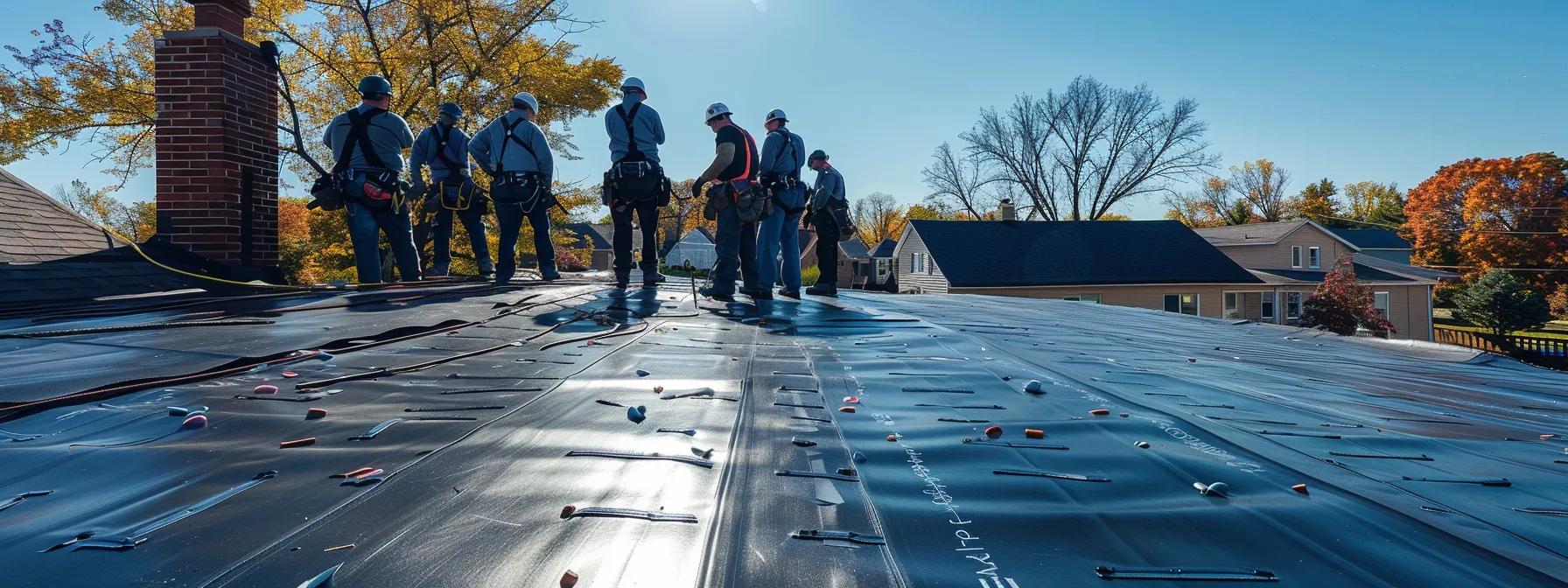
When properly installed and maintained, an EPDM roof typically lasts 25 to 30 years or longer. This extended lifespan is due to the membrane’s superior resistance to ultraviolet radiation, extreme temperatures, and adverse weather.
Studies and manufacturer data indicate that UV inhibitors in EPDM reduce oxidation by up to 40%, thereby extending the roof’s life. Its flexibility helps it withstand temperature-induced expansion and contraction, reducing the risk of cracks and microscopic tears.
Routine inspection and minor maintenance, such as cleaning and patching small tears with appropriate sealants, help sustain performance. Additionally, the ease of repair in EPDM systems means that small problems can be quickly addressed without the need for complete overhauls. Although the initial installation might cost more compared to conventional materials, the long-term savings in reduced maintenance and lower energy costs make EPDM a sound investment.
How Do You Prepare Your Roof for EPDM Layering?
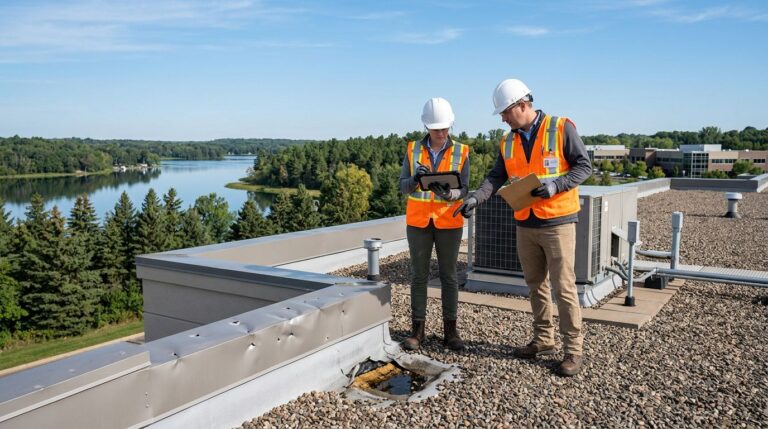
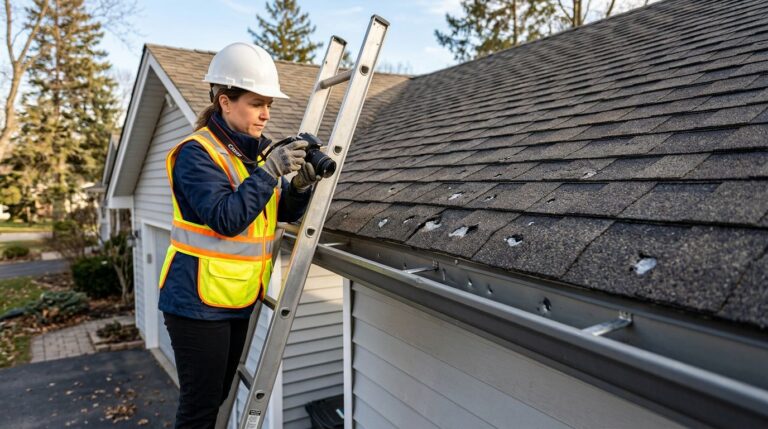
Proper roof preparation is critical for a successful EPDM roofing project. Begin with a thorough inspection of the roof deck to ensure it is structurally sound and free from debris, moisture, or any contaminants that might affect adhesion. Walk the entire roof to check for damage such as cracked or delaminated plywood.
Next, clean and repair the roof deck. Remove old roofing materials, dirt, and loose debris using a high-pressure washer or a stiff brush with a mild detergent. It is essential that the surface is completely dry before applying the EPDM membrane. Any residual adhesive or caulk from previous installations must be carefully removed with a compatible solvent.
Repair all damaged, loose, or deteriorated sections of the roof deck. This may involve patching with new plywood and sealing cracks with high-quality sealant to create a flat and even surface. Measuring the roof accurately and adding extra material for overlaps at seams, vents, chimneys, and skylights ensures you order enough EPDM material.
Finally, always adhere to safety precautions. Wear appropriate PPE such as gloves, safety goggles, and non-slip boots. Install temporary guardrails or use a safety harness if necessary. These preparation steps are essential to building a strong foundation for the EPDM installation.
How to Inspect and Assess Your Roof Deck for EPDM Installation?
Begin by visually inspecting your roof deck from both inside (attic or loft) and from the roof. Look for water damage, dark spots, soft areas, or warped sections indicating decay of plywood, metal, or concrete. Evaluate any existing roofing material for signs of peeling, bubbling, or instability. Remove any remnants of old roofing that may interfere with EPDM adhesion.
Measure for irregularities such as vents, skylights, or chimneys and document these features for custom treatment during installation. Use moisture meters to check for latent dampness, and if any is detected, allow the roof to dry completely with the help of fans if necessary. Document your findings and prepare a repair schedule to address any issues before proceeding.
What Are the Best Practices for Cleaning and Repairing the Roof Deck?
Cleaning and repairing the roof deck is critical. Start by removing all loose debris and old roofing remnants using a high-pressure washer and a non-residual detergent. Scrub the surface with a stiff brush and rinse thoroughly to eliminate detergent residue; any residue can hinder primer adhesion. Allow the surface to dry completely, using industrial fans if needed in colder climates.
Next, repair any damage by patching loose sections, filling cracks with a compatible roofing sealant, and replacing compromised plywood or concrete. Smooth out uneven surfaces by sanding or applying a leveling compound and consider installing a reinforcing mesh in areas prone to movement. Document all repairs as this can be helpful for future inspections or warranty claims.
How to Calculate and Order the Right Amount of EPDM Materials?
Accurate material calculation is crucial to avoid shortages or waste. Begin by measuring the total surface area of the roof and create a detailed diagram marking all dimensions and irregularities. Add approximately 10-15% extra material to cover overlaps at seams and unusual roof features.
Consult your EPDM supplier about available roll sizes (typically ranging from 10 to 20 feet wide) and use any available estimator tools to calculate waste and layout plans. Also account for the necessary adhesives, primers, and repair patches based on the linear footage of the roof perimeter. Confirm your calculations with manufacturer guidelines before placing your order to ensure timely delivery and to reduce project delays.
What Safety Precautions Should You Take During EPDM Roof Preparation?
Safety is essential during roof preparation. Ensure you have the proper personal protective equipment (PPE) such as non-slip footwear, gloves, safety goggles, and a hard hat. On steep or high roofs, secure fall protection systems like harnesses, guardrails, or lifelines, and review OSHA guidelines and local safety regulations.
Establish a secure perimeter around your work area to prevent accidents from falling debris, and always work with a partner in case of emergencies. Clear tools, ladders, and debris from walkways to prevent slips and falls. Use well-ventilated areas when working with chemicals like sealants and primers, and store sensitive materials according to manufacturer guidelines. Always conduct a pre-task safety briefing with your team to review hazards and necessary precautions.
What Tools and Materials Are Needed for Layering EPDM Roofs?
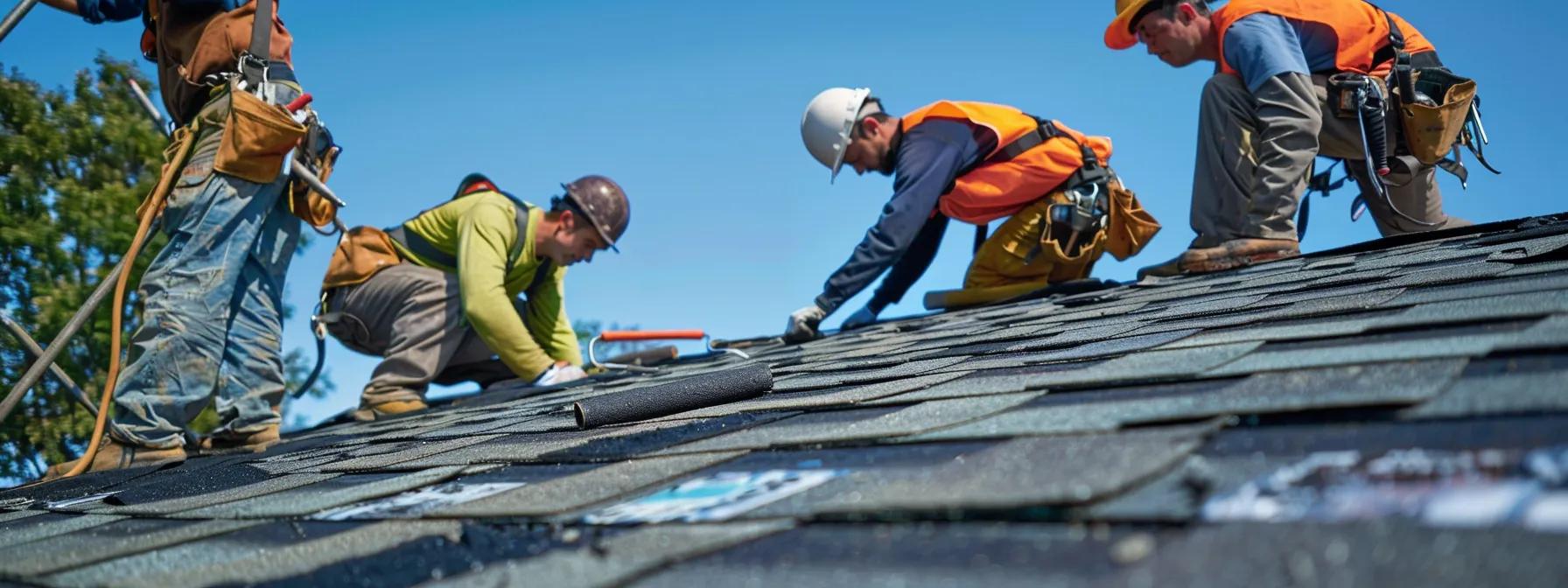
For a successful EPDM installation, having the right tools and materials is vital. Key tools include a high-quality paint roller for adhesive application, a long-handled brush for primer, and a sharp utility knife for precise cutting of the EPDM membrane. Safety equipment such as ladder stabilizers and fall protection gear is also essential.
EPDM membranes come in various types: standard EPDM, dual-extract, and premium formulations. For roof layering, choose a membrane with high tensile strength specially designed for layered applications. Use adhesives and primers specifically validated for EPDM to ensure a robust bond. Fasteners such as specially designed EPDM screws or batten systems may be needed for securing edges, although many installations are fully adhered without mechanical fasteners.
Additionally, roofing accessories like flashing, transition strips, and edge trim kits are critical for creating waterproof seals at roof penetrations. Specialized tools such as seam rollers ensure that seams are bonded without air bubbles. Use measuring tapes or laser measures, chalk lines for alignment, and a portable scaffold or ladder stabilizers to work safely.
To illustrate, consider the following table:
What Are the Step-by-Step Instructions to Layer EPDM Roofs Correctly?
The following step-by-step process outlines how to layer EPDM roofs to achieve a durable, waterproof finish.
How to Apply Primer and Adhesive for EPDM Membrane Bonding?
- Surface Preparation: Ensure the roof deck is clean, dry, and repaired.
- Primer Application: Evenly apply a high-quality primer with a long-handled brush or roller. Cover all areas, especially around seams and repaired spots. Allow the primer to dry completely for 30–45 minutes (depending on weather conditions).
- Adhesive Application: Spread EPDM-specific adhesive generously over the primed surface using a roller or trowel, ensuring a continuous, unbroken layer.
How to Measure, Cut, and Lay the EPDM Membrane Accurately?
- Measurement: Use a tape or laser measure to obtain precise roof dimensions and mark the EPDM roll with chalk.
- Cutting: Use a sharp utility knife to cut the membrane accurately, ensuring straight, clean cuts.
- Laying: Carefully unroll and lay the membrane onto the adhesive-coated roof deck, starting at one edge. Smooth out air bubbles with your hands and a seam roller.
How to Seam and Join EPDM Sheets for a Waterproof Seal?
- Overlap: Overlap adjacent sheets by 2–3 inches as recommended.
- Adhesive on Seams: Apply an extra layer of adhesive over the overlapping area.
- Seaming Process: Use a seam roller to firmly press the seams, eliminating any air pockets. In some cases, a heat gun may be used cautiously to make the membrane more pliable.
- Reinforcement: Apply a second coat of sealant if needed to reinforce critical seams.
How to Install Flashing Around Roof Features Like Chimneys and Vents?
- Cutting Flashing: Cut precise lengths of EPDM flashing for each roof feature.
- Placement: Adhere the flashing around chimneys, vents, and skylights, ensuring proper overlap with the main membrane.
- Securing: Use a combination of adhesive and mechanical fasteners if required. Press down firmly with a roller for complete sealing.
How to Fasten and Secure the EPDM Roof Layer Properly?
- Adhesive Bonding: In a fully adhered system, the adhesive holds the EPDM layer securely.
- Mechanical Fasteners: Where needed (especially at high wind or edge areas), install EPDM screws or batten systems at regular intervals. Ensure the fasteners do not create stress concentrations.
- Inspection: Check each fastened area carefully for punctures or compromised adhesion.
How to Conduct Final Inspection and Quality Control After Installation?
- Visual Check: Walk the roof and visually inspect all seams, edges, and flashing. Look for gaps, bubbles, or misalignments.
- Seam Rolling: Run a seam roller over each joint to assure proper adhesion.
- Moisture Testing: Conduct moisture tests to ensure no water leaks are present.
- Documentation: Record all findings for warranty and future maintenance purposes.
How Do You Maintain and Repair Layered EPDM Roofs for Longevity?
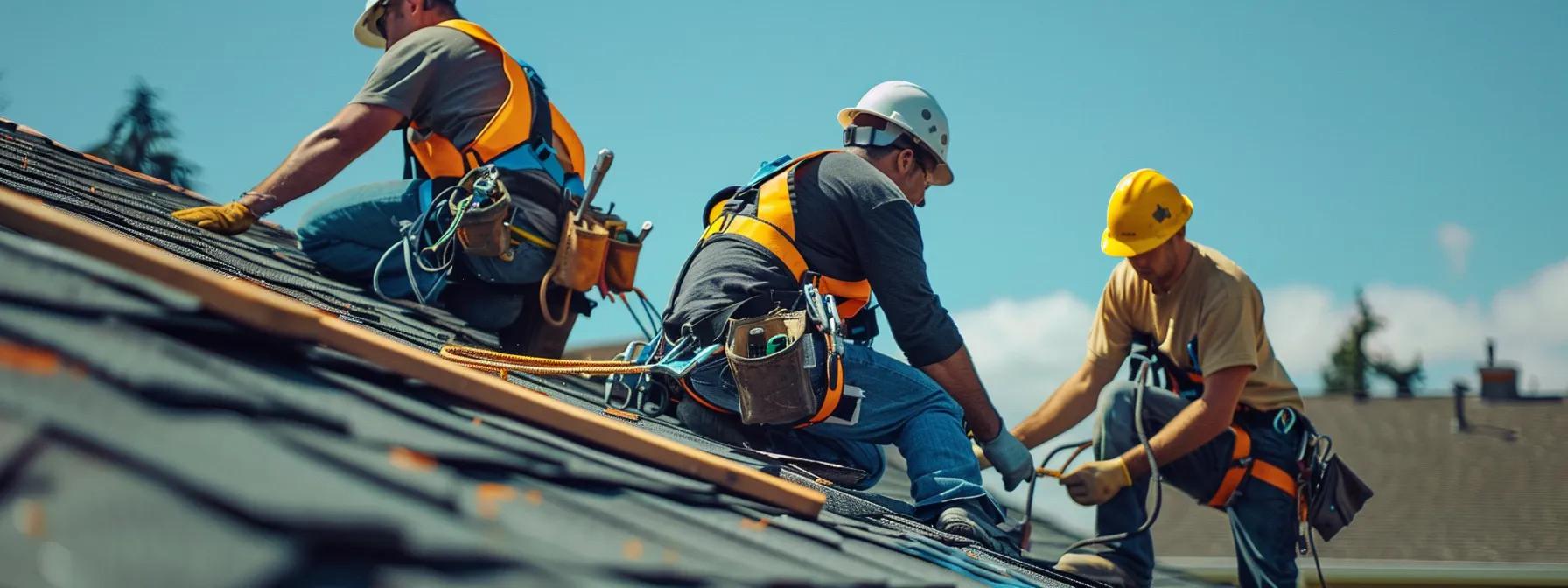
Regular maintenance and timely repairs extend the lifespan of an EPDM roof. Schedule annual inspections (ideally in spring or fall) to check for bubbles, seam separations, or discoloration, especially in areas with intense sunlight or high stress.
- Routine Cleaning: Use a soft broom or low-pressure washer to remove debris and dust.
- Prompt Repairs: Address small punctures or separation immediately using an EPDM patch kit.
- Professional Maintenance: For larger areas of wear, hire a contractor experienced in EPDM repairs.
- Re-coating: Consider periodic re-coating with a compatible roof coating to protect against UV degradation and chemicals.
- Documentation: Keep a detailed log of inspections, repairs, and maintenance activities to help anticipate future needs and support warranty claims.
What Are Common EPDM Roofing Problems and How to Fix Them?
Common issues include: – Seam Separation: Often fixed by reapplying adhesive and using a seam roller. – Punctures: Repair small punctures with a patch kit after cleaning and applying primer. – Localized Adhesive Failures: Address by spot reapplication of adhesive and sealant. For areas with heavy foot traffic, temporarily restrict access until repairs are completed.
How to Clean and Maintain Your EPDM Roof Effectively?
- Use non-abrasive tools and mild cleaning agents that leave no residue.
- A gentle power wash or manual cleaning with a soft brush is ideal.
- Avoid high-pressure washing that forces water beneath the membrane.
- Ensure the roof is completely dry before routine maintenance or further repairs.
When Should You Call a Professional Roofing Contractor?
- Extensive seam separations or large punctures.
- Water leaks indicating underlying structural issues.
- When a full re-coating or reinstallation is necessary due to age or scale of damage. Professional help ensures repairs meet industry standards and valid warranty coverage.
How Much Does It Cost to Layer an EPDM Roof and What Factors Affect Pricing?
The cost to layer an EPDM roof depends on roof size, complexity, membrane quality, and whether you opt for a DIY approach or professional installation. Material costs typically range from $5 to $10 per square foot, with total expenses (including labor and additional materials) averaging between $10 and $20 per square foot. Factors influencing cost include:
- Roof Size and Complexity: Larger or irregular roofs require more material and labor.
- EPDM Membrane Type/Thickness: Thicker or premium membranes cost more but offer enhanced performance.
- Preparation and Repair Needs: Additional costs if the roof deck needs extensive cleaning or repairs.
- Accessories: Flashings, transition strips, and specialized adhesives add to the expense.
- Installation Method: DIY may save on labor but could risk future repair costs if not done properly.
A summary table of typical costs is provided below:
Before beginning your project, obtain multiple quotes from reputable contractors and compare them with DIY estimates. Although professional installation can be more expensive, it often ensures a higher quality, warranty-backed finish.
How Does Roof Size and Complexity Influence EPDM Installation Cost?
Roof size and complexity directly affect both material and labor costs. Bigger and more complex roofs with numerous penetrations often require custom cuts, additional flashings, and more repair work, all of which drive up the total cost. A professional assessment can help identify challenges and adjust the budget or scope accordingly.
What Are the Pros and Cons of DIY vs. Professional EPDM Installation?
DIY Installation Pros:– Lower labor costs. – Direct control over the project.
DIY Installation Cons:– Requires a high level of skill and proper equipment. – Mistakes can lead to higher future repair costs.
Professional Installation Pros:– Quality control and adherence to industry standards. – Access to specialized tools and expertise.
Professional Installation Cons:– Higher upfront costs. – Reliance on contractor scheduling.
Choosing the right approach depends on your expertise, budget, and the complexity of your roofing project.
What Are the Best Practices and Building Codes to Follow When Layering EPDM Roofs?
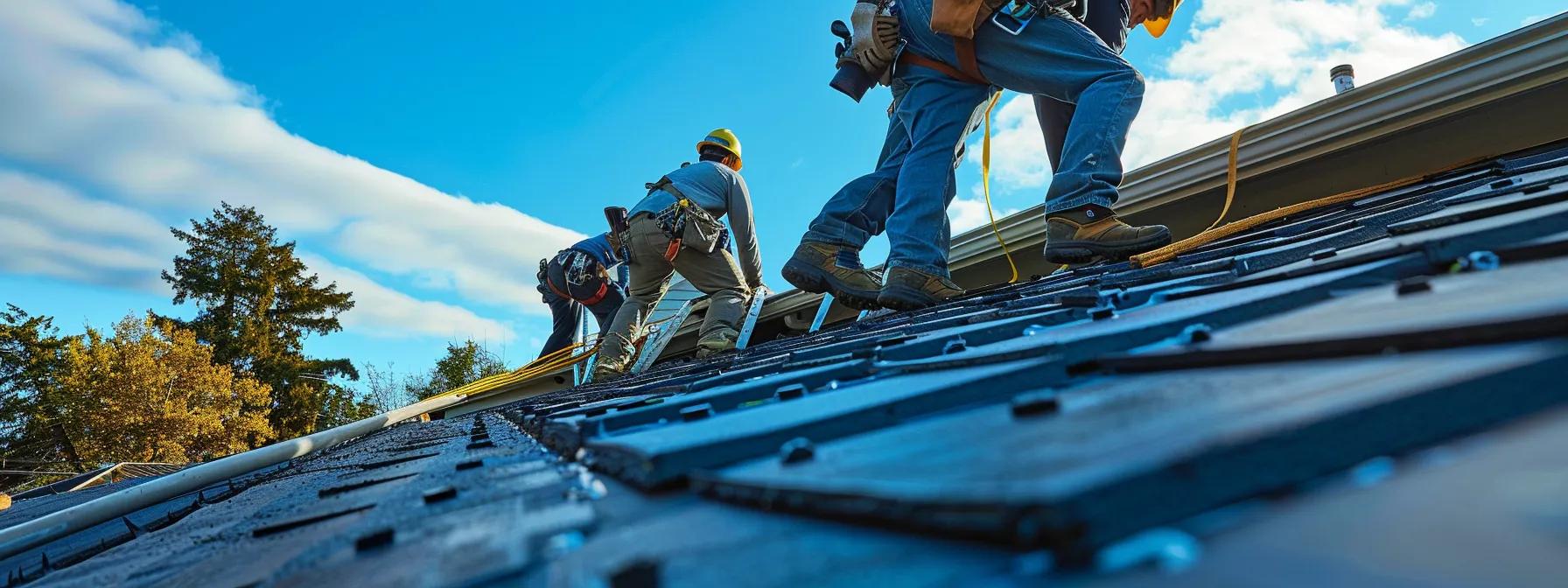
Compliance with building codes and industry best practices is critical for performance and safety. In Minneapolis-Saint Paul, local guidelines complement standards from organizations like the Roof Consultants Institute (RCI) and the National Roofing Contractors Association (NRCA). Key points include:
- Material and Method Standards: Use manufacturer-recommended products that meet ASTM standards.
- Inspection and Documentation: Conduct thorough inspections before and after installation, and maintain detailed records.
- Ventilation and Structural Integrity: Ensure the roof deck is structurally sound and well ventilated.
- Flashing and Sealing: Properly install flashing around penetrations to prevent leaks.
Following these practices protects against weather-related damage, ensures warranty compliance, and meets local regulatory requirements.
Frequently Asked Questions
Q: What maintenance schedule should I follow for my EPDM roof? A: Inspect your EPDM roof at least once a year. Look for seam separation, punctures, or adhesive issues and clean away debris regularly. Scheduling professional inspections every few years can also help keep your roof performing optimally.
Q: Can I install EPDM over an existing EPDM roof? A: Yes, if the existing roof is in good condition and properly prepared. Thorough cleaning, inspection, and repair are necessary before installing the new layer.
Q: How do weather conditions affect EPDM installation? A: High humidity, cold temperatures, or rain can impair adhesive and primer performance. It is best to install EPDM in dry, moderate weather with temperatures between 40°F and 90°F.
Q: What causes EPDM roof failures and how can they be prevented? A: Failures often result from improper substrate preparation, insufficient seam sealing, or prolonged UV exposure. Preventative measures include thorough cleaning, precise adhesive application, and regular maintenance.
Q: Are there environmental benefits to choosing EPDM roofing? A: Absolutely. EPDM’s durability reduces the need for frequent roof replacements, and its reflective properties help reduce cooling costs. The material is also recyclable, contributing to sustainable building practices.
Q: How long does it take to complete an EPDM roof layering project? A: A small, simple roof can be completed in a few days, while larger or more complex roofs may require one to two weeks. Timelines depend on the size, complexity, and number of repairs needed.
Q: What is the warranty period for EPDM roofing, and what does it cover? A: Warranties typically range from 20 to 30 years. They generally cover material defects and adhesive failures under normal conditions, provided that proper installation and maintenance protocols are followed.
Final Thoughts
In summary, EPDM roof layering is a proven, durable, and waterproof solution that extends the life of your roof. By adhering to the step-by-step process—from inspection and preparation to careful installation and regular maintenance—you can ensure that your roof withstands extreme weather while minimizing long-term repair costs.
The professional techniques, specialized tools, and safety practices discussed here are designed to optimize your EPDM installation for lasting performance. Whether you choose a DIY approach or hire a professional contractor, applying these best practices will help you secure a high-quality roofing solution that delivers peace of mind for years to come.
Need a roof inspection in Saint Paul or the Twin Cities? Call Sellers Roofing Company at +1-651-703-2336 or schedule a free estimate. We are a black-owned, NMSDC-certified MBE roofing contractor with 9+ years experience.