Last updated: 2026-08-01 by Ted Sellers, Owner
Understanding Commercial Flat Roof Types for Optimal Repair and Maintenance
Commercial flat roof types determine how your building weathers storms, handles weight, and responds to repair efforts. Ignoring material differences can accelerate damage, increase leaks, and drive up lifecycle costs. In this guide, I’ll define what constitutes a commercial flat roof, compare common materials, explore durability and typical problems, detail specialized repair techniques, and provide criteria for repair versus replacement. You’ll also learn how to select the right system, implement proactive maintenance, leverage professional services in St. Paul and Wayzata, and stay ahead of industry innovations—all to optimize repair and extend lifespan.
What Are the Main Types of Commercial Flat Roofs?
What Defines a Commercial Flat Roof?
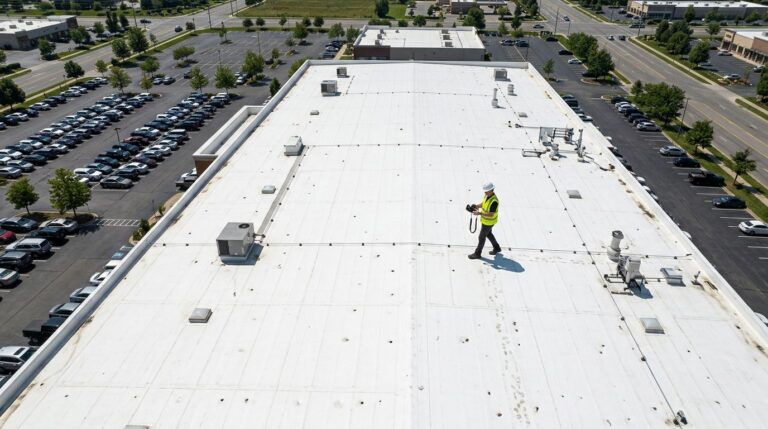
A commercial flat roof is a low-slope covering system designed for non-residential buildings, providing a cost-effective seal against water intrusion while supporting heavy equipment and foot traffic. This roof style typically features a slight pitch (1:12 to 1.5:12) to encourage drainage, and its construction focuses on membrane continuity and robust flashing. For example, a warehouse flat roof uses a waterproof membrane laid over insulation and deck, balancing weatherproofing and energy efficiency.
Which Roofing Materials Are Common in Commercial Flat Roofs?
Commercial buildings most often use seven flat roof systems, each with distinct composition and performance:
- Thermoplastic Polyolefin (TPO) membranes provide heat-weldable seams for waterproof joints.
- Ethylene Propylene Diene Monomer (EPDM) rubber sheets offer flexibility and UV resistance.
- Polyvinyl Chloride (PVC) membranes resist chemicals and ponding water.
- Modified Bitumen (Mod-Bit) layers combine asphalt with reinforcement for durability.
- Built-Up Roofs (BUR) stack asphalt and felt for multi-ply protection.
- Metal panels (steel or aluminum) deliver long-term resilience.
- Spray Polyurethane Foam (SPF) creates a seamless insulating layer.
These options enable tailored solutions based on budget, climate, and building use. Understanding material characteristics prepares you for comparing lifespan and repair needs.
How Do Flat Roof Types Differ in Durability and Lifespan?
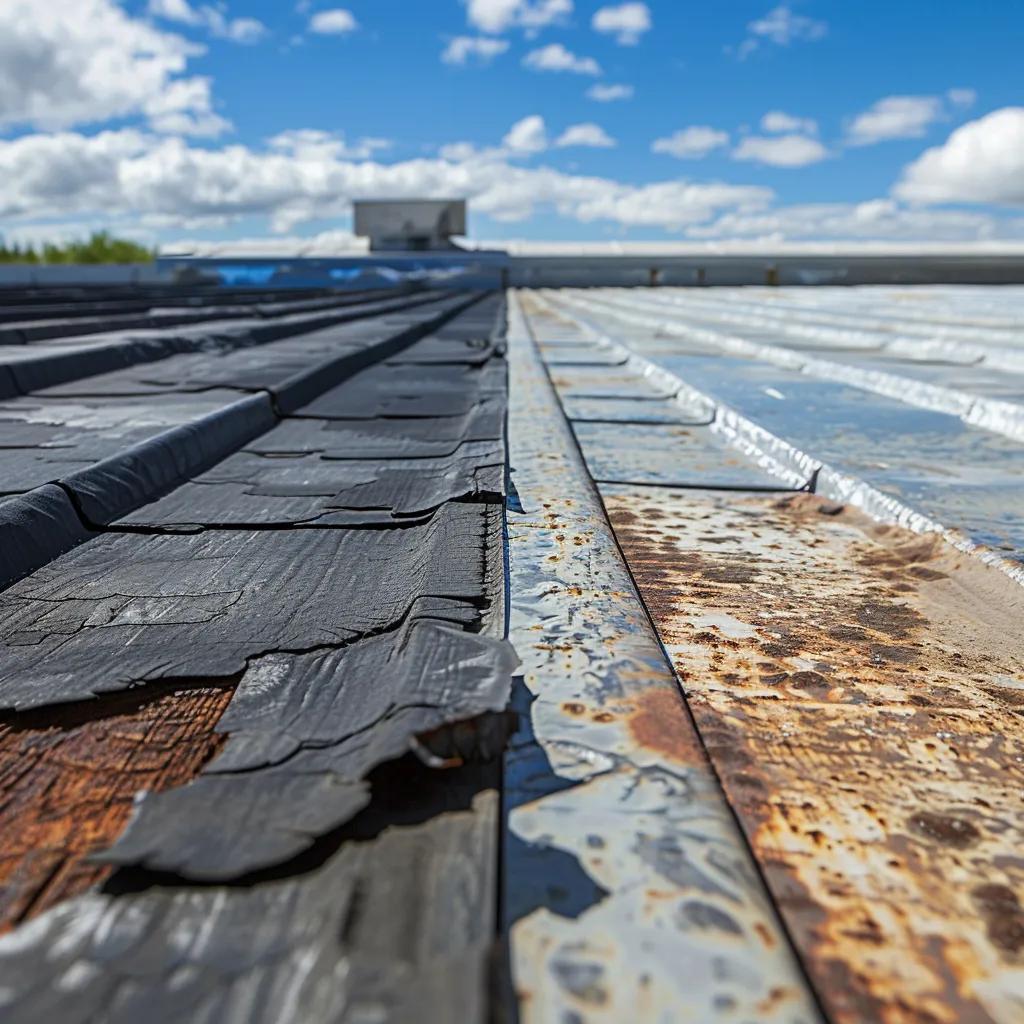
Below is a side-by-side durability and lifespan comparison of major flat roof types:
Flat Roof Lifespan Comparison
The lifespan of commercial flat roofs varies significantly depending on the material used. EPDM and metal roofs often have longer lifespans compared to modified bitumen, which is more budget-friendly but has a shorter lifespan. Regular maintenance can extend the service life of any roof type.
This source provides an overview of various roofing materials and their expected lifespans, which directly supports the article’s comparison of different roof types.
What Are the Pros and Cons of Each Commercial Flat Roof Type?
Each flat roof system presents unique advantages and trade-offs that impact repair strategy and total cost:
How Do You Identify Common Problems in Commercial Flat Roofs?
What Are the Most Frequent Issues: Leaks, Ponding Water, and Membrane Damage?
Leaks on flat roofs occur when water breaches the membrane, often due to punctures, seam failures, or deteriorated flashing. Ponding water forms where drainage is inadequate, leading to membrane stress and accelerated wear. Membrane damage—tears, cracks, or blisters—compromises waterproof integrity. For instance, a small tear in an EPDM sheet can quickly enlarge during freeze-thaw cycles. Early recognition of these issues prevents widespread interior damage and structural decay.
How Does Climate Impact Flat Roof Performance and Repair Needs?
Regional weather extremes in St. Paul and Minnesota—heavy snow loads, freeze-thaw cycles, and summer heat—exert stress on membrane materials and flashing. Cold temperatures stiffen rubber membranes, increasing cracking risk, while UV exposure in summer degrades asphalt-based systems. Tapered insulation and reinforced membranes help mitigate ponding and thermal movement. Tailoring repair materials to local climate extends roof life and reduces repeat visits.
What Are the Signs of Flashing and Structural Failures?
Flashing failures appear as rusted edges, separated seams, or cracked caulking at parapets and roof penetrations. Structural failures manifest in sagging deck areas, uneven surfaces, or interior ceiling stains. Inspection should include probing around HVAC curbs, drains, and expansion joints. Detecting loose or incomplete flashing early prevents water ingress beneath the membrane.
How Can Early Leak Detection Prevent Costly Repairs?
Conducting routine infrared thermography, moisture surveys, and visual inspections identifies hidden wet insulation before leaks surface.
- Inspect seams and penetrations quarterly.
- Use moisture-sensing tools to map damp areas.
- Document inspection results for trend analysis.
By catching leaks in the membrane before secondary damage occurs, you avoid expensive deck replacement and interior restoration.
What Are Optimal Repair Techniques for Each Commercial Flat Roof Type?
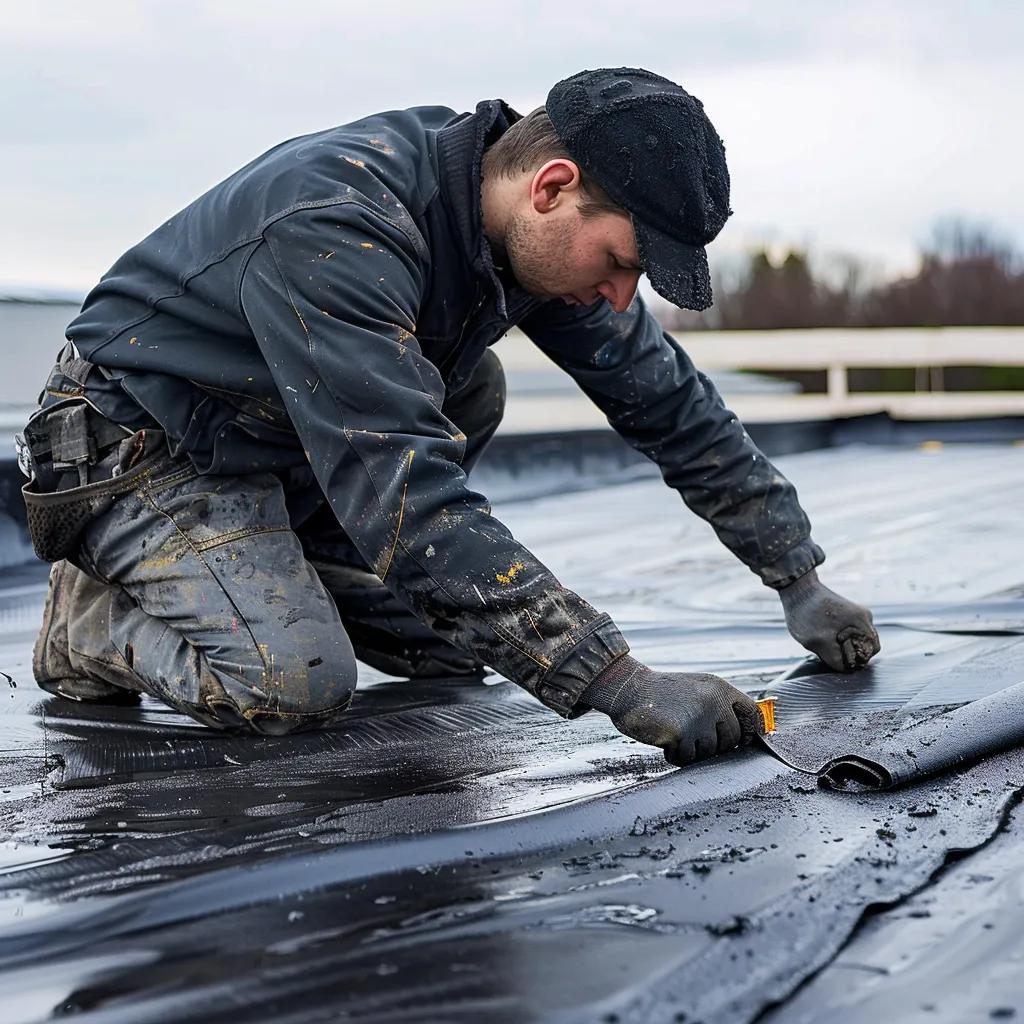
Commercial Flat Roof Repair Techniques
Effective repair techniques are essential for maintaining the integrity of commercial flat roofs. For instance, TPO repairs often involve heat welding, while EPDM repairs utilize adhesive-bonded rubber sheets. Proper repair methods can prevent leaks and extend the roof’s lifespan.
This citation provides information on the standard practices for repairing and maintaining commercial roofing systems, which aligns with the article’s discussion of repair techniques.
How Is TPO Roofing Repaired: Heat Welding and Patching Explained?
TPO repairs begin by cleaning the area and trimming jagged edges. Technicians use hot-air welders to fuse new membrane patches over seams or punctures, creating monolithic seals. Adhesive-backed polyester patches bridge holes under pressure. A liquid-applied TPO coating can restore weather resistance over large areas. These methods seal breaches and reinforce weak spots.
What Are Effective EPDM Roof Repair and Maintenance Practices?
EPDM patching relies on adhesive-bonded rubber sheets cut to overlap existing membrane by at least 3 inches. Seam tape secures edges, and liquid sealants fill perimeter joints. Preventive maintenance includes removing debris, checking for loose ballast, and resealing seams every 5 years to maintain membrane elasticity and waterproof integrity.
How Do You Repair Modified Bitumen and BUR Roofs?
Torch-applied modified bitumen repairs use a propane torch to melt membrane edges, fusing patches to the existing surface. For BUR systems, a new asphalt flood coat with embedded roofing fabric replaces damaged felts. Blister repairs require cutting out water-logged sections, drying the insulation, and torching down replacement layers. Regular recoating extends membrane life.
What Repair Options Exist for Commercial Metal Flat Roofs?
Metal roof repair involves sealing fastener penetrations with urethane underlayment and neoprene washers, replacing corroded panels, and applying elastomeric coatings to prevent rust. Panel overlaps are resealed with compatible sealants. For severe corrosion, individual panels can be retrofitted with new flashings and gaskets.
How Is Spray Foam Roofing Repaired and Recoated?
SPF repairs require cleaning damaged foam, cutting back to sound substrate, and reapplying foam using plural-component spray equipment. Once cured, a silicone or acrylic topcoat restores UV protection. Routine recoating every 7–10 years preserves seamless insulation and waterproofing.
When Should You Repair Versus Replace a Commercial Flat Roof?
What Factors Influence the Repair or Replacement Decision?
Key factors include roof age, extent of membrane damage, insulation moisture content, and existing warranty status.
- Membrane breaches under 10% of roof area often justify repair.
- Insulation saturated beyond limits indicates full replacement.
- Multiple patch histories signal diminishing returns on repairs.
How Do Repair Costs Compare Across Different Roof Types?
Repair costs per square foot vary by material:
- EPDM: $3–$5 for seam repairs and patching.
- TPO: $4–$6 for heat-welded seam repairs.
- PVC: $5–$7 for chemical-resistant seam restoration.
- Mod-Bit/BUR: $3–$8 depending on torch application and flood coat.
- Metal: $6–$10 including panel replacement and coating applications.
- SPF: $4–$7 for foam replacement and recoating.
Balancing short-term repair investment against long-term lifespan guides cost-effective decisions.
What Are the Signs That Indicate Roof Replacement Is Necessary?
Replacement is advisable when:
- Membrane age exceeds expected lifespan (see lifespan table).
- Insulation tests positive for moisture over 20% by weight.
- Structural deck shows rot or deflection.
- Warranty has lapsed and cumulative repairs exceed 20% of roof area.
How Does Maintenance Extend Roof Lifespan and Delay Replacement?
Proactive maintenance—regular inspections, seam resealing, debris removal, and recoat applications—prevents small issues from escalating. TPO and PVC benefit from reflective coatings to reduce thermal cycling, while BUR systems last longer when gravel ballast remains evenly distributed. Consistent care can add 5–10 years to a roof’s service life.
How Do You Choose the Right Commercial Flat Roof for Your Building?
What Role Does Climate Play in Roof Type Selection?
Cold climates favor membranes with high flexibility (EPDM) to resist cracking, while sunny regions benefit from reflective surfaces (TPO, PVC) to lower cooling loads. Areas prone to ponding require reinforced membranes or tapered insulation to achieve positive drainage.
How Does Building Use and Foot Traffic Affect Roof Choice?
Facilities with frequent rooftop access—HVAC maintenance, foot traffic—need robust surfaces like granular BUR or walk-pad-protected areas on TPO. Light-traffic buildings can use smooth membranes like EPDM or PVC to simplify cleaning and inspection.
What Budget Factors Should Be Considered When Selecting a Roof?
Beyond material cost per square foot, factor in installation labor, anticipated maintenance expenses, energy savings, and warranty coverage. A higher-upfront investment in a durable membrane can yield lower total cost of ownership over 20–30 years.
How Do Energy Efficiency and Sustainability Influence Roof Selection?
Green roofing benefits include:
- Reflective membranes (TPO, PVC) reducing HVAC loads.
- Cool roof coatings enhancing solar reflectance.
- Vegetative roof overlays providing stormwater retention and insulation.
- Recyclable metal panels minimizing end-of-life waste.
Selecting sustainable options aligns with environmental goals and operational savings.
What Are the Best Practices for Commercial Flat Roof Maintenance?
What Seasonal Maintenance Tasks Are Essential for Flat Roofs?
Each season requires specific attention:
- Spring: Clear winter debris, inspect for freeze-thaw damage.
- Summer: Check membrane for UV degradation, ensure drains are open.
- Fall: Remove leaves, test downspouts, reseal seams before winter.
- Winter: Monitor snow loads, address ice dams, inspect under live roof covers.
These tasks maintain membrane performance and prepare the roof for upcoming weather changes.
How Do You Prevent and Manage Ponding Water on Flat Roofs?
To control ponding:
- Keep scuppers and internal drains clear of debris.
- Install tapered insulation to create slope.
- Apply elastomeric coatings to bridge minor depressions.
Eliminating standing water prevents membrane stress and leak formation.
What Are the Recommended Inspection Points for Early Problem Detection?
Inspect these critical areas quarterly:
- Perimeter flashing at parapets and walls.
- Roof penetrations (vents, curbs, skylights).
- Membrane seams and patches.
- Drainage components (scuppers, gutters, drains).
Early detection in these zones avoids costly repairs and preserves integrity.
How Can Roof Coatings Enhance Durability and UV Resistance?
Elastomeric and silicone coatings form seamless, reflective layers that shield membranes from UV, ponding damage, and thermal cycling. A 20-mil silicone coat can extend TPO or BUR life by 7–10 years, reducing repair frequency.
How Can Professional Roofing Services Support Optimal Flat Roof Repair?
What Should You Expect from a Commercial Roofing Contractor?
A qualified contractor provides:
- Comprehensive roof inspections with moisture surveys.
- Detailed repair proposals with cost estimates.
- Certified applicators for each membrane type.
- Maintenance plans and warranty support.
Professional oversight ensures repairs follow manufacturer guidelines and local codes.
How Do Local Conditions in St. Paul and Wayzata Affect Roofing Services?
In areas like St. Paul and Wayzata, seasonal snow loads and freeze-thaw cycles demand experience with cold-weather membrane adhesives and winter-grade coatings. Learn more about our specialized Wayzata commercial roofing services at Roofing Experts St. Paul – Wayzata to ensure region-appropriate solutions.
What Are the Benefits of Hiring Specialists for Each Roof Type?
Working with membrane-specific experts delivers:
- Faster, more accurate repairs.
- Access to manufacturer-authorized materials.
- Longer-lasting results via correct techniques.
- Streamlined warranty claims and service agreements.
Specialists maintain higher workmanship standards and reduce callbacks.
How Do Warranties and Service Agreements Impact Repair Decisions?
Strong warranties (10–20 years) shift repair liability to manufacturers, while service agreements guarantee regular inspections and preventive repairs. Evaluating coverage terms helps determine whether to repair under warranty or invest in a new system.
What Are the Latest Trends and Innovations in Commercial Flat Roofing?
How Are Energy-Efficient Materials Changing Commercial Flat Roofs?
New reflective TPO blends, high-R-value rigid insulation boards, and prefabricated vegetative trays drive down energy consumption. These materials meet stricter building codes and deliver measurable HVAC savings.
What Advances Exist in Repair Technologies and Coatings?
Liquid-applied silicone systems with self-leveling properties, robotic seam welding for single-ply membranes, and nanotechnology-enhanced coatings offer stronger adhesion and longer UV protection. These innovations reduce labor and extend maintenance cycles.
How Is Sustainability Driving Growth in Green and Metal Roofing?
Corporate sustainability goals boost demand for green roofs that manage stormwater and insulate buildings. Simultaneously, recycled steel and aluminum panels gain popularity for their recyclability and minimal environmental footprint.
What Are Emerging Challenges from Climate Change for Flat Roofs?
Increased hail events, extreme temperature swings, and higher wind speeds intensify membrane stress and flashing failures. Future-proof designs incorporate impact-resistant layers, enhanced drainage, and flexible membranes engineered for greater dimensional stability.
Commercial flat roof types and repair strategies shape the durability and cost-effectiveness of any commercial building. By matching material properties to climate, traffic loads, and maintenance resources, you can optimize repair interventions and extend service life. Incorporating seasonal upkeep, leveraging specialized contractors in St. Paul and Wayzata, and staying current with emerging technologies ensures your flat roof remains a reliable shield for years to come.
Need a roof inspection in Saint Paul or the Twin Cities? Call Sellers Roofing Company at +1-651-703-2336 or schedule a free estimate. We are a black-owned, NMSDC-certified MBE roofing contractor with 9+ years experience.