Last updated: 2026-05-26 by Ted Sellers, Owner
Understanding Commercial Roof Replacement Costs Today: Comprehensive Guide to Pricing, Materials, and Project Factors
Replacing a commercial roof often involves a substantial investment, with costs ranging from $7 to $20 per square foot depending on material choice, labor rates, and local fees. In this guide, we map out the cost of commercial roof replacement by exploring key cost drivers, average price ranges for different roofing systems, decision criteria for repair versus replacement, and actionable steps to secure accurate quotes. We draw on our expertise as Roofing Experts St. Paul to deliver transparent estimates and practical insights on TPO, EPDM, metal, asphalt, and more. You’ll learn:
- Core factors that influence pricing – materials, labor, permits, project scope, and location
- Average cost brackets by roofing type and long-term value comparisons
- Indicators for repair versus full replacement and financial trade-offs
- Proven methods to gather precise contractor bids and financing options
- Latest market trends, tools, and common client questions to sharpen your budgeting
As seasoned roofing professionals, we combine detailed cost breakdowns with real-world examples to empower property owners making critical roofing decisions.
What Are the Key Factors Influencing Commercial Roof Replacement Costs?
Commercial roof replacement costs depend on multiple variables that interact to determine the final price per square foot. Understanding each factor helps you anticipate expenses, compare bids effectively, and avoid budget surprises. For example, choosing a membrane with higher durability may raise material costs but reduce long-term maintenance expenses, linking project scope directly to lifecycle savings.
The primary cost drivers include:
- Material choice and specification requirements
- Labor rates driven by project complexity and skill levels
- Roof size, slope, and site accessibility
- Permit, inspection, and compliance fees
- Regional market conditions and contractor availability
Commercial Roofing Costs
Commercial roof replacement costs vary widely depending on the materials used, labor rates, and the complexity of the project. Factors such as roof size, slope, and accessibility also influence the final cost. Understanding these variables is crucial for accurate budgeting and comparing contractor bids.
This citation supports the article’s discussion of the various factors that influence commercial roof replacement costs.
Each element contributes to the total expense and sets the foundation for detailed analysis under the following subtopics.
How Do Roofing Materials Affect Commercial Roof Replacement Pricing?

A wide range of roofing membranes and systems influences both initial outlay and long-term value. Material selection impacts installation methods, warranty provisions, energy performance, and lifespan. Below is a comparison of common commercial roofing options:
Roofing Material Lifespans
The lifespan of commercial roofing materials varies significantly, with metal roofs often lasting 30-50 years, while other materials like EPDM and modified bitumen have shorter lifespans. The choice of material impacts long-term value and maintenance needs.
This citation supports the article’s comparison of different roofing materials and their respective lifespans.
This table illustrates how material attributes translate into price points, guiding decisions that balance budget and performance.
What Role Does Labor and Project Complexity Play in Cost Estimation?
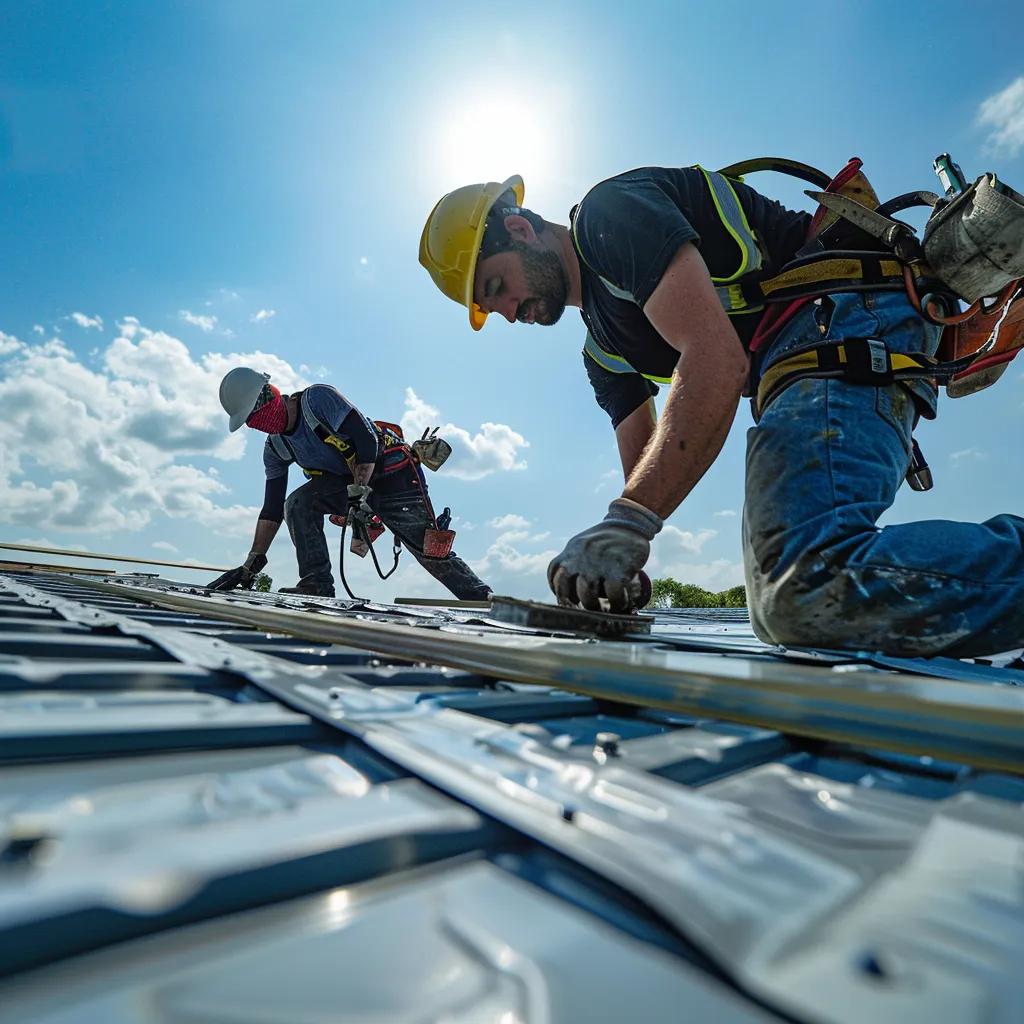
Labor rates and project complexity can significantly raise installation hours and equipment needs, directly impacting the overall replacement cost. Skilled crews, specialized tools for tear-off or height access, and safety equipment all factor into labor pricing.
Key labor considerations include:
- Crew size and skill level for membrane welding or nailing
- Tear-off complexity when removing multiple existing layers
- Use of lifts, scaffolding, or fall-protection systems
- Weather delays and overtime premiums
By evaluating complexity early, we refine time estimates and minimize unforeseen labor charges, seamlessly transitioning into how physical roof characteristics also affect pricing.
How Do Roof Size, Pitch, and Accessibility Influence Replacement Costs?
Roof area and slope define the volume of materials and the crew’s work pace. Larger roof decks require more membrane coverage and underlayment, while steeper pitches increase safety rigging and slow installation. Limited access or rooftop equipment may necessitate cranes or extended handling time.
Design factors driving cost:
- Square footage: direct multiplier for materials and labor
- Pitch ratio: low-slope versus steep applications alter installation methods
- Obstructions: HVAC units, vents, skylights require flashing and custom detailing
- Roof height and perimeter access: additional safety measures
Assessing these physical attributes early ensures accurate budgeting and efficient scheduling.
What Are the Permit, Inspection, and Local Regulation Costs?
Local building codes, permit fees, and mandatory inspections add compliance expenses to a roof replacement. Permitting costs vary by jurisdiction and project scope, often based on roof area or project valuation. Inspections by municipal authorities ensure safety and code adherence, with fees charged per visit.
Typical compliance costs include:
- Building permits: $200 – $1,000 depending on municipality and valuation
- Inspection fees: $100 – $300 per inspection cycle
- Code-required upgrades: insulation R-value or fire-resistance improvements
Incorporating these line items avoids last-minute compliance charges and aligns the project with regulatory standards in St. Paul and beyond.
How Does Location Impact Commercial Roof Replacement Pricing?
Regional market conditions play a crucial role in material availability, labor rates, and permit structures. In the Twin Cities area, for example, seasonal demand peaks after winter, and shipping of specialty membranes can add freight surcharges.
We recommend consulting local specialists like Roofing Experts Wayzata to obtain precise regional quotes. In Wayzata, permit cycles often take two to three weeks and local contractors maintain competitive pricing due to multiple service providers in the market.
What Is the Average Cost of Commercial Roof Replacement by Material Type?
Average costs per square foot offer a starting point for budget planning and contractor comparisons. Below is an overview of typical investment ranges for common roofing systems:
These figures guide initial expectations before drilling into each material’s cost range and attributes.
What Are Typical Cost Ranges for TPO Roof Replacement?
Thermoplastic Polyolefin (TPO) membranes generally cost between $7 and $12 per square foot, combining material, fastening systems, and heat-welded seams. This option delivers superior reflectivity, limiting cooling expenses in large commercial buildings. The typical project size of 10,000 sq ft can cost $70,000 to $120,000 installed.
How Much Does EPDM Roof Replacement Usually Cost?
EPDM roofing systems run about $5 to $10 per square foot, featuring a durable rubber membrane that resists UV and ozone damage. A 15,000 sq ft EPDM replacement typically ranges from $75,000 to $150,000, depending on tear-off requirements and insulation upgrades.
What Are the Costs and Benefits of Metal Commercial Roof Replacement?
Metal roofs average $10 to $20 per square foot, including standing seam panels, fasteners, and coatings. Although the initial outlay is higher, metal delivers 30–50 years of service life, superior wind resistance, and potential energy savings through coatings that reflect heat.
How Do Asphalt and Other Roofing Materials Compare in Cost?
Asphalt-based systems like built-up roofs or architectural shingle installations cost $4 to $15 per square foot, offering a wide spectrum of durability and ease of repair. Modified bitumen and BUR options fall in the mid-range ($6–$15 per sq ft), balancing cost and multi-layer water resistance.
What Are the Long-Term Value and Lifespan Differences Among Materials?
Long-term value hinges on lifespan, maintenance needs, and energy efficiency. Metal and high-grade TPO systems can last 30–50 years with minimal repair, whereas EPDM and BUR membranes may require mid-cycle recoat or patching at 10–15 years. Investing in higher-end materials often yields lower lifetime costs and enhanced warranty protection.
When Should You Repair vs. Replace a Commercial Roof?
Deciding between repair and full replacement hinges on the extent of damage, the roof’s age, and long-term budget goals. Repair may address minor leaks or membrane punctures, while replacement resolves systemic issues and restores warranty coverage.
Evaluating these conditions helps property owners align immediate needs with long-term roofing strategies.
What Signs Indicate That Roof Repair Is Sufficient?
When leaks are confined to small areas or flashings show minor wear, targeted patching and sealant work restore watertight integrity. Repair is cost-effective for isolated issues under three square feet.
When Is Commercial Roof Replacement Necessary?
Comprehensive replacement is warranted when membranes reach the end of their expected service life, flashing systems fail across multiple seams, or underlying deck damage compromises structural safety. Extensive damage triggers full removal and installation.
How Do Repair and Replacement Costs Compare Over Time?
While repair costs can be 10–20% of a replacement, repeated patching over several years may exceed replacement investment. A new roof minimizes maintenance cycles and extends warranty coverage, often yielding savings in the second decade of service.
What Are the Risks of Delaying Commercial Roof Replacement?
Postponing replacement can lead to water infiltration, interior damage, mold growth, and higher energy costs due to compromised insulation. Early action preserves building value and prevents escalating restoration expenses.
How Can You Get an Accurate Commercial Roof Replacement Quote?
Accurate quotes require comprehensive project details, transparent proposals, and clear cost breakdowns. A detailed bid helps you compare contractors and avoid hidden fees.
To secure precise estimates, follow these critical steps.
What Information Should You Provide to Roofing Contractors?
- Exact roof square footage and layout drawings.
- Current roof system details (membrane type, number of layers).
- Known problem areas or prior repair history.
- Desired warranty coverage and project timeline.
- Access constraints and working hours.
How Do You Evaluate and Compare Commercial Roofing Bids?
- Confirm that each proposal includes detailed line items for materials, labor, tear-off, permit fees, and disposal.
- Check membrane brand, thickness, and warranty terms.
- Compare equipment allowances (crane, scaffolding, safety systems).
- Review payment schedules and change-order policies.
- Verify contractor licensing, bonding, and insurance.
What Questions Should You Ask Your Roofing Contractor About Costs?
- “How is your labor rate structured for overtime or weather delays?”
- “What specific membrane warranty do you offer and what does it cover?”
- “Which permit and inspection fees are included in your price?”
- “How do you handle unforeseen deck repairs or structural reinforcement?”
- “Can you provide project references or case studies with similar scope?”
How Do Financing Options Affect Commercial Roof Replacement Affordability?
Businesses can ease cash flow through financing programs, lease-purchase agreements, or performance contracts tied to energy-saving improvements. Common options include bank loans, equipment leasing, and specialized roofing finance plans. By integrating financing into your project, you preserve capital while delivering immediate building protection.
What Are the Latest Trends and Market Insights Affecting Commercial Roof Replacement Costs?
Industry conditions continually reshape pricing and material preferences. Staying informed on market dynamics helps you schedule projects at optimal times and select systems aligned with evolving regulations.
How Are Material Price Fluctuations Impacting Commercial Roofing?
Global supply chain disruptions and raw material costs cause membrane price swings of 5–15% annually. Bulk purchasing and early ordering can lock in rates and mitigate volatility.
What Is the Impact of Labor Shortages on Project Timelines and Costs?
Labor scarcity in construction drives up hourly rates by 10–20% in many regions, extending project timelines. Early bidding and contractor scheduling secure crews and control premiums.
How Are Energy Efficiency and Sustainability Driving Material Choices?
Cool roof coatings and high-R insulation options qualify for rebates and lower utility bills by up to 25%. Sustainable roofing systems also enhance building ESG credentials.
What Are the Projected Market Growth and Demand Trends for Commercial Roofing?
The commercial roofing sector is forecast to grow 4–6% annually through 2028, fueled by renovation cycles and green building mandates that emphasize energy performance.
What Tools and Resources Can Help Estimate Commercial Roof Replacement Costs?
Modern tools simplify cost modeling and help you visualize expenses before issuing bids. Leveraging calculators, detailed breakdowns, and real project data refines budgeting accuracy.
How Does a Commercial Roof Replacement Cost Calculator Work?
A cost calculator uses roof area, selected material, and local labor rate inputs to generate an estimated price range. It applies regional cost indices and standard installation factors to produce preliminary budgets in minutes.
Where Can You Find Detailed Cost Breakdown Tables and Infographics?
Industry publications, manufacturer websites, and interactive dashboards offer EAV-style tables that separate materials, labor, tear-off, and compliance costs. These resources illustrate how each factor contributes to total expense.
- National Roofing Contractors Association cost reports
- Manufacturer cost comparison guides
- Third-party cost aggregator charts
These visual aids help you pinpoint budget allocation across project phases.
How Can Case Studies and Testimonials Inform Your Cost Expectations?
Real-world examples from Roofing Experts St. Paul demonstrate actual project expenses, challenges overcome, and warranty outcomes. Reviewing these case studies clarifies typical investment ranges and performance results, guiding your decision-making process.
What Are Common Questions About Commercial Roof Replacement Costs?
Property owners frequently ask about price per square foot, influencing factors, tax treatments, and project duration. Anticipating these queries helps streamline planning and stakeholder approvals.
How Much Does It Cost to Replace a Commercial Roof Per Square Foot?
Commercial roof replacement typically ranges from $7 to $20 per square foot, with system-specific factors such as membrane type, tear-off complexity, and local labor rates driving final figures.
What Factors Most Affect Commercial Roof Replacement Cost?
The top five cost drivers are:
- Roofing material type and quality
- Labor rates and crew expertise
- Roof size, slope, and access requirements
- Permit, inspection, and code compliance fees
- Regional market conditions and seasonal demand
Is Commercial Roof Replacement Tax Deductible?
Commercial roofing expenses can qualify as deductible maintenance costs or be capitalized and depreciated over the property’s useful life. Consult a tax advisor for precise treatment under current IRS guidelines.
How Long Does a Commercial Roof Replacement Typically Take?
Project duration depends on roof size, complexity, and weather. A 20,000 sq ft single-ply replacement usually completes in 1–3 weeks, including tear-off, installation, and inspections.
What Are the Warranty and Maintenance Cost Implications?
Warranty coverage ranges from 10 to 30 years, covering material defects and workmanship. Proactive maintenance programs reduce repair expenses and extend membrane life, optimizing lifecycle costs.
Completing a commercial roof replacement involves balancing upfront investment with long-term performance and maintenance savings. By understanding material cost ranges, labor factors, and regional influences, you gain control over your roofing budget. We encourage you to request a personalized estimate from Roofing Experts St. Paul to align your project goals with accurate pricing and professional service.
Need a roof inspection in Saint Paul or the Twin Cities? Call Sellers Roofing Company at +1-651-703-2336 or schedule a free estimate. We are a black-owned, NMSDC-certified MBE roofing contractor with 9+ years experience.