Last updated: 2026-08-01 by Ted Sellers, Owner
Weather Effects on Commercial Roof Repair Strategies: How to Identify, Prevent, and Repair Seasonal Damage
Commercial roofs face cyclical stress from changing seasons that can quickly lead to leaks, membrane failures, and structural damage. In this guide, we promise to equip you with actionable methods to identify weather-induced damage, implement prevention tactics, and execute repairs that restore integrity and extend service life. We’ll cover how winter ice dams form and how to prevent them, the impact of summer UV radiation, best seasonal inspection checklists, material performance under extreme conditions, and long-term resilience strategies—all grounded in commercial roofing expertise.
Impact of Weather on Commercial Roofs
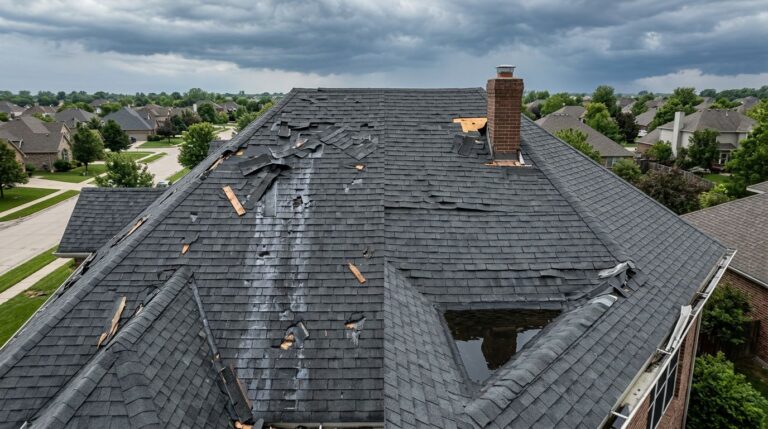
Commercial roofs are subject to various weather events, including snow, ice, UV radiation, wind, and rain, each causing distinct types of damage. Understanding these seasonal stressors helps in identifying early warning signs and guiding timely interventions to prevent costly repairs and downtime [3].
This source explains how different weather conditions can impact commercial roofs, which supports the article’s introduction to the topic.
How Does Seasonal Weather Impact Commercial Roofs?
Commercial roofs endure a range of weather events—snow, ice, UV radiation, wind, rain—that each produce distinct failures. Understanding these seasonal stressors prevents surprise repairs and costly downtime by revealing early warning signs and guiding timely interventions.
What Types of Weather Damage Commonly Affect Commercial Roofs?
Commercial roofs typically sustain:
- Ice dams that form at eaves and trap meltwater, leading to membrane leaks.
- Ponding water that accelerates membrane degradation and promotes microbial growth.
- UV-induced blistering and brittleness in membranes and coatings.
- Wind uplift that detaches flashing, fasteners, or entire membrane sections.
How Do Different Seasons Influence Roof Repair Needs?
Seasons alter both damage mechanisms and repair feasibility:
- Winter ice and freeze-thaw cycles demand fast ice dam removal and snow load management.
- Spring inspections reveal hidden winter membrane cracks and seam failures.
- Summer heat accelerates thermal expansion and UV breakdown, requiring recoating or patching.
- Fall preparation focuses on clearing debris and ensuring drainage before freeze-thaw stress begins.
Aligning repairs with seasonal cycles ensures you address root causes and not just symptoms.
Why Is Understanding Weather Effects Critical for Commercial Roof Longevity?
Recognizing how each weather event interacts with roofing materials empowers property managers to:
- Schedule inspections when vulnerability peaks.
- Choose repair techniques suited to temperature and humidity.
- Allocate budget for proactive maintenance, reducing emergency repairs.
This proactive stance directly extends a roof’s service life and protects building assets from interior damage.
What Are the Key Winter Weather Challenges for Commercial Roof Repair?
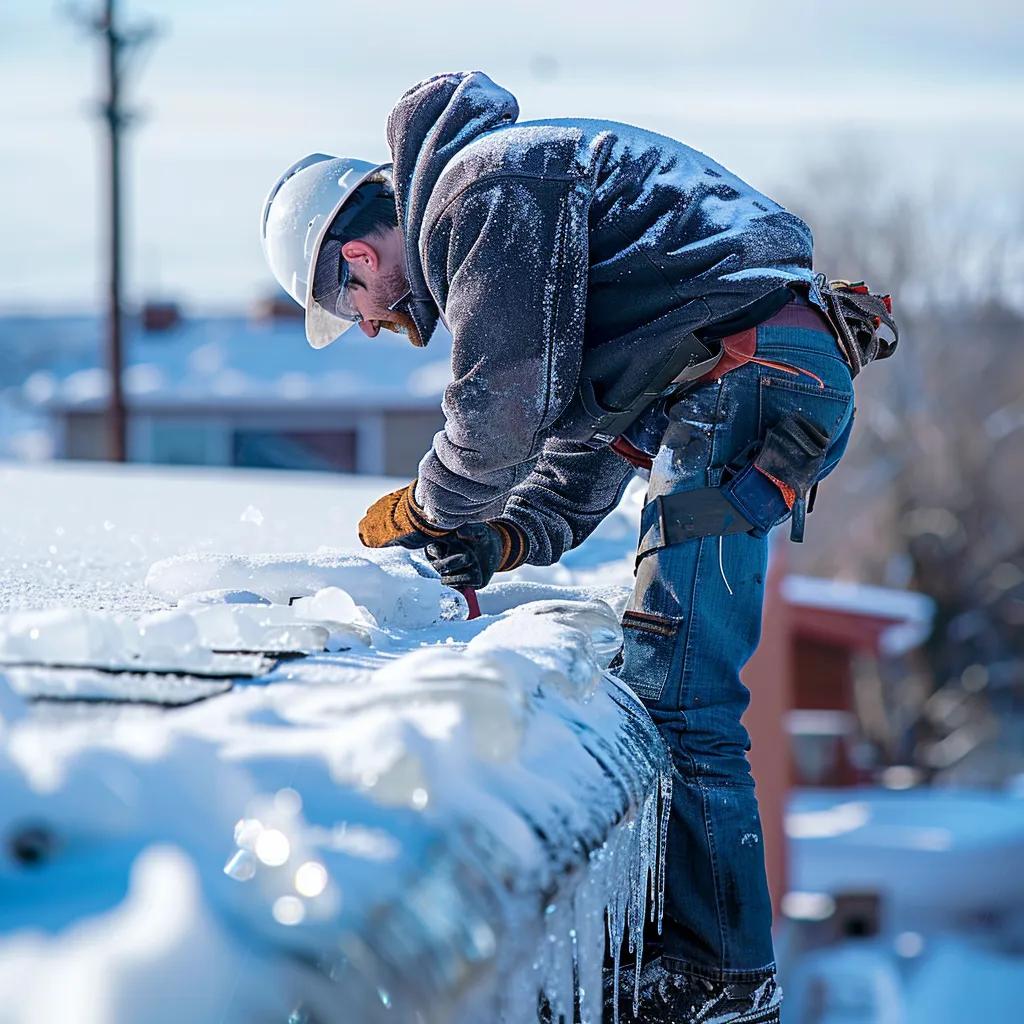
Winter brings ice dams, heavy snow loads, and low temperatures that complicate repairs. Addressing these challenges preserves roof integrity and avoids catastrophic failures.
How Do Ice Dams Form and How Can They Be Prevented on Commercial Roofs?
Ice dams form when heat from the building melts snow at the membrane surface and water refreezes at colder eave edges. To prevent ice dams:
- Ensure proper insulation and roof deck ventilation.
- Install heated cables along eaves to maintain uniform membrane temperature.
- Keep gutters and drains clear of debris to facilitate meltwater flow.
Ice Dam Formation and Prevention
Ice dams form when heat from the building melts snow at the membrane surface, and water refreezes at colder eave edges. Proper insulation, roof deck ventilation, and heated cables can help prevent ice dams [5, 11, 12].
This source provides information on the formation of ice dams and methods to prevent them, which directly supports the article’s discussion on winter weather challenges.
Effective prevention eliminates water infiltration and reduces emergency roof repairs, sustaining structural health through winter.
What Is the Impact of Snow Load on Commercial Roof Structures?
Excessive snow load exerts downward pressure, resulting in:
- Membrane stretching and seam failure.
- Structural deflection or collapse in extreme cases.
- Accelerated roof deck corrosion where moisture accumulates.
Snow removal and load monitoring avert these structural risks and support membrane longevity.
Which Cold Weather Repair Techniques Are Most Effective?
Cold-weather repairs require materials and methods that bond at low temperatures:
- Use winter-grade sealants formulated for below-freezing adhesion.
- Apply torch-on repair patches for durable membrane welding.
- Employ infrared heat guns to prep seams before patch application.
These methods ensure membrane restoration even when temperatures dip below freezing.
When Should You Call a Professional for Winter Roof Damage?
Immediate professional intervention is necessary when:
- Ice dams reappear despite preliminary removal efforts.
- Visible sagging or deflection suggests structural compromise.
- Widespread membrane cracking or seam delamination occurs.
For specialized solutions and prompt response, explore our Wayzata commercial roofing solutions for winter to secure experienced support.
How Does Summer Weather Affect Commercial Roof Repair Strategies?
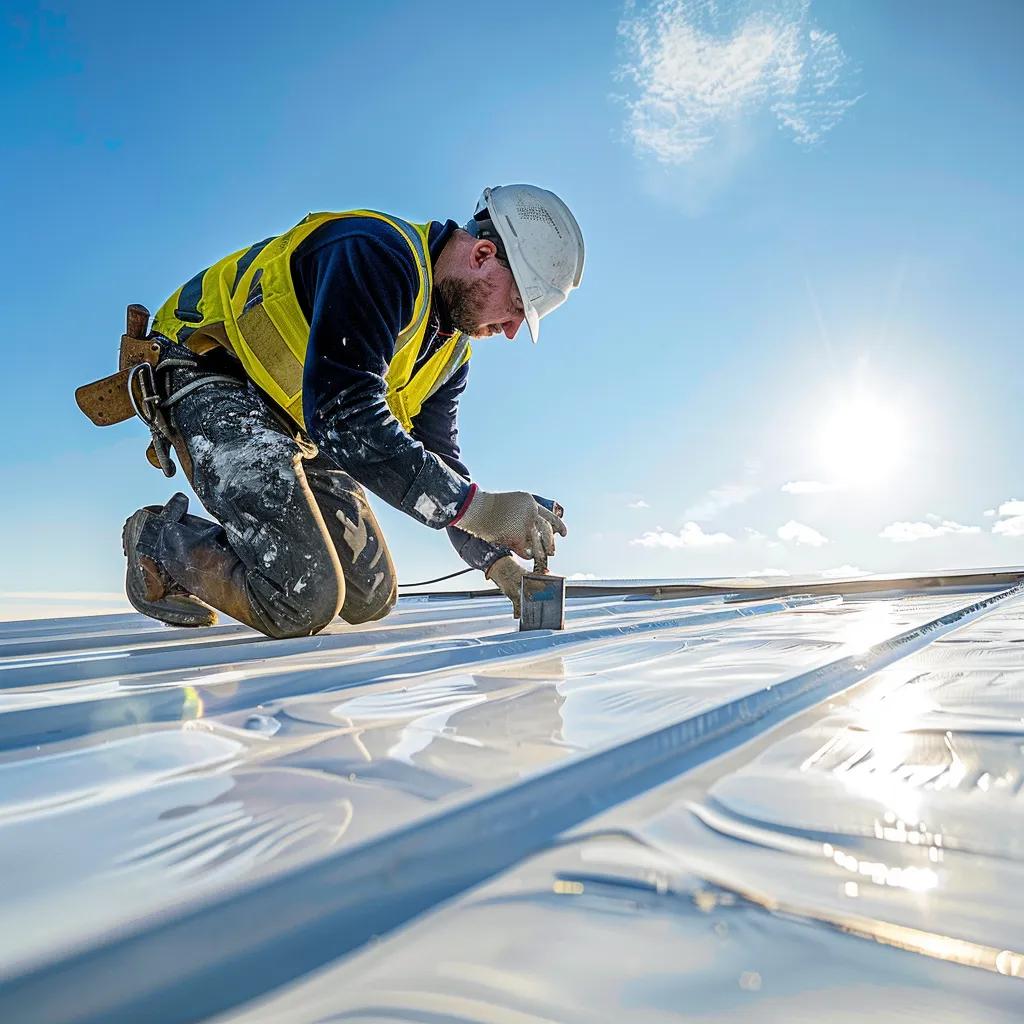
High temperatures, intense sunlight, and storm events in summer introduce their own risks and repair considerations.
What Are the Effects of UV Radiation on Commercial Roofing Materials?
UV radiation degrades membrane polymers, causing:
- Surface chalking and color fading.
- Blistering as trapped moisture vaporizes.
- Membrane shrinkage that splits seams and flashing.
Periodic UV-protective coatings restore reflective properties and slow polymer breakdown, preserving membrane flexibility.
UV Radiation Effects on Roofing Materials
UV radiation degrades membrane polymers, causing surface chalking, blistering, and membrane shrinkage. Periodic UV-protective coatings can restore reflective properties and slow polymer breakdown [4, 6, 17, 21].
This source discusses the effects of UV radiation on roofing materials, which supports the article’s section on summer weather challenges.
How Does Heat Stress and Thermal Expansion Impact Commercial Roofs?
Thermal cycling causes membrane expansion during peak sun and contraction at night:
- Fasteners loosen, leading to wind uplift vulnerabilities.
- Membrane fatigue leads to hairline cracks.
- Sealant joints separate, allowing moisture infiltration.
Scheduling repairs during cooler morning hours and using flexible sealants mitigates thermal movement damage.
What Are Best Practices for Repairing Storm Damage from Wind and Hail?
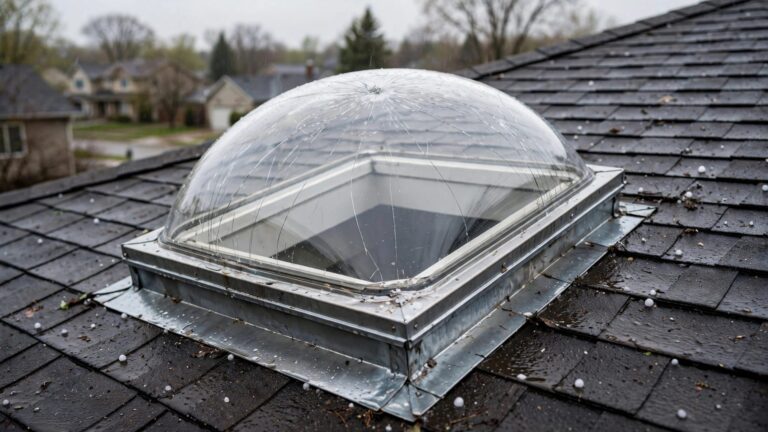
When wind or hail punctures or lifts roofing components:
- Remove debris carefully to expose all damage points.
- Replace punctured membrane sections using fully adhered patches.
- Reinforce flashing and field seams with high-strength tape or welds.
Timely patching stops leaks and prevents secondary water damage to insulation and interior finishes.
Best Practices for Repairing Storm Damage
When wind or hail damages roofing components, removing debris, replacing damaged sections, and reinforcing flashing and seams are essential. Timely patching prevents leaks and secondary water damage [3, 15, 20].
This source provides information on how storms can impact commercial roofs and what can be done to mitigate the damage, which supports the article’s section on summer weather challenges.
How Can Property Managers Prepare for Summer Weather Roof Challenges?
Proactive summer preparation includes:
- Inspecting and reinforcing flashing before storm season.
- Applying UV-resistant coatings to reflect heat and prevent blistering.
- Securing loose equipment mounts and rooftop HVAC supports.
This proactive maintenance minimizes emergency repairs and extends coating service life.
What Are the Best Seasonal Maintenance and Inspection Practices for Commercial Roofs?
Consistent inspections and maintenance tailored to each season prevent minor issues from becoming major failures.
What Should a Spring Commercial Roof Inspection Checklist Include?
A spring inspection should verify:
- Membrane integrity after winter freeze-thaw cycles.
- Drainage channel and gutter clearance.
- Sealant and flashing condition around units and penetrations.
- Ponding water areas for proper slope correction.
Spring Commercial Roof Inspection Checklist
A spring inspection should verify membrane integrity, drainage channel clearance, sealant and flashing condition, and ponding water areas. This thorough check resets the roof after winter stress [1, 2, 9, 14].
This source provides a checklist for commercial roof inspections, which supports the article’s section on seasonal maintenance and inspection practices.
How Can Fall Preparation Help Prevent Winter Roof Damage?
Fall preparations focus on:
- Clearing leaves and debris from drains and scuppers.
- Checking insulation and ventilation to prevent uneven roof heating.
- Applying winter-grade sealants to vulnerable seams.
- Verifying snow guard and cable heating systems.
These steps reduce ice dam formation and protect the structure when temperatures begin to drop.
What Preventative Maintenance Steps Enhance Weather Resilience?
Preventative maintenance includes:
- Routine membrane cleaning to remove built-up contaminants.
- Scheduled recoating with UV-reflective elastomeric products.
- Periodic fastener torque checks and seam inspections.
- Annual gutter and drain cleaning.
Preventative Maintenance Steps
Preventative maintenance includes routine membrane cleaning, scheduled recoating, periodic fastener checks, and annual gutter cleaning. Regular care ensures consistent performance under varying weather conditions [10, 26, 32].
This source provides tips for summer roof maintenance, which supports the article’s section on preventative maintenance steps.
How Often Should Commercial Roofs Be Inspected for Weather Damage?
Commercial roofs benefit from:
- At least two professional inspections annually—post-winter and summer peak.
- Additional checks after severe storms or hail events.
- More frequent inspections for older roofs or those in extreme-weather regions.
Consistent inspections catch emerging issues early and sustain long-term roof health.
How Do Commercial Roofing Materials Perform Under Different Weather Conditions?
Roofing materials vary in resilience to weather stressors. The following table compares common systems:
Commercial Roofing Materials Performance
Roofing materials vary in resilience to weather stressors. For example, TPO roofing has high UV resistance, while EPDM roofing has superior cold flexibility [19, 25, 28, 30, 33].
This source discusses the best roofing materials for different weather conditions, which supports the article’s section on how commercial roofing materials perform under different weather conditions.
How Can Property Managers Identify and Assess Weather-Related Roof Damage?
Accurate damage assessment starts with knowing warning signs and using structured inspection methods.
What Are Common Signs of Weather Damage on Commercial Roofs?
Damage indicators include:
- Membrane blistering or cracks.
- Ponding water discoloration and algae growth.
- Exposed aggregate or gravel loss on built-up roofs.
- Loose or uplifted flashing and edge metal.
Identifying Weather-Related Roof Damage
Damage indicators include membrane blistering or cracks, ponding water discoloration, and loose flashing. Spotting these signs early directs targeted repairs [15, 20, 23].
This source provides information on identifying signs of storm damage on commercial roofing systems, which supports the article’s section on how property managers can identify and assess weather-related roof damage.
How to Use a Roof Inspection Checklist for Weather Damage Assessment?
A checklist streamlines inspections by listing:
- Drain and gutter condition.
- Membrane and seam integrity.
- Flashing and penetration seals.
- Fastener security and overall roof deck condition.
Structured assessments ensure no critical area is overlooked during seasonal reviews.
When Is Damage Severe Enough to Require Immediate Repair?
Immediate repairs are required when:
- Active leaks threaten building contents.
- Structural deflection or membrane collapse is visible.
- Widespread seam delamination compromises large areas.
- Emergency weather events leave the roof vulnerable.
Rapid response by qualified technicians prevents interior damage and safety hazards.
How Do Weather Events Like Hail and Wind Cause Specific Roof Damage?
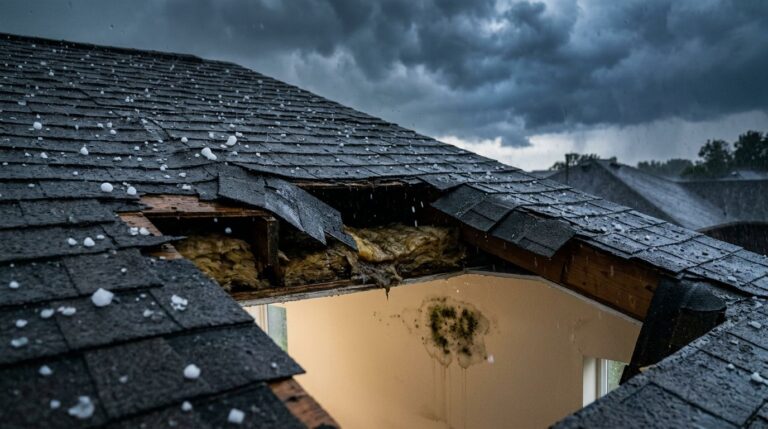
Hail impacts can puncture membranes, tearing the surface and exposing substrate. Wind uplift applies negative pressure that lifts edges, detach flashing, and opens seams. Understanding these mechanisms shapes the repair approach—whether patching small holes or re-adhering entire sections.
What Are Effective Repair Strategies for Weather-Damaged Commercial Roofs?
Repair methods must match the damage type and material to restore roof performance under future weather cycles.
How Are Leaks and Membrane Damage Repaired After Weather Events?
Leak repairs typically involve:
- Cleaning and drying the affected area.
- Applying manufacturer-approved membrane patch or sealant.
- Reinforcing seams with compatible tapes or heat-welded patches.
- Conducting a water test to confirm leak stoppage.
Repair Strategies for Weather-Damaged Roofs
Leak repairs involve cleaning and drying the affected area, applying manufacturer-approved patches or sealants, and reinforcing seams. These steps reestablish a watertight barrier [29, 31, 35].
This source provides tips for winter roof repair, which supports the article’s section on effective repair strategies for weather-damaged commercial roofs.
What Tools and Materials Are Used in Weather-Related Roof Repairs?
Essential tools and materials include:
- Infrared heat guns for seam preparation.
- Winter-grade adhesive and sealants for cold conditions.
- Prefabricated membrane patches matched to existing roofing.
- High-strength seam tapes and fasteners.
Using correct products ensures bond strength and weather resistance.
When Is Full Roof Replacement Necessary Due to Weather Damage?
Roof replacement becomes prudent when:
- Over 30% of the membrane area is compromised.
- Multiple repairs have failed repeatedly.
- Structural damage under the membrane jeopardizes safety.
- Remaining service life is minimal compared to replacement investment.
A full replacement offers a fresh start and can upgrade to more weather-resilient materials.
How Do Roofing Contractors Perform Repairs to Ensure Weather Resilience?
Professional repair processes include:
- Conducting moisture scans to detect hidden wet insulation.
- Using manufacturer-certified repair kits and approved techniques.
- Documenting repairs with photos and warranty paperwork.
- Scheduling follow-up inspections to guarantee performance.
This thorough approach delivers lasting results, backed by service warranties.
How Can Commercial Roofs Be Protected Against Future Weather Damage?
Long-term protection combines advanced materials, strategic designs, and disciplined maintenance.
What Are the Best Weatherproofing Techniques for Commercial Roofs?
Weatherproofing methods encompass:
- Installing reinforced base sheets under membranes.
- Applying silicone or acrylic coatings for seamless protection.
- Integrating tapered insulation to prevent ponding water.
- Sealing and flashing all rooftop penetrations meticulously.
Weatherproofing Techniques
Weatherproofing methods encompass installing reinforced base sheets, applying silicone or acrylic coatings, integrating tapered insulation, and sealing all rooftop penetrations. These techniques shield the roof from moisture intrusion [16, 18, 34].
This source provides information on how to prevent ice dams, which supports the article’s section on how commercial roofs can be protected against future weather damage.
How Do Reflective and Sustainable Roofing Materials Reduce Weather Impact?
Reflective coatings and “cool roof” membranes:
- Lower surface temperatures by reflecting solar radiation.
- Reduce thermal cycling stress and energy costs.
- Extend membrane life by minimizing UV degradation.
Sustainable materials like green roofs also absorb rainfall and moderate building temperature swings.
What Role Does Regular Maintenance Play in Extending Roof Lifespan?
Regular maintenance:
- Identifies emerging problems before they escalate.
- Keeps drainage systems clear to avoid ponding.
- Preserves warranties by complying with manufacturer schedules.
- Supports consistent performance under fluctuating weather conditions.
A maintenance culture saves on long-term repair and replacement expenses.
How Can Property Managers Develop a Weather-Resilient Roof Maintenance Schedule?
To build an effective schedule:
- Align inspections with seasonal transitions.
- Integrate roof cleaning, minor repairs, and coating applications.
- Track tasks in a maintenance management system.
- Adjust frequency based on local climate intensity and roof age.
A disciplined schedule transforms reactive repairs into predictable, budget-friendly maintenance.
Commercial roofs face weather challenges that vary by season, material, and building use. By understanding damage types, employing season-specific repair techniques, and instituting rigorous inspection routines, property managers can safeguard structures year-round. Advanced materials, reflective coatings, and strategic weatherproofing work together to enhance resilience. Partnering with expert roofing professionals ensures repairs and preventive measures are applied correctly, maximizing service life and protecting your investment.
Need a roof inspection in Saint Paul or the Twin Cities? Call Sellers Roofing Company at +1-651-703-2336 or schedule a free estimate. We are a black-owned, NMSDC-certified MBE roofing contractor with 9+ years experience.