Last updated: 2026-05-26 by Ted Sellers, Owner
Why Hail Damage on Roofs Is Often Overlooked: How to Identify Hidden Roof Damage and Protect Your Home
Every year, hailstorms cause billions in property losses, yet up to 70 percent of hail damage on roofs goes unnoticed by homeowners. In this guide, I’ll explain why hail damage on roofs is so hard to detect, the types of damage homeowners commonly miss, the long-term risks of leaving damage unchecked, and why professional inspection is critical. I’ll also walk you through documenting claims, dispelling common misconceptions, and protecting your roof with preventive strategies and cutting-edge technology. You’ll learn:
- Why hail damage often slips under the radar and how subtle signs reveal hidden issues.
- The frequently overlooked damage types—from granule loss to flashing dents—and their consequences.
- The role of certified inspectors, advanced tools, and proper claim documentation in securing repairs.
- Common myths that lead homeowners astray and actionable steps to shield your roof from future hailstorms.
By mastering these topics, you’ll safeguard your home’s integrity and maximize your insurance coverage when hail strikes again.
Why Is Hail Damage on Roofs So Hard to Detect?
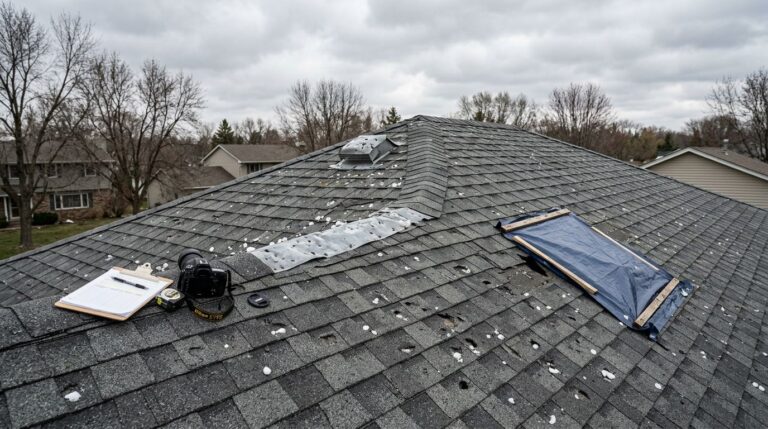
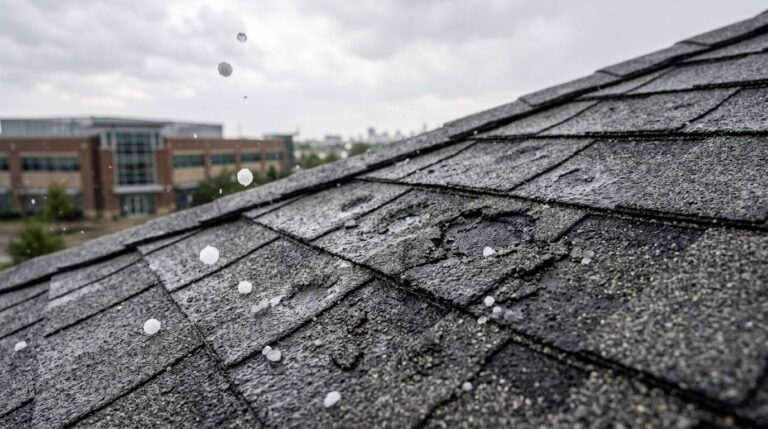
Hail damage on roofs is often overlooked because small impacts can leave microscopic fractures and granule displacement that offer no immediate visible warning but gradually weaken roofing materials. Identifying hail damage on roofs early preserves your roof’s protective barrier, reducing repair costs and preventing water intrusion.
What Are the Subtle Signs of Hail Damage on Shingles?
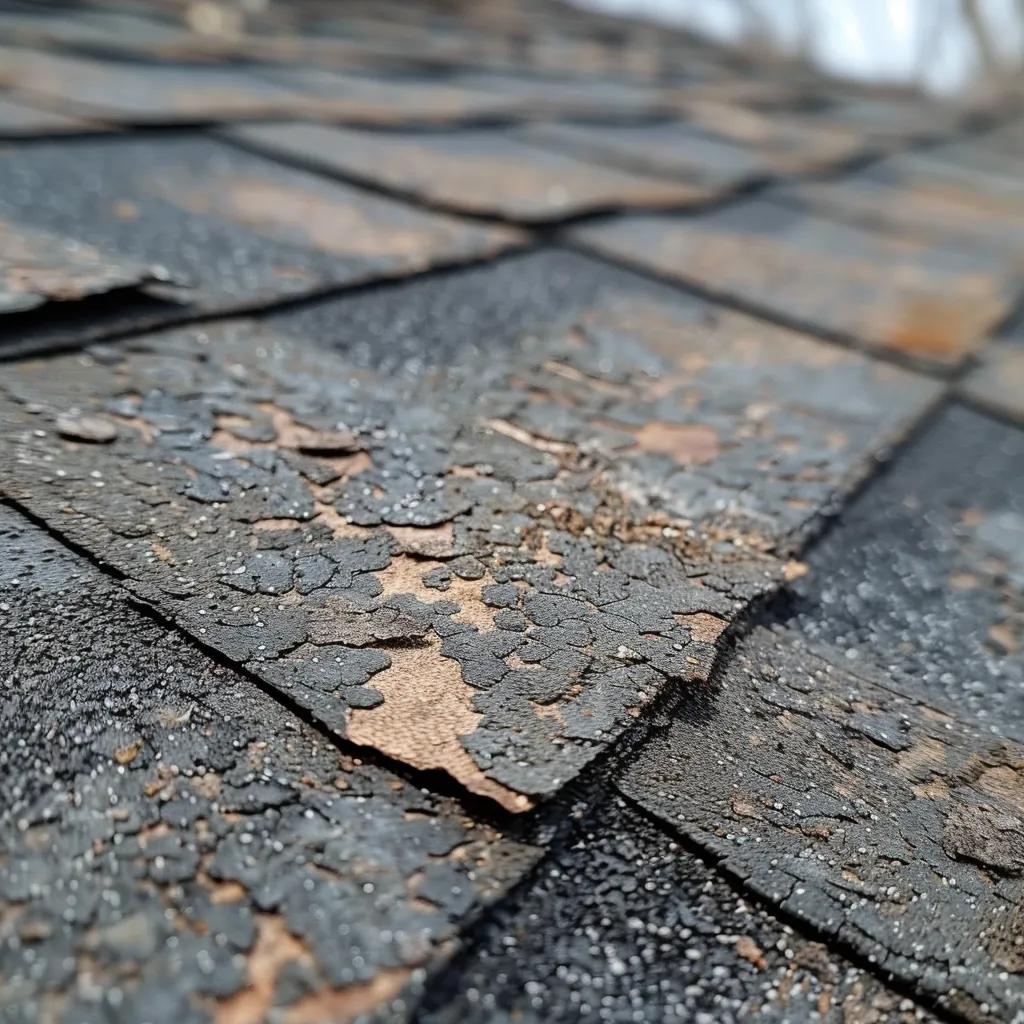
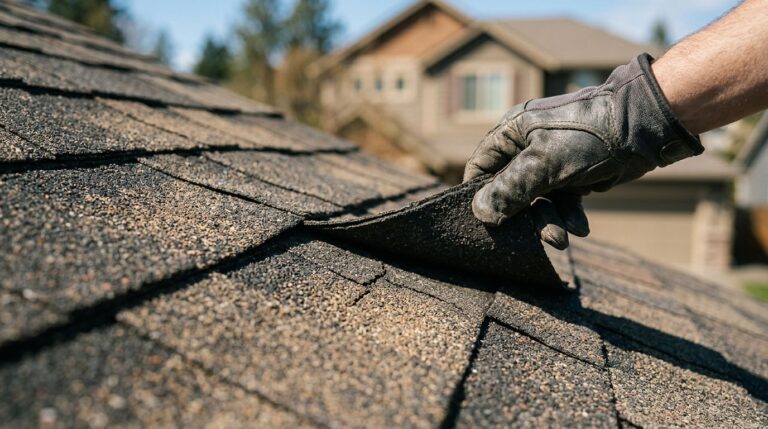
Hail can bruise asphalt shingles without leaving obvious dents, causing internal fracture lines that compromise weather resistance. Look for:
- Granule loss in impact zones where protective coating peels away.
- Soft spots or bruising felt by gently pressing the shingle surface.
- Hairline fractures radiating from tiny indentations.
These early indicators help you spot damage before leaks develop. A close-up inspection often reveals granule clusters in gutters where concentrated impact occurred, pointing to underlying shingle compromise and guiding targeted repairs.
How Does Roof Material Affect Hail Damage Visibility?
Different roofing materials show hail impact in unique ways:
Metal roofs tend to exhibit clear dents, but fiber-reinforced materials can hide fractures. Understanding material responses ensures you inspect each roof type effectively and address vulnerabilities before they worsen.
Why Do Homeowners Commonly Miss Hail Damage?
Many homeowners lack the expertise to distinguish hail bruising from normal wear, and without training they often mistake granule loss for aging. Weathered shingles can mask new damage, while steep roof angles and safety concerns deter thorough self-checks. These factors combine to conceal damage until water stains appear inside.
Proper awareness of what to look for makes a critical difference and sets the stage for understanding how inspection techniques influence detection.
How Do Improper Inspection Techniques Contribute to Overlooked Damage?
Inspecting from ground level or under poor light conditions hides small dents and bruises on shingles. Assessing immediately after a storm, when granules are still in place, can conceal fresh losses. Professional inspectors use multiple angles, slip-resistant ladders, and angled sunlight to reveal subtle indentations.
Improving inspection timing and vantage points bridges to advanced assessment methods that catch hidden damage.
Can Hail Damage Be Invisible Initially?
Yes, hail damage can remain invisible until material fatigue causes shingles to crack or granules dislodge months later. Latent damage often appears as premature aging or unexplained leaks, making early professional evaluation crucial. Recognizing that unseen impact can become visible over time underscores the value of routine post-storm inspections.
What Types of Hail Damage Are Frequently Overlooked on Roofs?
Hail can inflict various subtle harms that homeowners and basic inspections often miss. Understanding these hidden damage types empowers you to catch issues early and prevent costly consequences.
How Does Shingle Bruising and Fracturing Appear?
Shingle bruising feels like a soft spot where hail compressed the asphalt mat, while fracturing shows as fine cracks radiating from an impact point.
- Entity: Shingle Bruising → Attribute: Soft Spots → Value: Fragile under foot pressure
- Entity: Shingle Fracturing → Attribute: Hairline Cracks → Value: Microscopic fissures that spread
These hidden weaknesses erode shingles’ water-shedding ability and lead directly into granule loss assessment.
What Is Granule Loss and Why Is It Important?
Granule loss exposes the underlying asphalt, accelerating UV damage and reducing fire resistance.
- Entity: Granule Loss → Attribute: Protective Coat Removal → Value: Increased UV degradation
- Entity: Exposed Asphalt → Attribute: Surface Softening → Value: Reduced weather resistance
Tracking granule accumulation in valleys and gutters highlights areas of impact and points to sections requiring repair before leaks emerge.
Impact of Granule Loss on Roofs
Granule loss is a critical indicator of hail damage, as it exposes the underlying asphalt to UV radiation, accelerating its degradation and reducing the roof’s fire resistance. This process can lead to further damage and the need for more extensive repairs.
This citation reinforces the importance of recognizing and addressing granule loss as a key aspect of roof damage assessment.
How Are Gutters, Vents, and Flashing Affected by Hail?
Hail often dents metal gutters and flashing, creating pockets where water pools and rust forms.
- Entity: Gutter Dents → Attribute: Water Pooling → Value: Accelerated corrosion
- Entity: Vent Cap Cracks → Attribute: Gap Creation → Value: Pest entry and moisture intrusion
- Entity: Flashing Deformation → Attribute: Seal Break → Value: Hidden leak channels
Inspecting these components completes the damage picture and prevents interior mold by addressing every potential entry point.
What Are the Signs of Hidden Water Intrusion Caused by Hail?
Latent hail damage can cause water intrusion that shows first as ceiling stains or attic mold growth.
- Water stains on attic subflooring
- Musty odors indicating trapped moisture
- Insulation degradation around impact zones
Spotting these interior signals closes the loop on exterior assessment, leading naturally into long-term consequence planning.
What Are the Long-Term Consequences of Undetected Hail Damage?
Ignoring subtle hail damage accelerates roof failure, interior water damage, and insurance complications. Early detection preserves structural integrity and warranty coverage.
Hail Damage and Roof Deterioration
Hail damage can significantly reduce a roof’s lifespan by causing fractures and compromising its ability to shed water, which can lead to costly repairs and premature replacement. The extent of the damage often depends on the roofing material and the severity of the hailstorm.
This citation supports the article’s claims about the long-term consequences of hail damage on roofs.
How Does Overlooked Damage Accelerate Roof Deterioration?
Unrepaired bruises and fractures grow into large cracks that admit water and freeze-thaw cycles weaken decking. This process shortens a roof’s lifespan by years and increases replacement costs. Ongoing moisture also degrades underlayment, compounding structural weakening.
What Interior Damages Can Result from Hidden Roof Hail Damage?
Water penetration leads to:
- Ceiling and wall stains that indicate active leaks.
- Mold growth in attic or living spaces, posing health risks.
- Warped framing and insulation breakdown that reduce energy efficiency.
These interior symptoms often prompt costly restoration that dwarfs the original repair price.
How Can Ignoring Hail Damage Void Roof Warranties and Affect Insurance?
Most shingle warranties require timely maintenance; undetected damage that progresses unchecked can void manufacturer guarantees. Insurance adjusters also deny claims lacking documented evidence of timely inspection. Proper documentation and prompt repairs protect both warranty and claim eligibility.
Why Is Professional Roof Inspection Crucial for Detecting Hidden Hail Damage?

Professional Roof Inspection Benefits
Professional roof inspections are crucial for identifying subtle hail damage that homeowners often miss. Certified inspectors use specialized tools and techniques to detect hidden issues, ensuring accurate assessments and supporting insurance claims.
This citation highlights the value of professional inspections in detecting and documenting hail damage for insurance purposes.
What Do Certified Hail Damage Inspectors Look For During Assessments?
Certified inspectors examine every roofing component through a comprehensive checklist:
How Do Advanced Inspection Techniques Improve Detection?
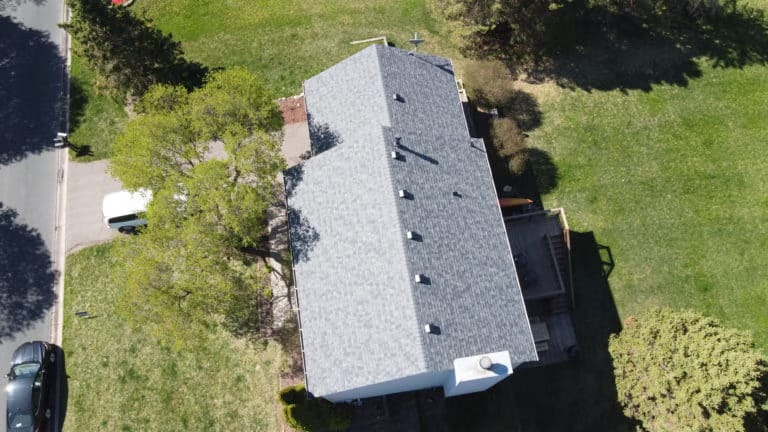
Drones and thermal imaging reveal damage invisible to the naked eye. Drones capture high-resolution aerial photos of hard-to-reach slopes, while infrared scans detect temperature differences where moisture accumulates. These methods uncover latent damage and quantify impact severity, reducing human error and enhancing safety.
Combining aerial and thermal data sets the stage for clear claim documentation and repair planning.
What Should Homeowners Expect During a Professional Roof Inspection?
During an inspection, expect:
- A visual walkaround and aerial drone survey.
- Detailed photos of every hail-impacted area.
- Thermal scans of attic and roofing layers.
- A comprehensive written report with repair recommendations.
Clear findings and repair plans help homeowners make informed decisions, tying directly into the next step of navigating insurance claims.
How Can Homeowners Document and Navigate Insurance Claims for Overlooked Hail Damage?
Thorough documentation and strategic communication with adjusters ensure you secure fair claim settlements for hidden damage. A systematic approach maximizes coverage and expedites repairs.
What Is the Best Way to Document Subtle Hail Damage for Claims?
Effective claim evidence includes:
- High-resolution photos of bruises, granule loss, and dents.
- Annotated drone images highlighting impact clusters.
- A certified inspection report detailing damage severity and repair estimates.
Assembling this packet supports adjuster evaluations and prevents claim denials, guiding you into negotiation strategies.
How Do You Work Effectively with Insurance Adjusters?
Communicate clearly:
- Present your photo and inspection report binder.
- Point out documented impact points during the adjuster’s roof walkthrough.
- Reference standard shingle life expectancy and manufacturer guidelines.
- Request on-the-spot measurements of hailball size and damage radius.
This collaborative approach fosters trust and increases approval likelihood, leading to appeals if necessary.
What Are the Steps to Appeal a Denied Hail Damage Claim?
If your claim is denied:
- Review the adjuster’s report for missing damage entries.
- Obtain a second professional opinion and supplemental inspection.
- Submit a formal appeal with your combined documentation.
- Escalate to state insurance board or hire a public adjuster if needed.
A structured appeals process transforms denial into repair authorization, closing the insurance loop and moving toward roof restoration.
What Common Misconceptions Lead to Overlooking Hail Damage on Roofs?
Misunderstandings about hail damage delay repairs and drive up costs. Clarifying these myths equips homeowners to act promptly and protect their investment.
Is Minor Hail Damage Always Harmless?
No, even dime-sized dents can initiate granule loss, exposing asphalt to UV rays and accelerating wear. Small impact points often serve as starting lines for widespread deterioration that demands early intervention.
Can DIY Inspections Replace Professional Assessments?
No, DIY checks lack the training, access, and tools to uncover latent cracks, thermal anomalies, and hidden fractures. Certified inspectors use multispectral imaging and aerial surveys to detect what shoeless ground checks miss, ensuring complete coverage.
Does Hail Damage Always Show Immediately After a Storm?
No, hail bruising and microfractures can remain masked until granules dislodge under heat cycles or wind, sometimes months after the event. Understanding delayed manifestation underscores the need for post-storm professional assessments rather than a quick visual glance.
Recognizing these misconceptions lays the groundwork for proactive roofing protection.
How Can Homeowners Protect Their Roofs from Hidden Hail Damage in the Future?
Implementing regular inspections, choosing high-quality materials, and preparing for timely repairs builds resilience against future storms and extends roof lifespan.
What Are the Benefits of Regular Roof Inspections After Storms?
Regular post-storm inspections:
- Catch subtle impact before it evolves into leaks.
- Maintain warranty compliance and insurance readiness.
- Provide peace of mind through documented roof health.
These benefits reduce emergency repair expenses and reinforce long-term roof performance.
How Do Quality Roofing Materials Affect Hail Damage Resistance?
Impact-rated shingles and metal panels feature reinforced mats and UV-resistant coatings that absorb and disperse hail energy. Warranties on high-performance materials often include hail coverage, lowering repair costs and protecting your investment against severe weather.
Investing in impact-resistant options safeguards your home and simplifies future claim processes.
When Is Roof Repair or Replacement Necessary Due to Hail Damage?
Repair is warranted when damage is localized—minor bruising, granule loss, or dented flashings. Replacement becomes necessary if:
- Over 30 percent of shingles show cracking or granule voids.
- Multiple roof layers are compromised and leaks recur.
- Underlayment and decking suffer moisture damage.
Assessing these criteria prevents under-repairing and ensures lasting protection.
What Are the Latest Industry Tools and Technologies for Detecting Overlooked Hail Damage?
Emerging inspection technologies enhance accuracy and streamline damage assessment, making hidden issues visible and manageable.
How Are Drones Revolutionizing Roof Inspections?
Drones provide:
- High-definition aerial imagery for every slope.
- Access to steep or fragile roofs without human risk.
- Rapid scanning of large areas to map impact patterns.
These advances improve inspection speed, accuracy, and safety, reinforcing trust in professional assessments.
What Role Does Thermal Imaging Play in Identifying Hidden Damage?
Thermal cameras detect temperature variations where moisture is trapped under a heated or cooled roof surface.
- Entity: Thermal Imaging → Attribute: Non-Visible Moisture Detection → Value: Early leak identification
- Entity: Infrared Scan → Attribute: Temperature Differential Mapping → Value: Locating water-logged sections
Integrating thermal data reveals damage that visual checks miss and informs targeted repairs.
How Do Expert Reports Enhance Insurance Claim Success?
Detailed expert reports:
- Combine annotated photos, drone maps, and thermal scans.
- Provide structured damage narratives aligned with insurance criteria.
- Offer quantified repair estimates that adjusters trust.
A comprehensive report reduces disputes and accelerates claim approval, closing the documentation circle.
How Does Local Weather in St. Paul Affect the Frequency and Detection of Hail Damage?
St. Paul’s climate features severe summer hailstorms and freeze-thaw winters that both cause and reveal hidden roof damage. Understanding local patterns refines inspection timing and material choices.
What Are the Common Hailstorm Patterns in St. Paul?
St. Paul experiences:
- Peak hail season from May to August, with frequent high-velocity storms.
- Variations in hail size from pea to golf-ball scale.
- Post-storm clear skies that expose damage under angled sunlight.
These patterns guide optimal inspection windows and prepare homeowners for recurring events.
How Does Local Climate Impact Roof Material Vulnerability?
Repeated freeze-thaw cycles stiffen shingles in winter, increasing brittleness when summer hail strikes. UV-intense summers accelerate granule degradation. Choosing materials rated for both hail impact and temperature swings improves durability and visibility of damage.
Why Choose Roofing Experts St. Paul for Hidden Hail Damage Inspection?
As a local roofing contractor, Roofing Experts St. Paul combines deep regional knowledge with advanced inspection methods to uncover overlooked damage. Our certified inspectors use drones and thermal imaging to deliver thorough assessments, and we guide you through insurance claims with clear documentation. For dedicated service in Wayzata and beyond, schedule your professional Wayzata hail damage inspection today and protect your home before hidden issues escalate.
Your peace of mind starts with expert evaluation—book your inspection and safeguard your roof from the unseen threat of hail damage.
Need a roof inspection in Saint Paul or the Twin Cities? Call Sellers Roofing Company at +1-651-703-2336 or schedule a free estimate. We are a black-owned, NMSDC-certified MBE roofing contractor with 9+ years experience.