Last updated: 2026-08-01 by Ted Sellers, Owner
Wind damaged gable vents need fast documentation, temporary protection if rain can enter, and a roof level inspection. Photograph the vent, surrounding siding, attic insulation, shingles, and any interior staining before permanent work begins. A cracked louver can be a small gable vent repair project, but wind can also loosen flashing, disturb shingles, or expose an attic to wind-driven rain.
Key Takeaways
The first actions that protect the house and the claim
- Photograph the damaged vent from the ground after high winds, then photograph attic moisture and interior stains if they are safe to access.
- Stop active water entry with temporary dry-in work, but don’t remove damaged materials before they are documented.
- Inspect the roof edges, ridge vent, soffit vents, siding, and nearby asphalt shingles or metal roofing for related wind damage.
- File a roof insurance claim based on the documented cause of loss, not a guess about the full repair scope.
- Get a qualified inspection for gable vent repair if the damage came with a leak, missing shingles, lifted flashing, or a fallen branch.
When This Applies
Wind damaged gable vents after a storm
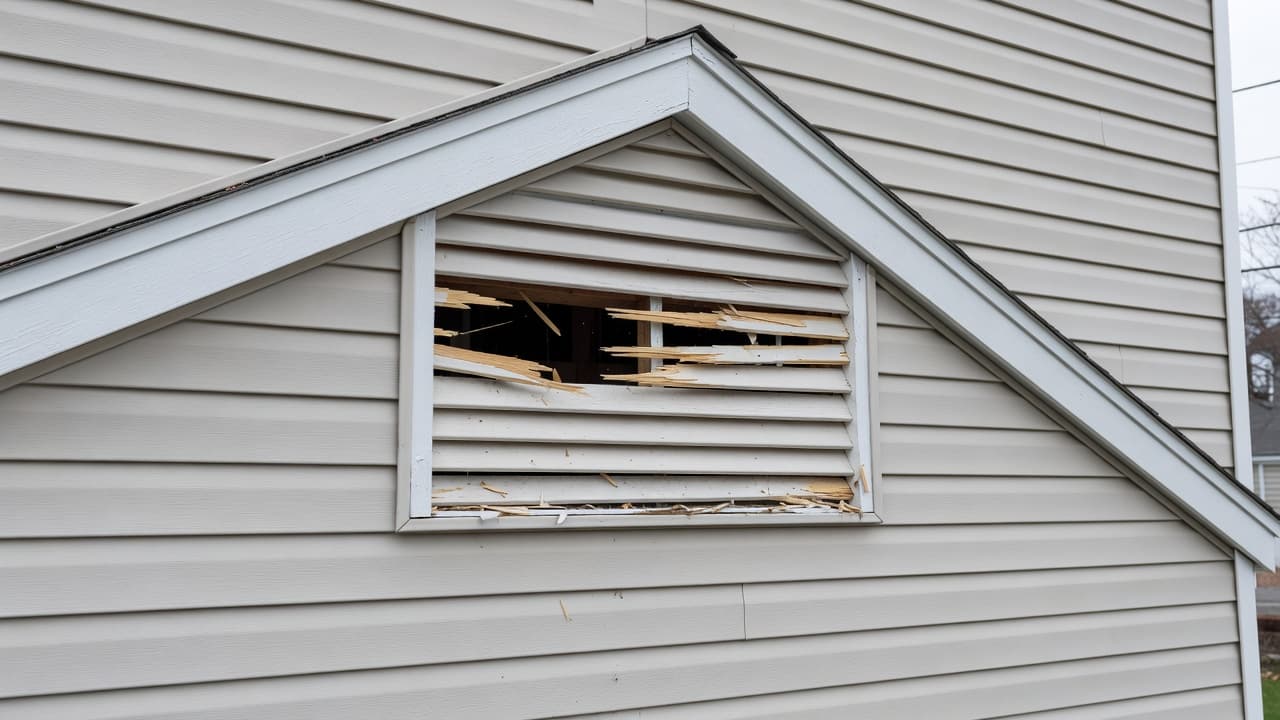
This applies to homes with gable end vents that are cracked, missing, bent inward, pulled loose, or allowing rain into the attic after high winds. It is common on older Saint Paul homes with wood, aluminum, or vinyl vent frames. A broken screen also matters because pest entry, including birds and squirrels, as well as wind-blown debris can enter the attic.
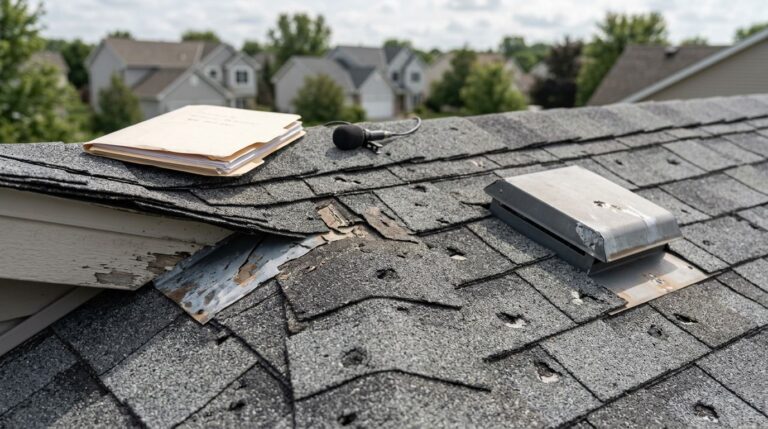
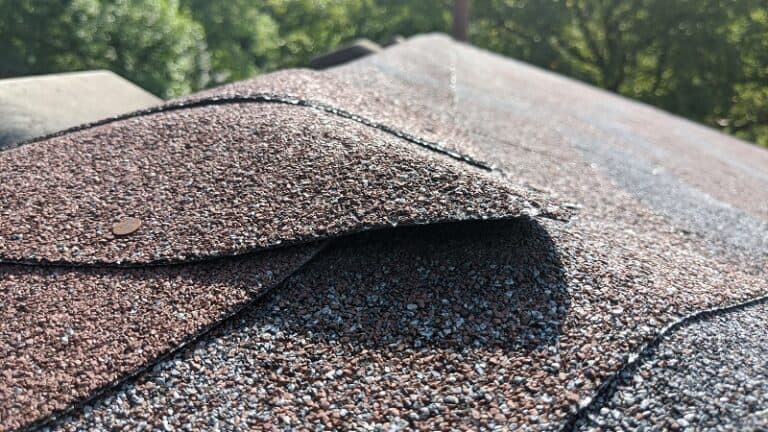
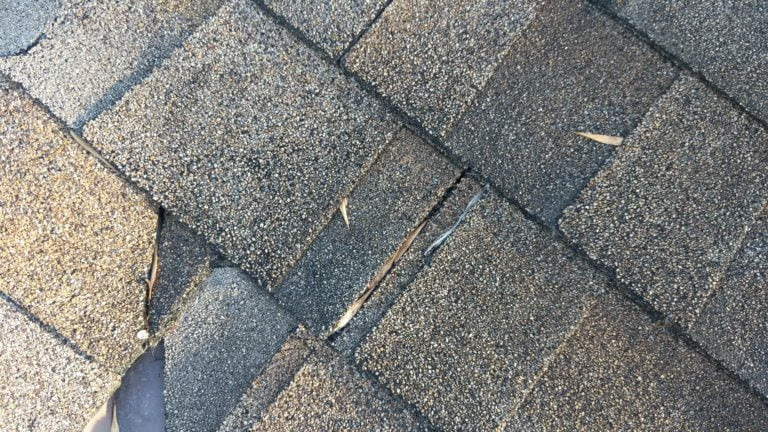
The damage may be isolated to the vent. It may also be one visible part of a larger storm damage roof problem. Wind pushes hardest at roof edges, gable ends, ridges, and transition points. Check for lifted shingle tabs, exposed nails, loose fascia, damaged rake metal, and siding that has pulled away near the vent.
A vent that looks intact can still leak around its perimeter, leading to hidden water intrusion and damp roof sheathing. The fasteners may have backed out, the flange can separate from the siding, or wind-driven rain can enter through distorted louvers. Water often reaches insulation before it leaves a visible ceiling stain, and long-term moisture can eventually trigger mold growth and reduce home energy efficiency.
When a gable vent is not the real source
This guidance doesn’t replace a full roof inspection when water appears after every rain, the attic smells damp, or staining is far from the gable wall. A leak near the ridge, chimney, flashing, or roof penetration can travel before it shows inside.
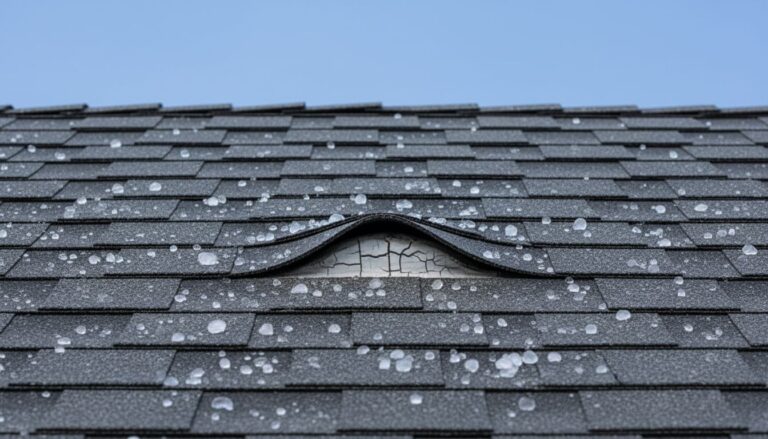
A hail damage roof needs a different review. Hail can crack a plastic vent, bruise shingles, dent metal, or damage flashing without the same wind-lift pattern. Ice buildup is another separate concern. Ice dam removal may stop water backup, but it doesn’t repair a wind-damaged vent or failed roof detail.
Step-by-Step
1. Document the vent and the surrounding damage
Start from the ground. Take wide photos of each gable end, then closer photos of broken louvers, bent frames, missing screws, torn screens, and displaced trim. Capture the roof slope above the vent and the siding below it.
Inside, use a flashlight to inspect the attic floor, insulation, roof sheathing, and framing near the gable. Look for fresh water tracks, darkened wood, wet insulation, attic moisture, or daylight around the vent opening. Don’t step on ceiling drywall or loose attic framing.
Write down the storm date, the time you first saw damage, and any active leaking. If you have security footage, weather alerts, or a neighbor’s photo of debris, save copies. This record helps separate fresh storm damage from old wear.
2. Stop water without erasing the evidence
If rain is entering, protect the interior first. Move belongings, place containers under drips, and shut off power to affected circuits if water is near a light fixture. Don’t climb onto a wet roof or attempt repairs during a thunderstorm.
A temporary exterior cover, secured without driving unnecessary fasteners through the roof, can reduce further loss. Proper weatherproofing protects the home against wind-driven rain until permanent repairs begin. Keep the damaged vent section if it comes loose. Throwing it away removes useful evidence of the failure.
For active leaks or a vent opening that leaves the attic exposed, Call 651-703-2336 for 24/7 Emergency Roofing. Emergency dry-in is appropriate. Broad permanent work should wait until the cause and extent are clear.
A small ceiling stain does not prove a small roof problem. Wind-driven rain can enter at the gable, ridge, or flashing and travel across framing before it appears indoors.
3. Check the roof system, not only the vent
From the ground, look for shingle lines that appear uneven, missing tabs, lifted ridge caps, torn underlayment, or debris caught in gutters. On metal roofing, check for loose trim, displaced closure strips, bent rake metal, and open fasteners.
A professional should inspect the attic ventilation path as well. Gable vents can work on simple roof shapes, but wind can create uneven airflow. Evaluating the ridge vent, soffit vents, and overall attic ventilation helps determine if the roof needs a balanced intake-and-exhaust plan rather than a quick replacement of the same vent. Review the Minnesota attic ventilation guidelines before changing vent size or adding another exhaust vent.
If the finding is limited to the vent flange, siding, or a few shingles, residential roof repair may be enough. Multiple lifted areas, brittle shingles, wet decking, or recurring leaks can move the discussion toward residential roof replacement.
4. Match the repair to the building and roof material
Most gable vent repair projects involve replacing the damaged vent, fastening it to sound backing, sealing the exterior flange correctly, repairing trim, and restoring the weather barrier behind the siding. Proper vent installation, including a drainable louver when required by exposure levels, ensures long-term performance. The roof area above the vent still needs inspection, because water can bypass a new vent through damaged flashing or roof edge details.
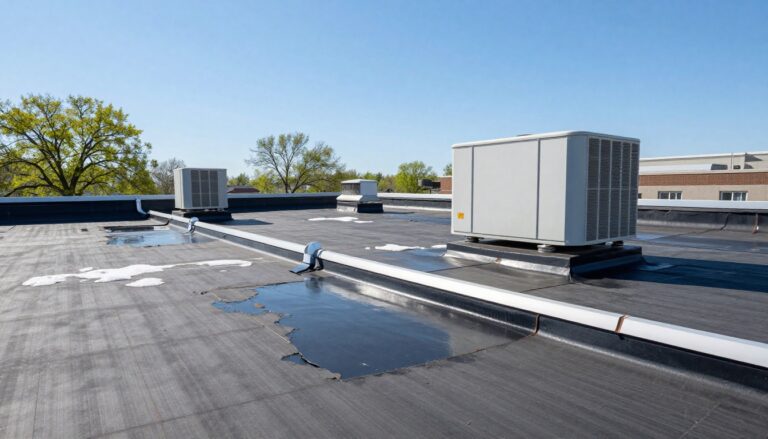
A home with a small detached office, retail space, or apartment addition may have a commercial flat roof next to a pitched gable. Don’t apply shingle repair logic to a low-slope membrane. TPO roofing, EPDM, modified bitumen, and BUR can fail through lifted seams, split flashings, loose edge metal, punctures, and concealed wet insulation.
That situation calls for a commercial roof inspection and, where needed, commercial leak detection. A targeted commercial roof repair may solve an isolated opening. Widespread wet insulation or repeated seam failure can support commercial roof replacement.
Commercial roof restoration and commercial roof coatings can extend the service life of a sound membrane. They don’t correct a fresh wind opening, saturated insulation, or failed attachment. For a low-slope building that needs a documented review, Get a Free Commercial Roof Inspection.
5. Handle insurance with a clean, cause-based file
Contact your insurer promptly if the wind event caused an opening, broken vent, roof damage, or interior water damage. Describe what you know: “Wind damaged the gable vent and rain entered the attic.” Avoid broad statements before an inspection confirms the full scope.
Give the carrier photos, dates, emergency invoices, damaged materials, and a written contractor finding. A useful wind damage insurance claim guide explains why photos, roofing repair documentation, and the difference between replacement cost and actual cash value matter when assessing water intrusion.
A prior repair doesn’t erase coverage for new wind damage. The question is causation. If the insurer finds old sealant failure at one location but fresh wind damage at another, part of the claim may still be covered.
For a home repair scope, Get a Free Residential Roof Estimate. Ask for photos and a written explanation of whether the work is limited repair, section replacement, or full re-roofing.
Final Thoughts
Fix the opening, then confirm the whole system
A broken gable vent is easy to underestimate. The visible damage may be a simple replacement, but the attic, roof edge, flashing, and siding determine whether the home is dry after the next storm. Addressing issues like gable vent repair and inspecting the gable overhang ensures your entire structure remains protected.
For Saint Paul roofing, Minneapolis roofing, and wider Twin Cities roofing work, verify credentials before signing a contract. Ask about union-built roofing, GAF certified status, IUPAT Local 96 affiliation, and active MN License 803862 credentials. Ensuring proper roof ventilation and maintaining home energy efficiency are key when hiring professionals. Good Minnesota roofing work documents the damage, protects the home, and repairs the full water path.
FAQs
Can I replace a wind-damaged gable vent myself?
You can handle a basic gable vent repair yourself if the siding, roof sheathing, and roof above it are undamaged. Don’t use a DIY repair for active leaks, broken roof decking, loose shingles, or a vent opening high above the ground. Those conditions need safe access and a full weatherproofing review.
Will homeowners insurance cover a damaged gable vent?
Sometimes. Coverage usually depends on whether wind, hail, falling debris, or another covered event caused sudden damage. Coverage is weaker if the vent failed from age, rot, poor installation, or long-term water entry. Dated photos and storm records make the cause easier to establish.
What if the attic is wet but there is no ceiling stain?
Treat it as active water intrusion until proven otherwise. Wet attic insulation can hide damage for weeks before it reaches the ceiling. Photograph the condition, avoid compressing the material, and have the roof, vent flange, siding, and attic sheathing inspected before mold or wood deterioration spreads.
Can a gable vent cause ice dams?
Not by itself. Ice dams usually involve heat loss, air leakage, poor attic ventilation, snow cover, and refreezing at cold roof edges, which can sometimes lead to condensation issues. A damaged vent can let snow or wind-driven moisture into the attic, which adds another problem. Repair the opening, then assess insulation and air sealing.
How quickly should wind damage be repaired?
Repair it as soon as weather permits, especially after high winds when the screen is missing, the louvers are broken, or rain can enter. Temporary protection should happen the same day when there is an active leak. Permanent repairs should follow documented inspection findings, not guesswork.
Need a roof inspection in Saint Paul or the Twin Cities? Call Sellers Roofing Company at +1-651-703-2336 or schedule a free estimate. We are a black-owned, NMSDC-certified MBE roofing contractor with 9+ years experience.