Last updated: 2026-11-19 by Ted Sellers, Owner
Yes, asphalt shingles can seal properly after cold-weather installation in Minnesota, but the factory adhesive may not bond until warmer weather returns. Correct fastening and manufacturer-specified hand sealing protect vulnerable shingles during that delay.
GAF notes that fall- or winter-installed shingles may remain unsealed until spring. Roof exposure, sunshine, and installation conditions determine whether waiting for that bond is acceptable.
What Actually Causes Delayed Shingle Sealing in Harsh Winter Climates?
Cold slows the factory seal strip
Asphalt shingles use nails for mechanical attachment and a factory sealant strip to bond overlapping courses. That bond helps resist wind lifting the exposed shingle edge.
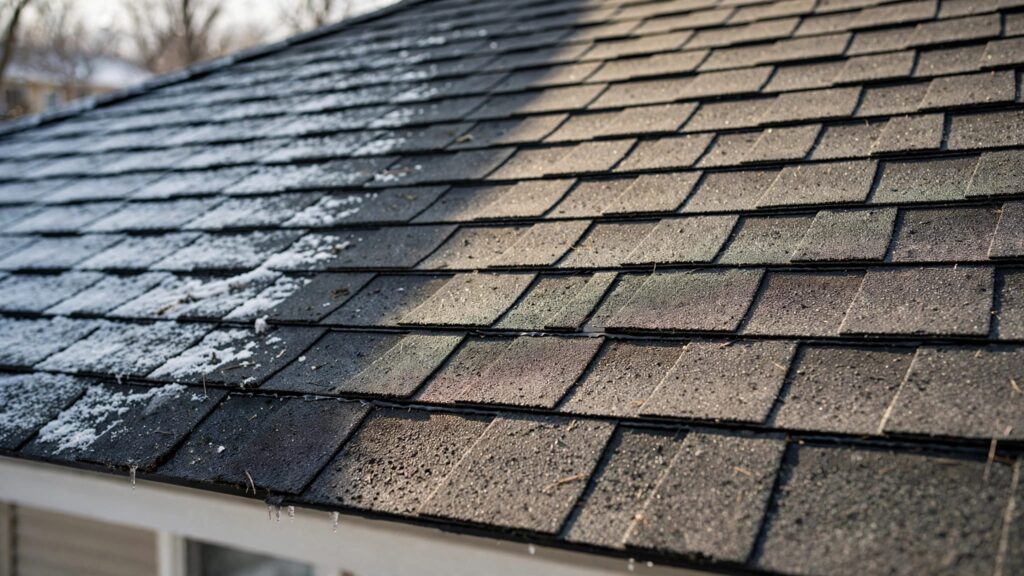
Cold weather stiffens the shingle and slows adhesive activation. However, outdoor air temperature alone doesn’t determine sealing. A sunny, south-facing slope can warm faster than a shaded north-facing slope.
GAF’s temperature extremes bulletin explains that sealing time depends on roof slope, orientation, and sun or heat exposure. There isn’t one dependable sealing deadline for every Minnesota roof.
Wind and ice create separate problems
Before the adhesive bonds, wind can lift unsecured tabs and repeatedly flex them. That movement can crease the fiberglass reinforcement or loosen fasteners.
Meanwhile, attic heat can melt rooftop snow. The runoff refreezes at colder eaves, creating an ice dam. Backed-up water can then move beneath shingles, including properly sealed ones.
Freeze-thaw cycling adds stress, but an ice-dam leak doesn’t prove that the shingle seal failed. The inspection must separate adhesive problems, damaged shingles, and water backing up at the eave.
When This Applies
When cold-weather shingle installation makes sense
Winter work can be reasonable when missing shingles, active leaks, or storm damage leave the building exposed. A dry weather window may allow a residential roof replacement before further water reaches the decking or insulation.
It also applies to steep-slope shingle sections on apartment buildings, offices, and mixed-use properties. The deciding conditions are the roof’s condition, safe access, and the installation requirements.
Our winter roof replacement guide covers preparation before tear-off and protection while the deck is exposed.
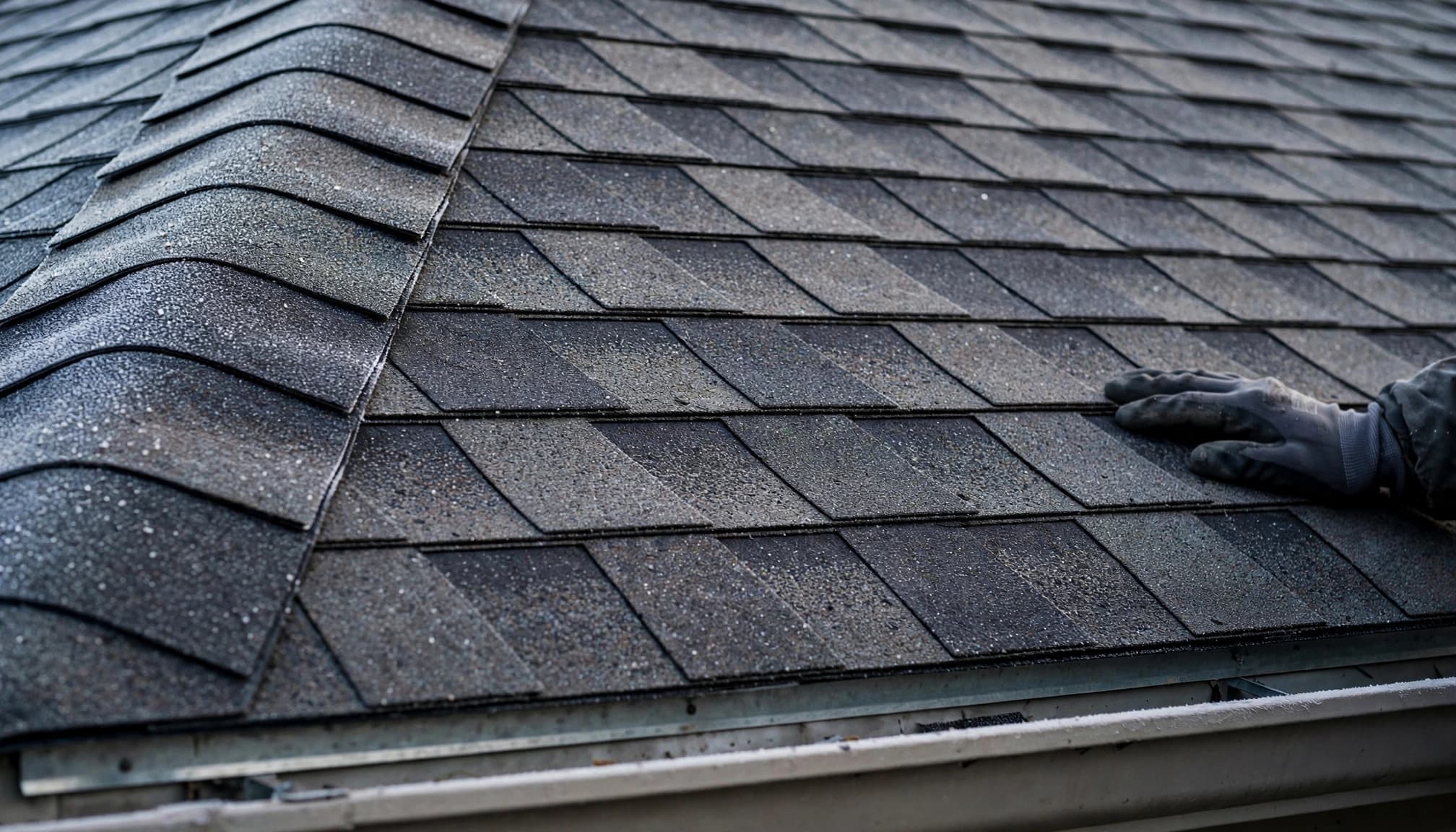
Roof images are illustrative, not records of our completed projects.
When postponing is the better decision
A snow-covered, icy, or wet deck isn’t ready for shingle installation. Strong winds can also make handling materials and maintaining a watertight work area unsafe.
If the existing roof remains serviceable, postponing elective work can avoid brittle handling and delayed sealing. Where immediate protection is necessary, temporary dry-in may be safer than proceeding with full replacement during unsuitable conditions.
This guidance doesn’t establish installation rules for metal roofing or membrane systems.
How to Inspect and Document the Damage
Start indoors and at ground level
Look for ceiling stains, wet insulation, and attic frost before anyone accesses the roof. Record where water appears and whether it follows snowfall, thawing, rain, or wind.
Then photograph each roof elevation from the ground. Binoculars can reveal missing shingles or lifted edges without exposing you to a fall. Don’t climb onto a winter roof to test adhesive bonds.
Follow a consistent roof inspection sequence
A contractor’s field checklist should cover:
- Record deck deflection, uneven roof planes, and soft areas before proceeding across them.
- Inspect eaves, rakes, and valleys for ice backup, damaged edges, trapped debris, and drainage restrictions.
- Photograph granule-loss patterns, creases, tears, exposed fasteners, and lifted tabs.
- Examine flashing separation at walls and chimneys, then document pipe-boot cracking and ridge details.
- Record seal-strip condition and affected slopes without forcing cold shingles upward.
Minnesota’s residential inspection checklist includes sheathing, ventilation, flashing, and ice-barrier details. Those components matter because several different defects can produce the same interior stain.
Step-by-Step
Establish whether the shingles remain repairable
- Identify the installed shingle product and installation date. Separate delayed sealing on new shingles from broken bonds on an older roof.
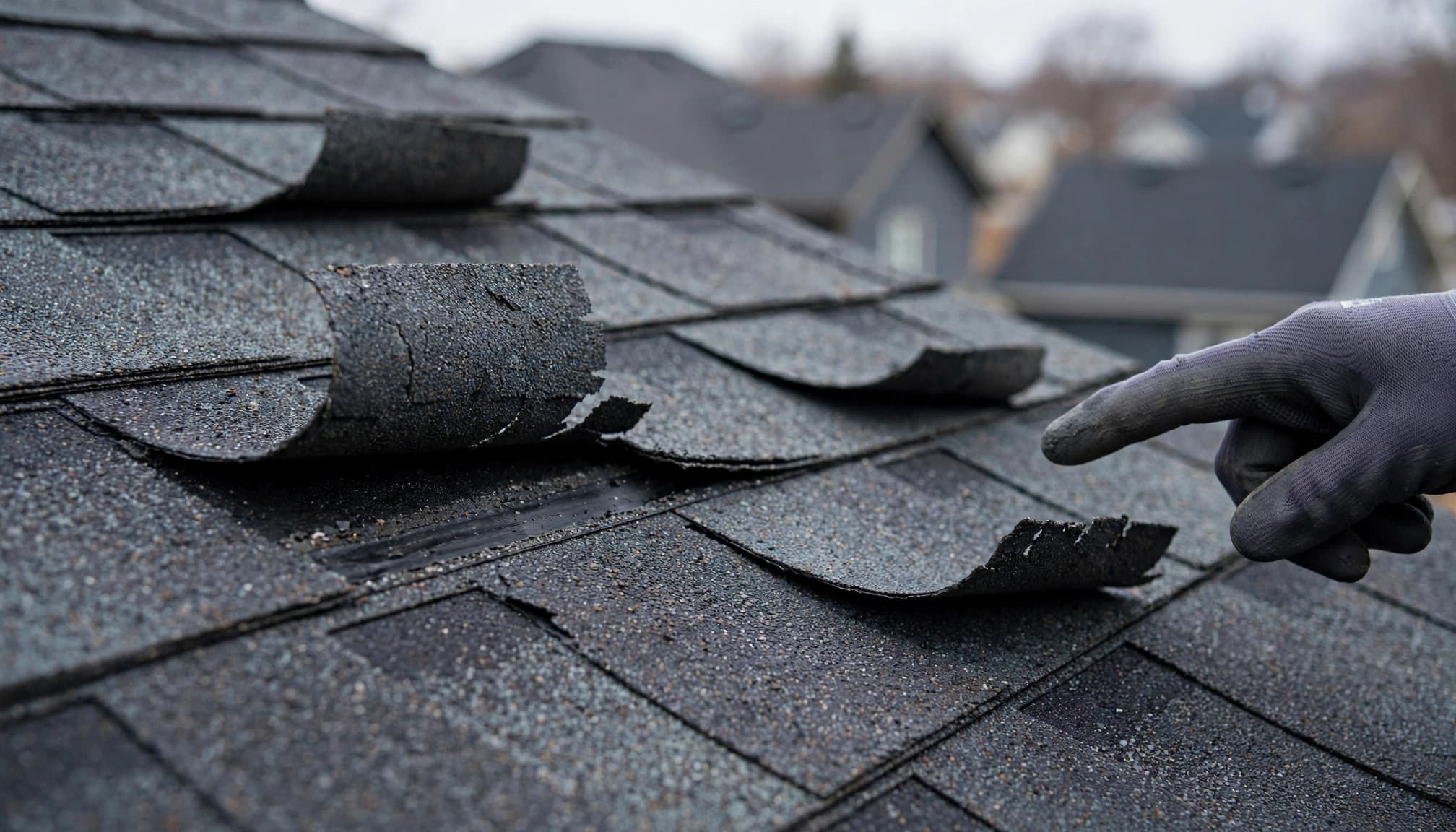
- Map affected slopes and document cracks, creases, pulled fasteners, or contamination along the adhesive strip.
- Determine whether the shingles remain flexible enough for repair. Postpone manipulation when cold material could fracture during inspection.
Protect the roof before waiting for warmer weather
- Replace torn, creased, or missing shingles. Adhesive cannot restore damaged reinforcement or correct defective fastening.
- Hand-seal sound shingles where the manufacturer’s instructions require it. Use the specified cement, quantity, and placement rather than a continuous bead of general-purpose caulk.
- Schedule a follow-up inspection after suitable warming conditions. Record whether tabs bonded and whether any edges continue moving in wind.
GAF’s cool-weather installation guidance identifies hand sealing with approved asphalt cement as a cold-weather measure.
A promise that “spring will fix it” doesn’t address shingles already flapping, cracking, or losing fasteners.
Repair vs. Replace: The Decision Framework
When localized repair is reasonable
Residential roof repair can address isolated unsealed tabs when shingles remain intact, properly fastened, and compatible with the repair material. Age alone doesn’t decide repairability.
Use these factors to separate localized work from a broader replacement scope.
| Factor | Localized repair | Full replacement |
|---|---|---|
| Cost basis | Affected area, access, and mobilization | Planning allowance of $450 to $900 per roofing square |
| Remaining service life | Preserves the existing roof’s remaining life | Starts a new roof-covering service period |
| Insurance implications | Depends on covered damage and deductible | Requires support for the full replacement scope |
| Material compatibility | Requires compatible shingles and adhesive | Allows a coordinated roof system |
A small repair doesn’t price proportionally to a full roof because access and mobilization remain necessary.
When replacement has stronger support
Replacement becomes more reasonable when shingles fracture during repair, damage affects broad areas, or fastening defects repeat across a slope.
A hard crease means the material has sustained damage even if someone can press it flat. Widespread rot or unstable decking also requires more than resealing.
However, winter installation by itself doesn’t justify tearing off an otherwise sound roof. The recommendation should identify the failed components and explain why localized work won’t provide a durable correction.
Material Specs That Matter for This Repair or Replacement
Shingles and hand-sealing requirements differ
GAF Timberline HDZ, CertainTeed Landmark, and Malarkey Legacy aren’t interchangeable installation specifications. Legacy’s Class 4 impact rating addresses laboratory impact resistance, not cold-weather adhesive activation or a guarantee against hail damage.
For Timberline HDZ, GAF’s instructions specify four quarter-sized adhesive dabs at defined underside locations when hand sealing is required. Excess cement can blister shingles. Owens Corning Oakridge instructions use their own perimeter hand-sealing requirements.
Our GAF and CertainTeed comparison explains broader product differences. Brand selection doesn’t compensate for incorrect nailing or poor detailing.
Underlayment has separate temperature limits
Synthetic underlayment and asphalt felt provide secondary protection. Neither replaces required ice-barrier coverage or correct flashing.
The Minneapolis roofing handout requires the eave ice barrier to extend at least 24 inches inside the exterior wall line. That measurement doesn’t begin at the gutter. Wide overhangs require additional coverage.
Valleys need the specified underlayment and flashing assembly. The eave measurement isn’t a universal valley-width specification.
GAF’s cool-weather leak-barrier bulletin gives dry-deck and temperature guidance for StormGuard and WeatherWatch. Shingle installation flexibility doesn’t override a membrane’s application limits.
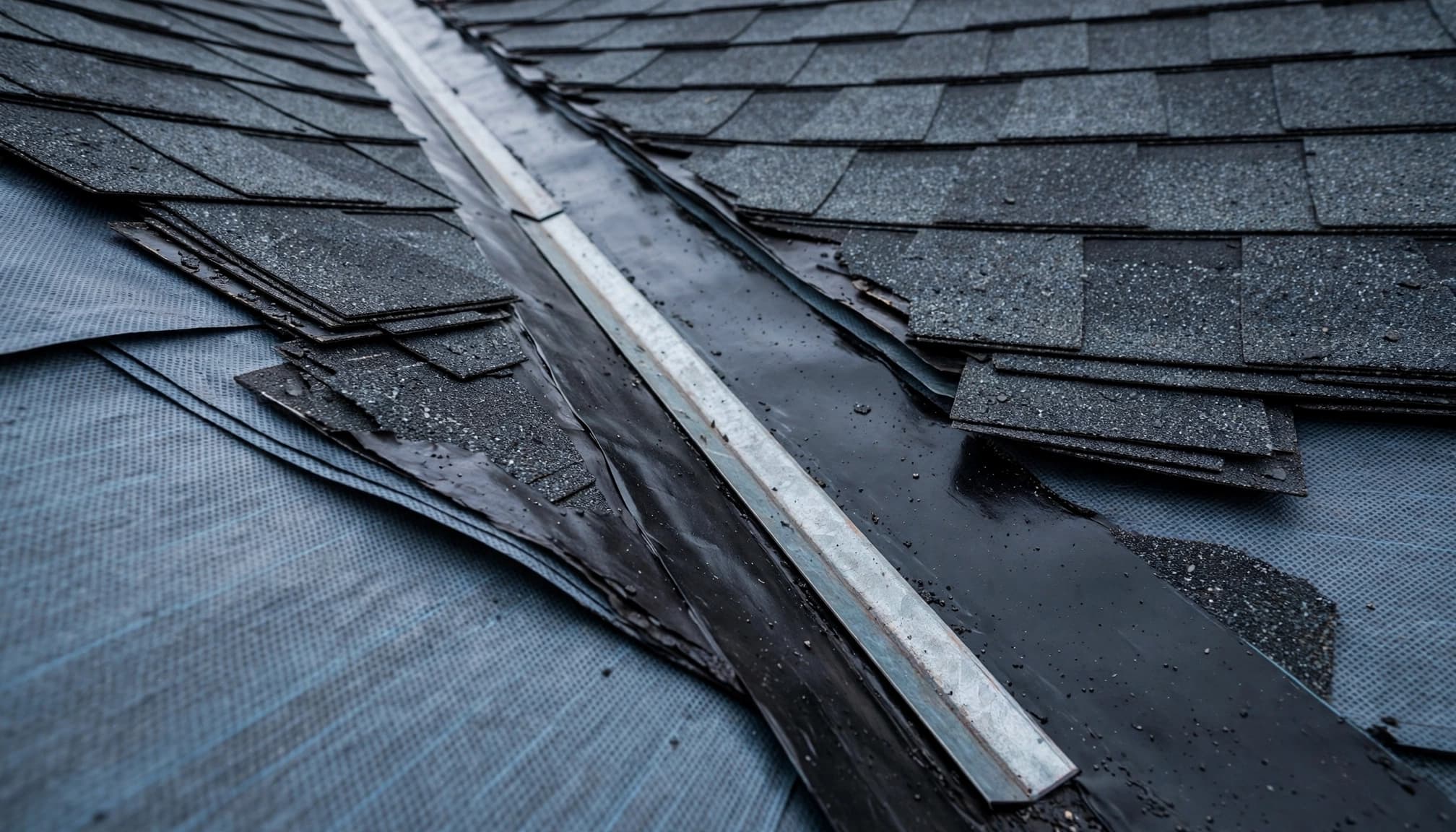
Layering illustration only, not a fastening or flashing specification.
Insurance Documentation and the Claim Process
Separate delayed sealing from storm damage
An unsealed adhesive strip doesn’t establish a covered loss. Adjusters evaluate the reported event, physical damage, policy terms, and whether the damage supports repair or replacement.
A contractor’s report should distinguish manufacturing condition, installation defects, ordinary weathering, and storm-related damage. A wind-creased tab presents different evidence than an intact tab awaiting adhesive activation.
For a hail-damage roof assessment, isolated granule loss alone doesn’t establish impact damage. The report needs the condition of the shingle mat and the pattern across the roof.
Photograph context before close-ups
Document each affected slope, then take detail photographs of hail strikes, wind-lifted tabs, creases, and damaged accessories. Include wider views so an adjuster can locate each detail.
Photograph interior water intrusion, wet insulation, and damaged finishes before cleanup when safe. Keep installation records, storm dates, repair invoices, and temporary-protection receipts together.
A roof insurance claim should explain what failed and the evidence for its cause. Coverage doesn’t follow automatically from a contractor’s repair recommendation, and cosmetic appearance alone doesn’t establish functional damage.
What a Professional Roof Contractor Does Differently
The scope addresses the deck and fasteners
During tear-off, a contractor inspects exposed decking before covering it. Rotted sheathing requires removal back to sound material and supported panel edges, followed by compatible replacement decking.
For retained shingles, the inspection addresses nail placement, penetration, and seating. High nails or overdriven fasteners can leave shingles vulnerable even after adhesive bonds.
GAF’s seasonal Timberline HDZ guidance identifies hand sealing with cement meeting ASTM D4586 Type I or Type II. The product instructions determine the application pattern.
Ventilation and penetrations remain part of the job
A ventilation assessment uses net free ventilating area, not the visible dimensions of a vent cover. The general baseline is 1:150, with 1:300 permitted when applicable code conditions are satisfied.
A complete replacement scope also addresses damaged pipe boots, flashing, and blocked intake paths. Reusing cracked accessories leaves leak sources beneath a new roof covering.
At Sellers Roofing Company, our approach is to assess the roof before recommending replacement. Our Saint Paul roofing scopes explain the proposed work, materials, and price in writing.
Cost Ranges for Cold-Weather Shingle Installation in Minnesota
Replacement budgeting starts with roof area
Use $450 to $900 per roofing square as an initial architectural-shingle replacement allowance, not a project quote. One roofing square equals 100 square feet of roof surface.
That allowance doesn’t establish a universal November 2026 price for Twin Cities roofing. Roof geometry, material selection, and the work beneath the shingles determine the actual scope.
Localized hand sealing or shingle replacement requires a separate repair scope. Applying a full-roof square rate to several loose tabs won’t produce a dependable repair budget.
Winter conditions change labor and protection needs
Deck deterioration, steep slopes, difficult access, disposal, and permit requirements affect cost. Winter work can also require snow clearance, protected material storage, additional hand sealing, and temporary weather protection.
A complete estimate should distinguish those items rather than hide them inside an unexplained winter surcharge.
The cheapest scope may omit the work that controls the risk. Compare decking allowances, adhesive requirements, flashing replacement, and follow-up inspection alongside the total price.
Frequently Asked Questions
Will shingles installed in December seal by spring in Minnesota?
They can, but spring isn’t a guaranteed deadline. GAF identifies roof orientation, slope, and sun exposure as factors. Shaded slopes can remain cooler than nearby sunny sections.
Is 40°F the minimum temperature for installing asphalt shingles?
Not universally. GAF recommends temperatures above 40°F for easier handling but describes no practical minimum when appropriate precautions apply. Underlayment and adhesive products can have separate application limits.
Can a heat gun make unsealed winter shingles bond?
Concentrated heat can damage roofing materials and create a fire hazard. Manufacturer-specified hand sealing provides a controlled repair method; torching or improvised heating doesn’t substitute for the required adhesive application.
Does an unsealed shingle mean the roof will leak?
Not automatically. Proper shingle overlap sheds flowing water, while the bond limits wind uplift. However, repeated lifting can tear shingles, and ice-dam backup can cause leakage even where shingles have sealed.
Do these sealing rules apply to a commercial flat roof?
No. TPO roofing with a 60-mil membrane and EPDM systems using 45-mil or 60-mil sheets require different seam and attachment assessments. A commercial roof inspection must evaluate the installed system before commercial roof repair or replacement.
Accepting a Winter Roof Means Accounting for Delayed Sealing
Key takeaways
A Minnesota winter installation can perform properly when the contractor protects the deck, fastens shingles correctly, and addresses the period before factory adhesive bonds. The acceptance decision should rest on the condition of the shingles and the required installation details, rather than the month on the calendar.
Delayed sealing doesn’t justify ignoring active movement or physical damage. Intact shingles awaiting warmth and creased shingles that have flexed in wind need different responses. That distinction determines whether hand sealing, localized replacement, or a broader scope makes sense.
Get a defined repair or replacement scope
For a loose-tab concern, the written scope should identify affected areas, damaged material, and any required hand sealing. It should also explain the follow-up inspection rather than leave performance dependent on an undocumented spring assumption.
If your roof has lifted tabs, missing shingles, or winter leakage, Get a Free Residential Roof Estimate so we can assess the condition before recommending the work.
Need a roof inspection in Saint Paul or the Twin Cities? Call Sellers Roofing Company at +1-651-703-2336 or schedule a free estimate. We are a black-owned, NMSDC-certified MBE roofing contractor with 9+ years experience.
