Last updated: 2026-08-01 by Ted Sellers, Owner
Yes, an asphalt shingle roof replacement can happen in a Minnesota winter, but the job depends on weather, roof condition, and the crew’s method. Cold air makes shingles stiffer, and the seal strip may take longer to bond. If the day is dry and stable, winter work can be safe and effective. If snow, ice, or deep cold are in the way, waiting is smarter.
When This Applies
Winter replacement makes sense when the roof has active leaks, storm damage, missing shingles, or open areas that leave the deck exposed. It also applies when the roof is too damaged to hold until spring without more water entering the home.
A quick read on the tradeoffs is available in winter roofing basics, which covers the same cold-weather issues many Minnesota owners face.
When a winter replacement makes sense
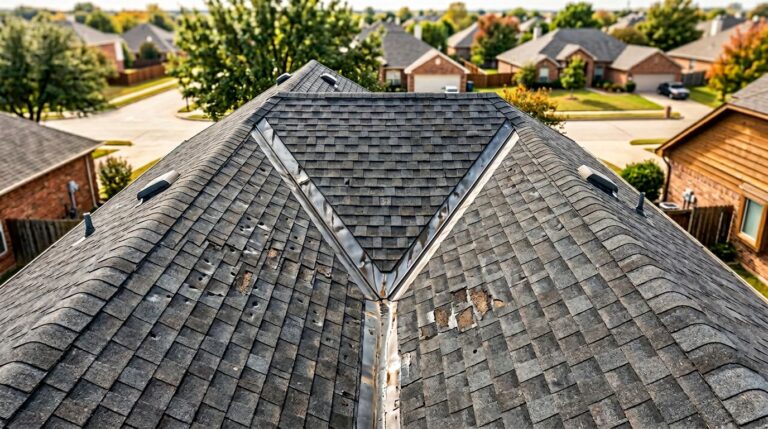
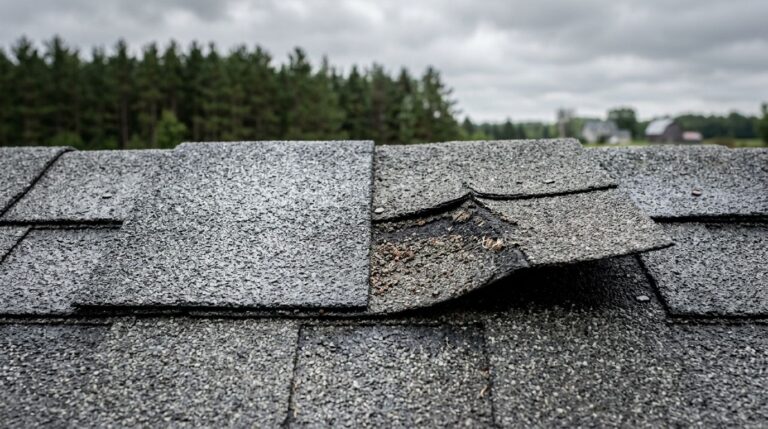
If shingles have blown off, curled so far they no longer lie flat, or cracked in several spots, the roof may not be worth patching. A short window of dry weather can be enough for the crew to tear off the old material, dry in the deck, and install new shingles before the next system moves through.
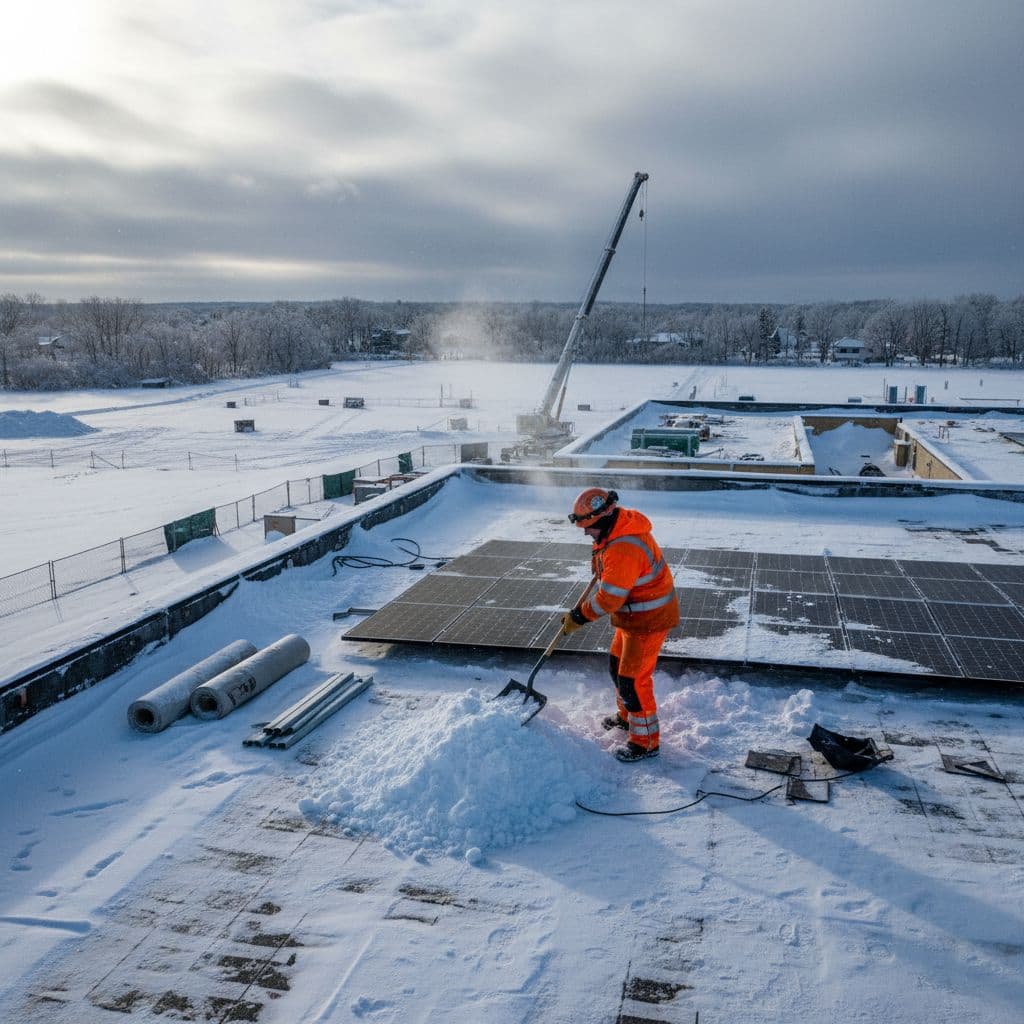
A winter install can work, but the roof deck and the weather window set the pace.
When you should wait
A roof that is buried under snow, glazed with ice, or taking strong wind should usually wait for a better day. Shingles are more likely to crack when handled in extreme cold, and nail placement matters more because the roof has less forgiveness. If the forecast turns wet, the job can get messy fast.
The safest choice is often a temporary dry-in first, then a full replacement when conditions improve. If the same roof is only showing surface wear, spring may be the better time to schedule the work.
What changes if other roof types are also involved
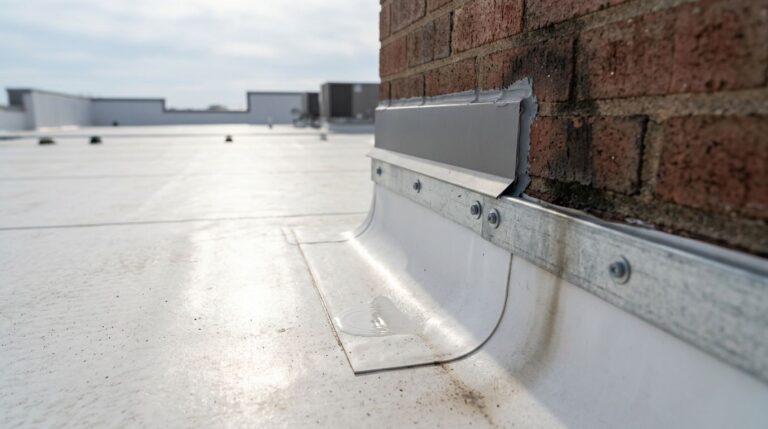
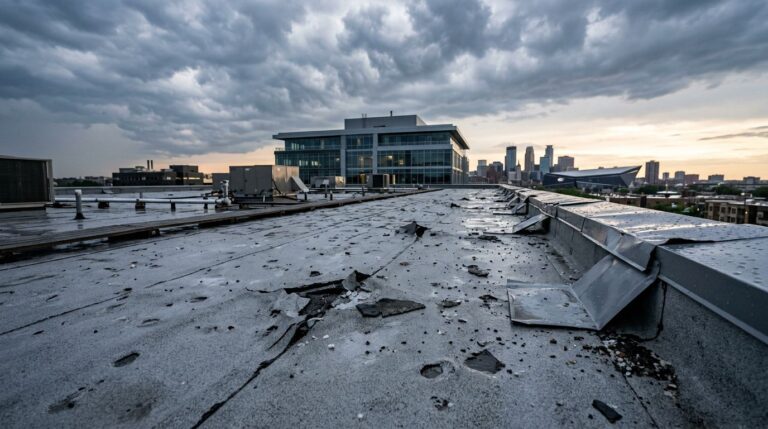
If your site also has a separate low-slope roof, keep that scope separate. A commercial roof needs repair often follows a different path than shingles. That kind of job may call for commercial flat roof repair when the damage is isolated, or commercial roof replacement when the damage runs across the field.
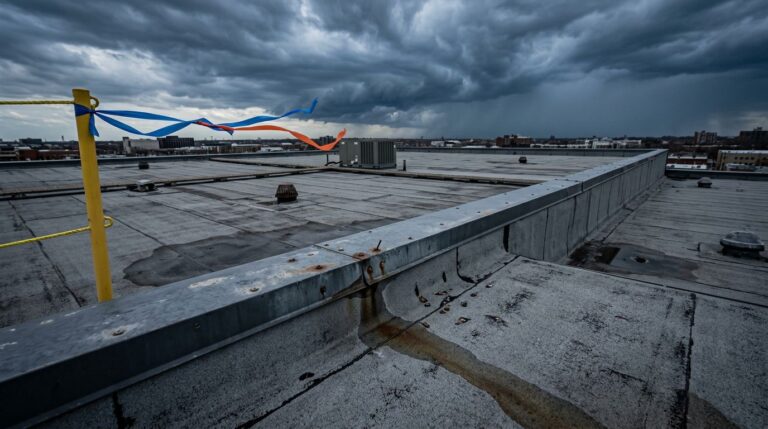
Hidden moisture can also hide under the surface for a long time. If the leak source is not clear, professional leak tracing matters before anyone makes a final call. For a Minnesota-specific example, winter roof replacement in Minnesota explains why emergency work sometimes starts before ideal weather arrives.
Step-by-Step
Set the job up before anyone tears off shingles
A winter roof job works best when the plan is tight from the start. Every hour matters more in January than in June, because daylight is short and conditions change fast.
- Confirm whether the roof needs replacement or repair.
Look at the age of the roof, the number of missing shingles, and the size of the damaged area. A few scattered problems may call for repair, but widespread cracking, cupping, or repeated leaks usually push the job toward replacement. Ask for photos and a plain explanation of why the roof needs full work instead of another patch. - Check the weather window, not just the calendar.
A cold day can still work if it is dry, calm, and stable. The problem is not winter itself. The problem is wind, snow, frost, and fast temperature swings. A crew that knows cold-weather work will watch the forecast closely and plan tear-off, underlayment, and cleanup around the narrowest part of the day. - Ask how the shingles will be installed in cold weather.
Different manufacturers have different limits, and those rules matter. Ask whether the shingles will be stored warm, how the tabs will be handled, and whether any manual sealing is needed after install. Winter work should follow the product instructions, not guesswork. A roof that looks fine on day one can fail early if the seal strip never bonds properly. - Protect the home before the old roof comes off.
Snow should be cleared where possible, the attic and interior should be protected, and the crew should be ready to dry in exposed areas fast. If the deck is left open too long, a small weather shift can become a bigger interior mess. Good winter planning means tarps, staging, and fast cleanup are part of the job, not extras. - Close the job with a full inspection.
After the shingles go on, check the ridge, valleys, flashings, and edges. Make sure nails are set properly and that no area was left vulnerable. Keep the invoice, photos, and warranty details together. If the roof was replaced because of a storm or leak, those records help later if questions come up about the cause or the scope.
Conclusion
A Minnesota winter does not rule out an asphalt shingle roof replacement. It does, however, demand the right weather, the right materials, and a crew that knows how to work around cold, snow, and short days.
If the roof is leaking now, the goal is to stop more damage first and make the replacement decision with clear facts. When the weather is stable and the roof is failing, winter work can solve the problem before it spreads.
Common Follow-Up Questions
Will shingles seal in cold weather?
They can seal, but the bond often takes longer when temperatures are low. On some jobs, crews hand-seal tabs so wind does not lift them before the adhesive activates. That detail matters because a roof that looks finished still needs time and warmth to lock in. The installer should follow the manufacturer’s instructions, not a one-size-fits-all habit.
Is winter roof replacement more expensive?
Sometimes it is. Snow removal, extra setup, shorter work windows, and more careful material handling can add labor. That said, the real cost depends on roof size, pitch, access, layers, tear-off time, and how much damage is already there. A winter job can still be cheaper than waiting for a leak to spread into insulation, drywall, or framing.
Can a roof be replaced during a snowstorm?
No. A snowstorm creates too many risks for the crew and the building. The roof surface can become slick, the deck can stay wet, and new materials may not install well. If the roof is failing badly, the better move is temporary protection first, then full work when the weather settles. Emergency dry-in work can buy time without forcing a bad install.
How do I know whether I need repair or replacement?
Start with the scope of the damage. A few damaged shingles in one area may still fit a repair. By contrast, widespread cracking, repeated leaks, soft decking, or shingles that are aging out across the slope point toward replacement. If the same roof has been patched more than once, ask whether another repair will just delay the same problem.
What if my building also has flat-roof sections?
Keep the systems separate. Shingle roofs, membrane roofs, and metal roofs fail in different ways, so they need different fixes. If the flat section has hidden moisture or seam failure, it may call for commercial flat roof repair or, in larger cases, commercial roof replacement. A good inspection sorts each roof by its own condition, not by convenience.
Can winter work wait until spring if the leak is small?
Sometimes, but only if the roof stays dry enough to avoid more interior damage. A tiny leak can turn into a soaked ceiling after one storm cycle. If the damage is active, the safer move is temporary protection now and a full repair plan soon after. A small delay is fine when the roof is stable. A wet ceiling usually is not.
Need a roof inspection in Saint Paul or the Twin Cities? Call Sellers Roofing Company at +1-651-703-2336 or schedule a free estimate. We are a black-owned, NMSDC-certified MBE roofing contractor with 9+ years experience.