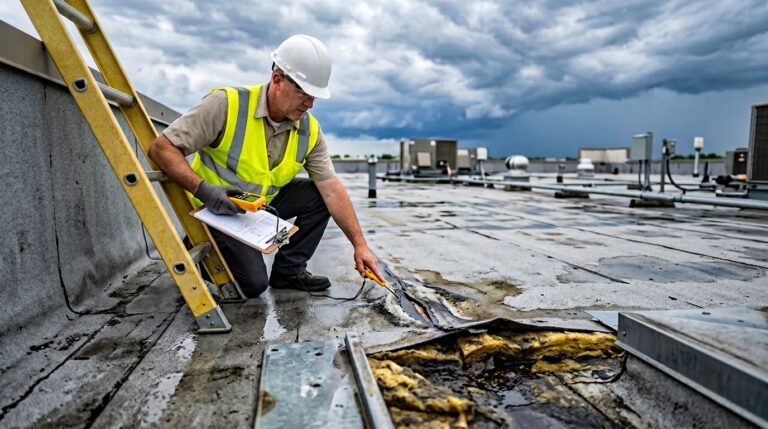
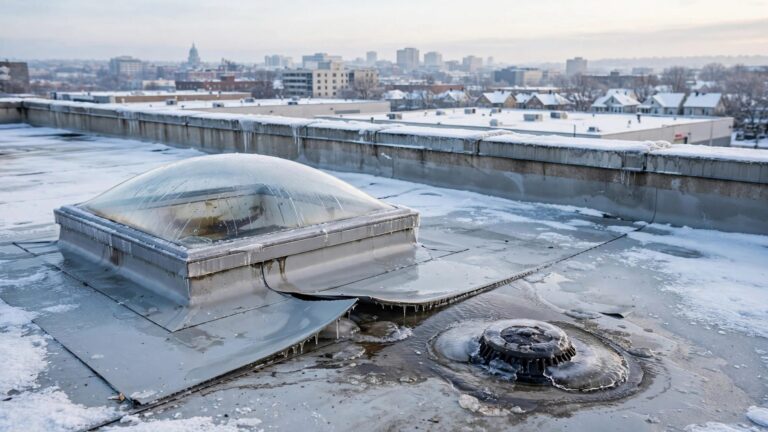
Last updated: 2026-09-28 by Ted Sellers, Owner
Emergency roof tarping is about stopping added water damage, not making a permanent roof repair in a hurry. This guide explains what affects cost and how to document temporary work after a St. Paul storm.
How Much Does Emergency Roof Tarping Cost in St. Paul?
Emergency roof tarping cost in St. Paul depends on roof access, slope, weather, damage size, materials, and whether water is actively entering. Document the roof first when safe, use temporary protection to limit added damage, and keep the invoice for your claim file.
In St. Paul, emergency roof tarping cost is usually $300 to $1,500. A small, accessible tarp on one roof slope often costs $300 to $900. A large, steep, icy, or after-hours job can reach $2,000. The price covers safe access, tarp materials, fastening, crew time, and the conditions at the property.
Water can spread through insulation, ceilings, and wall cavities long before a permanent repair is scheduled. The tarp’s job is simple: stop the loss from growing while the roof is inspected and documented.
When This Applies
Active water entry after sudden roof damage
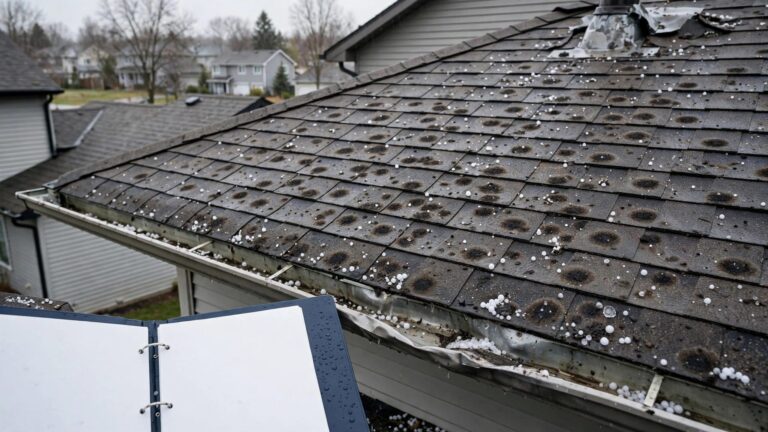
Emergency tarping applies when a fresh opening is letting water into the building. Common causes include a fallen limb, lifted flashing, wind-blown asphalt shingles, a puncture from debris, or a hail damage roof with an active leak.
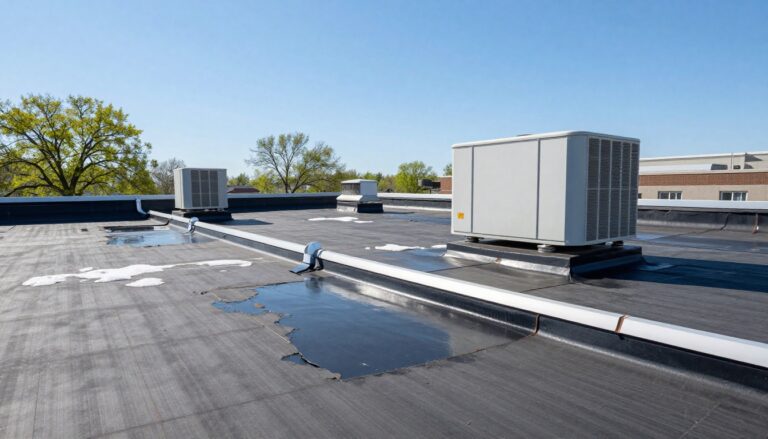
It applies to homes, apartments, churches, retail buildings, warehouses, and any commercial flat roof with water entering occupied space. A tarp can protect ceiling tiles, electrical equipment, inventory, attic insulation, and finished interiors.
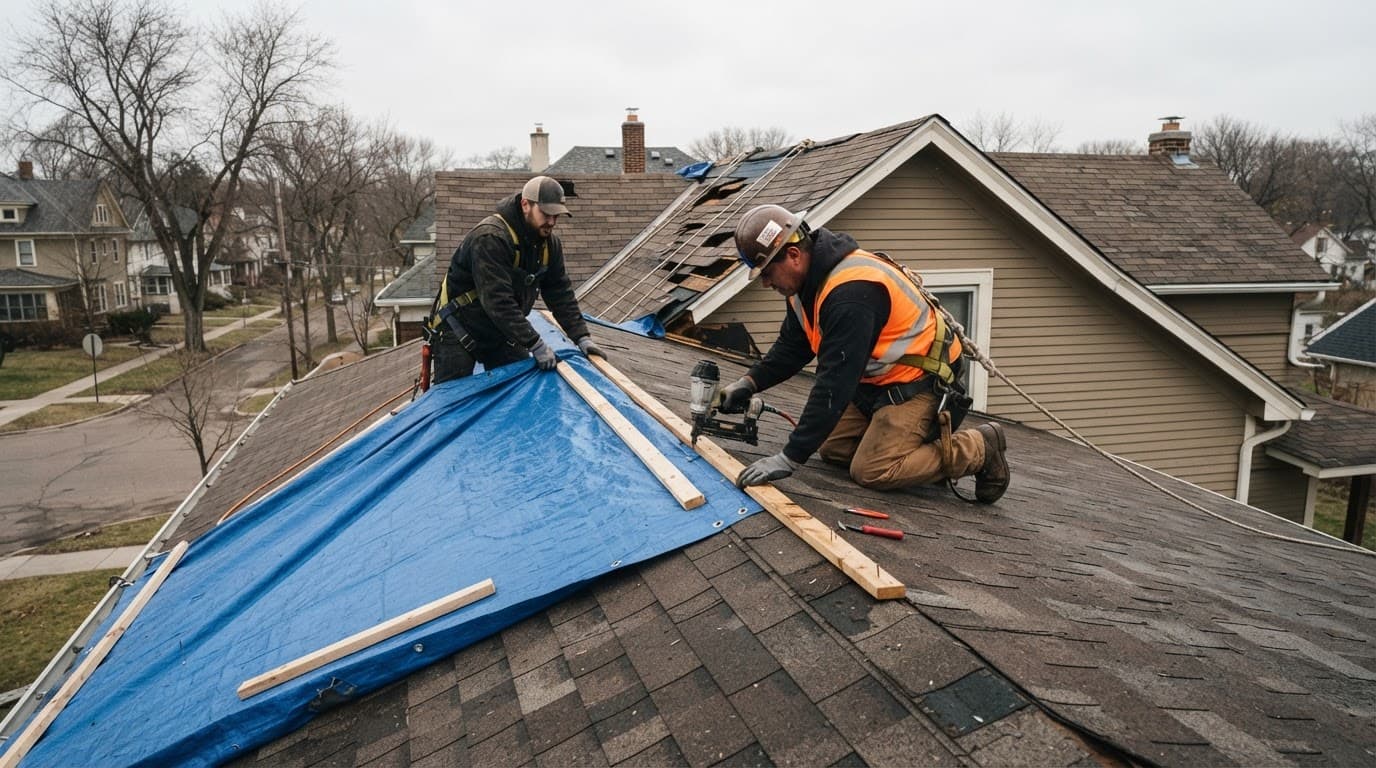
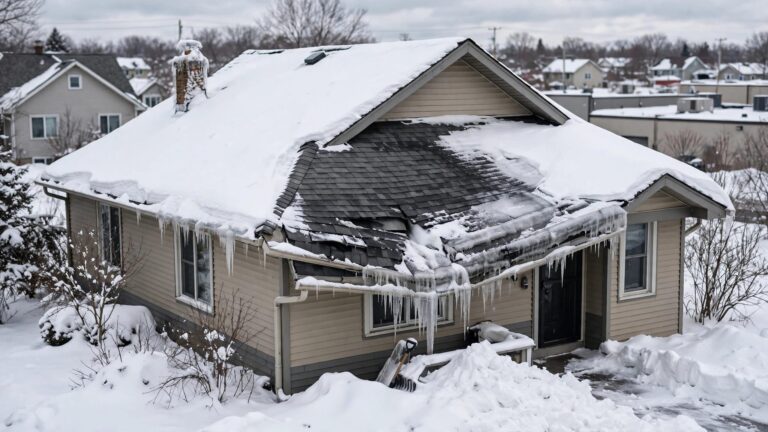
Tarping does not apply as a permanent answer to an old leak, worn-out sealant, chronic ponding, or a roof that is intact but worrying you. A tarp placed “just in case” may not be a reasonable insurance expense. Ice dam removal may also be needed during a Minnesota winter, but it is separate work from covering a storm-created opening.
Saint Paul roofing and Minneapolis roofing calls often happen during high winds, heavy snow, and freeze-thaw cycles. Conditions matter. No one should climb onto a wet, icy, wind-damaged roof during lightning or dangerous wind gusts.
On low-slope systems, the interior drip may be far from the opening. TPO roofing, EPDM, modified bitumen, and BUR can hold water beneath the membrane before it reaches the ceiling. That is why a tarp controls water for the moment but does not diagnose the failure.
Emergency roof tarping cost factors in St. Paul
Roof access and storm conditions set the price
The size of the tarp is only one part of the bill. A one-story home with a low-pitch roof is faster to cover than a steep two-story house with ice at the eaves. Roof height, pitch, access points, damaged decking, wind, darkness, and the distance from the truck all affect crew time.
Typical Twin Cities pricing looks like this:
| Tarping situation | Typical price range | What changes the cost |
|---|---|---|
| Small, accessible roof area during daytime | $300 to $900 | One slope, low pitch, limited damage |
| Larger or steeper damaged area | $600 to $1,500 | More material, roof height, safety setup |
| After-hours or severe storm response | $1,000 to $2,000 | Emergency dispatch, poor weather, added labor |
Expect the emergency roof tarping cost to rise when the crew must work after dark, manage snow and ice, or secure a large section against strong winds. Some jobs also include an emergency call-out fee before material and labor.
A published Minnesota roof tarping service guide makes the important distinction: the tarp limits water intrusion until permanent work can happen. It is not a roof repair disguised as a blue sheet.
Ask for a written price that identifies the covered area, materials, access challenges, and whether a follow-up visit is included. A low verbal estimate can become expensive if the tarp fails after the next storm.
Step-by-Step
Stop the water without losing evidence
- Protect people and the interior first. Move furniture, stock, and electronics away from the leak. Use containers for drips, cover vulnerable equipment with plastic, and shut off affected circuits if water is near electrical fixtures. If water is actively entering, Call 651-703-2336 for 24/7 Emergency Roofing.
- Photograph the damage before anyone changes it. Take wide photos of the building, close photos of missing shingles or flashing, and interior photos of stains or wet materials. Include the date, weather event, and location in your notes.
- Keep the work limited to dry-in. A tarp, temporary seam seal, drain clearing, or interior water control can be reasonable. Do not authorize a full tear-off, broad coating application, or permanent repair before the roof condition is documented.
- Match the contractor to the system. A tarp over metal roofing needs different fastening and protection than one over asphalt shingles. For union-built roofing, ask about crews tied to IUPAT Local 96, GAF certified credentials, and an active MN License 803862. Sellers Roofing Company has operated from 801 Transfer Road in Saint Paul since 2017 and has completed more than 1,100 residential and commercial roofs.
- Schedule the inspection that follows the tarp. A few damaged shingles may need residential roof repair, while widespread brittle or creased shingles can point to residential roof replacement. Homeowners can Get a Free Residential Roof Estimate after the roof is safe and documented.
For safe ground-level actions while help is on the way, review these emergency roof repair steps. Do not treat a do-it-yourself tarp as a reason to access a roof that is slick, structurally damaged, or close to power lines.
Protect the roof insurance claim after tarping
A temporary tarp is mitigation, not restoration
A roof insurance claim may cover emergency tarping when a sudden covered event created the opening. Hail, wind, falling branches, and storm debris are common examples. Coverage gets harder when the carrier finds that age, neglected maintenance, failed seams, or ponding water caused the leak.
Call the insurer promptly, describe the active water entry, and save the tarp invoice. Keep photos, damaged pieces, moisture records, and the roofer’s written findings. A Minnesota emergency tarping overview also recommends inspection and documentation before a permanent repair decision.
On a low-slope roof, the ceiling stain often shows where water exited, not where it entered the roof system.
For a commercial property, start with professional commercial roof leak detection if the source is unclear. Moisture tracing can show whether the issue is a small commercial roof repair or wet insulation that expands the scope.
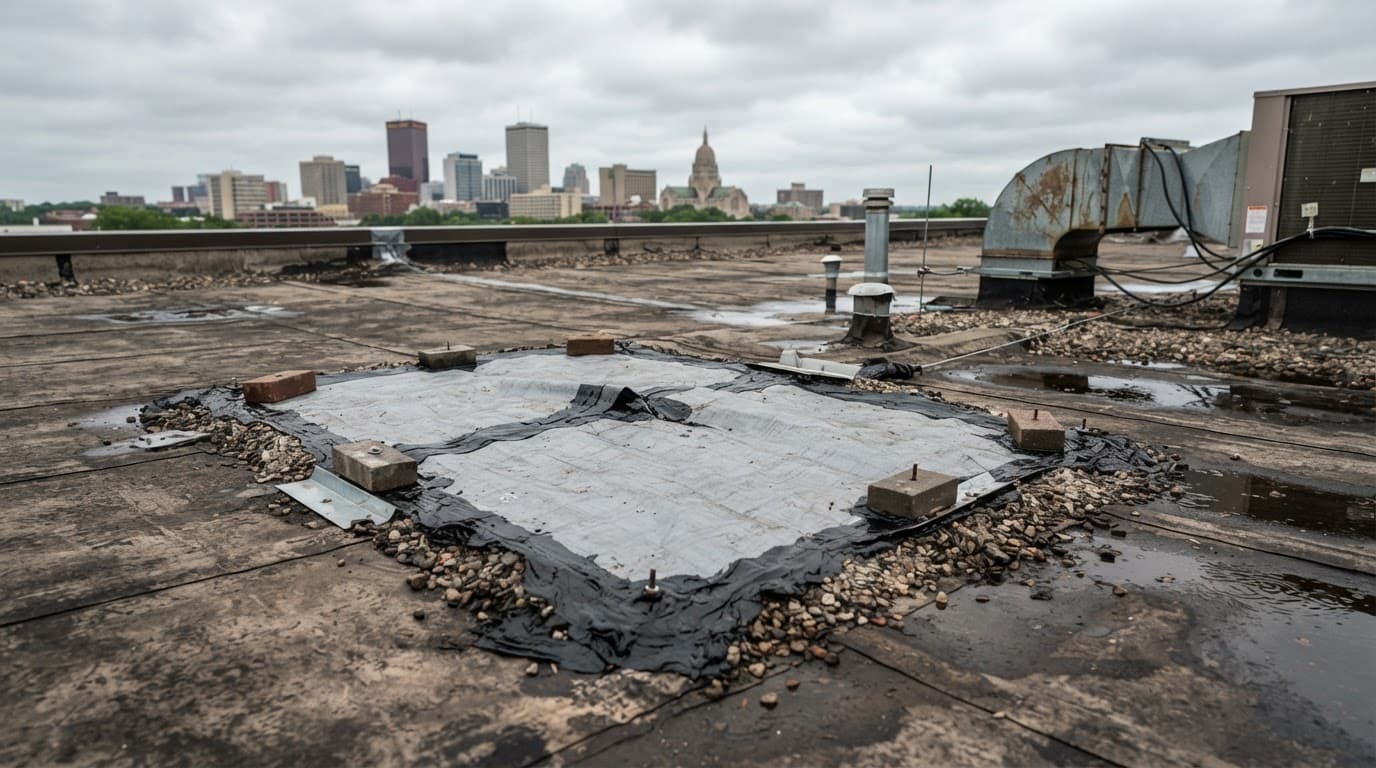
A sound, dry membrane may qualify for commercial roof restoration or commercial roof coatings after repairs are complete. Saturated insulation, widespread seam failure, or damaged deck sections can instead support commercial roof replacement. Property managers can Get a Free Commercial Roof Inspection before approving permanent work.
Minnesota roofing claims are often decided by cause and proof. A fresh storm damage roof loss can still be covered even if the building has older repairs elsewhere. The inspection should separate prior wear from the new opening.
Final cost takeaway
Pay for safe dry-in, then inspect the full system
The right emergency response is not the cheapest tarp. It is a secure, documented temporary cover that keeps water out without hiding the damage underneath.
Most St. Paul properties fall within the $300 to $1,500 range, but roof height, weather, urgency, and damaged area can change that number fast. A tarp buys time, and a complete inspection determines what the roof actually needs next.
Frequently Asked Questions
Will insurance pay for emergency roof tarping?
Often, yes, when sudden covered damage caused an active opening and the tarp limits further loss. Save dated photos, the contractor invoice, weather details, and communication with the insurer. A tarp for old wear or a pre-existing leak may not be covered.
How long can a roof tarp stay in place?
A tarp should remain only while it is secure and weatherproof. Check it from the ground after major wind, snow, or rain. Flapping edges, torn grommets, standing water, and sagging sections mean it needs service or replacement.
Can a tarp damage asphalt shingles?
It can. Tarps can rub against granules, catch wind, or strain shingles if they are poorly secured. Professional fastening matters, especially on steep slopes and during Minnesota winter weather.
Does emergency tarping work on a commercial flat roof?
Yes, as temporary dry-in. Water can move under TPO, EPDM, modified bitumen, or BUR membranes, so the visible interior leak may not identify the actual roof opening. A commercial roof inspection is still needed.
What happens if the adjuster cannot inspect right away?
Keep the tarp in place if it is holding and continue documenting the roof and interior conditions. Avoid broad permanent work until the cause and extent of damage are recorded. Sellers Roofing Company’s Saint Paul roofing team can provide written findings that support a clear repair scope.
For the larger documentation and claim process, read our Minnesota roof storm damage and insurance claims guide.
Need a roof inspection in Saint Paul or the Twin Cities? Call Sellers Roofing Company at +1-651-703-2336 or schedule a free estimate. We are a black-owned, NMSDC-certified MBE roofing contractor with 9+ years experience.