Last updated: 2026-09-22 by Ted Sellers, Owner
After a hailstorm, Minnesota hail damage roof insurance may cover debris removal when tied to covered damage. Coverage depends on the insurance policy, cause of loss, deductible, exclusions, and whether debris damaged the insured structure. Homeowners insurance may cover documented removal, but each roof insurance claim requires review. Hail damage roof insurance terms, including impact-resistant shingles requirements, may also affect eligibility.
Table of Contents
Sections in this guide
- When debris removal coverage applies
- Steps to protect a hail claim
- Deductibles, depreciation, and payment limits
- Commercial roof damage considerations
- Common claim questions
When Does Roof Debris Removal Coverage Apply?
Debris tied to covered roof damage
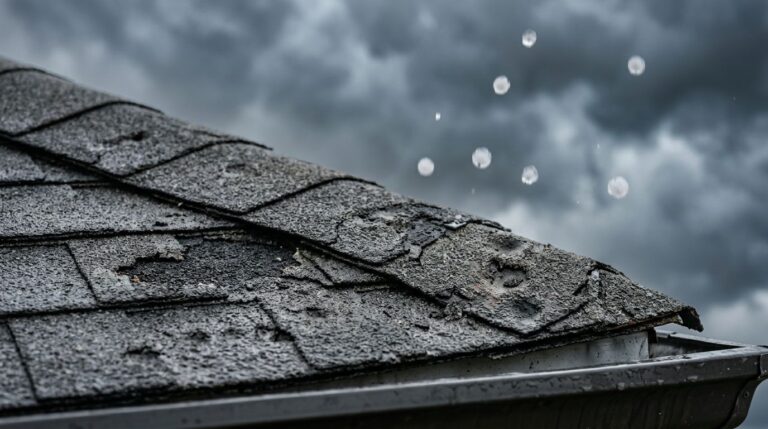
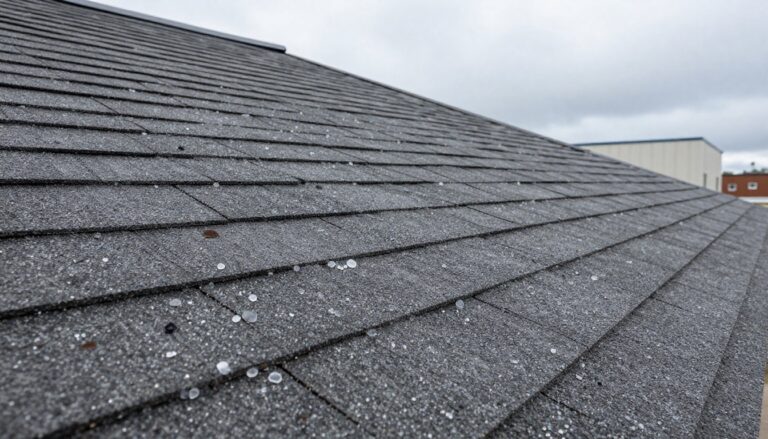
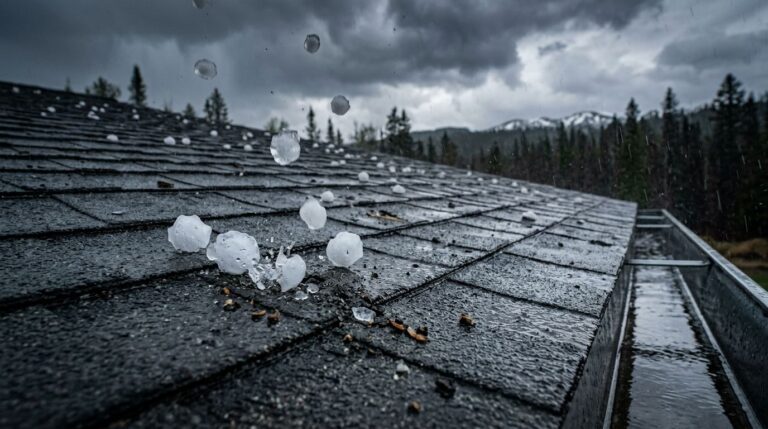
Most homeowners insurance policies may cover sudden hail damage to asphalt roof shingles, gutters, flashing, vents, and related components. Branches or storm material that strike the roof, obstruct drainage, or worsen a covered opening may support a documented hail damage roof insurance loss and a roof insurance claim.
Roof debris removal differs from removing a tree that fell elsewhere on the property. It also differs from hauling debris after covered roof repairs or roof replacement are completed. Branches on the roof may be part of a covered loss, while tree removal and post-repair hauling depend on policy language, limits, cause of loss, and exclusions.
Read the declarations page, dwelling coverage, other structures coverage, debris-removal language, and wind or hail endorsement together.
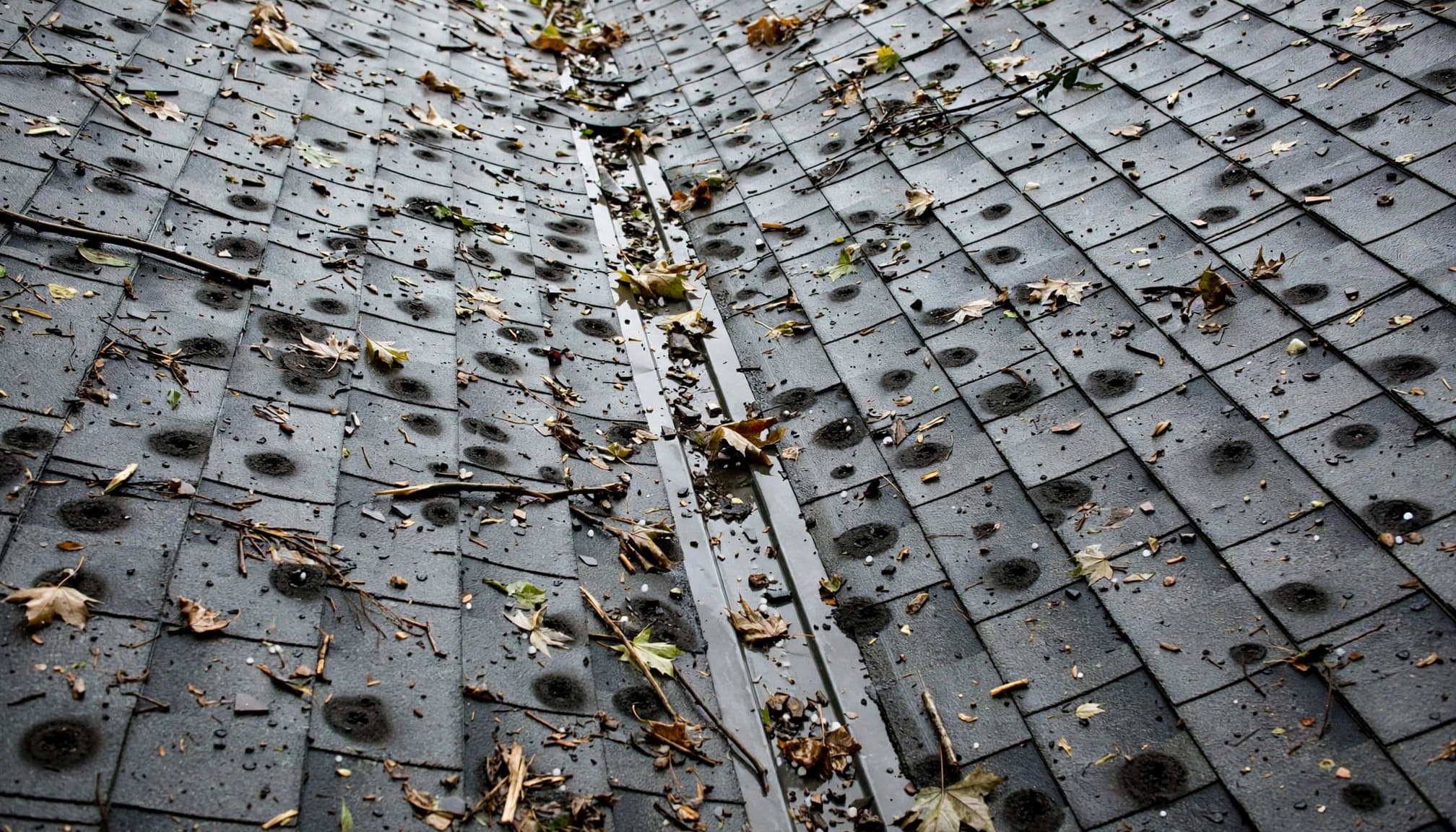
Conditions that can reduce payment
Insurance won’t pay to correct old wear, a pre-existing leak, poor drainage, or maintenance issues. Hail dents on metal roofing can also face a cosmetic-damage exclusion if the roof still sheds water and functions as designed.
A Minnesota storm damage loss can include both roof damage and fresh impacts alongside old defects. Coverage under Minnesota homeowners insurance depends on the storm cause, the deductible, exclusions, and the insurer’s inspection. Impact-resistant shingles may affect policy terms or discounts only when the insurance policy provides for that treatment.
The claim should separate fresh impacts from pre-existing conditions before filing a roof insurance claim. Review the terms before treating the event as hail damage roof insurance coverage. A Minnesota hail damage insurance claim guide can help you check the coverage terms before deciding whether the loss is worth filing.
Do not remove evidence before taking photos, but do take reasonable steps to stop active water intrusion.
Step-by-Step: What To Do After Hail Hits Your Roof for a Hail Damage Roof Insurance Claim
1. Document from the ground and inside
Stay off a wet or damaged roof. From the ground, photograph roof damage, dents in soft metal, damaged gutters, debris, broken skylights, ceiling stains, and water around attic penetrations. Record the hailstorm date and save hail alerts, temporary tarp invoices, and water-removal receipts.
Use binoculars for a safe first look. A roof inspection before filing a hail claim provides a formal damage inspection that can identify bruised shingles, fractured mats, damaged flashing, and fresh debris impacts without guessing from the driveway.
2. Report the loss and protect the property
Contact the insurance company promptly, preferably within 24 to 48 hours, to start the roof insurance claim. Ask about the reporting deadline, exact wind and hail deductible, and temporary-repair provisions in your homeowners insurance and insurance policy.
Emergency tarping, drain clearing, and interior containment protect the property. They aren’t permanent roof repairs or a substitute for repairs authorized under hail damage roof insurance coverage. For active water entry, Call 651-703-2336 for 24/7 Emergency Roofing.
3. Meet the adjuster with a clear scope
Give the insurance adjuster dated photos, receipts, roof records, and the roofing contractor’s written findings. Compare that scope with the carrier’s estimate line by line as part of the roof insurance claim and property claim.
If roof replacement is warranted, missing flashing, underlayment, ventilation, wet insulation, and work required by building codes should be supported by evidence connecting each item to the covered loss. A public adjuster may be an option after a documented scope dispute.
How Deductibles and Depreciation Change a Roof Insurance Claim
Wind and hail deductibles can be higher
For hail damage roof insurance claims, homeowners insurance may cover the loss. Payment can still be little or none after the applicable deductible.
The applicable amount is set by the policy and may be separate from the standard amount. On a $400,000 home, a 1% amount is $4,000, while 2% is $8,000.
Calculate the likely covered repair before filing a minor claim. A claim record without a meaningful payment is rarely helpful.
A public adjuster may be worth discussing when a well-documented scope or valuation issue remains disputed, but small claims don’t automatically require one.
ACV and replacement cost are not the same
Actual cash value, or ACV, subtracts depreciation. Replacement cost value, or RCV, generally covers like-kind replacement after covered work is completed, subject to policy conditions and the deductible. Those distinctions can materially change a roof insurance claim.
The Minnesota Department of Commerce example shows how a $10,000 replacement can produce a $5,000 ACV payment before any policy amount is applied.
Material costs can also vary. Impact-resistant shingles may qualify for a policy-specific upgrade or discount, but aren’t automatically included in covered work.
If an insurer pays an initial ACV amount, recoverable depreciation may require completed work and final invoices. Don’t assume the first check funds a full residential roof replacement.
Commercial Flat Roof Claims Need System-Specific Evidence
Inspect the membrane, drainage, and insulation
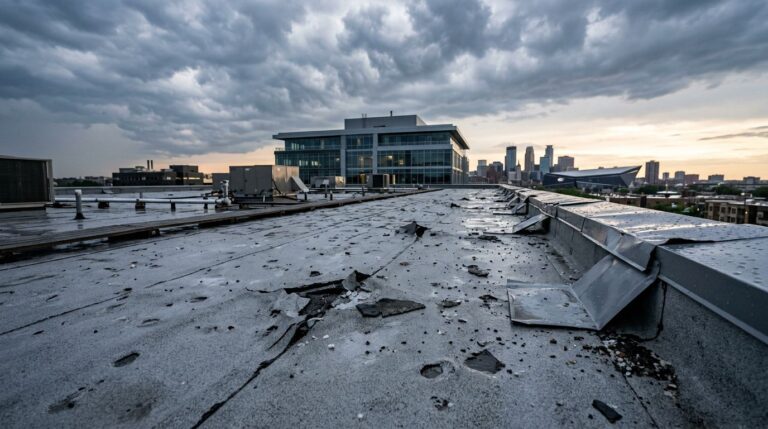
Commercial roofs often hide roof damage. TPO roofing can puncture or split at seams. EPDM may show bruising or membrane damage. Modified bitumen and BUR can develop torn plies, failed laps, or moisture below the surface.
A commercial roof inspection by a roofing contractor should map damage at drains, parapet walls, penetrations, flashing, and rooftop equipment. Hail damage roof insurance claims may require system-specific evidence. A roof insurance claim should help an insurance adjuster scope covered storm damage. Widespread wet insulation or compromised seams may support roof replacement instead.
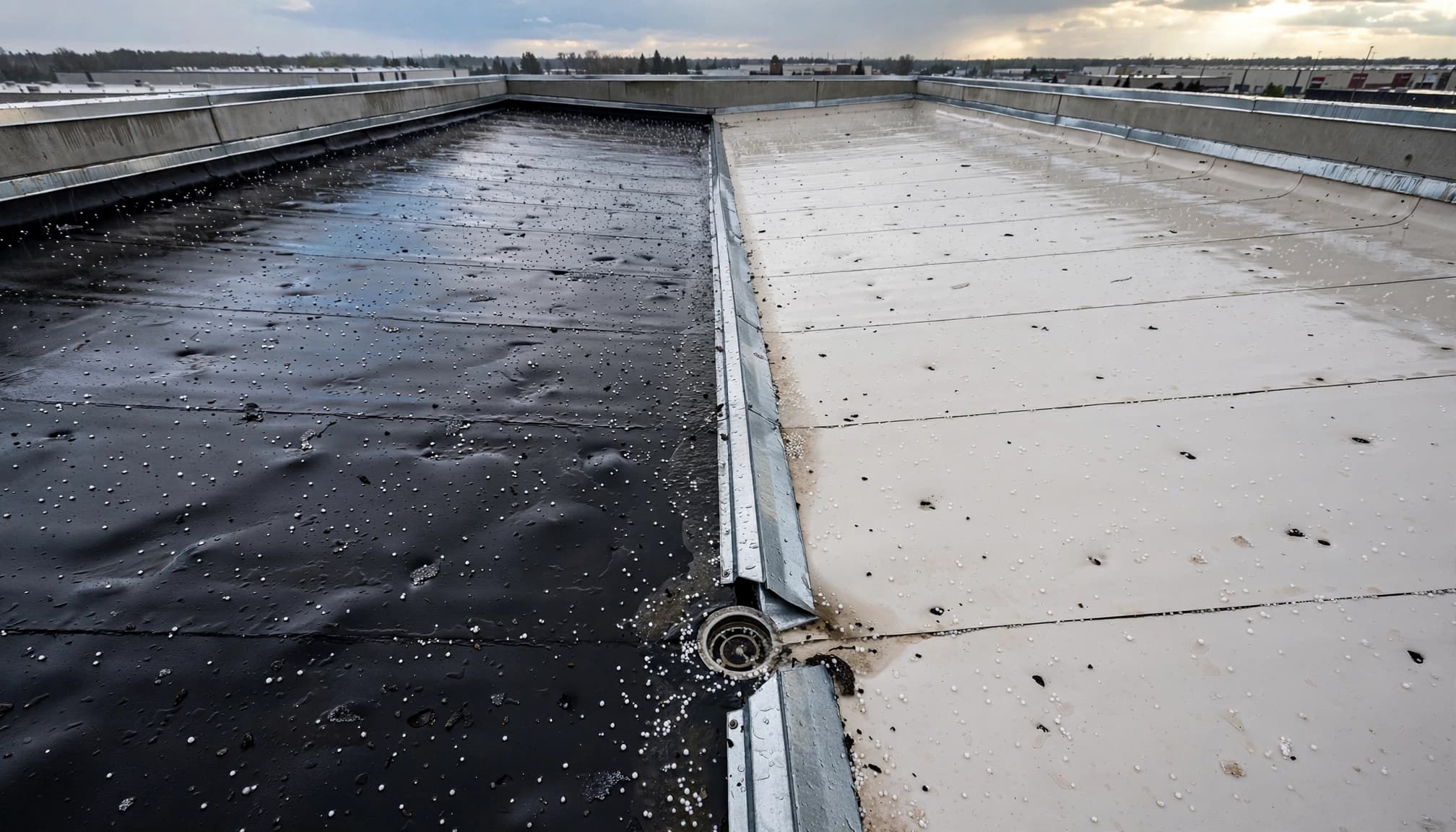
Repair, restoration, or replacement
Commercial roof debris removal, repair, restoration, and commercial roof coatings aren’t automatic insurance upgrades. Their scope depends on the membrane, insulation, drainage, penetrations, and commercial coverage. Ice dam removal is also a separate issue from hail, with different causes and coverage provisions.
For Saint Paul roofing and Twin Cities roofing claims, Sellers Roofing Company holds MN License 803862 and works with IUPAT Local 96 roofers. Property owners can Get a Free Commercial Roof Inspection before committing to a repair path.
Frequently Asked Questions
How much does a hail damage roof insurance claim cost, and can I keep the insurance payment?
The cost varies with the scope of covered work, and your out-of-pocket exposure may include the deductible. Whether you can keep the payment depends on policy terms, lender requirements, and repair conditions. Replacement cost benefits may require completed work and proof of repairs. An initial payment may also reflect depreciation until qualifying work is finished. If the policy includes a provision for impact-resistant shingles, separate requirements may apply.
What if the insurer denies hail damage as old wear?
Request the claim denial reason and cited policy language in writing. Ask the insurance company to explain how it classified the condition. A roof insurance claim should include dated photos, maintenance records, and an independent inspection separating age-related conditions from covered conditions. Organized claim documentation can also help protect future insurability.
Should I hire a public adjuster or attorney?
Start with a detailed inspection report and a written supplement request. If you hire a public adjuster, understand the fees, including any contingency fee, before signing an agreement. Legal representation is a separate option when a significant documented dispute remains unresolved.
Does Minnesota offer help with a denied residential claim?
Yes. Minnesota’s residential claim guidance directs homeowners insurance consumers to request a written explanation from the insurer. It also explains how to contact the Consumer Services Center for assistance with a property claim.
How soon should I report a hail damage roof insurance claim?
Report it promptly according to the policy’s notice requirements. When safe, document the condition before making changes, and take reasonable emergency steps for active leaks. A roof insurance claim doesn’t require a universal 24-hour deadline, but unnecessary delays can complicate review.
The Practical Answer for Minnesota Property Owners
Roof debris removal may be covered when it follows documented hail damage or necessary emergency work. It generally doesn’t include unrelated tree removal or hauling debris after completed repairs. For hail damage roof insurance, the strongest roof insurance claim connects the debris, covered damage, repair scope, and storm date with evidence.
For Minneapolis roofing, Saint Paul roofing, and the wider Twin Cities, inspect before filing and compare the likely covered scope with your deductible. Preserve proof of roof repairs and debris conditions before permanent work starts. A clean claim file protects the roof and supports the claim payout.
Need a roof inspection in Saint Paul or the Twin Cities? Call Sellers Roofing Company at +1-651-703-2336 or schedule a free estimate. We are a black-owned, NMSDC-certified MBE roofing contractor with 9+ years experience.