Last updated: 2026-08-01 by Ted Sellers, Owner
Most Minnesota homeowners insurance policies provide homeowners insurance coverage to repair or replace storm-damaged parts of your home, like roofing, siding, gutters, and some window damage, after you pay your deductible. Your payout depends on whether you have replacement cost value or actual cash value coverage, how depreciation is handled, and how quickly you document and report the loss. Timelines vary by carrier and policy terms.
When This Applies
Who this guidance fits (and why it matters)
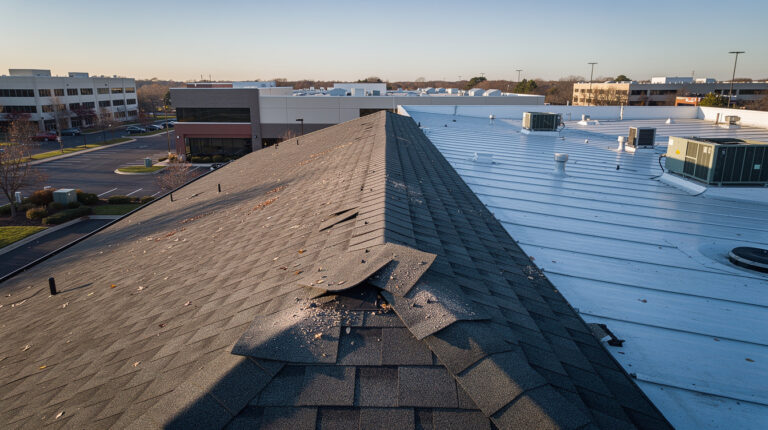
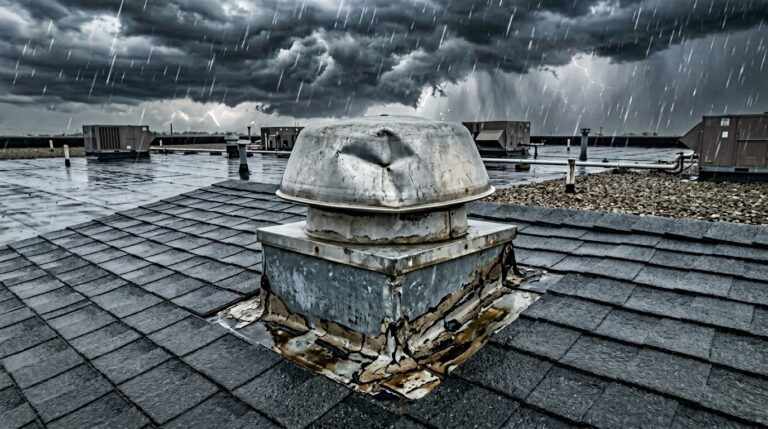
This applies to Minnesota property owners filing a homeowners claim after a hailstorm, including business owners who also own homes, cabins, or mixed-use buildings insured on a homeowners form. In plain terms, hail coverage usually sits under dwelling protection and other-structures protection, so damage to the roof surface, flashing, vents, skylight components, siding, and gutters is often part of the claim under Minnesota homeowners insurance, as long as the damage is from the storm and not long-term wear.
If you want a simple refresher on what hail can damage and how coverage is commonly described, Federated’s overview of home hail damage and insurance basics is a helpful starting point.
When it doesn’t apply (or won’t pay the way you expect)
Homeowners insurance isn’t a maintenance plan. If an adjuster concludes the roof was already failing, or that granule loss and brittleness on older roofs are age-related rather than part of a storm damage claim, you can end up with a denial or a smaller scope due to policy limits. Policies also often limit payment for purely cosmetic dents that don’t reduce function through cosmetic damage exclusions, especially on metal surfaces, soft metals, and some accessory items.
Another common mismatch is building type. If the property is insured under a commercial policy, the claim process can feel similar, but the forms, deductibles, valuation, and proof requirements can differ a lot. That’s where documentation and clear roof testing matter. These standards are often overseen by the Minnesota Department of Commerce.
Edge cases that trip up Minnesota hail claims
- Cosmetic damage wording: Some policies separate cosmetic dents from functional damage, which can change what gets replaced.
- Older roof limitations: Some carriers reduce payouts on older roofs by switching valuation to actual cash value, even if the rest of the policy is replacement cost.
- Upgrades and code items: If new materials or fastening are required by code, you may need ordinance or law coverage for that portion.
Step-by-Step
Follow these steps after hail hits
- Prevent more damage right away. If water is getting in, arrange temporary tarping or emergency sealing and save receipts. Insurance expects “reasonable mitigation,” not perfection. Don’t throw away damaged materials until the adjuster says it’s okay.
- Document the damage like you’re building a case file. Take wide shots and close-ups of each slope and elevation, plus accessories (vents, AC fins, skylight trim, gutters, downspouts). Note the storm date and time, and capture hail size if you can do it safely.
- Check your policy for the two money levers: deductible and depreciation. Look for a separate wind and hail deductible, which may be a flat dollar amount or a percentage-based deductible of the insured value of the home. Also confirm whether your roof is RCV (replacement cost value) or ACV (actual cash value), because that decides how depreciation hits your first check.
- Start filing a claim promptly and keep your first report tight. Give the date of loss, what you can see, and any active leaks. Ask what documentation they want and whether they require specific forms. For a broader walk-through of the process, see this hail damage insurance claim guide.
- Meet the insurance adjuster with your photos and a roofing contractor, if possible. Adjusters do a lot of claims fast after Minnesota storms. Having a qualified roofing contractor present helps perform a professional roof inspection to point out bruising, fractured mats, damaged flashing, and collateral hits. If you also manage buildings, this “walk and document” habit carries over when a commercial roof needs repair after hail.
- Read the estimate like a scope, not a price tag. Confirm what’s included (tear-off, underlayment, ice and water, flashings, vents, drip edge, starter, ridge cap, gutters). Ask how the insurer handled depreciation and whether they issued payment as actual cash value first with recoverable depreciation paid after work is completed.
- Plan the timeline around approvals, materials, and weather, not just scheduling. Most delays come from waiting on the initial scope, submitting supplements, material lead times, and crews being booked after widespread storms. Prompt communication helps, since carriers typically respond within 10 business days to keep the process moving. For business owners, this is also the moment to decide if a roof is headed for commercial roof replacement on other properties, since hail seasons often reveal older weak points.
- Close out the storm damage claim and recover depreciation if your policy allows it. Once the job is complete, submit final invoices, completion photos, and any required certificates to cover out-of-pocket costs. If additional damage is found during tear-off, your contractor may request a supplement so the claim matches what’s actually on the building.
If your portfolio includes low-slope buildings, it helps to work with a team that understands storm documentation on membranes, seams, and penetrations. Sellers’ Saint Paul crews handle everything from emergency response to long-term planning for commercial roofing in Saint Paul, including situations that call for commercial flat roof repair after hail.
FAQs about Minnesota hail insurance claims
Can my insurer depreciate my roof after hail damage in Minnesota?
Yes, if the policy pays on an actual cash value basis for the roof, or if the first payment is ACV with depreciation held back until completion. The initial check will reflect the depreciated value, which is basically “age and wear” applied to materials and sometimes labor, depending on policy language.
What to look for on your paperwork
Your estimate may show “RCV,” “ACV,” and a line for depreciation. The difference between RCV and ACV is often what you can recover after the work is done.
What’s a wind or hail deductible, and why is it so high?
Some Minnesota policies use a separate wind and hail deductible that’s different from your all-peril deductible. It can be a flat amount or a percentage based on the insured value of the home, which is why the out-of-pocket costs can feel big when a storm hits.
One practical move
Ask your agent, in writing, which deductible applies before you authorize major work.
How long do I have to file a hail claim in Minnesota?
There isn’t one universal statewide deadline that applies to every policy the same way. Your policy sets the time limits for notice and suit provisions, much like a statute of limitations, and carriers can push back if reporting is delayed and the damage has changed.
The safe approach
Report as soon as you can document the loss, even if you’re still collecting photos.
What if the adjuster says the damage is “cosmetic”?
That depends on your policy wording and the material type. Some policies limit cosmetic coverage on metal roofs, siding, or soft metals unless the damage causes functional failure or water entry.
How to respond without arguing
Ask for the exact policy language they’re using, then ask what functional tests or observations support that conclusion.
Can I bundle hail repairs with upgrades or other buildings I own?
You can upgrade, but insurance typically pays only for direct storm damage and covered code upgrades. If you want to use the project to improve performance, plan to pay the difference out of pocket. This comes up a lot when a business owner uses the same contractor for a home claim and a separate building that needs commercial flat roof repair or a full commercial roof replacement. Be cautious of hail damage fraud when selecting contractors to avoid scams or inflated bids.
Hail claims are less stressful when you treat them like a short project: document, confirm deductible and depreciation, then match the scope to what’s really damaged. If you move quickly and keep clean records, you protect both your property and your cash flow, and you’re far more likely to collect every dollar your hail damage insurance Minnesota policy owes for hail damage in Minnesota under your homeowners insurance coverage, especially for roof replacement.
Need a roof inspection in Saint Paul or the Twin Cities? Call Sellers Roofing Company at +1-651-703-2336 or schedule a free estimate. We are a black-owned, NMSDC-certified MBE roofing contractor with 9+ years experience.