Last updated: 2026-08-01 by Ted Sellers, Owner
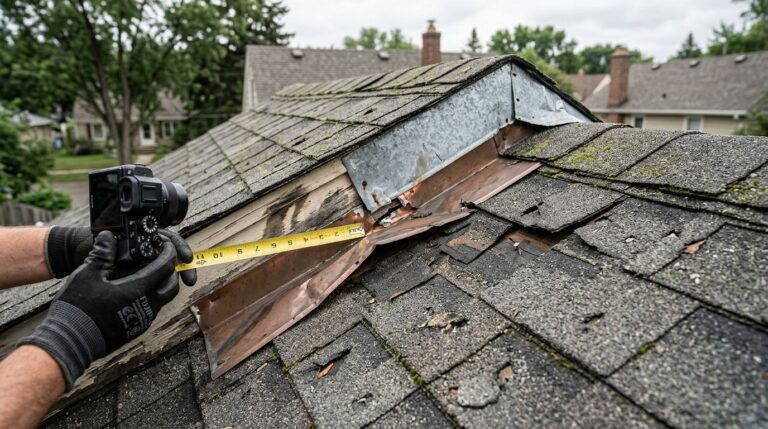
Yes, in most cases you should. A roof inspection before a hail claim gives you proof of storm damage, helps separate fresh hits from old wear, and keeps you from filing a weak claim. For commercial owners, a solid roof inspection hail claim record often leads to fewer disputes and a clearer repair scope.
When This Applies
Most commercial owners should inspect first
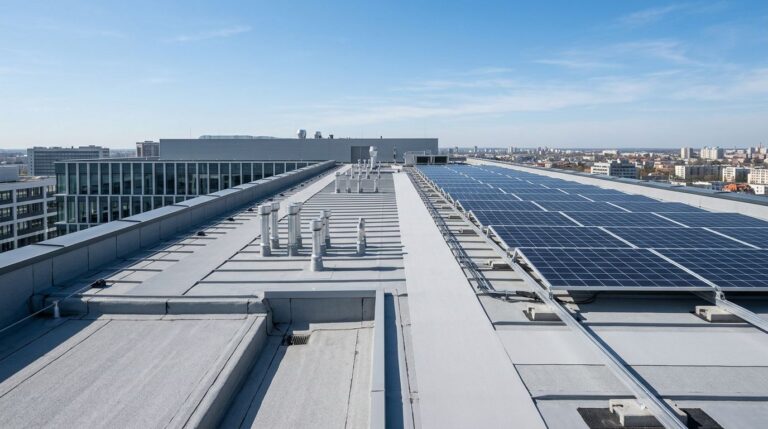
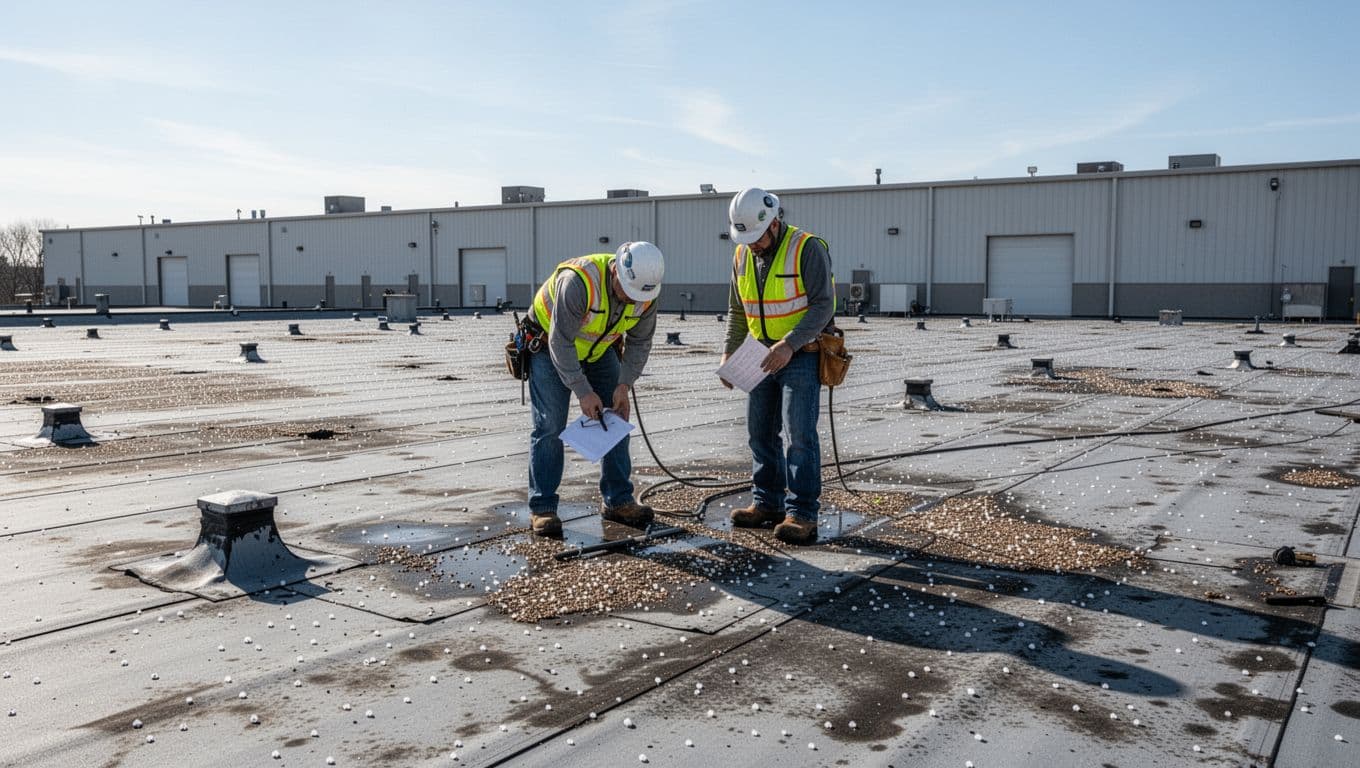
This applies to owners and managers of offices, retail buildings, warehouses, schools, and multi-tenant properties, especially those with flat or low-slope roofs. Hail damage on TPO, EPDM, modified bitumen, and metal often hides in seams, flashing, rooftop unit curbs, and soft spots around insulation.
From the ground, a roof can look fine. Up close, the story may change. A large roof spreads damage over a wide area, and water may travel before it shows inside. That’s why a pre-claim inspection matters more on commercial buildings than many owners expect.
A good inspector documents roof surfaces, penetrations, drains, and interior signs of water entry. That record helps you show what the storm did, what was already there, and what action makes sense now. If you need local help, a team that handles commercial roof services in St. Paul can tie damage findings to real repair options.
When filing first may make sense
There are a few exceptions. If hail opened the roof, water is pouring in, or loose materials create a safety risk, notify your insurer right away. The same goes for a policy deadline that’s close. Still, get the inspection as soon as the roof is safe to access.
This advice does not apply when the storm clearly missed your area or when a contractor can’t tie visible marks to functional damage. Cosmetic dents on some metal systems may not support the same claim path as punctures, broken seams, or wet insulation.
Filing first is a bit like arguing a case before you gather the evidence.
Step-by-Step
Before you contact insurance
- Protect the building and limit added damage. Move inventory away from leaks, cover sensitive equipment, and use temporary measures if water is entering. Keep damaged materials, because they may help support the claim later.
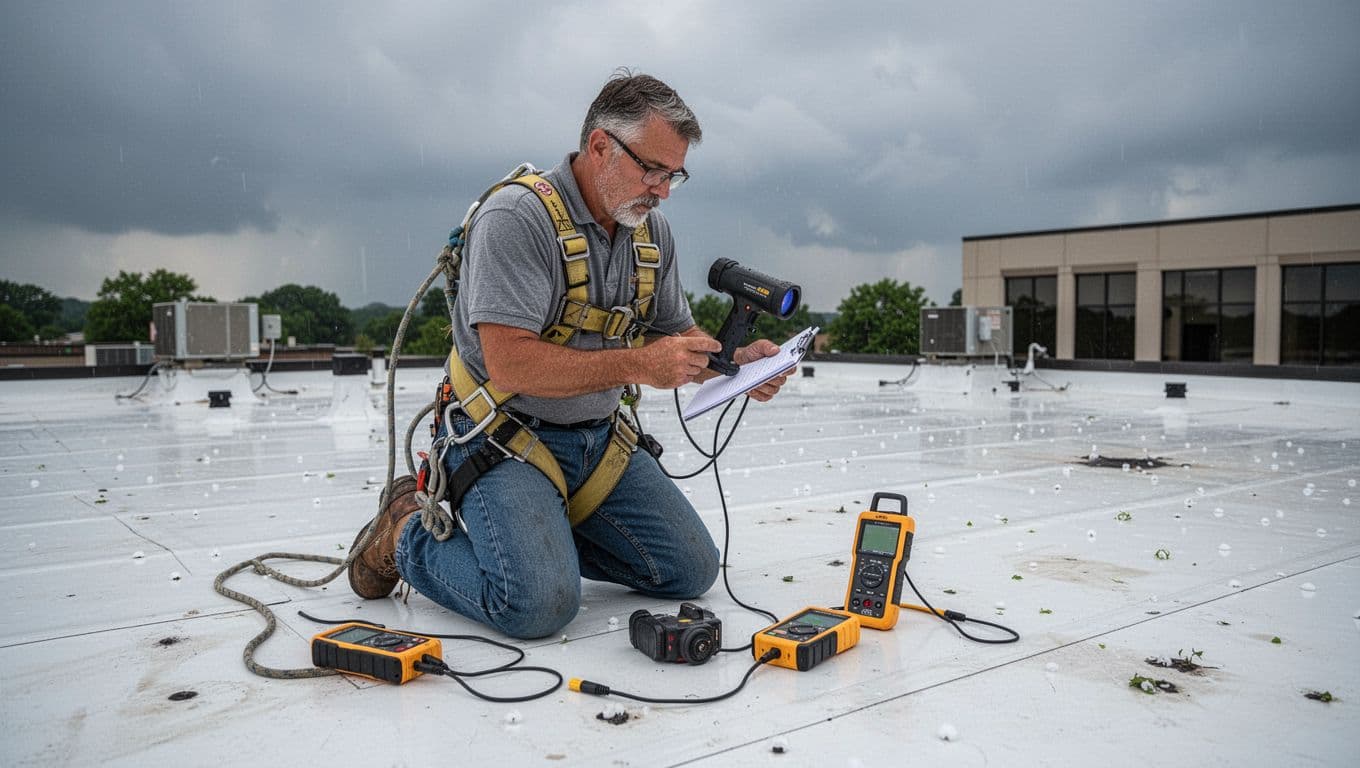
- Schedule a professional inspection quickly. Ask for roof photos, interior photos, marked damage areas, and notes on seams, flashing, rooftop units, and drains. If moisture is showing up away from the visible impact area, add commercial roof leak detection Saint Paul to trace the true source.
- Separate hail damage from old wear. This step matters because many claims stall here. A strong report should distinguish storm-created punctures, splits, or bruising from foot traffic, aging sealant, rust, shrinkage, or past patchwork.
After the inspection
- Review the repair path before you file. If damage is limited, commercial flat roof repair may be enough. If hail hit broad sections, damaged insulation, opened seams, or harmed metal panels across the system, commercial roof replacement may be the more honest scope.
- File the claim with the inspection report attached. Include the storm date, photos, interior damage, and any emergency steps you took. Clear files move faster because the adjuster starts with facts instead of guesses.
- Meet the adjuster on site with your roofer. Walk the roof together, compare damage areas, and discuss code-related items if they affect the work. If the carrier says your commercial roof needs repair in only a few spots, but the report shows wide system damage, ask for that position in writing and have your contractor respond with documentation.
The best claim files don’t rely on opinions, they rely on dated photos, mapped damage, and a clear scope.
Common Hail Claim Questions
What if the roof isn’t leaking yet?
You can still have claim-worthy damage. Hail often weakens membranes, seams, flashing, and metal panels before water shows inside. Waiting for a leak can make the loss worse and muddy the timeline.
Can an older roof still qualify for a hail claim?
Yes, age alone doesn’t cancel storm damage. However, older roofs draw more scrutiny because carriers may argue that wear, not hail, caused the problem.
What helps on older systems
A detailed inspection matters even more on aging roofs. The report should show fresh storm impacts apart from long-term wear.
Should a roofer meet the adjuster?
Yes, that often helps. Your roofer can point out soft spots, punctures, failed seams, and wet areas the adjuster might miss on a fast walk-through. It also keeps the scope grounded in what the roof needs, not in guesswork.
What if the insurer only approves spot repairs?
That may be fair on a small, isolated loss. Still, spot repairs can be the wrong move when hail damage is spread across the roof system or when matching materials is a problem.
When repair stops making sense
If multiple zones are damaged, insulation is wet, or seams and flashing failed in many places, partial work may only delay a larger problem.
How fast should I act after the storm?
Act as soon as it’s safe. Commercial buildings carry more risk because leaks can affect tenants, stock, wiring, and operations. Quick inspection also gives you cleaner evidence while the storm date is still fresh.
A hail claim should start with facts, not panic. When you inspect first, you get a clearer picture of what the storm changed, what the roof can still do, and whether repair or replacement makes financial sense.
If your building took a hit, book the inspection before you file. That one move often decides whether the claim stays simple or turns into a fight.
Need a roof inspection in Saint Paul or the Twin Cities? Call Sellers Roofing Company at +1-651-703-2336 or schedule a free estimate. We are a black-owned, NMSDC-certified MBE roofing contractor with 9+ years experience.