Last updated: 2026-08-01 by Ted Sellers, Owner
Based on 15+ years of inspecting storm-damaged roofs, I’ve seen firsthand how hail, wind, rain, snow, ice, and UV rays relentlessly wear down commercial roofing systems. According to NOAA, hail alone causes more than $10 billion in annual U.S. property losses.
When left unaddressed, small cracks or punctures quickly escalate into leaks, insulation failure, and costly structural damage. Immediate repairs not only protect a building’s integrity but also extend roof lifespan and cut long-term expenses. Whether you’re a facilities manager or property owner, you’ll learn actionable steps backed by roofing experts to keep your roof performing at its best.
What Are the Most Common Types of Weather Damage to Commercial Roofs?
Weather damage to a commercial roof includes physical impact, uplift forces, water intrusion, thermal stress, and material degradation that compromise the membrane’s integrity and lead to leaks or structural issues. For example, hail dents puncture TPO membranes, wind uplift tears EPDM seams, pooling rainwater promotes algae growth, freezing temperatures create ice dams, and UV exposure causes bitumen blistering.
How Does Hail Damage Impact Commercial Roofing Materials?
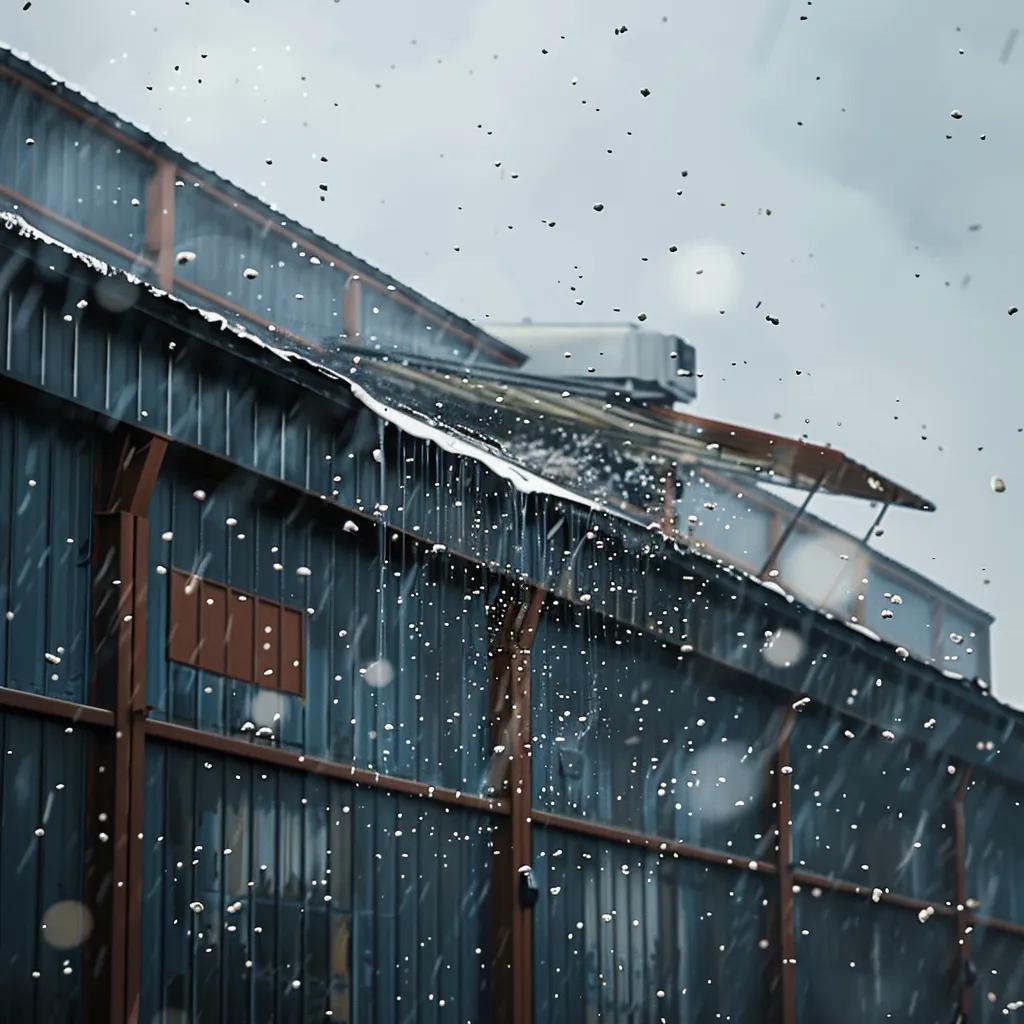
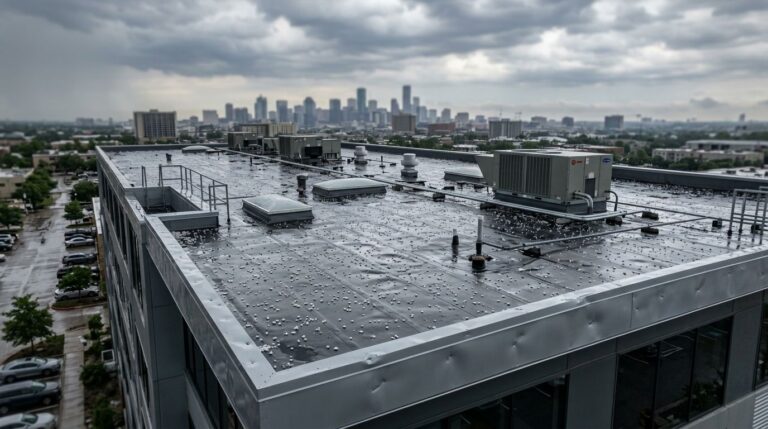
Hail damage shatters and punctures roof membranes, dislodges protective granules on asphalt surfaces, and weakens underlying insulation, creating entry points for moisture. Even pea-sized hail can cause micro-cracks that expand into leaks. On TPO roofs, hail can fracture the welded seams, while on metal panels it dents and stresses fasteners. These hidden fractures accelerate membrane failure and demand targeted patching or section replacement.
Hail Damage Impact
Hail can cause significant damage to commercial roofs, including punctures, cracks, and dents in roofing materials, making the roof more vulnerable to leaks and structural issues [2, 5]. Even small hailstones can cause damage over time if the roof is already weakened by age or other weather conditions [2].
This source explains the impact of hail on commercial roofs, which supports the article’s discussion on hail damage.
What Are the Effects of Wind Damage on Commercial Roof Integrity?

Wind damage lifts roofing membranes, tears flashing, and loosens fasteners, exposing insulation and deck underlayment. Wind uplift applies suction forces that peel back EPDM sheets, shingle edges, and seams. Displaced or missing metal flashings around roof edges and penetrations allow wind-driven rain to flood the deck. Consistent wind stress also fatigues membrane adhesives, reducing overall rooftop stability and necessitating seam resealing or membrane reinforcement.
Wind Damage Effects
High winds can lift and tear roofing materials, damage flashing, and loosen fasteners, exposing insulation and deck underlayment [2, 5]. In severe cases, wind uplift can peel sections of the roof off entirely [5].
This source supports the article’s discussion on the effects of wind damage on commercial roof integrity.
How Does Water Damage and Leaks Develop from Weather Exposure?
Water damage originates from ponding water, seam failures, or flashing breaches and leads to moisture intrusion, mold growth, and deck rot. Flat commercial roofs without proper drainage accumulate standing water, which eventually breaks membrane bonds and seeps through cracks. Once water penetrates, it migrates into insulation and structural deck panels, causing sagging and microbial growth that accelerate structural weakening.
Water Damage and Leaks
Heavy rainfall is a major risk for commercial roofs, especially flat or low-slope roofs, which can lead to water pooling, increasing the chance of leaks [2, 5]. Over time, water infiltration can weaken the structure, causing rot, mold, and damage to insulation [5].
This source supports the article’s discussion on water damage and leaks developing from weather exposure.
What Damage Do Snow, Ice, and Temperature Fluctuations Cause?
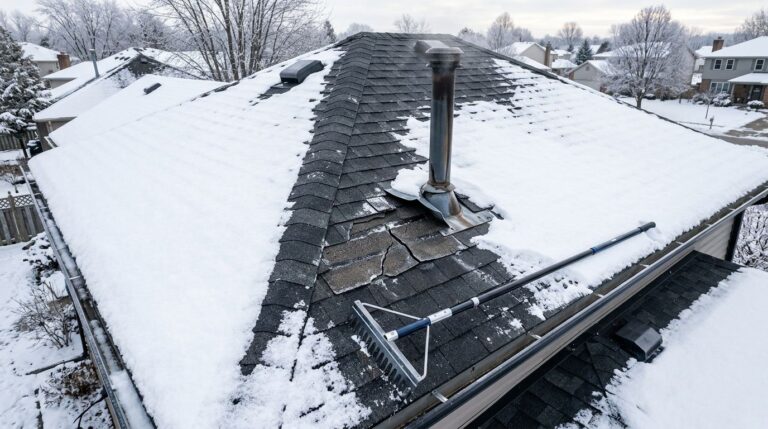
Snow and ice add significant weight stress to commercial roofs and create ice dams that trap meltwater at the eaves, forcing water under shingles and membranes. Repeated freeze-thaw cycles cause thermal cycling cracks in roofing materials and flashings. Over time, these micro-cracks expand into larger splits that let in moisture, and accumulated snow load can exceed rooftop design capacity, risking structural collapse.
How Does Sun and UV Exposure Affect Commercial Roofs?
Sun and UV exposure break down polymer chains in membranes, leading to blistering, granule loss, and material brittleness. Ultraviolet radiation oxidizes bitumen and degrades TPO and EPDM formulas, reducing elasticity and causing surface chalking. This embrittlement makes membranes more susceptible to cracking under thermal expansion and contraction, shortening the roof’s service life and requiring restorative coatings or membrane replacement.
UV and Sun Exposure
Prolonged exposure to the sun can cause roofing materials to deteriorate over time, with UV rays breaking down the chemical bonds in roofing materials, leading to cracks, blisters, and overall weakening of the roof structure [2, 10]. This source supports the article’s discussion on how sun and UV exposure affect commercial roofs.
What Are the Key Signs of Weather Damage on Commercial Roofs?
Visible and hidden indicators of weather damage help you address issues before they escalate into costly repairs. Recognizing these signs guides timely inspections and proactive maintenance.
How to Identify Visible Damage: Cracks, Dents, and Displaced Flashing
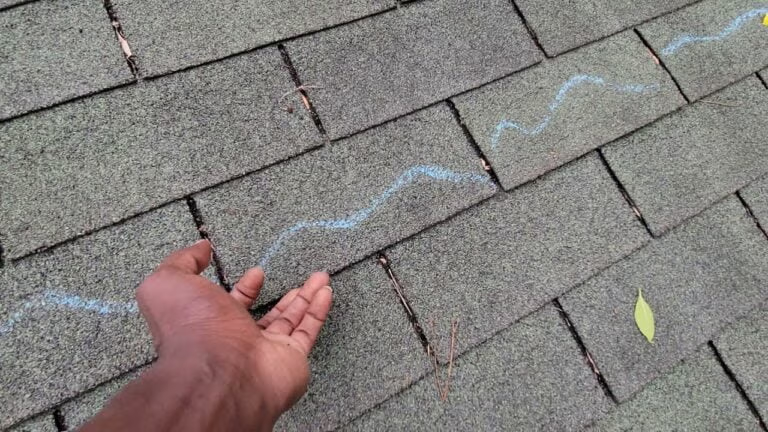
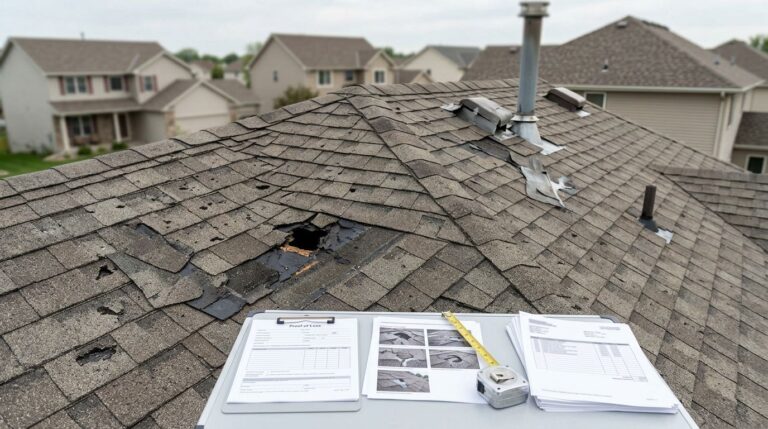
Visible damage on a commercial roof includes punctures, membrane tears, dents in metal panels, and flashing pulled away from seams. Look for irregular lines where the membrane has lifted, granule-scattered patches on asphalt surfaces, and gaps around roof penetrations like vents and skylights. Such clear signs signal compromised waterproofing that demands immediate repair.
What Are the Hidden Signs: Mold Growth, Water Stains, and Structural Sagging?
Hidden signs of roof damage appear inside the building as ceiling water stains, mold colonies, and sagging roof decks. Discolored insulation or warped deck panels suggest chronic moisture intrusion. Mold growth on interior ceilings indicates persistent leaks that have gone undetected on the rooftop, and structural sagging warns of compromised deck integrity requiring specialist assessment.
How Does Weather Damage Affect Rooftop Equipment Like HVAC Units?
Weather-damaged membranes lose their seal around HVAC curbs and equipment mounts, allowing water to pool at seams and drip into electrical components. Leaky flashings around unit bases cause corrosion of conduits and weaken support brackets. Protecting rooftop equipment requires resealing curbs, reinforcing flashing, and adding protective saddles to shed water away from sensitive units.
When Should You Schedule a Professional Roof Inspection After Weather Events?
You should schedule a professional post-storm inspection within 48 hours of hail, high winds, or heavy snow to catch damage before leaks develop. Early assessment identifies vulnerable areas and enables targeted repairs to prevent interior damage and mold. Timely inspections by certified roofers also help document conditions for insurance claims and maintain warranty compliance.
Post-Storm Inspection
You should schedule a professional post-storm inspection within 48 hours of hail, high winds, or heavy snow to catch damage before leaks develop [4, 15]. Early assessment identifies vulnerable areas and enables targeted repairs to prevent interior damage and mold [4].
This source supports the article’s discussion on when to schedule a professional roof inspection after weather events.
Why Is Immediate Commercial Roof Repair Crucial After Weather Damage?
Addressing weather damage without delay prevents minor membrane issues from escalating into full structural failures, saving money and avoiding business interruptions.
What Are the Risks of Delayed Repairs: Structural Damage and Mold Growth?
Delayed repairs allow water to infiltrate insulation, deck, and interior finishes, leading to mold growth, rot, and corroded fasteners. Ongoing moisture exposure degrades support boards and joists, undermining structural stability. Mold remediation and deck replacement costs can exceed initial repair expenses by 3–5×, compounding downtime and health risks.
How Does Prompt Repair Minimize Business Disruption and Repair Costs?
Prompt patching and membrane resealing preserve roof performance, avoiding extended outages and emergency remediation. Early repairs limit water damage to superficial layers, whereas neglected issues penetrate deeper materials, requiring full membrane removal. Fast response keeps maintenance budgets in check and supports uninterrupted facility operations.
When Is Emergency Commercial Roof Repair Necessary?
Emergency repair is necessary when water intrusion threatens interior assets, when active leaks drip onto critical equipment, or when flashing and membrane failures expose the building envelope. Temporary fixes—such as tarps, sealants, or tapping patches—stabilize the roof until full restoration. Recognizing urgent conditions ensures rapid response and protects occupants.
Emergency Commercial Roof Repair
Emergency repair is necessary when water intrusion threatens interior assets, when active leaks drip onto critical equipment, or when flashing and membrane failures expose the building envelope [14]. Temporary fixes—such as tarps, sealants, or tapping patches—stabilize the roof until full restoration [14].
This source supports the article’s discussion on when emergency commercial roof repair is necessary.
What Are the Most Effective Repair Solutions for Weather-Damaged Commercial Roofs?
Commercial roof repair solutions range from localized patching to full membrane replacement, selected based on damage severity and building use.
Initial repair assessments match the damage type with the optimal method, focusing on efficiency and durability. The table below compares common repair methods for hail, wind, and water damage.
Each method targets specific failure modes and positions the roof for lasting protection. Selecting the right solution prevents repeated patch cycles and supports warranty retention.
How Are Hail and Wind Damages Repaired: Patching, Membrane Replacement, and Flashing Restoration?
Hail and wind damage repairs start with debris removal and damage mapping. Small hail punctures receive spot patches of compatible membrane, while larger tears demand section replacement: cutting out the damaged membrane and heat-welding a new patch. Flashing restoration involves removing corroded metal, reinstalling new edge metals, and sealing seams with elastomeric coatings to prevent future uplift.
What Are the Best Practices for Addressing Water Damage and Leaks?
Address water damage by first locating leak sources with moisture meters and infrared scanning. Remove wet insulation or damaged deck panels and dry the cavity. Apply mold-inhibiting primers on deck surfaces and install new membrane patches or full overlays. Ensure proper drainage by clearing scuppers and interior drains to prevent ponding.
When Is Full Roof Replacement Recommended Over Repair?
Full replacement is recommended when more than 25% of the membrane shows irreparable tears, when repeated repairs fail, or when the roof approaches the end of its expected 20-year service life. Replacement yields consistent warranties and often improves insulation and energy performance, outweighing patch-only maintenance.
How Do Roofing Contractors Assist with Insurance Claims for Weather Damage?
Experienced contractors document damage with annotated photos, moisture scan reports, and repair estimates to support insurance adjuster reviews. They meet adjusters onsite, explain technical details of membrane failures, and prepare official scope-of-work documentation. This professional advocacy accelerates claim approvals and secures full coverage for necessary repairs.
Which Commercial Roofing Materials Offer the Best Weather Resistance?
Choosing resilient materials reduces the frequency of repair and extends service life under extreme weather. The table below compares key material types and their weather-resistance properties.
This comparison shows how material attributes translate into real-world resilience. Selecting the right roof system aligns with local climate demands.
Roofing Material Attributes
Metal roofs are highly durable and can resist damage from hail, with standing seam profiles resisting wind uplift up to 150 mph [1, 9]. TPO membranes reflect up to 80% of UV rays, reducing heat load and membrane degradation [5].
This source supports the article’s discussion on which commercial roofing materials offer the best weather resistance.
How Does TPO Roofing Perform Against UV, Wind, and Water Damage?
TPO membranes reflect up to 80% of UV rays, reducing heat load and membrane degradation. Its welded seams create watertight bonds that resist wind uplift and ponding water. TPO also tolerates chemical pollutants and resists punctures better than most single-ply systems.
What Are the Weather Resistance Properties of EPDM and PVC Roof Systems?
EPDM excels in cold climates, maintaining rubber-like flexibility at sub-zero temperatures and resisting thermal cycling cracks. PVC offers high tensile strength, chemical resistance, and self-extinguishing properties in fire events. Both systems have proven track records in storm-prone regions.
How Do Metal Roofs Withstand Hail, Wind, and Fire?
Metal roofs shed hail impact through steel or aluminum resilience and powder-coated finishes that absorb shock. Standing seam profiles resist wind uplift up to 150 mph by concealing fasteners beneath interlocking panels. Metal also provides non-combustible fire protection, lowering insurance premiums in high-risk areas.
What Role Do Modified Bitumen and Asphalt Shingles Play in Weather Resistance?
Modified bitumen combines reinforced membranes with polymer-modified asphalt, enhancing puncture and thermal cycling resistance. It uses torch-applied or self-adhesive layers for durable seams. Asphalt shingles, while less common on commercial properties, offer cost-effective solutions for low-traffic roofs and easy section repairs when damage occurs.
How Can Commercial Property Owners Prevent Weather Damage to Roofs?
Proactive maintenance and preparation reduce repair frequency and extend rooftop life, preserving asset value and minimizing downtime.
Why Are Regular Roof Inspections Essential for Weather Damage Prevention?
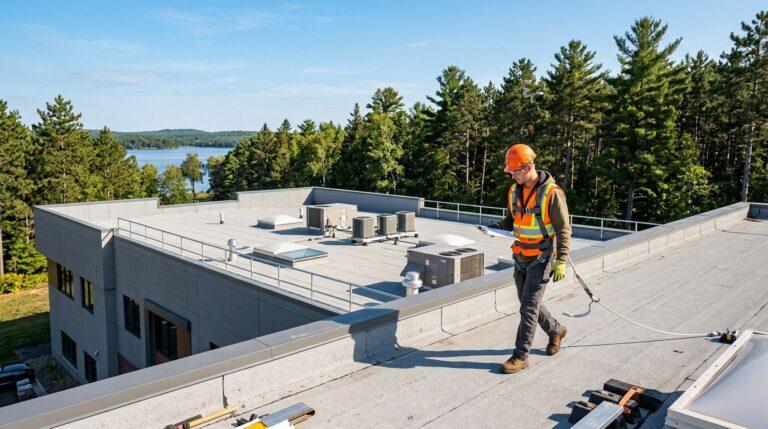
Regular inspections—at least twice a year and after major storms—identify membrane wear, flashing deterioration, and drainage issues early. Certified inspectors use infrared imaging and moisture detection tools to find hidden leaks before they escalate into structural damage, enabling cost-effective maintenance and warranty compliance.
Regular Roof Inspections
Regular inspections—at least twice a year and after major storms—identify membrane wear, flashing deterioration, and drainage issues early [3, 4]. Certified inspectors use infrared imaging and moisture detection tools to find hidden leaks before they escalate into structural damage [4].
This source supports the article’s discussion on why regular roof inspections are essential for weather damage prevention.
What Maintenance Practices Reduce Risks: Drainage, Coatings, and Ventilation?
Maintaining clear scuppers and internal drains prevents ponding water that accelerates membrane failure. Applying reflective roof coatings every 5–7 years enhances UV protection and seals minor cracks. Ensuring proper attic or deck ventilation balances temperature extremes, reducing thermal cycling stress on roofing materials.
How Does Seasonal Preparation Protect Commercial Roofs from Extreme Weather?
Before winter, remove debris and apply ice-melt cables to prevent ice dams. Ahead of storm season, secure loose flashings and tighten fasteners. In hot months, inspect sealants around equipment curbs and reapply UV-resistant coatings. These seasonal steps fortify the roof for upcoming weather challenges.
What Are the Benefits of Weatherproofing and Protective Roof Coatings?
Weatherproofing with elastomeric coatings seals hairline cracks, improves membrane elasticity, and reflects up to 70% of solar radiation, lowering cooling costs. Some coatings include anti-microbial additives that inhibit algae and mold growth, preserving membrane appearance and performance over time.
How Do Roofing Contractors Provide Expert Services for Weather-Damaged Commercial Roofs?
Professional roofing contractors bring specialized assessment tools, emergency response capabilities, and insurance claim support to every weather-damage project.
What Should You Look for in a Commercial Roofing Contractor for Weather Damage Repair?
Choose a contractor with certified technicians, comprehensive insurance claim experience, and 24/7 emergency service availability. Verify manufacturer certifications for TPO, EPDM, and PVC systems and confirm references for post-storm repairs. A reliable contractor will provide detailed inspection reports and transparent cost estimates.
How Do Contractors Conduct Damage Assessments and Roof Inspections?
Contractors use infrared thermography, moisture scanning, and visual mapping to pinpoint membrane failures and moisture intrusion. They document damage with annotated photos, drone footage, and annotated diagrams. Detailed inspection reports outline repair scope, material specifications, and recommended timelines for restoration.
What Emergency Services Are Available for Storm-Damaged Commercial Roofs?
Emergency services include temporary tarping, rapid-response leak sealing, and protective board installation to stabilize the roof. Many contractors maintain on-call crews that respond within hours, preventing interior damage and business disruption until full repairs can be scheduled.
How Do Contractors Support Insurance Claims and Documentation?
Experts compile accurate damage inventories, prepare official scope-of-work proposals, and accompany property owners during adjuster meetings. They provide cost-benefit analyses for repair versus replacement, ensuring insurance funding covers the optimal solution without surprise out-of-pocket expenses.
What Are the Steps to Take Immediately After Severe Weather Damages a Commercial Roof?
A structured post-storm workflow helps you secure the property, document damage, and arrange repairs efficiently.
How to Perform a Safe Initial Roof Damage Assessment?
Begin by visually surveying the roof perimeter from the ground for membrane tears, displaced flashings, and pooled water. Use binoculars to inspect membrane surfaces without walking on potentially compromised decking. Note urgent issues and mark safe access points for professional inspectors.
When and How to Contact Emergency Roof Repair Services?
Contact emergency roof repair services immediately if you observe active leaks inside or see large membrane tears. Provide photos or drone footage to the repair team, and confirm their 24/7 availability. Early engagement ensures tarping and temporary sealing occur before interior damage worsens.
What Temporary Measures Can Protect the Building Until Repairs Are Completed?
Applying large tarps over damaged areas diverts water away from the membrane. Use self-adhesive sealant patches on small punctures and install protective boards beneath equipment mounts. Clearing debris from drains and scuppers ensures temporary fixes remain effective during ongoing rain.
How to Document Damage for Insurance and Repair Purposes?
Photograph all damaged areas with date-stamped imagery, capturing wide-angle and close-up views of punctures, tears, and interior stains. Create a log of inspection findings, annotate each image with location details, and gather invoices for tarping or emergency sealant. Organized documentation accelerates insurance claims and repair scheduling.
Commercial roofs endure significant challenges from weather extremes, but understanding damage types, spotting early signs, and acting swiftly transforms potential crises into manageable repairs. By choosing the right materials, implementing preventative maintenance, and partnering with certified contractors—such as those specializing in Wayzata commercial roofing services—you safeguard your investment and minimize downtime.
Remember, a proactive approach that blends seasonal preparation with prompt expert intervention is your strongest defense against the next storm. Schedule a professional inspection today to protect your roof’s performance and extend its service life.
Need a roof inspection in Saint Paul or the Twin Cities? Call Sellers Roofing Company at +1-651-703-2336 or schedule a free estimate. We are a black-owned, NMSDC-certified MBE roofing contractor with 9+ years experience.