Last updated: 2026-08-01 by Ted Sellers, Owner
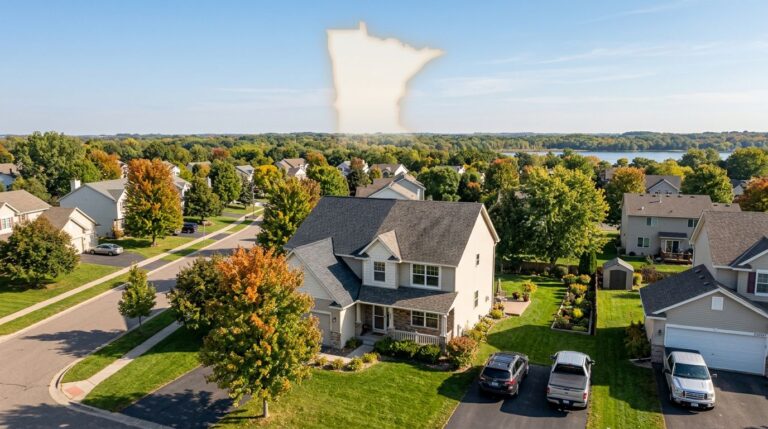
Yes. In Minnesota, insurance roof repair instead of replacement often applies after storm damage or other covered events under your homeowner’s insurance. An insurer can require roof repair when the damage is limited, the rest of the roof still works, and the policy only owes the cost of fixing the damaged part. The carrier still has to pay for code-required work tied to the loss, but it usually does not owe a full roof replacement just because the old materials won’t match perfectly.
Key Takeaways
- In Minnesota, insurers can require roof repair instead of full replacement when storm damage is limited and the rest of the roof still functions, paying only for covered damage plus code-required work—not matching materials or upgrades.
- Thorough documentation like photos, moisture readings, and professional inspections is essential to distinguish isolated damage from broader issues and support claim supplements for hidden problems like wet insulation.
- Follow a step-by-step claim process: review the policy and adjuster scope, perform temporary mitigation only, compare to actual conditions, and push back with proof if the repair scope is too small.
- Minnesota law lacks a blanket matching rule, prioritizing functional repair over appearance; old repairs or wear may complicate claims but do not automatically deny new storm damage coverage.
When This Applies
Partial damage on a roof that still works
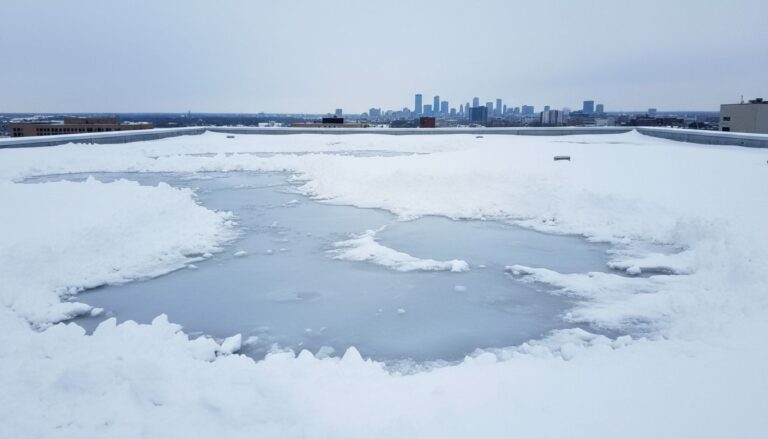
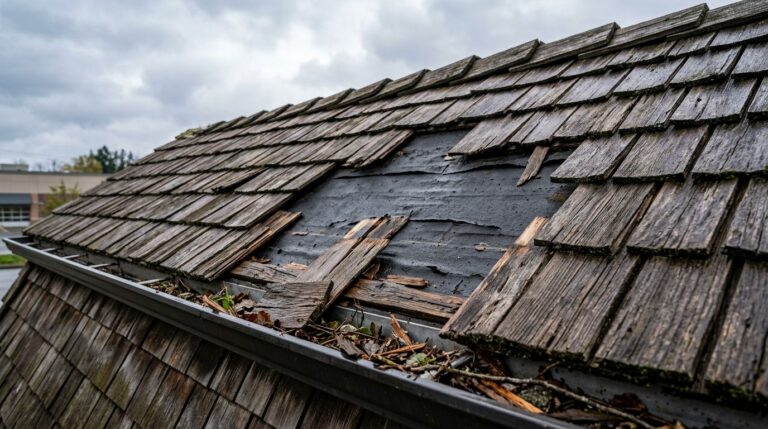
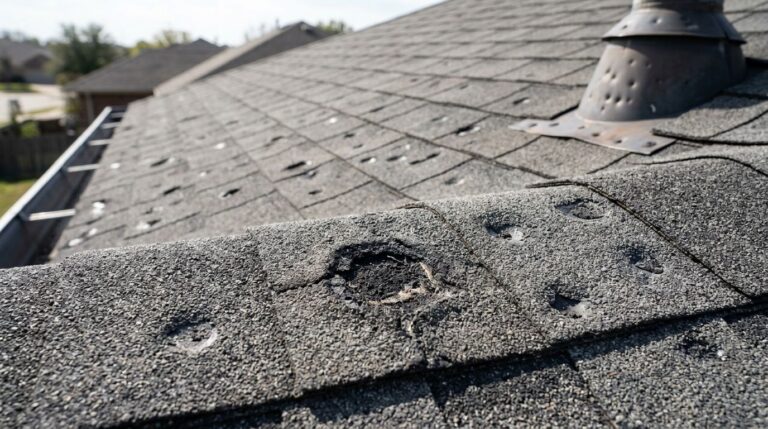
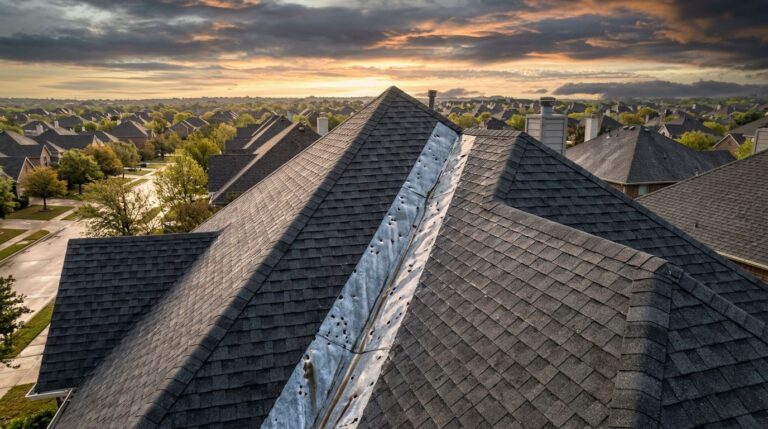
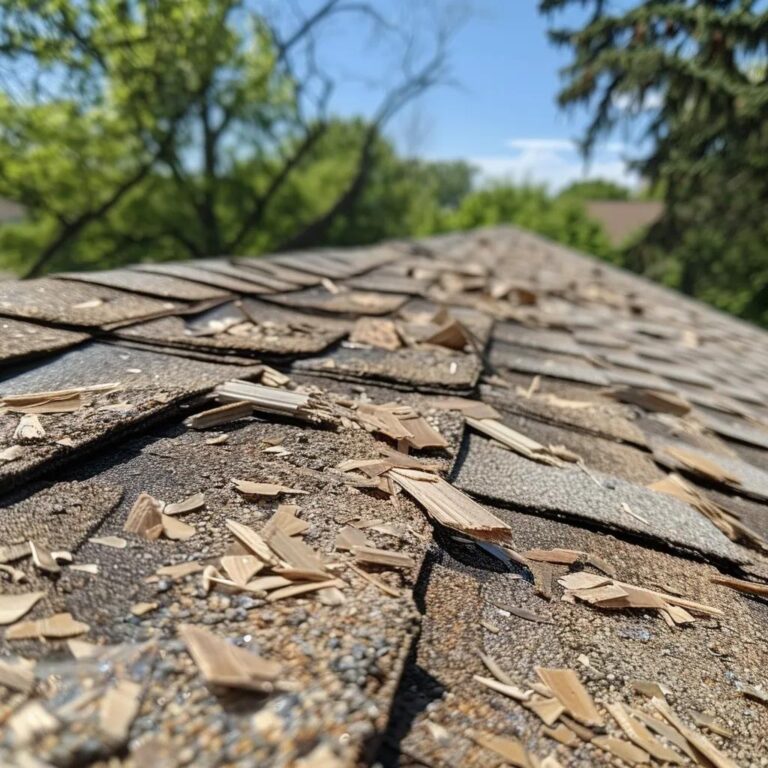
For insurance roof repair in Minnesota, the key issue is scope. If the loss is hail damage, wind damage, a small puncture, a few torn shingles, a lifted seam, or damaged flashing in one area, this often qualifies as a partial loss, and the insurer may owe only that repair. A commercial roof needs repair, not replacement, when the rest of the system is dry and sound.
A quick inspection can separate a local problem from a wider one, while distinguishing the claim from general wear and tear. A professional commercial roof inspection helps show whether the damage is isolated or spread across the field.
| Situation | Likely carrier position | What it means for you |
|---|---|---|
| One damaged area | Repair | Fix the broken section and keep the rest |
| Hidden moisture after tear-off | Scope may grow | Add missed items if they tie to the same loss |
| Broad seam failure or wet insulation | Replacement may fit better | Repair may not stop the leak |
| Building code-required edge or underlayment work | Repair plus code items | The claim may include more than the visible damage |
That is the cleanest way to think about it. The carrier is not paying for a nicer roof or to overcome the difficulty of matching materials. It is paying for covered damage, plus any code work that the loss triggers.
When repair is too small for the real loss
Sometimes the first estimate is short because the roof leak showed up far from the actual breach. On TPO, EPDM, and metal roofs, water can travel before it stains a ceiling tile. That is why a small interior leak can hide wet insulation, crushed cover board, or membrane damage across a wider area.
If tear-off uncovers those conditions, the answer changes. A short patch may no longer fit the job, and the claim may need a supplement for the missing covered work. That supplement should add documented damage, not upgrades or unrelated maintenance.
Code, ACV, and Minnesota’s rules
Minnesota law generally limits payment to the damaged part, plus any minimum code work that goes with it. The state does not create a blanket matching rule that forces a whole roof replacement just because a repair won’t blend perfectly. If the policy pays replacement cost, more money may come after the work is done and documented. If it pays actual cash value, depreciation matters up front. A Minnesota roof insurance coverage guide can help you sort out that difference.
Step-by-Step
Follow the Insurance Claim Process in the Right Order
The safest path is simple, because moving too fast can weaken the file.
- Read the insurance adjuster’s scope and your policy side by side. Look for the cause of loss, the date, the deductible (which applies regardless of repair or replacement), and whether payment is replacement cost or actual cash value. Ask for the estimate and claim notes in writing.
- Document the roof before permanent work starts. Take photos, moisture readings, measurements, and roof-markups. Homeowners should request a free inspection or professional roof inspection to gather proof of damage. On large commercial roofs, that record matters because the leak source is often far from the stain. If the cause is still unclear, a commercial roof inspection in Saint Paul can help show what changed.
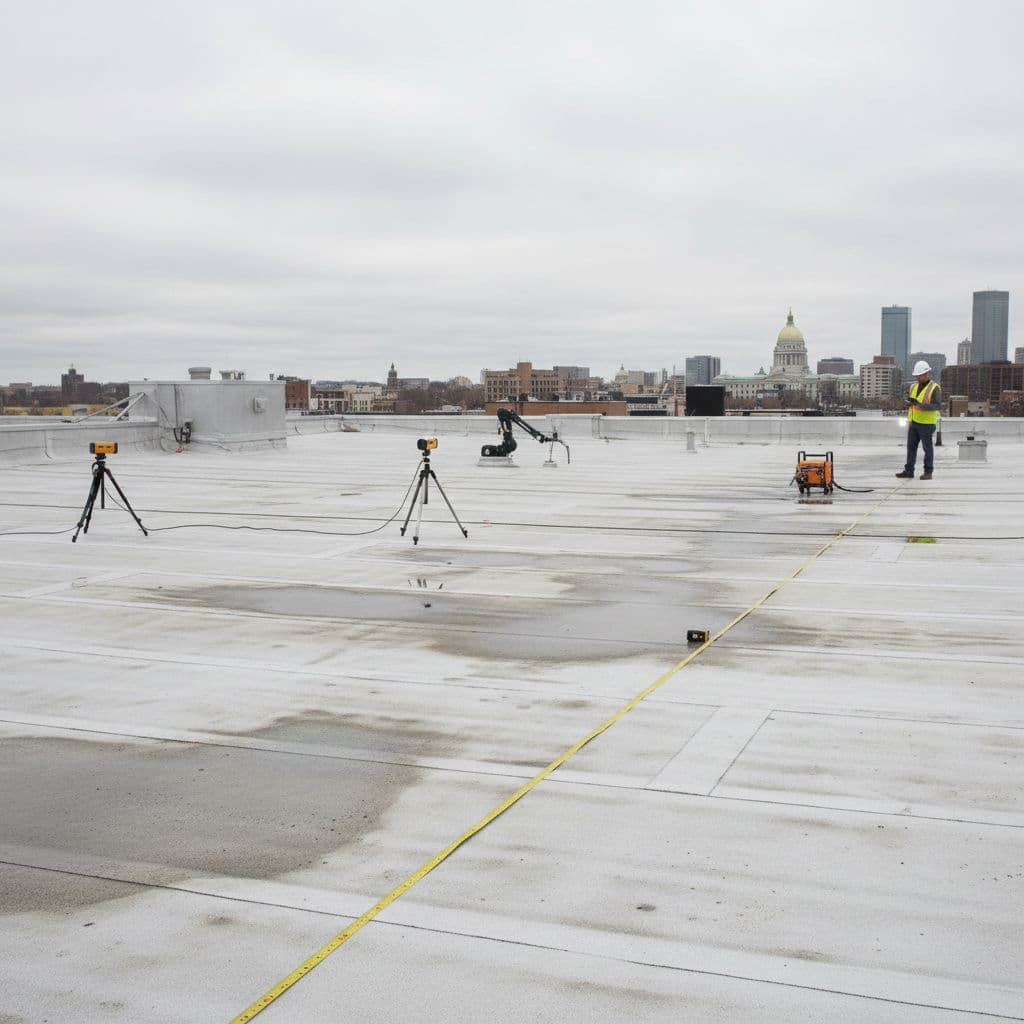
3. Compare the approved scope to the real roof condition. If crews find wet insulation, damaged flashing, crushed edge metal, or membrane punctures beyond the first area, the original repair scope may be too small. Consult a roofing contractor for supplemental documentation. That is when a supplement belongs. A commercial roof leak detection service can help identify where the water actually entered. 4. Keep emergency work temporary. Tarps, dry-in work, drain clearing, and small leak-stopping patches are reasonable. Large tear-off or permanent replacement before inspection can raise questions later. Save receipts, work logs, and photos of every temporary fix.
Temporary mitigation protects the building and the claim. Permanent work should wait until the scope is clear.
- Push back with proof if the carrier still wants repair only. Ask for the reason in writing. Then respond with photos, quantities, code notes, and, if needed, a reinspection request. If the damage is broader than the first scope, a Saint Paul commercial roofing team can compare commercial flat roof repair with commercial roof replacement. If you still want a cost comparison, a roof repair vs replacement in Minnesota guide can help frame the numbers before you sign.
A good repair claim is built like a file, not a guess. The more clearly you show what happened, the easier it is to separate covered damage from old wear.
FAQ
Can an insurer force repair if I want replacement?
Yes, if the loss is limited and the roof can still perform its job. The carrier does not have to fund a full commercial roof replacement at replacement cost value just because replacement feels safer or cleaner. It does, however, have to pay for covered damage and any code work tied to that loss. If the tear-off shows broader damage, the scope can change.
What if the repaired section won’t match the rest of the roof?
Minnesota does not have a broad rule that forces full replacement because a repair looks different. Per the match law in Minnesota Statute, matching problems can matter in some policies, but state law usually focuses on the damaged part at actual cash value after accounting for depreciation and roof age. On a commercial property, function matters more than appearance. If the patch solves the leak and the rest of the roof is sound, repair may be enough.
Do old roof repairs hurt the claim?
They can give the insurer an argument, but they do not end coverage on their own. The carrier still has to show that the current loss came from old defects, wear (factoring in depreciation and roof age), or excluded damage, such as past issues with ice dams common in Minnesota. If a new storm opened a different area, that damage may still be covered. Good photos and service records help separate the old work from the new event.
What if wet insulation is found after tear-off?
That usually strengthens the case for a larger scope. Photograph it in place, record moisture readings, and tell the carrier before it is removed. Wet insulation is often a hidden loss item on flat roofs, and it can change a small repair into a broader commercial flat roof repair or replacement. Do not throw away the evidence before it is documented. If a dispute remains, it may go to an appraisal panel.
Should I wait for the adjuster before making emergency repairs?
No, not if the building is still taking on water. Temporary dry-in work is normal, and carriers usually expect you to prevent more damage. Keep the work temporary and keep every receipt. Once the leak is stable, move back to the claim file and get the permanent scope approved before you authorize the final repair.
Conclusion
The real deciding factor is scope
Minnesota insurers, including those handling homeowner’s insurance, can require roof repair instead of roof replacement when the storm damage is limited and the rest of the system still works. They usually do not owe a whole roof just because the new material will not match the old roof.
The question changes when hidden moisture, failed seams, code items, or wider damage show up after inspection. Then the claim may point past a simple patch and toward a larger repair or roof replacement, potentially including a more complex repair estimate with overhead and profit.
For business owners, the strongest move is to document early, keep mitigation temporary, and challenge a short scope with facts. Proper documentation is the best defense against a denied claim. That is how a roof claim for storm restoration stays tied to the actual loss, not the first guess.
Need a roof inspection in Saint Paul or the Twin Cities? Call Sellers Roofing Company at +1-651-703-2336 or schedule a free estimate. We are a black-owned, NMSDC-certified MBE roofing contractor with 9+ years experience.