Last updated: 2026-09-27 by Ted Sellers, Owner
Before buying, request Minnesota roof records that verify the roof’s age, legal status, condition, and repair history. The file should document any roof replacement, including permits, final inspection, signed contract, paid invoice, warranty, materials, photos, maintenance, and storm or insurance records. Through the transaction, real estate agents can request these documents. A contractor’s client history supports the file, but missing records may indicate unpermitted work.
Key Takeaways
- Request a complete Minnesota roof record file, including the signed contract, paid invoice, permit and final inspection, warranty, materials, photos, maintenance, and storm or insurance records.
- Verify roof records against city permit data, contractor licensing, client history, installation dates, addresses, and the roof’s visible condition before inspection or financing contingencies expire.
- Full reroofs commonly require local approval, and unresolved permits can lead to added inspections, corrective work, fees, closing delays, or insurance complications.
- A buyer’s roof inspection should check decking, flashing, ventilation, attic moisture, ice-dam risks, storm damage, and concealed defects; commercial roofs also need moisture scans, drainage records, leak reports, and membrane documentation.
- Missing records do not automatically prove unpermitted work, but they reduce certainty and may provide grounds for further investigation, negotiation, or a professional roof estimate before closing.
Table of Contents
Use this roof-record audit before closing
- When these records apply to your purchase
- Documents that prove a roof’s history
- How to request and verify each record
- Permit requirements and local fee differences
- What an inspection should confirm
- Commercial roof records and hidden moisture
- Frequently asked questions
- Final thoughts before you buy
When This Applies to a Minnesota Home Purchase
A recent roof replacement needs a paper trail
This applies when a seller reports a residential roof replacement, a major residential roof repair, hail work, or an insurance-funded Minnesota roofing project. It matters most if the work occurred within the last 10 to 20 years, followed a major storm in the Twin Cities metro, or supports the home’s asking price.
The records show whether the roof was installed as described and whether the contractor was licensed. They should also confirm that required inspections, including the final inspection, were completed.
City building permit data may show the project approval, inspection status, and permit fees. The contractor’s invoice and client history can supplement the seller’s file when records are incomplete.
Minor repairs may not have permits
A small flashing repair, limited shingle replacement, or isolated leak repair may not require approval. A full tear-off and reroof commonly does.
Don’t assume a missing record proves unpermitted work. Ask the seller for the contractor invoice, then contact the city to confirm whether the work was exempt, permitted later, or still unresolved.
Request These Minnesota Roof Records First
Start with proof of installation and approval
Ask for the roof replacement permit number, issuing city, project scope, contractor name, permit fees, and final inspection status. Confirm the roofing contractor’s name matches the seller’s records and its client history. An invoice alone does not prove code compliance.
A final permit record is stronger because its building permit data ties the roof to a specific address, date, approved scope, and installation. For Minneapolis properties, review the city’s roofing permit requirements as part of Minnesota roofing due diligence.
Request these documents:
- The signed roofing contract and a paid invoice.
- The permit record and final approval or certificate of compliance.
- Manufacturer warranty registration and transferable warranty terms.
- Material details and service records, including shingle brand, color, underlayment, ice-and-water membrane, vents, flashings, and drip edge.
- Before-and-after photos, especially if the roof replacement included removing the old roof. A tear-off inspection can help confirm the underlying deck was reviewed.
Keep storm and insurance records separate
A storm damage roof file should identify the storm date, visible damage, temporary repairs, carrier estimate, deductible, and final contractor scope. It should not blend hail damage with old wear, ice dam removal, or deferred maintenance.
Ask for the adjuster’s estimate, photos, repair supplements, proof of loss paperwork, and receipts for tarping or emergency repairs. Insurance professionals can help interpret the insurance claim file when records conflict. Use client history to reconcile different dates, damage descriptions, or repair scopes. The Minnesota roof storm damage insurance guide explains why dated photos and written scopes matter before permanent work hides the evidence.
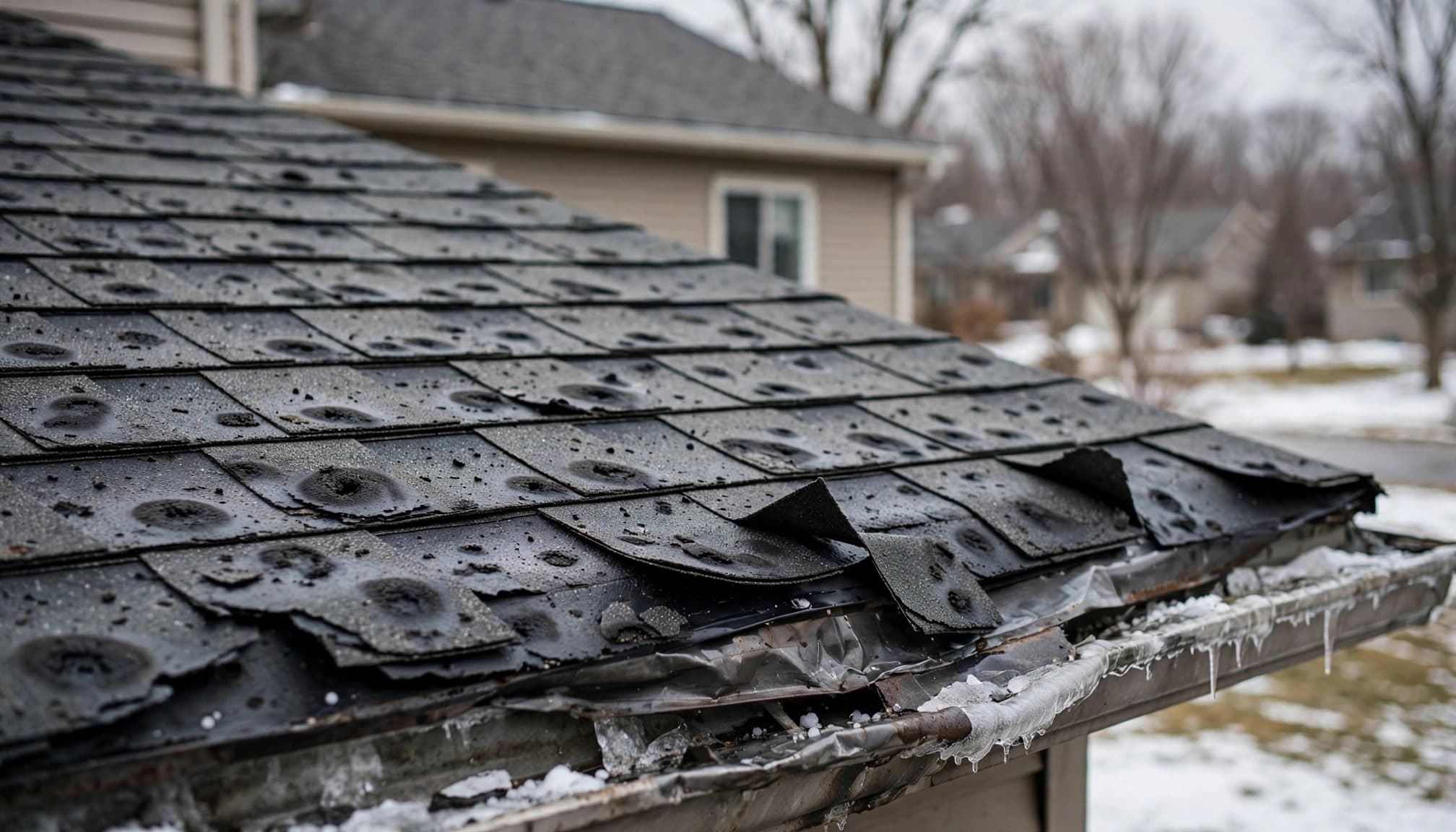
A new-looking roof can still have an incomplete record. The permit final, material warranty, and paid invoice should all point to the same installation date and contractor.
Step-by-Step: How to Verify Roof Records Before Closing
1. Ask the seller before inspection contingencies expire
Request documents in writing through your real estate agents. Ask for a complete Minnesota roofing file, not a summary. Include contracts, invoices, warranties, photos, and permit records. If the seller can’t locate records, note that gap before you remove inspection or financing contingencies.
Compare names, dates, and addresses. A warranty from a different address, a paid invoice without a scope, or photos without dates should trigger follow-up questions. Ask whether permit fees were paid and whether any missing approvals suggest unpermitted work.
2. Search the city permit system and contractor license
Use the permit number or property address to check municipal records. Compare the municipal permit details and permit fees with building permit data. Rochester buyers can search permits and inspections through Accela Citizen Access. In the Twin Cities metro, confirm permit status through the city’s construction permit and inspection system.
Also verify the roofing contractor’s Minnesota contractor license. Review the contractor’s client history, especially similar residential projects. A valid license today doesn’t prove every past job was correct, but it confirms whether the company was eligible to perform regulated work.
3. Match the record file to the roof you can see
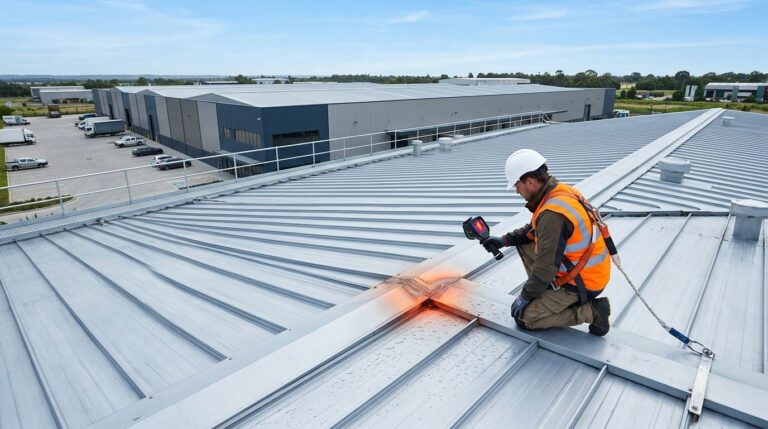
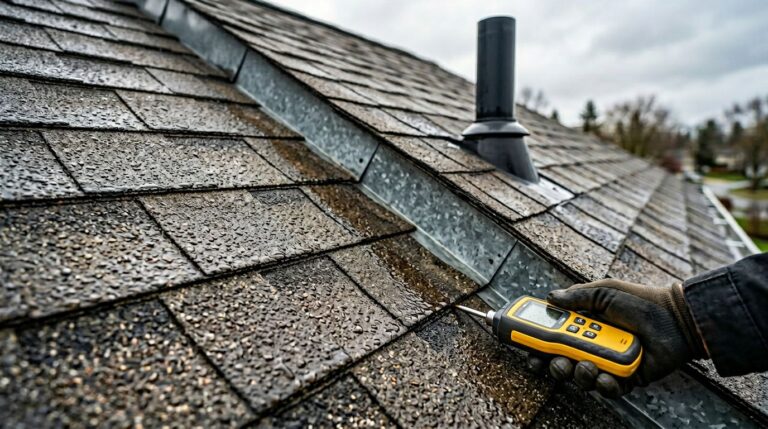
Have your home inspector or roofer compare the documents against the actual residential roof. If records say standing-seam metal roofing but the home has exposed-fastener panels, the scope changed. If the invoice lists shingle replacement but attic ventilation and flashing were untouched, ask why.
Request dated job photos and crew records when the paperwork conflicts with what you see. Those details from field operations can clarify which materials were installed and when. Have a qualified inspector perform a deck inspection if the decking feels soft or could conceal damage.
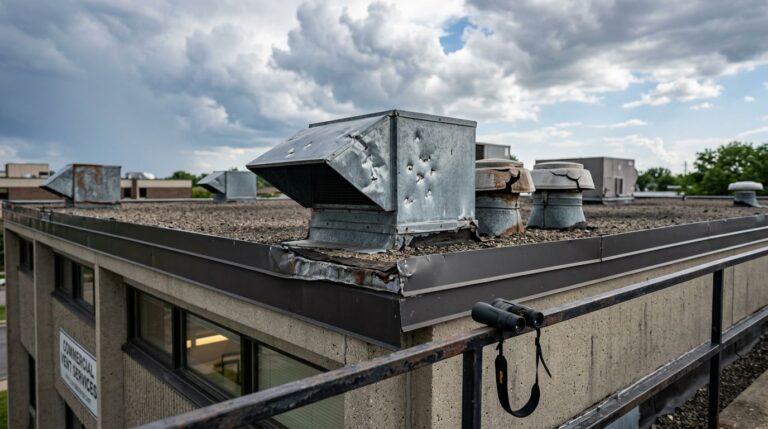
For a storm damage claim, look for lifted tabs, fresh granule loss, bent flashing, damaged vents, and interior staining. Never rely only on a ground-level look.
Does a Minnesota Roof Replacement Require a Building Permit?
Full reroofs often require local approval
Minnesota roofing requirements are administered by cities, not through one statewide process. Minnesota follows statewide construction standards, including the International Residential Code, while local officials manage approvals. In the Twin Cities metro, a full roof replacement usually requires approval, especially after tear-off and re-covering.
Minneapolis has roofing permit and contractor requirements for asphalt shingle work. Saint Paul calculates permit fees from the estimated project cost, with an $85 minimum plus the state surcharge. Bloomington lists a $150 residential roofing permit, plus applicable surcharge and verification fees. These examples can change, so compare current building permit data before relying on them.
Permit fees are small compared with unresolved risk
Fee amounts vary by city and project scope. Minneapolis also charges for inspections without a permit or reinspections, and cities may require a final inspection. Check current figures through the city’s building permit fee schedule instead of trusting an old listing.
Unpermitted work can mean retroactive applications, added inspections, corrective work, reinspection charges, and closing delays. It may also create code compliance questions or complicate an insurance claim if the insurer questions installation quality or required work.
A homeowner may be allowed to pull a permit in some cities under owner-occupant rules. That is a local decision, not a statewide right. The permit record should identify who applied, who performed the work, and whether contractor eligibility or client history was documented.
What Should a Roof Inspection Confirm?
Tear-off photos reveal what the new roof covers
On most inspections, the most valuable roof photos come from a tear-off inspection. They show rotten decking, wet insulation, multiple old layers, failed flashing, and ice-and-water protection at vulnerable edges.
A deck inspection can identify soft or concealed decking that surface views may miss. Service records and the contractor’s client history may also clarify recurring repairs.
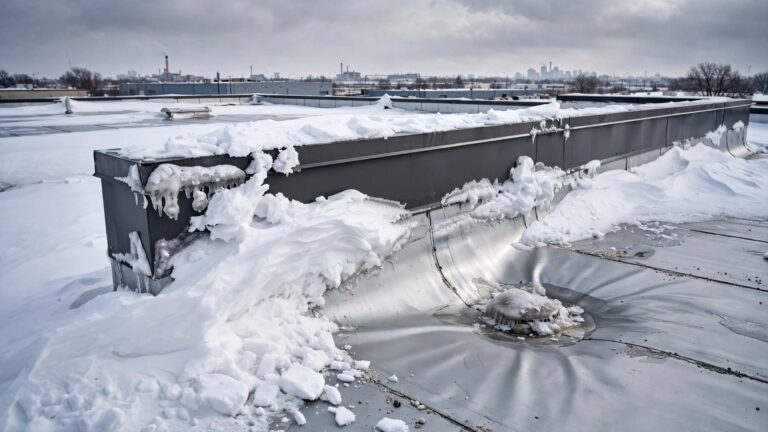
For Minnesota roofing, cold-weather details matter. Freeze-thaw movement, snow loads, and ice dams can expose weak valleys, wall transitions, plumbing boots, and chimney flashing long before the shingles look worn out.
Final inspection does not replace a buyer’s roof review
A municipal final inspection focuses on code requirements. Your buyer inspection should focus on present condition and future cost. Ask home inspectors about shingle age, ventilation, attic moisture, soft decking, gutter discharge, and signs of recurring residential roof repair.
For a home with uncertain age or storm history, Get a Free Residential Roof Estimate before closing. A written roof scope gives you a clearer repair-versus-roof replacement decision.
Commercial Roof Records Need More Detail
Flat roofs have different failure points
A commercial flat roof in the Twin Cities metro needs records for its membrane system, prior repairs, drains, flashings, insulation, warranties, and service records. Minnesota roofing faces freeze-thaw cycles, snow loads, and severe weather, while TPO roofing, EPDM, modified bitumen, and BUR each fail differently.
Ask for prior commercial roof inspections, leak reports, moisture scans, test cuts, coating specifications, and repair maps. The project file should include permits, permit fees, and the contractor’s client history. A commercial roof restoration or commercial roof coatings project may extend service life, but it doesn’t fix saturated insulation or failed drainage.
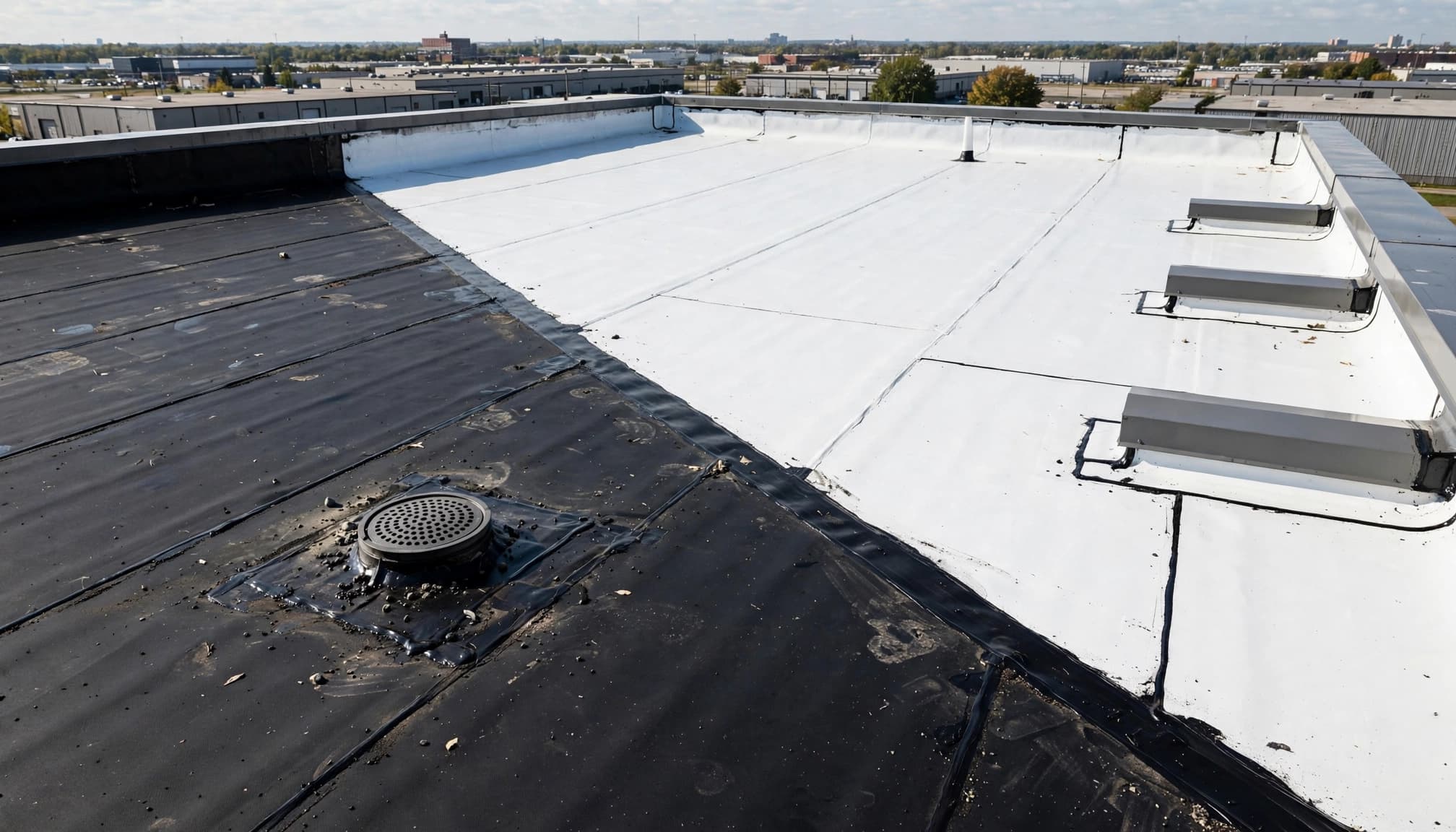
Hidden moisture changes the purchase decision
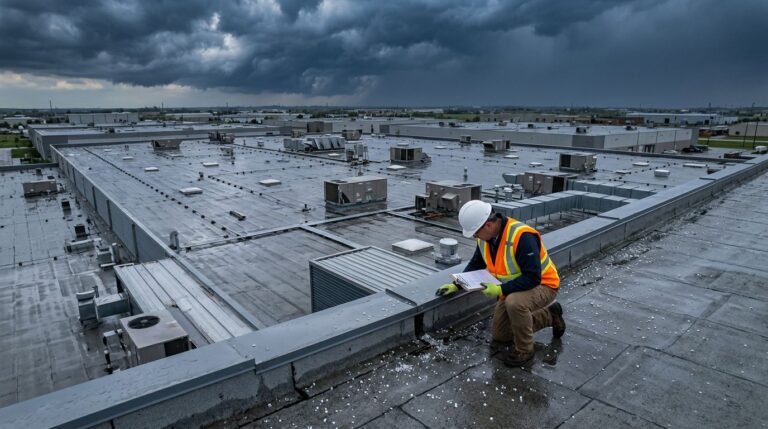
A commercial roof inspection should identify open seams, punctures, ponding, deteriorated curb flashing, blocked drains, and wet insulation. A surface-only review can miss water traveling beneath the membrane.
For a building with prior leaks or storm repairs, Get a Free Commercial Roof Inspection before accepting the seller’s remaining-life estimate. Moisture mapping and leak-source testing can separate a limited commercial roof repair from a commercial roof replacement.
Frequently Asked Questions
Are permit fees covered by a roof insurance claim?
Sometimes, but not automatically. Coverage depends on the policy, claim scope, and whether the permit work is required because of a covered loss. Review the carrier estimate and policy language before assuming fees or code upgrades are included.
What happens if a seller cannot find the roof warranty?
Contact the manufacturer with the property address, installation date, contractor name, and invoice. Some warranties are transferable only within a defined period and may require formal transfer paperwork. A missing warranty isn’t proof the roof failed, but it reduces the value of the seller’s claim.
A contractor’s client history can support due diligence, but it can’t replace a permit, warranty, or inspection record.
Can I file a claim without interior water damage?
Yes, if there is documented functional storm damage. Hail strikes, wind-lifted shingles, damaged flashing, membrane punctures, or seam failure can support an insurance claim before water reaches the ceiling. The claim still depends on policy terms, cause, and timely reporting. Discuss coverage questions with insurance professionals when policy language is unclear.
Should old ice dam repairs be included with hail records?
Keep them separate. Ice dam removal and meltwater damage can have different causes and coverage treatment than hail or wind. A clean file helps distinguish a fresh storm-created opening from recurring winter moisture problems.
Who should inspect a roof with no permit history?
Use a qualified local roofing contractor familiar with Minnesota roofing and the roof system involved. Sellers Roofing Company, located at 801 Transfer Road in Saint Paul, holds MN License 803862 and uses union-built roofing crews connected with IUPAT Local 96, Carpenters Local 322, and Laborers Local 563. Its GAF-certified crews inspect both Saint Paul roofing and Minneapolis roofing projects.
Final Thoughts Before You Buy
A complete file protects the buyer
Before closing, confirm the Minnesota roof records identify the installation date, contractor, materials, permit status, inspection result, and repair history. Real estate agents should help resolve conflicting roof replacement records before final negotiations.
Permit fees and approval data belong in the file, while contractor client history is secondary evidence. Unresolved gaps may leave unpermitted work or residential roof costs open for negotiation.
Act before the evidence disappears
A clear record supports negotiation, repair planning, and future insurance documentation. If active leaking begins before closing, Call 651-703-2336 for 24/7 Emergency Roofing and preserve photos, receipts, and the damaged materials.
Need a roof inspection in Saint Paul or the Twin Cities? Call Sellers Roofing Company at +1-651-703-2336 or schedule a free estimate. We are a black-owned, NMSDC-certified MBE roofing contractor with 9+ years experience.