Last updated: 2026-08-01 by Ted Sellers, Owner
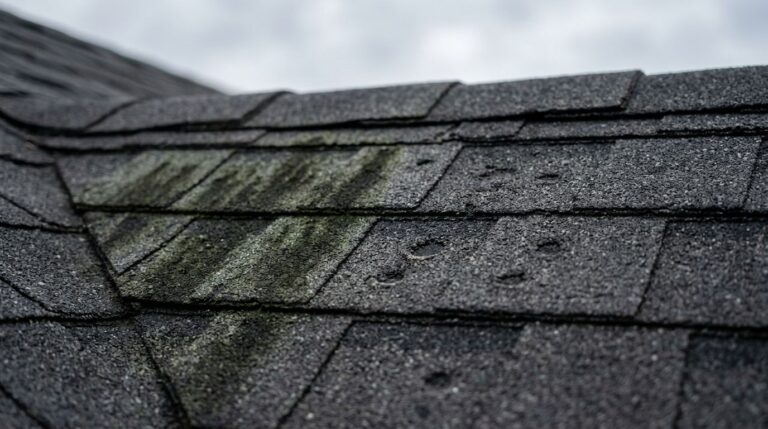
Usually, no, not for minor cosmetic hail marks alone. A roof hail damage claim makes sense when the storm caused functional damage, shortened roof life, created leaks, or pushed repair costs well past your deductible. For commercial buildings, the best move is to document the roof, get a professional inspection, and compare the damage with your policy terms before filing.
When This Applies
Minor hail damage is not always a claim
This applies to commercial building owners, property managers, and facility teams who control roof budgets and insurance decisions. It matters most after a hailstorm when the roof shows dents, scuffs, or small impact marks, but no active leaks.
It does not apply if your lease puts roof claims on the landlord, or if the hail only marked non-roof items like loose metal trim. It also may not apply if the roof damage is clearly old wear, not storm-related.
For most businesses, the real question is simple. Did the storm hurt the roof’s function, or just its appearance?
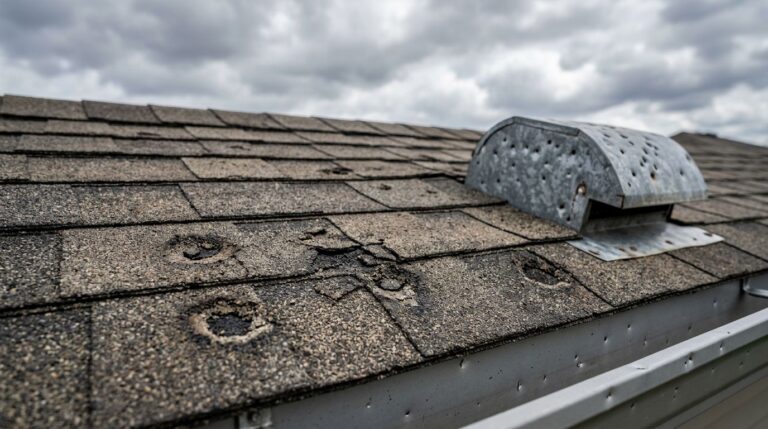
A few small dents on metal coping are often cosmetic. A puncture in a membrane, split seam, broken flashing, or moisture under insulation is different. That kind of damage can shorten service life and lead to bigger costs later.
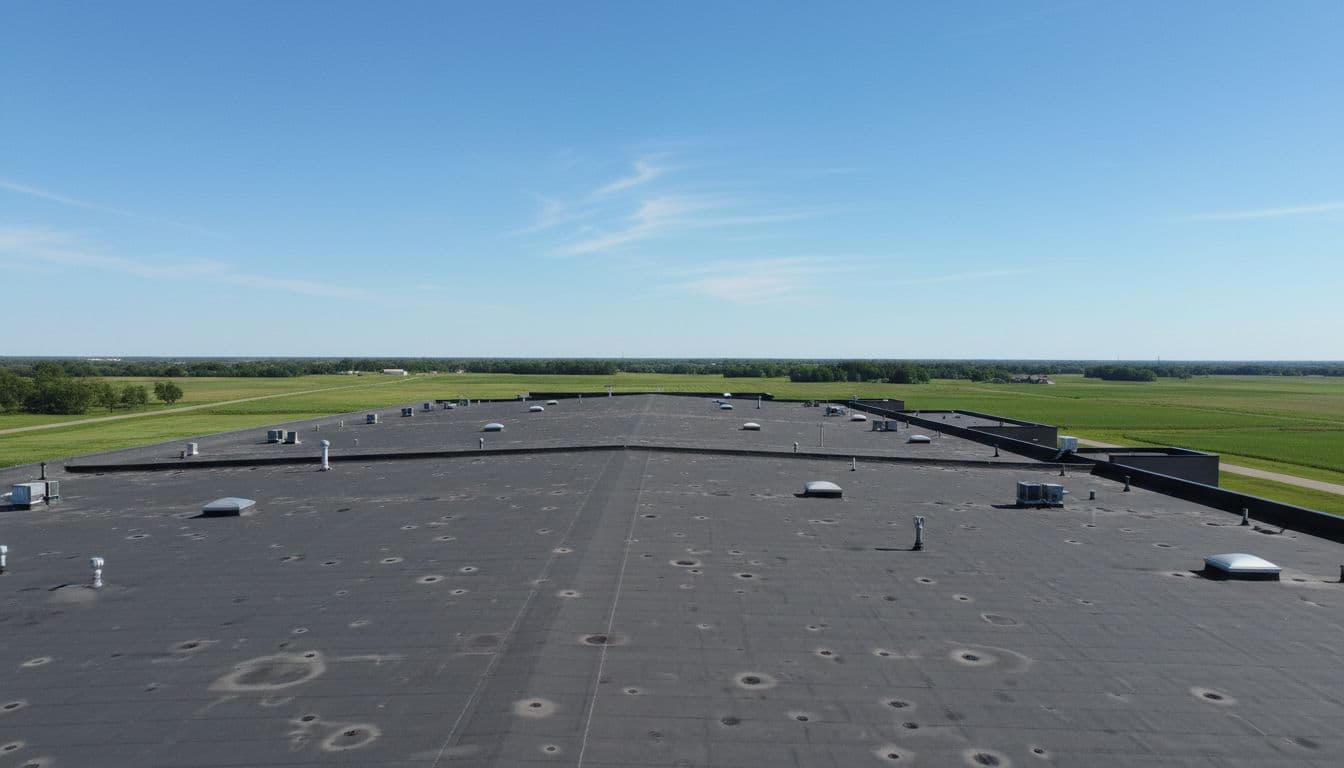
Most commercial owners also carry high deductibles. Because of that, a small repair may not justify opening a claim. A roof hail damage claim is a business decision, not just a roofing one.
Minor hail marks are like a dent in a delivery van. They matter far less than damage that affects performance.
Exceptions that can justify filing
Some cases change the answer. If hail struck seams, fasteners, drains, flashing, or rooftop units, the damage may be more than minor. On low-slope systems, hidden punctures can let water travel far from the impact point.
Cold-weather roofs deserve extra caution. Small impacts can worsen as materials expand and contract over time. Also, if the storm pushed the roof near the end of its useful life, the discussion may shift from repair to commercial roof replacement.
Step-by-Step
How to decide if a roof hail damage claim makes business sense
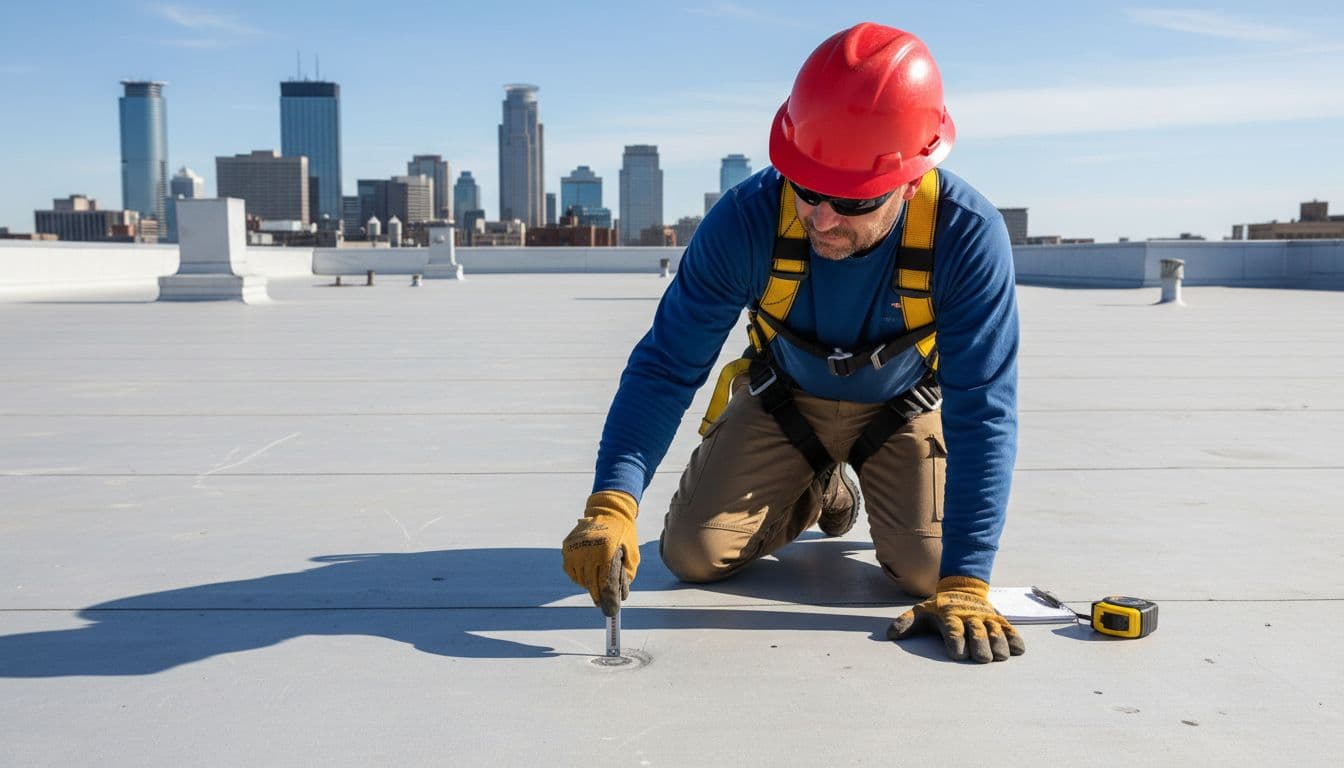
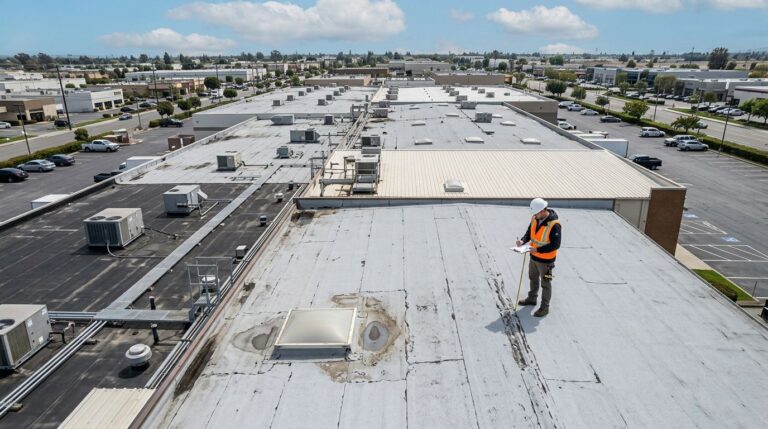
- Confirm what “minor” really means. Don’t rely on ground-level guesses. Have the roof inspected for punctures, cracked flashing, seam damage, bruising, and drain issues. Cosmetic marks alone usually do not justify a claim.
- Document the storm and the roof condition. Take date-stamped photos, note the storm date, and save maintenance records. Good records help separate new hail damage from old wear.
- Compare the likely repair cost with your deductible. This step is where many owners get clarity fast. A limited area of commercial flat roof repair may cost less than the deductible, which means filing may add paperwork without a real payout.
- Check for hidden moisture or leak paths. On flat and low-slope roofs, water can move sideways before it shows indoors. If there’s any doubt, professional commercial leak detection can help confirm whether the storm created a real water-entry problem.
- Read the policy language before you call in a claim. Look for cosmetic-damage exclusions, notice deadlines, and whether the policy pays replacement cost or actual cash value. Also check how the policy treats code-required upgrades.
- Ask for a repair-versus-replace opinion. A useful inspection report should tell you whether isolated repairs will solve the issue, or whether hail damage affected the roof system more broadly. That matters because a claim that supports repair is very different from one that points toward full replacement.
- Decide quickly, then act on the result. If the evidence shows only cosmetic impact, monitor the roof and handle repairs out of pocket if needed. If the report shows your commercial roof needs repair, or the damage threatens watertight performance, file the claim while the storm evidence is still fresh.
FAQ About Minor Hail Damage Claims
Will filing a claim always raise my insurance premium?
Not always, but it can affect your claim history. Premium changes depend on your carrier, policy, market conditions, and overall loss record, so don’t assume a small claim is cost-free.
Can cosmetic hail damage turn into a bigger roof problem later?
Yes, sometimes. A mark that looks minor can hide membrane stress, loose seams, or damaged coatings, especially on older roofs or large low-slope systems.
What if my roof was already old before the hailstorm?
Age matters, but it doesn’t end the conversation. An old roof can still suffer new storm damage, although the insurer may look closely at prior wear, maintenance, and remaining life.
Why age changes the decision
If the roof was already near failure, a small claim may not solve the larger problem. In that case, you need a clear report showing what the storm caused and what age caused.
Should I file the claim before getting inspection pricing?
Usually, no. First get a solid inspection and a repair scope, because that tells you whether the damage is functional and whether the claim is worth opening.
What happens if I wait too long to report hail damage?
You may weaken your position. Policies often have reporting limits, and delays make it harder to prove the storm caused the damage instead of later wear or foot traffic.
In short, function matters more than appearance. If hail only left light cosmetic marks, filing a roof hail damage claim usually isn’t the best move. But if the storm harmed seams, flashing, membrane integrity, or the roof’s service life, a claim may protect your building and your budget. Treat it like any other business decision, gather facts first, then act with confidence.
Need a roof inspection in Saint Paul or the Twin Cities? Call Sellers Roofing Company at +1-651-703-2336 or schedule a free estimate. We are a black-owned, NMSDC-certified MBE roofing contractor with 9+ years experience.