Last updated: 2026-10-23 by Ted Sellers, Owner
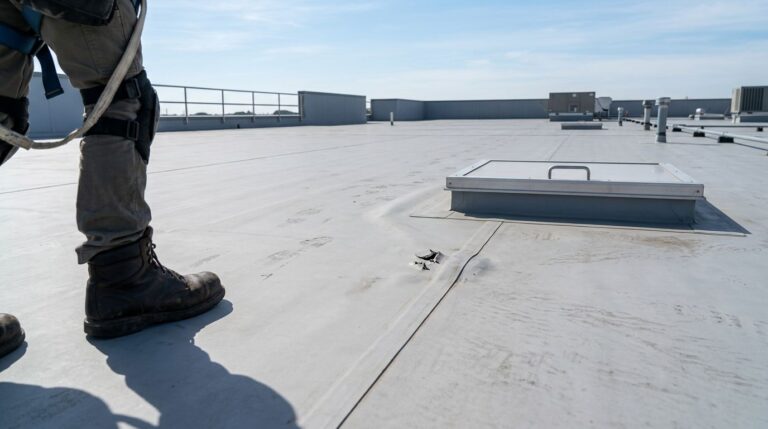
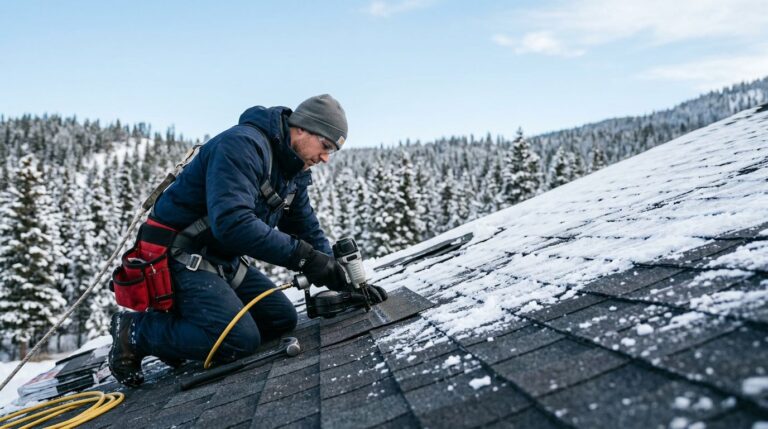
Yes, some commercial roof repairs can be done in freezing weather if the roof is dry, the material allows it, and trained crews can work safely. Emergency leak control, seam repair, and flashing fixes are common. Large adhesive-heavy repairs, wet surfaces, and widespread damage usually need a warmer window or a planned commercial roof replacement.
When This Applies
Freezing weather repair is a judgment call, not a blanket yes or no.
When winter repair is the right call
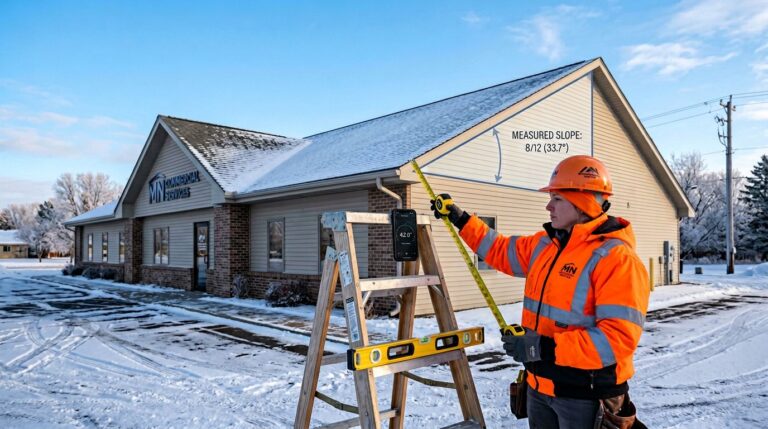
This applies to commercial business owners dealing with active leaks, open seams, punctures, loose flashing, or blocked drains. If waiting means damage to stock, tenant spaces, finished ceilings, or equipment, fast action makes sense. In many cases, a focused commercial flat roof repair in winter prevents a much larger spring bill.
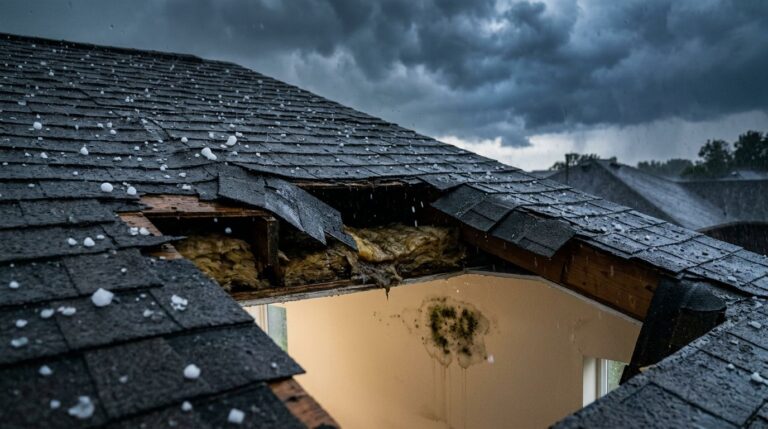
A January leak is like a cracked windshield. Leave it alone, and the problem spreads faster than you expect. That matters even more on low-slope roofs, where water can move sideways through insulation before it shows indoors.
When it doesn’t make sense to force a repair
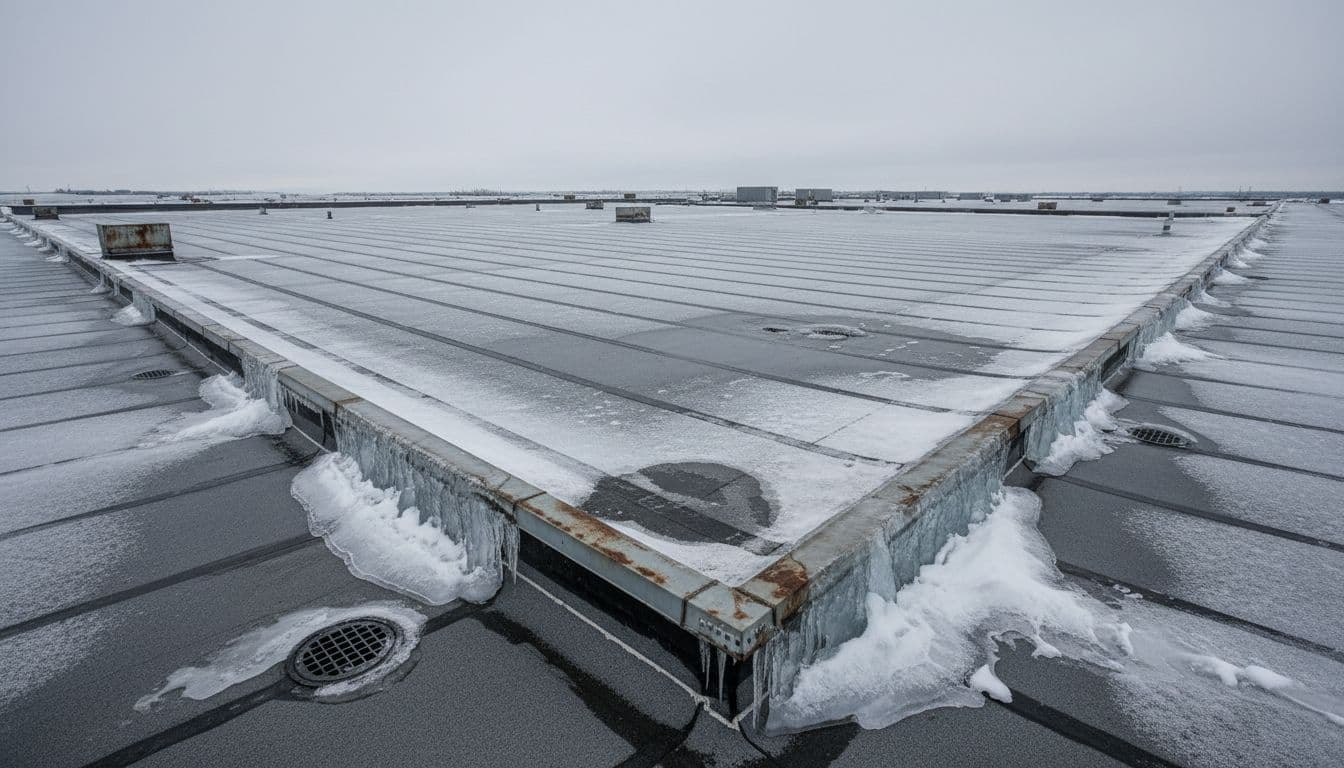
Some conditions shut the job down. If the roof is buried under snow, glazed with ice, or hit by high wind, crews may only be able to do temporary dry-in work. Older membranes can turn brittle in deep cold, and some adhesives lose bond strength when surface temperatures drop too low.
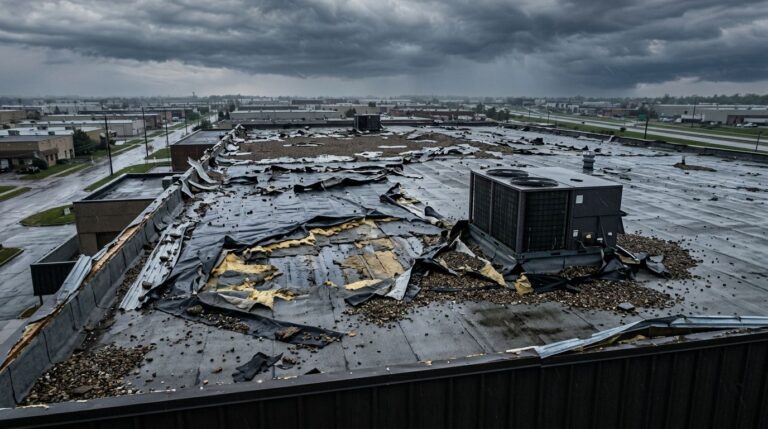
Also, patching isn’t always the smart play. If leaks keep returning, insulation is soaked, or multiple sections have failed, repeated fixes can waste money. In that case, a broader review from Saint Paul commercial roofing experts can help you compare staged repairs against a full commercial roof replacement.
Key exceptions and edge cases
Heat-welded membranes and cold-weather limits
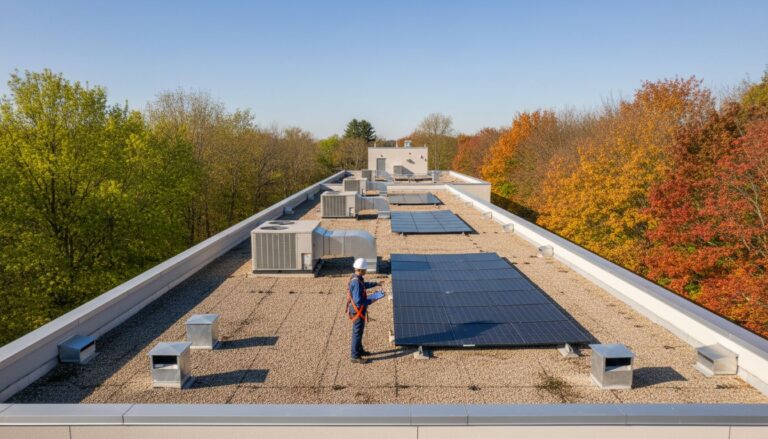
TPO and PVC roofs can sometimes be repaired in winter because the seams are heat-welded. Still, the repair zone must be dry, clean, and warm enough for the weld to hold. EPDM repairs can be harder in freezing weather because surface prep and adhesive cure matter more.
Freeze-thaw damage around drains and edges
Minnesota roofs take repeated hits from thawing by day and refreezing at night. That movement opens seams, stresses flashing, and traps water near drains. As this guide to winter commercial roof maintenance explains, snow load, ice, and drainage checks all affect whether a winter repair will last.
Step-by-Step
When a cold-weather leak hits, speed matters, but guessing costs more.
1. Stop interior damage first
Move inventory, cover equipment, and mark wet ceiling areas. Set containers under drips and document what you see with photos. Those first actions limit damage and help with repair planning.
If water is near power or critical equipment
Treat it as a safety issue first. Keep people clear, isolate the area, and have building staff address electrical risk before roof work starts.
2. Get the roof checked, not guessed
A ceiling stain only tells you where water finished, not where it entered. On a flat roof, the source may sit many feet away. That’s why many owners start with commercial roof leak detection Saint Paul. Moisture mapping and seam checks help crews fix the real breach, not just the symptom.
3. Match the repair to the temperature
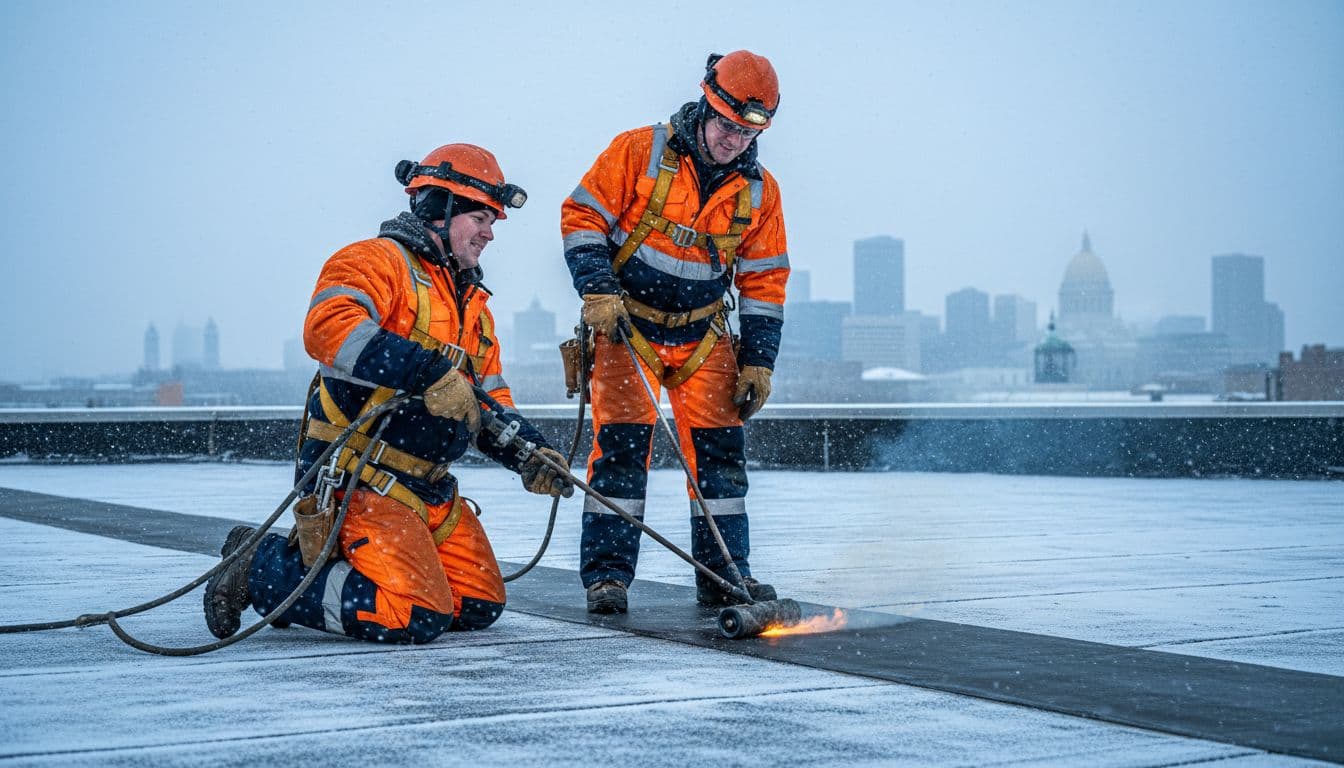
The best roof repair freezing weather plan uses the membrane’s approved method. Crews may heat-weld a TPO patch, mechanically secure loose edge metal, or use a cold-weather sealant around flashing. They also clear snow, remove frost, and dry the repair zone before any patch goes down.
Common winter-safe fixes
Targeted seam repair, flashing reinforcement, drain-area work, and temporary membrane patches often work well. Full coatings, large adhesive-set sections, and broad overlay work usually wait for better conditions.
4. Decide between temporary and permanent work
An emergency patch stops damage, but it may not solve the full problem. If scans show wet insulation, repeated seam failure, or ponding, the roof may need a broader repair scope. That’s the point where owners should compare repair cost, business disruption, and warranty impact against commercial roof replacement.
5. Schedule a follow-up after the thaw
Once weather improves, inspect the roof again. Frozen damage often shows up when snow melts and trapped moisture shifts. A documented spring review, like this Minnesota spring inspection guide, helps catch weak seams, saturated areas, and drainage problems before they grow.
FAQ About Roof Repairs in Freezing Weather
Will sealant stick in freezing weather?
Some products will, and many won’t. Manufacturers set surface and air temperature ranges for a reason. If the membrane is icy or below the approved range, the bond can fail early. Good crews switch products or use a different repair method.
Can a flat roof be patched with snow on it?
Not for a lasting repair. Snow and frost hide punctures and trap moisture under the patch. The repair area has to be cleared, dried, and checked for hidden ice before any permanent work starts.
What if storms keep the roof wet for days?
In that case, crews may do temporary dry-in work, protect the interior, and return for the permanent repair when the membrane is ready.
Is winter leak repair always temporary?
No. Many winter repairs last for years when the roof is otherwise sound and the patch method fits the system. Temporary work is more common when the roof is wet, the damage is widespread, or safe prep isn’t possible.
How do I know if my commercial roof needs repair or replacement?
If your commercial roof needs repair, you’ll often see fresh stains, loose flashing, bubbling membrane, or new ponding near drains. If leaks keep returning, insulation is saturated, or large areas have failed, replacement may be the better budget choice.
Does freezing weather raise repair costs?
Sometimes, yes. Snow clearing, safety setup, slower prep, and shorter daylight can add labor time. Still, delay often costs more. Water damage to stock, ceilings, and insulation can outrun the price of a fast, well-planned winter repair.
Freezing weather doesn’t always stop roof work, but it does change the rules. The smartest move is to stop interior damage fast, find the true source, and use a repair method that fits the membrane and the temperature. Act early, and you can often avoid a much larger repair, or a rushed replacement in the worst part of winter.
Need a roof inspection in Saint Paul or the Twin Cities? Call Sellers Roofing Company at +1-651-703-2336 or schedule a free estimate. We are a black-owned, NMSDC-certified MBE roofing contractor with 9+ years experience.