Last updated: 2026-08-01 by Ted Sellers, Owner
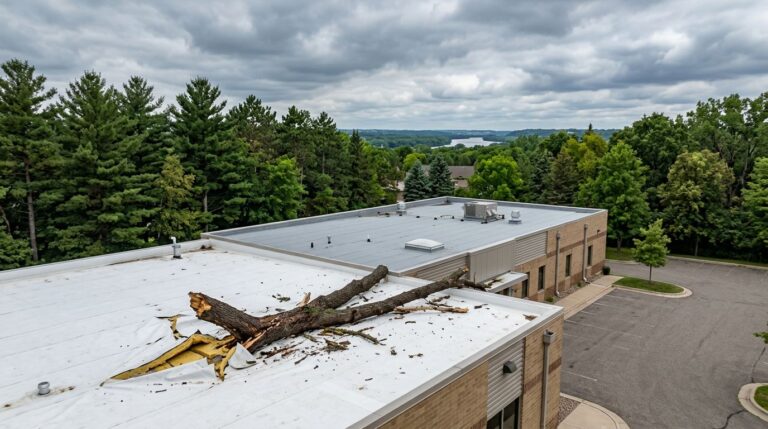
If a 15-year-old hail damaged roof has isolated hits, dry insulation, and no leak history, repair often makes sense. If hail caused punctures, open seams, wet insulation, repeated leaks, or broad surface damage, replacement is usually the smarter call. At this age, condition matters more than age alone.
When This Applies
A 15-year-old roof sits in the gray zone
This advice fits commercial owners with flat or low-slope roofs that took hail and now need a clear next step. It’s most useful for TPO, EPDM, built-up, modified bitumen, and metal systems. It does not fit roofs with major deck failure, severe structural damage, or roofs that were already set for replacement before the storm.
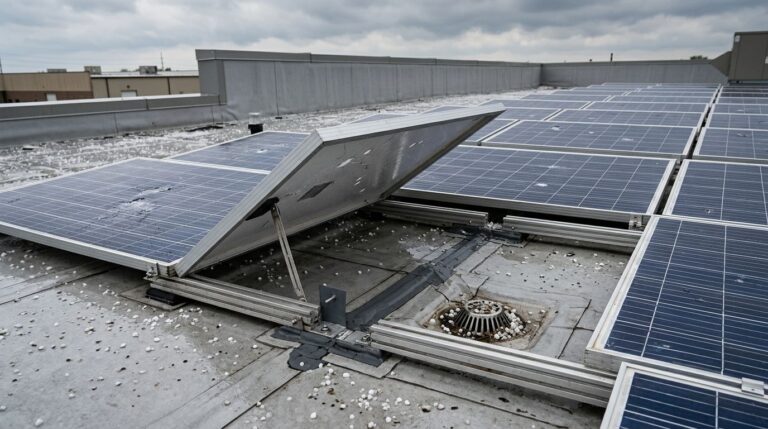
It also doesn’t fit losses where hail broke skylights, HVAC housings, or wall systems and the roof is only one part of the claim. In those cases, the roof decision has to match the full building repair plan.
If you already know the commercial roof needs repair, the real question is scope. A patch on a sound roof can buy time. A patch on an aging system with hidden moisture often just delays a larger bill.
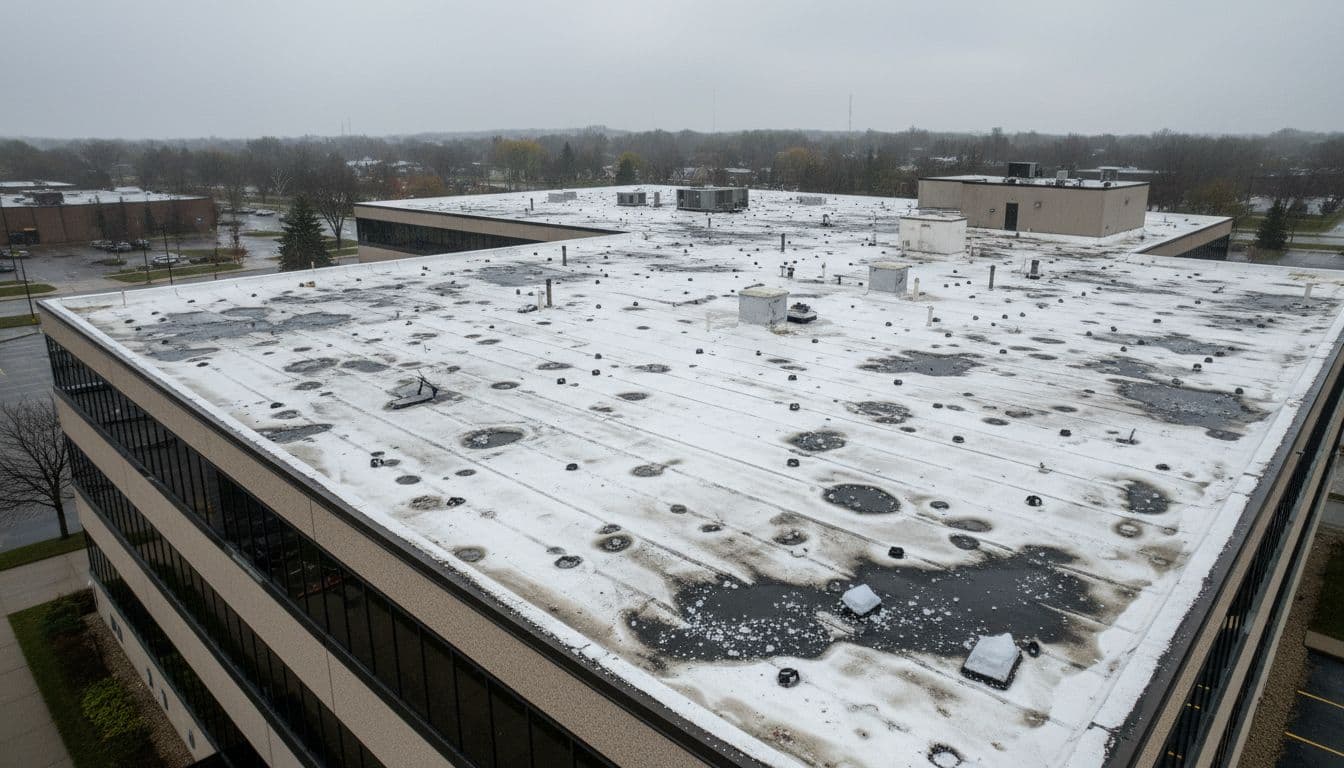
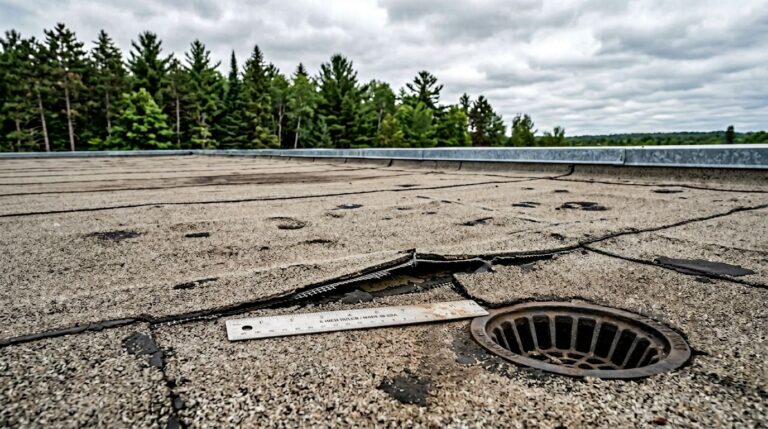
Start with the damage pattern, not the roof’s birthday. Is the hail limited to one area, or spread across seams, flashing, and field membrane? Did the roof leak before the storm? Are drains working, or has standing water been a problem for years?
This quick comparison shows the usual lean.
| Situation | Repair usually fits | Replacement usually fits |
|---|---|---|
| Isolated punctures, dry insulation, no past leaks | Yes | No |
| Widespread hits, open seams, wet insulation | No | Yes |
| Older TPO, PVC, or BUR with repeated repairs | Sometimes | Often |
Many owners focus on dents they can see. The bigger issue is what hail did below the surface. Wet insulation cuts energy performance and keeps damage growing, even when the ceiling still looks fine.
Roof system changes the answer
Typical service life ranges run about 15 to 25 years for TPO and PVC, 20 to 30 for EPDM, 15 to 30 for built-up roofing, and 30 to 50-plus for metal. That means a 15-year-old membrane roof can go either way, while a 15-year-old metal roof may still have plenty of life left.
If the membrane is still bonded, seams are tight, and insulation is dry, repair is often enough. If moisture has spread through the system, replacement usually wins.
Step-by-Step
How to make the call after a hail storm

- Document the roof and the inside of the building. Take photos of dents, punctures, loose flashing, stained ceiling tiles, and water entry. Also note the storm date and mark damaged zones on a simple roof plan, because clean records help both contractors and insurers.
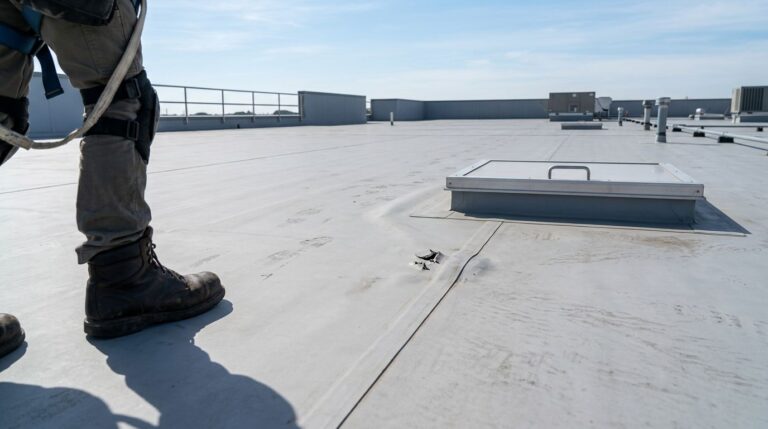
- Test for hidden moisture, not just visible holes. A hail strike can bruise a membrane without making an obvious opening. If the path isn’t clear, use leak detection for commercial roofs in St. Paul so soaked insulation or seam failure doesn’t get missed.
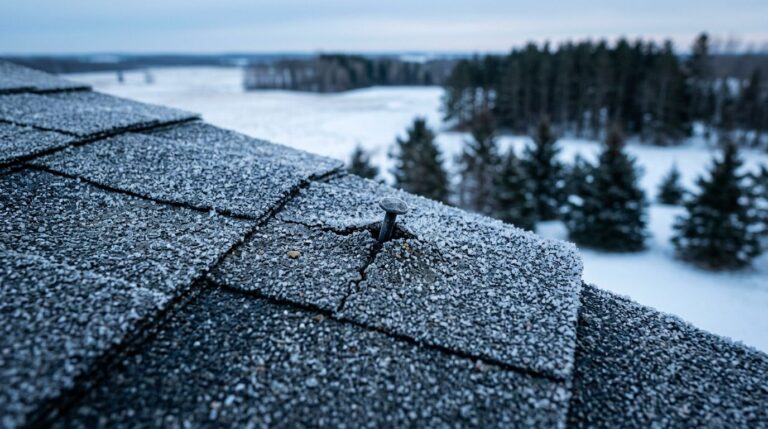
- Separate cosmetic damage from functional damage. Metal panels can show dents and still shed water. By contrast, punctures, split seams, failed flashing, displaced surfacing, or crushed insulation are functional damage, and they shorten roof life fast.
- Compare repair scope with remaining service life. If the roof performed well before the storm, a focused commercial flat roof repair may buy several more years. Think in years of service left, not just today’s invoice. If leaks kept returning before hail, the storm may have simply exposed a system already near the end.
- Weigh replacement when damage repeats across the roof. If multiple sections failed, moisture reached the deck, or repairs would touch many seams and penetrations, move toward commercial roof replacement. At that point, you’re not fixing one problem, you’re chasing several.
- Factor in business risk, code, and timing. A repair that fails during the next storm can cost more than a planned project. For that reason, many owners ask a contractor offering expert commercial roofing services in St. Paul to compare repair cost, outage risk, and code-related upgrades before they decide.
- Act fast, but don’t accept a guess. Temporary dry-in work is smart if water is getting in now. Still, the final choice should follow inspection notes, moisture findings, and a written scope, not a quick patch made under pressure.
Common Questions After Hail Damage
What if the roof isn’t leaking yet?
No leak doesn’t mean no damage. Water can travel sideways on low-slope systems and soak insulation before you ever see a ceiling stain.
Can hail damage be cosmetic on a commercial roof?
Yes, sometimes. Metal roofs may dent without losing waterproofing. Membrane roofs need closer testing, because bruises and surface breaks can turn into leaks later.
Does insurance decide repair versus replacement?
Insurance helps with covered storm damage, but it doesn’t replace a condition assessment. Good photos, moisture data, and repair history usually drive the clearest answer.
What happens if you wait until next season?
Small breaches often get worse through heat, freeze-thaw cycles, and wind-driven rain. A cheap repair today can become insulation work, interior damage, and emergency labor later.
Can you replace only one section of a hail-damaged roof?
Sometimes, yes. Section replacement works when damage is isolated and the remaining roof is dry, stable, and compatible. If seams, drainage, or aging materials are failing across the system, partial work may only postpone a full project.
What to Do Next
Make the decision before small damage spreads
A 15-year-old roof isn’t automatically done, but it is old enough to punish wishful thinking. If the hail damage is isolated, dry, and repairable, fix it now and monitor it. If the hits are broad and moisture is inside the system, replacement is the safer business move. Act early, because roof problems get more expensive every time the weather changes.
Need a roof inspection in Saint Paul or the Twin Cities? Call Sellers Roofing Company at +1-651-703-2336 or schedule a free estimate. We are a black-owned, NMSDC-certified MBE roofing contractor with 9+ years experience.