Last updated: 2026-08-01 by Ted Sellers, Owner
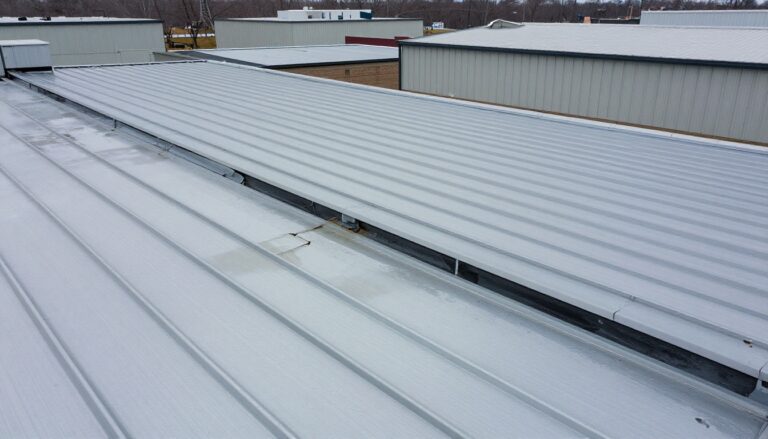
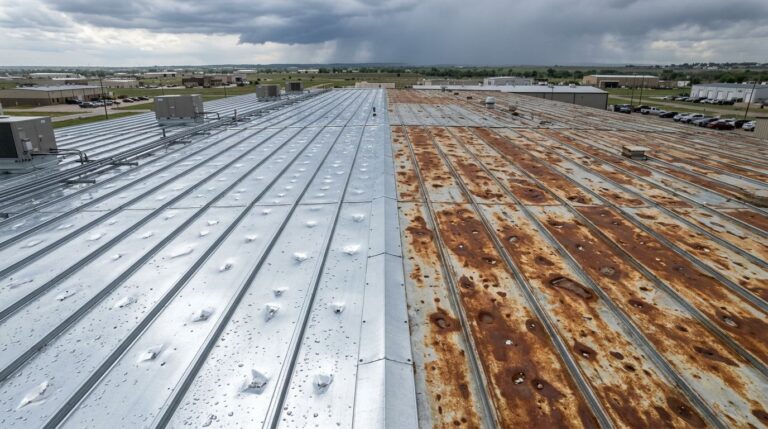
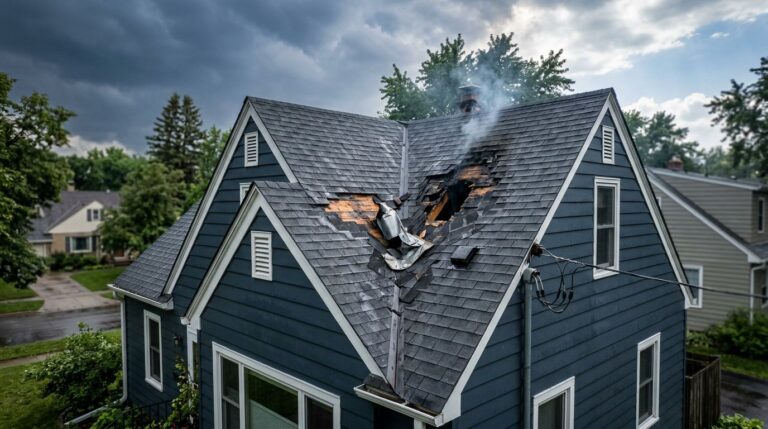
Commercial PVC roof hail damage is inspected by checking the interior, reviewing the storm, and then walking the roof in a grid. The inspector looks for punctures, split seams, cracked flashing, wet insulation, and rooftop unit damage, then documents each finding to decide between repair, section work, or replacement.
When This Applies
Who should use this process, and when it doesn’t fit
This process fits owners and managers of low-slope buildings with PVC membranes after a hailstorm. It’s most useful when the roof looks mostly intact, because hidden damage often causes the bigger bill later.
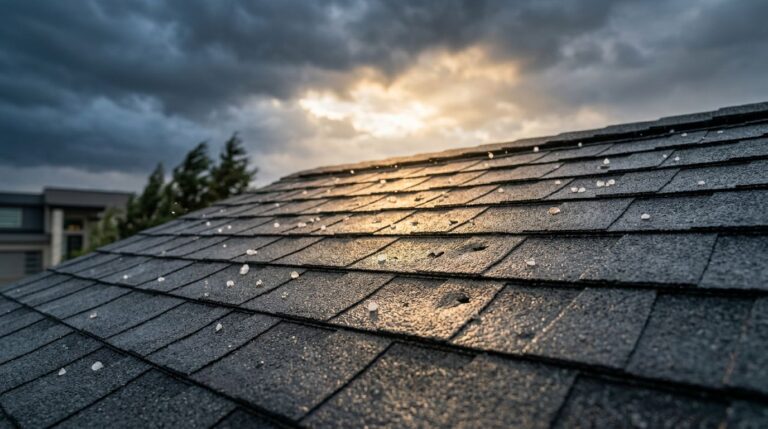
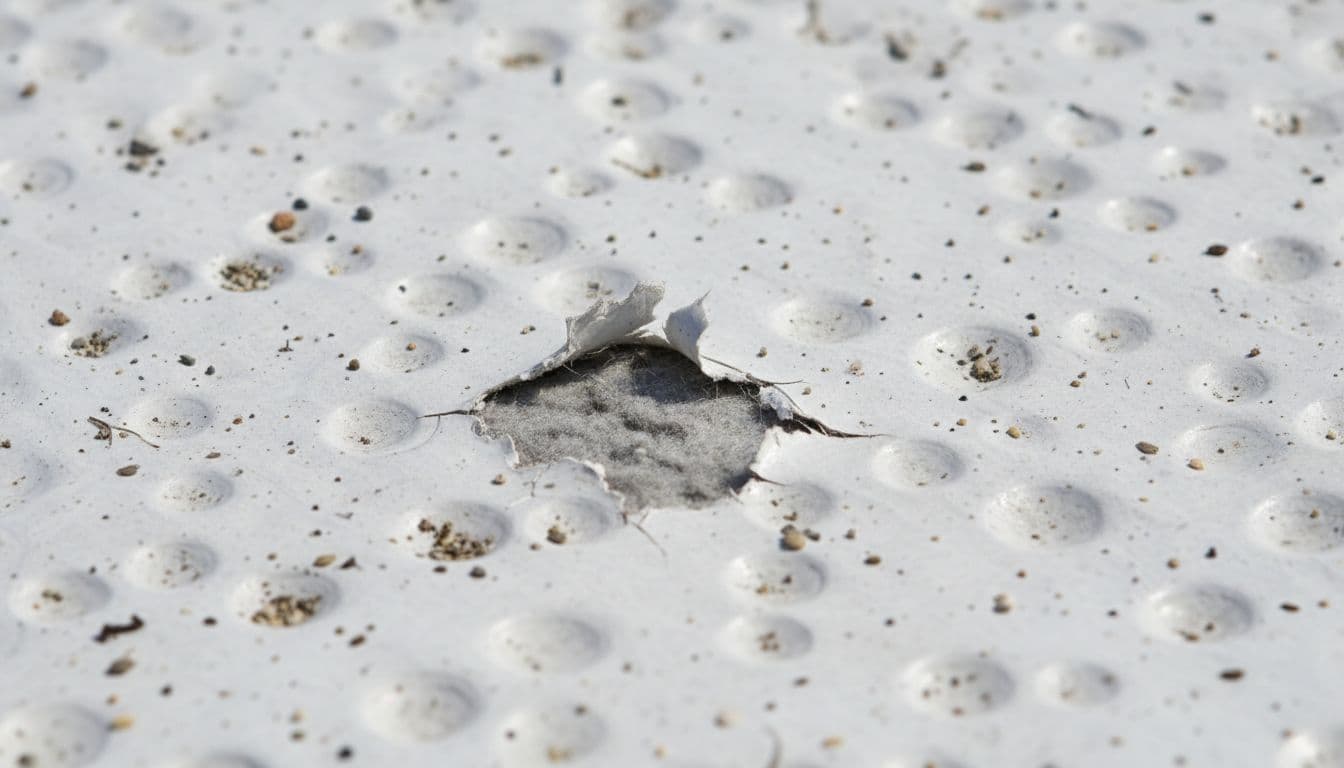
A PVC roof can look fine from the parking lot. Up close, hail may leave small punctures, stressed seams, or crushed insulation under the membrane. That’s why commercial PVC roof hail damage should be inspected before you close out a claim or put off repairs.
This does not fit every roof type. Metal, asphalt, and built-up systems show impact in different ways. Also, if the deck or structure took a direct hit, a roofing inspection alone isn’t enough.
Older roofs are the main edge case
Older PVC roofs need extra care. Aging, foot traffic, bad welds, and old patches can mimic hail marks. Good records help, which is why many owners keep a commercial roof inspection guide nearby and call a local Saint Paul commercial roofing team when storm questions turn into repair decisions.
Step-by-Step
How the inspection unfolds on a PVC roof
- Review the storm data and roof history. Hail size, wind direction, roof age, and past repairs help the inspector judge whether a mark is fresh storm damage or old wear. That first review also shows whether simple repair is realistic or if commercial roof replacement may already be in the conversation.
- Check the inside of the building first. Ceiling stains, wet insulation, wall leaks, and damp mechanical rooms show where water may be traveling. On low-slope roofs, the leak source can sit far from the drip, so interior clues matter.
- Walk the PVC membrane in a grid. The inspector looks for round punctures, star-like cracks, scuffed surface film, loose edge metal, and fresh impact marks near walk pads. Random walking misses patterns, while a grid reveals the storm path.
- Inspect seams, flashing, corners, drains, and rooftop units. Hail often damages more than the open field. Split welds, cracked sealant, broken curb flashing, and dented drain bowls can show that a commercial roof needs repair even when the membrane field looks minor.
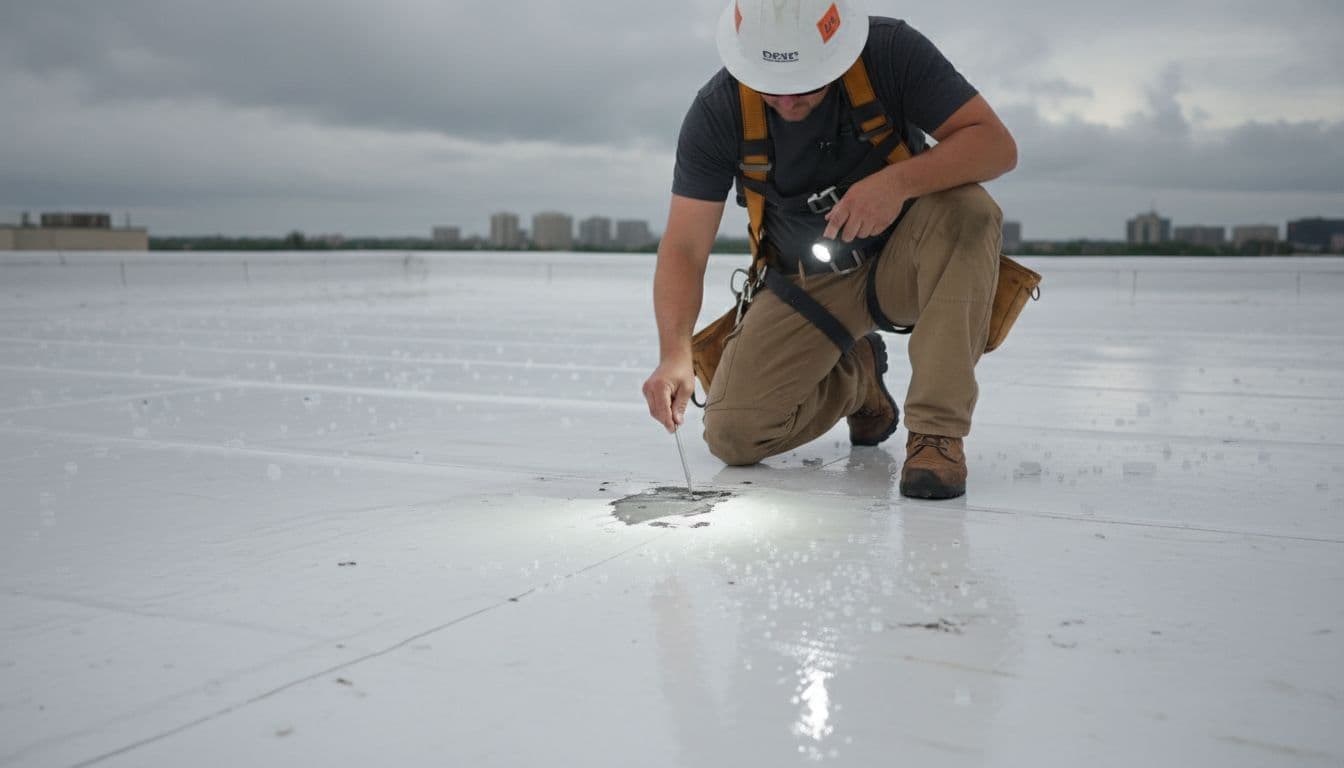
- Test suspect spots for hidden moisture or lost bond. That may include probing a puncture, lifting a loose edge, using infrared, or taking a small core sample. If water may have moved under the sheet, post-hail leak detection for commercial roofs helps confirm how far the damage has spread.
- Compare membrane hits with metal and equipment damage. Dented condenser fins, vent caps, and edge metal help confirm storm direction and impact strength. The inspector also filters out age-related defects by comparing them with common PVC roofing failure signs.
- Document each finding with photos and a roof map. Wide shots show location. Close-ups show punctures, split seams, and broken details. Good records separate cosmetic dents from functional damage, and that keeps a commercial flat roof repair from turning into a dispute over cause and scope.
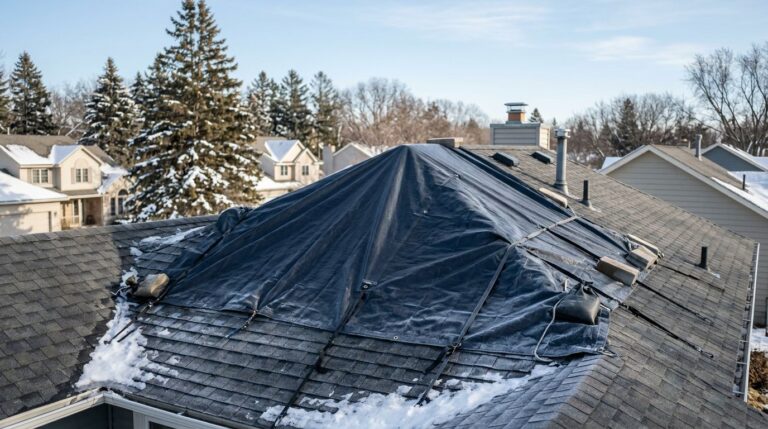
- Choose the repair path. Isolated punctures and open seams may need patching and re-welding. Wider wet areas, crushed insulation, or repeated failures often point to section work or full commercial roof replacement.
Common follow-up questions
Can hail damage a PVC roof without causing an immediate leak?
Yes. Hail can bruise insulation, weaken seams, or nick the membrane without opening it right away. Later, heat, foot traffic, or standing water can turn that weak spot into a leak.
Will insurance pay if the damage looks minor?
That depends on the policy and the proof. Carriers usually want evidence that hail changed the roof’s function, not just its appearance, so photos and moisture findings carry real weight.
What if the roof already had patches?
Old patches don’t erase new storm damage. Still, they do raise scrutiny, so the inspector must separate prior repairs from fresh impact and show why the current problem came from the storm.
Do dents always mean the commercial roof needs repair?
No. Dents in metal trim may be cosmetic only. But punctures, split seams, broken flashing, and wet insulation mean the commercial roof needs repair and shouldn’t wait.
What if no puncture is visible?
Then moisture testing matters more. Hail can compress insulation under PVC and weaken the bond before the surface fully opens.
When is repair no longer enough?
Repair stops making sense when wet insulation spreads, seams fail in several zones, or the membrane is near the end of its service life. At that point, repeated patches waste money and delay the right fix.
A proper hail inspection isn’t a quick glance from the ladder. It’s a documented process that checks the membrane, seams, flashings, moisture, and roof history together. If your PVC roof took a recent storm, act early. Small hits have a habit of becoming larger leaks when no one is looking.
Need a roof inspection in Saint Paul or the Twin Cities? Call Sellers Roofing Company at +1-651-703-2336 or schedule a free estimate. We are a black-owned, NMSDC-certified MBE roofing contractor with 9+ years experience.