Last updated: 2026-09-23 by Ted Sellers, Owner
A roof workmanship warranty covers defects caused by the contractor’s installation, such as misplaced fasteners, faulty flashing, or failed membrane seams, if those items fall within its written terms. It doesn’t replace a manufacturer’s material warranty or insurance for hail and wind. For a Minnesota roof leak, the key question is what caused the opening, not simply when the leak appeared.
Key Takeaways
- A roof workmanship warranty may cover installation defects, but coverage depends on the written terms and evidence that faulty work caused the leak—not just when it appeared.
- Manufacturer warranties address product defects, while insurance generally addresses covered storm damage; one event may require separate cause checks.
- Review the warranty’s scope, exclusions, claim process, named obligor, and transfer terms. Wear, neglected maintenance, and damage from other trades are commonly excluded.
- For qualifying Minnesota home-improvement work, state law provides a one-year warranty against specified defects. Document the damage, check the contract, and notify the contractor before authorizing permanent repairs.
When This Applies
Residential repairs and replacements
This applies when a contractor’s work on asphalt shingles, metal roofing, or a roof penetration appears to have failed. A leak after residential roof replacement may be a warranty issue if an inspection finds an installation mistake. The timing of the leak alone doesn’t determine coverage; the cause does, including any installation errors found during inspection.
A residential roof repair has its own scope, and its warranty applies only to the written work. It doesn’t necessarily cover routine maintenance or an unrelated leak elsewhere on an older roof, even if the repair addressed a chimney detail.
Commercial roofs and storm claims
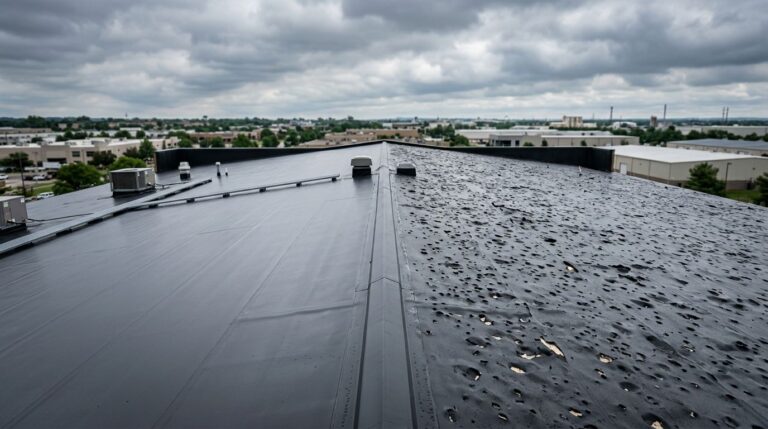
On a commercial flat roof, the same principle applies to TPO roofing, EPDM, modified bitumen, and built-up roofing (BUR). Open seams or poorly terminated flashing may be workmanship issues. Punctures caused by another trade usually aren’t.
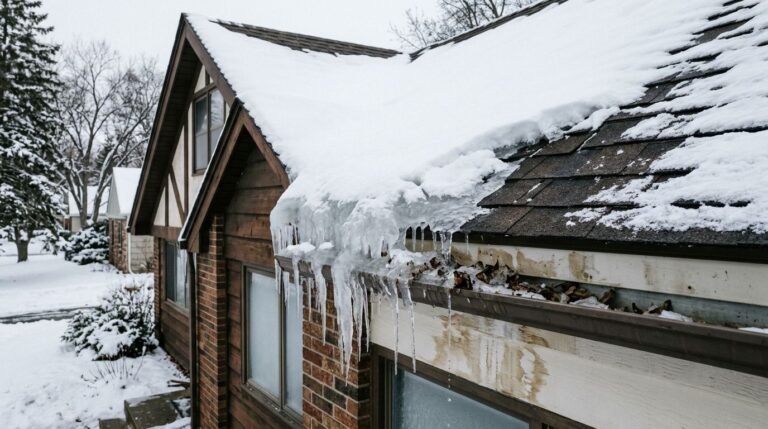
Hail, high winds, and ice dams require separate cause checks. A storm can reveal a weak installation detail without making every damaged area a warranty claim.
What Does a Roof Workmanship Warranty Cover?
Shingle fastening and flashing details
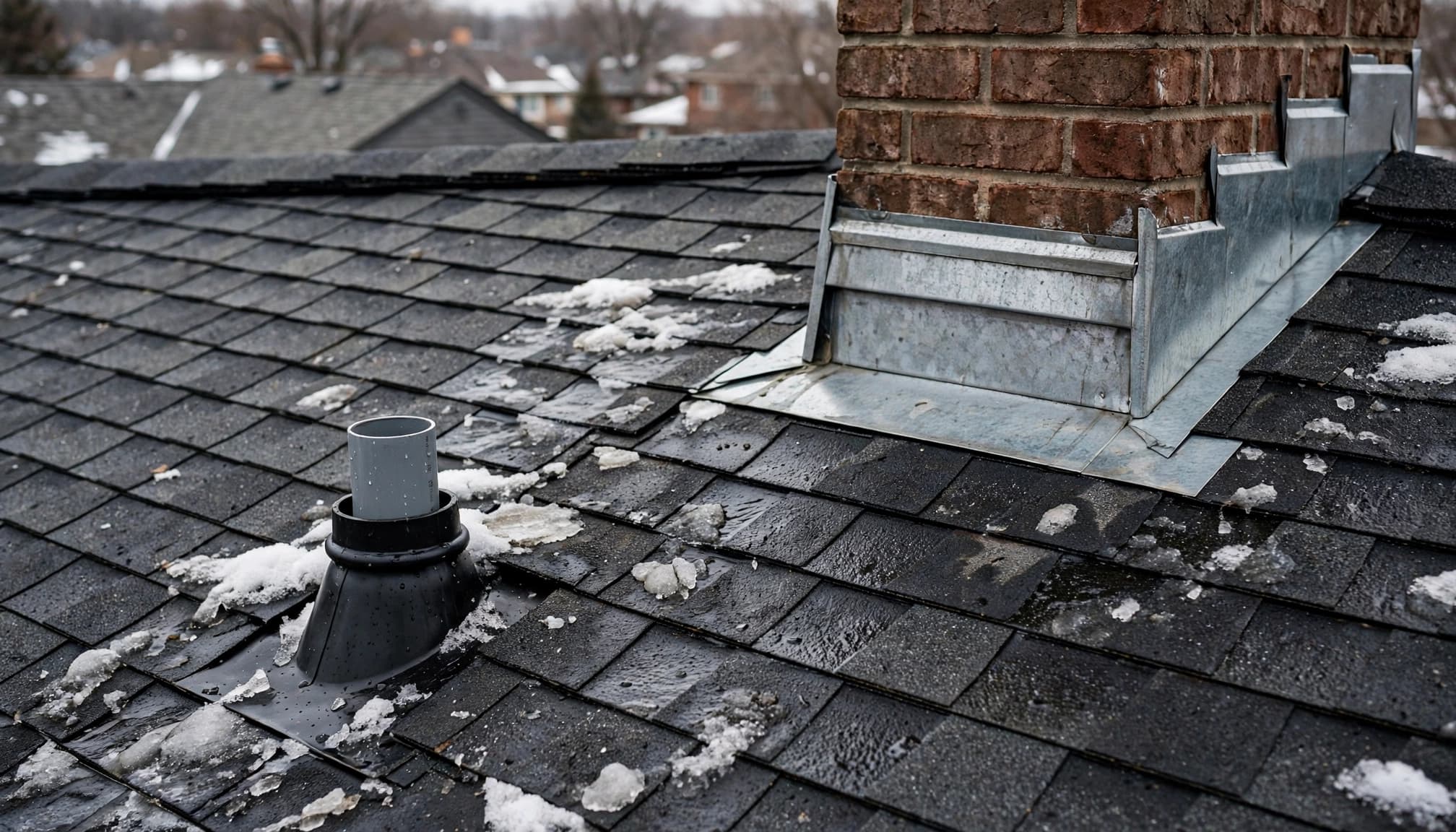
Repeated nail-placement problems, improperly lapped underlayment, or recurring defects in flashing installation can indicate installation errors.
Coverage may include correction of improperly installed step flashing, pipe boots, vent seals, or edge details. Check the written scope: warranty coverage may limit covered work, labor, or interior damage. Records of routine maintenance can help distinguish upkeep issues from installation defects.
Membrane seams and roof transitions
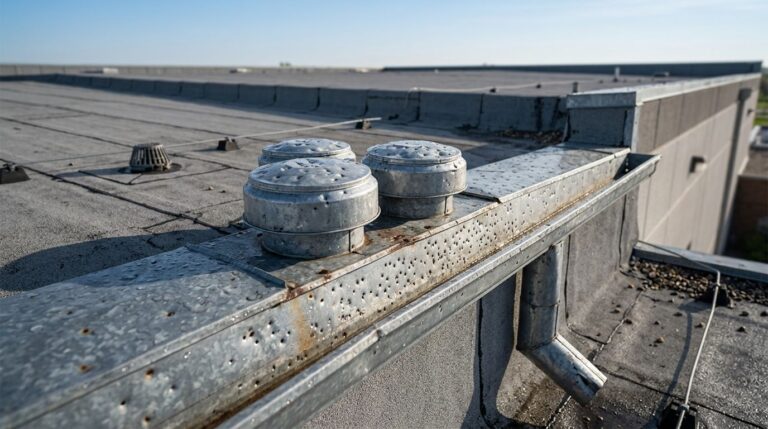
For a commercial roof, inspect seams, drains, parapet walls, rooftop-unit curbs, and perimeter terminations. A poorly welded TPO seam or improperly sealed EPDM transition may point to installation errors. Coverage may apply if faulty work caused the leak.
The ceiling stain may be far from the opening. Commercial roof leak detection can help locate the breach before responsibility is assigned or a repair is approved.
How Is Workmanship Coverage Different From Other Roof Protection?
Manufacturer warranties address product defects
Defective materials are different from installation errors, such as using the wrong fastener pattern. A manufacturer warranty may cover defects in roofing products, while a material warranty’s prorated coverage depends on the written product terms. GAF’s residential warranty comparison shows why GAF-certified installation alone doesn’t prove a particular coverage level; system warranties depend on their written terms.
| Protection | Typical issue | Check first |
|---|---|---|
| Contractor workmanship warranty | Installation error | Signed roofing contract, including remedies and labor costs |
| Manufacturer warranty | Defective roofing product | Product and material warranty terms |
| Property insurance | Covered storm damage | Policy and endorsements |
Insurance addresses covered weather damage
A hail-damaged roof or wind-damaged metal panel normally calls for an insurance review, not a workmanship claim. A roof insurance claim remains subject to the policy, deductible, and evidence of loss.
The two can overlap. If hail strikes an area with faulty flashing installation, document the impact and the pre-existing detail separately. Don’t assume the storm voided the warranty or caused every leak.
What Is Usually Excluded, and How Long Does Coverage Last?
Outside damage and later alterations
Common exclusions include wear, neglected drainage, foot traffic, fallen branches, and unauthorized alterations. Work by unapproved contractors may also affect a claim under the written terms, but outside repairs don’t automatically void coverage. A satellite dish installer or HVAC crew can puncture a sound roof. Ice dam removal can stop active water entry, but the ice dam itself doesn’t prove faulty roofing work.
Before authorizing commercial roof coatings, restoration, or a third-party repair, ask how the work affects existing warranties. Keep routine maintenance and inspection records.
Long terms need a close reading
Contractor terms may run a few years or longer. A 25-year promise, lifetime warranty, or 10 year workmanship warranty isn’t automatically meaningless. Its value depends on the named obligor, exclusions, claim process, and the company’s financial stability and ability to perform.
Terms for roofing products and system warranties may differ from a contractor’s promise. Read what happens when a company changes names, ownership, or closes. A large number on a brochure doesn’t answer those questions. Understanding the written terms may offer some peace of mind.
What Does Minnesota Law Add?
Qualifying home-improvement work has statutory protection
Minnesota’s home-improvement warranty statute provides a one-year warranty against specified defects caused by faulty workmanship or materials for qualifying work. Applicability depends on the project and statutory definitions, so don’t assume every roof job has identical statutory coverage.
The signed contract still matters
Commercial roof replacement terms need their own contract review. For peace of mind, get the promised warranty coverage, start date, exclusions, and claim process in writing. Ask whether resulting interior damage is included and whether a transfer to a buyer is permitted.
Step-by-Step
1. Document the condition before repair
Photograph the roof leak, exterior detail, and surrounding roof. Record when it appeared and whether rain, snowmelt, or hail preceded it. For a commercial roof inspection, map moisture beyond the visible stain and gather routine maintenance records. Minnesota flat roof inspection guidance explains why the entry point may be elsewhere.
2. Check the paperwork and contractor
Compare the failed detail with the original scope and warranty for possible installation errors, including an installation mistake. Verify the roofing contractor’s legal business and current license through the Minnesota DLI license lookup. Sellers Roofing Company, for example, lists MN Builder Contractor License 803862, GAF certification, and IUPAT Local 96 roofers. Credentials help identify the contractor; they don’t replace written terms.
3. Send a documented claim
Notify the contractor as required by the written terms, checking applicable system warranties for notice and approval requirements. Include photos, dates, the suspected defect, and prior-work records, noting any unapproved contractors or unauthorized alterations; request a written finding. If storm damage may be involved, contact your insurer promptly and follow your policy’s notice requirements. Avoid broad permanent work before the cause is recorded, apart from necessary temporary protection.
Frequently Asked Questions
How soon can installation errors appear after roof work?
Heavy rain and Minnesota freeze-thaw cycles may expose a defect early, but concealed flashing or seam problems can appear later. Timing alone doesn’t establish the cause.
Can I transfer a workmanship warranty when I sell?
Only if the applicable terms allow it. Check notice deadlines, fees, and whether coverage changes for a new owner before listing the property.
What if the roofing company closes?
A contractor-backed promise may be harder to collect if the named business no longer operates. Identify the legal entity on the contract and seek legal advice about any remaining rights. A separate manufacturer warranty has its own terms and claim process.
What does a workmanship warranty repair cost?
The cost depends on the written terms, inspection findings, and whether the work is covered. Check the warranty before authorizing repairs.
Will an unauthorized repair void the whole warranty?
Don’t assume either outcome. Some terms restrict unapproved work or exclude damage it causes. Document the leak, request approval where required, and keep the repair scope and invoice. If you have NRCIA’s LeakFREE roof certification, review its separate claim terms, too.
Conclusion
A leaking roof doesn’t identify who owes the repair. Find the opening and establish its cause before choosing between a workmanship claim, product claim, or insurance claim.
Keep the signed warranty and inspection records together. They’re more useful than a long coverage term when a Minnesota winter puts the roof to the test.
Need a roof inspection in Saint Paul or the Twin Cities? Call Sellers Roofing Company at +1-651-703-2336 or schedule a free estimate. We are a black-owned, NMSDC-certified MBE roofing contractor with 9+ years experience.