Last updated: 2026-08-01 by Ted Sellers, Owner
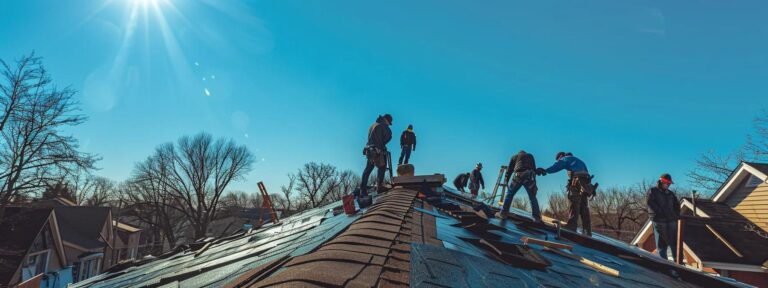
A commercial flat roof inspection in Minnesota should be conducted on a semi-annual basis, once in spring after the thaw and once in fall before snow season. Add another inspection after hail, high winds, heavy snow, rooftop work, or any sign of leaking. If the roof is older or already patched, shorten the gap between checks for proactive flat roof maintenance.
Key Takeaways
- Commercial flat roofs in Minnesota need semi-annual inspections—once in spring after thaw and once in fall before snow—to catch winter damage and prep for cold weather.
- Add inspections right after hail, high winds, heavy snow, leaks, or rooftop work, especially on TPO, EPDM, modified bitumen, and metal roofs prone to seam and flashing failures.
- Use inspection findings and tools like infrared imaging to decide between repair for isolated issues and replacement for widespread saturation or repeated failures.
- Proactive checks with good documentation extend roof life, cut costs, protect warranties, and support insurance claims by separating old wear from new damage.
When This Applies
The Minnesota roofs that need a steady schedule
This schedule fits building owners of warehouses, offices, retail centers, schools, and multi-tenant buildings with commercial roofing systems. It matters most on TPO roofing, EPDM roofing, modified bitumen, and many metal roofs, where seams, flashings, and drainage systems take the most abuse.
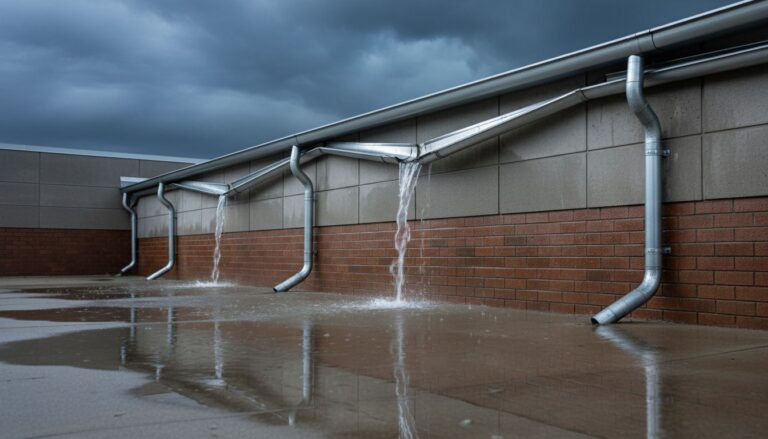
Minnesota weather is hard on low-slope roofs. Snow load, ice dams, freeze-thaw cycles, and summer hail all test the same weak points. A small split or clogged drainage system can turn into roof leaks causing wet insulation problems before anyone sees a ceiling stain.
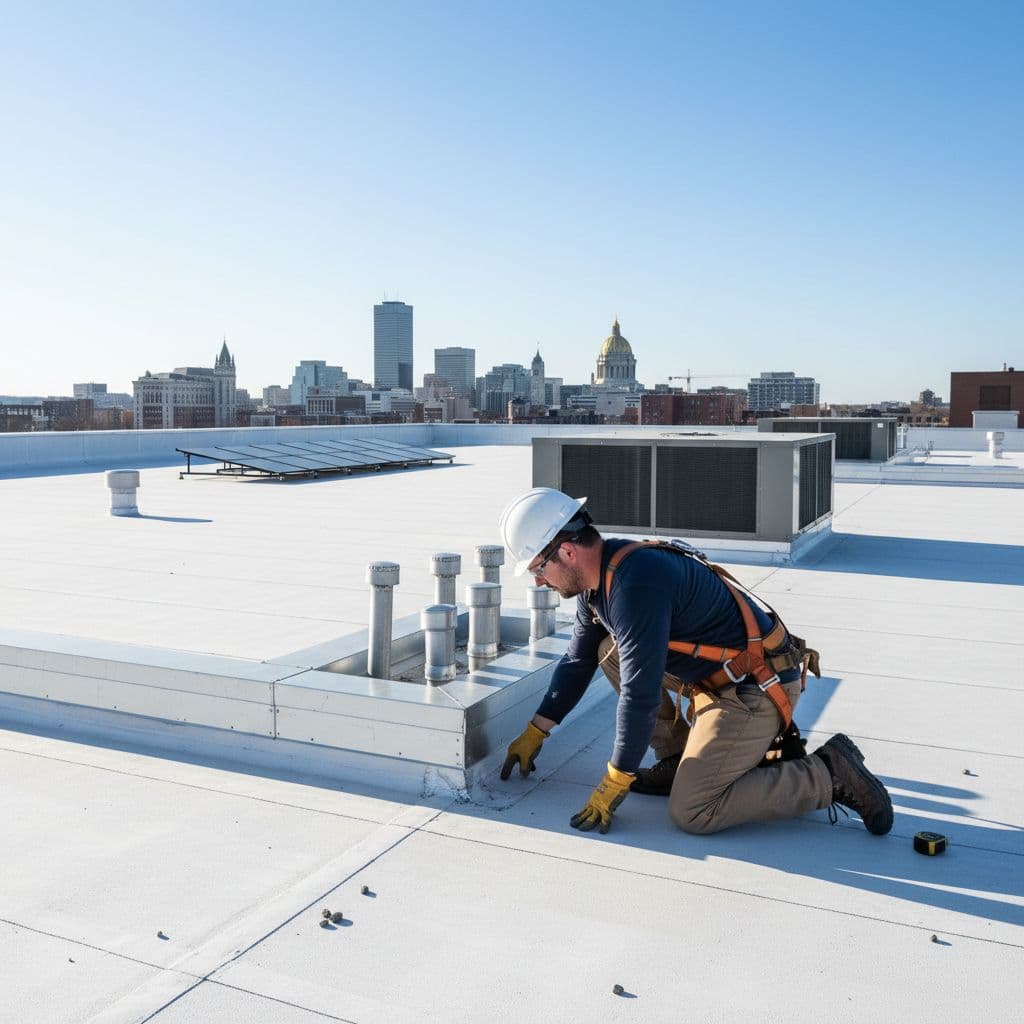
A roof maintenance program also helps you avoid guesswork. When you know the roof’s condition before storm season, it is easier to decide whether a commercial roof needs repair now or whether the issue is bigger than a patch.
For owners who want a local maintenance plan, commercial roofing services in Saint Paul can line inspections up with the roof type, the building schedule, and the weather window.
When this advice does not fit exactly
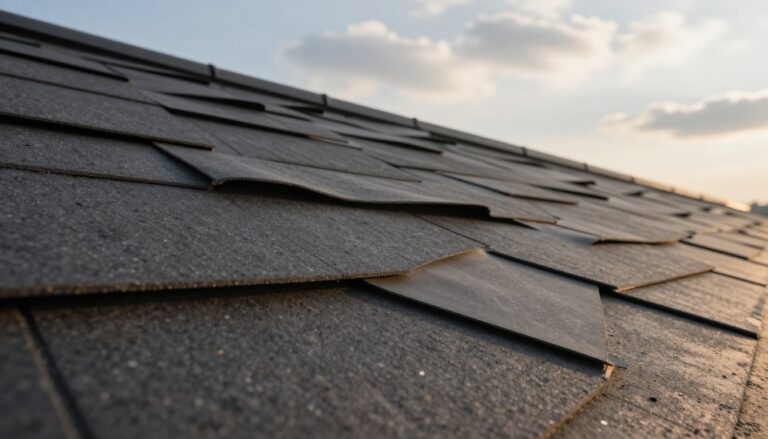
The twice-a-year rule is the baseline, not a ceiling. A roof with repeat leaks, ponding water, heavy foot traffic, rooftop units, or older patches should be checked more often. Some roofs need quarterly attention, especially when they have a long repair history.
This guidance also changes during active problems. If a leak is already showing inside, the roof should be inspected right away instead of waiting for the next seasonal visit. The same is true after a storm that leaves visible debris, damage to edge metal, or disturbed flashing.
If the source of the leak is unclear, commercial roof leak detection services can trace moisture before anyone starts guessing at the fix. Water often moves under the membrane or insulation, so the stain inside may be far from the entry point.
Step-by-Step
Start with Spring and Fall Preventive Maintenance
- Inspect the roof after the spring thaw.
Spring shows what winter did. Perform a visual inspection of the roof surface for split seams in the roof membrane, lifted flashing around roof penetrations, clogged drains, open fasteners, and ponding water that sat under snow and ice. This is also the best time to spot a commercial flat roof inspection issue before it becomes a summer leak. - Inspect again before the first hard freeze.
Fall checks catch loose edge metal, cracked sealant, debris around scuppers and gutters, and small openings that winter will make worse. That timing gives you room to schedule work before snow and ice add pressure. It also helps you enter the cold season with a clear record of the roof’s condition.
Add checks after weather or building events
- Inspect after hail, high wind, or heavy snow.
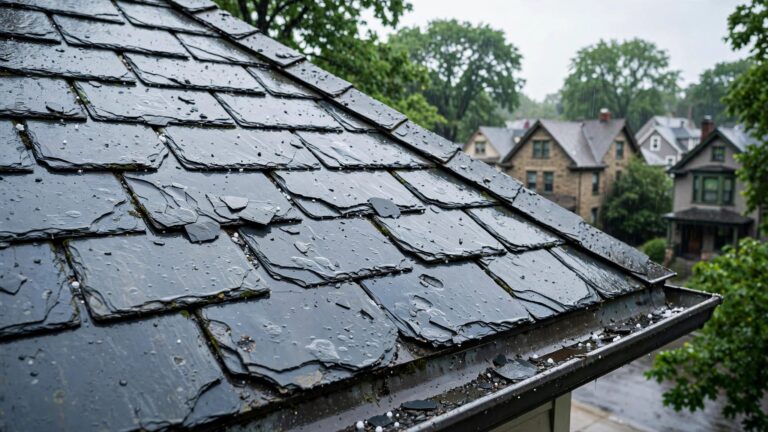
A storm can bruise membrane surfaces, shift flashing, or loosen termination details without leaving obvious damage from the ground. In Minnesota, one strong storm can do more harm than months of normal wear. If the roof has exposed seams or vulnerable penetrations, do not wait for the next scheduled visit. Have a roofing contractor perform the assessment promptly. - Inspect after any leak, stain, or rooftop repair work.
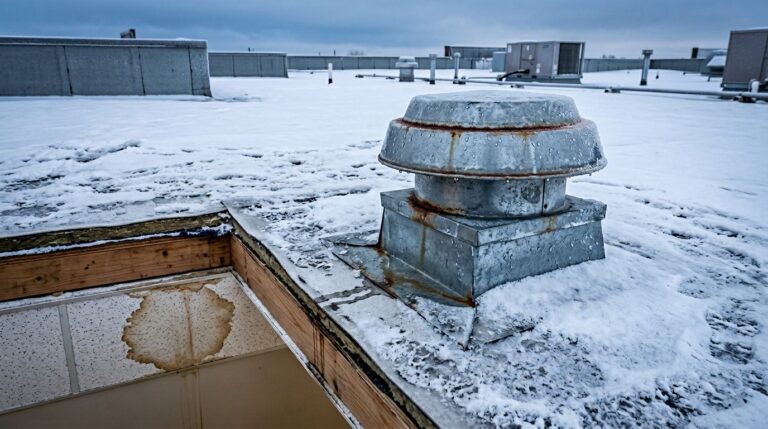
Interior marks are often the first clue that the roof changed. Use tools like infrared imaging, moisture detection, and core samples to evaluate structural integrity and separate old wear from fresh damage, because that difference affects both the repair scope and the insurance file. The report should record photos, moisture readings, and exact locations so the next person reading it can follow the trail.
The parking-lot view is not enough. Moisture can move under the membrane long before it reaches the ceiling.
Use the findings to choose the right fix
- Treat small, isolated damage as a repair issue.
One puncture, one failed seam, or one bad flashing detail may fit commercial flat roof repair. A limited repair keeps costs down and reduces disruption to tenants or staff. Temporary dry-in work can also be smart while materials are ordered or the next step is decided. - Escalate when the damage is spread across the roof.
Wet insulation, membrane shrinkage, repeated seam failure, or saturation across a large section usually points to commercial roof replacement. At that point, a patch may hide the problem for a while, but it does not solve the cause. Good inspection notes help show whether the roof is dealing with one bad area or a wider failure.
Conclusion
For most Minnesota commercial buildings, twice a year is the right starting point for a commercial flat roof inspection. Spring catches winter damage, and fall gives you time to fix problems before snow and ice make them worse.
Storms, leaks, rooftop work, and older patches are reasons to inspect sooner. The goal of flat roof maintenance is simple, catch small failures while they are still small, document what changed, and choose the right scope before water spreads.
A roof that gets checked on time costs less to manage than one that only gets attention after the ceiling stains show up. Proactive checks also extend roof life expectancy and protect the manufacturer’s warranty.
FAQ
Can I get by with one inspection a year?
You can, but it is a weak plan for Minnesota weather on low-slope roofs. One visit often misses damage that appears only after thaw, hail, or late-season storms. Two inspections give you a better chance to catch problems before they turn into emergency repairs or tenant complaints. As part of a roof maintenance program, work with a roofing contractor to schedule these checks.
Should I inspect after every hailstorm?
Not every storm needs a full roof walk, but hail that dents cars, knocks down branches, or leaves debris on the roof deserves attention. Hail can bruise the roof membrane, loosen sealant, and affect flashing condition to open tiny gaps that leak later. Even a storm that looks minor from the ground can leave hidden damage.
What if the leak seems small and the roof still looks fine?
A small roof leak can hide a larger problem. Water often travels along seams, insulation, or deck slopes before it reaches the inside of the building when tracking roof leaks. If one ceiling stain keeps showing up, the inspection should trace the path, not stop at the first wet spot.
Hidden moisture changes the scope
A surface patch may fix the symptom while wet insulation from ponding water keeps spreading the damage. That is why a full inspection is better than guessing from one stain or one drip.
How do inspections help me decide between repair and replacement?
An inspection shows whether the problem is local or broad. One damaged seam or one puncture on single-ply membranes or built-up roofing often fits repair, especially if flashing condition is good elsewhere. Widespread saturation, many open seams, or repeated failures usually point to replacement. That difference matters because it changes the budget, the schedule, and the amount of business disruption.
Do inspection records matter for insurance claims?
Yes. Photos, dates, moisture readings, and repair notes help show what the roof looked like before the loss and what changed after a storm or leak. That record can support a supplement, a reinspection, or a second review if the first decision was too low. Good documentation also helps separate old wear from fresh damage.
Need a roof inspection in Saint Paul or the Twin Cities? Call Sellers Roofing Company at +1-651-703-2336 or schedule a free estimate. We are a black-owned, NMSDC-certified MBE roofing contractor with 9+ years experience.