Last updated: 2026-08-01 by Ted Sellers, Owner
St. Paul homeowners should prioritize a thorough storm damage inspection of the roof, gutters, attic, and flashing before hail arrives, then fix small defects before they become significant leak paths. Clear your drainage systems, document the current condition of your roof, confirm your insurance details, and know exactly who to call after a storm. Preparation does not stop hail, but it limits water damage and makes a roof insurance claim easier to support.
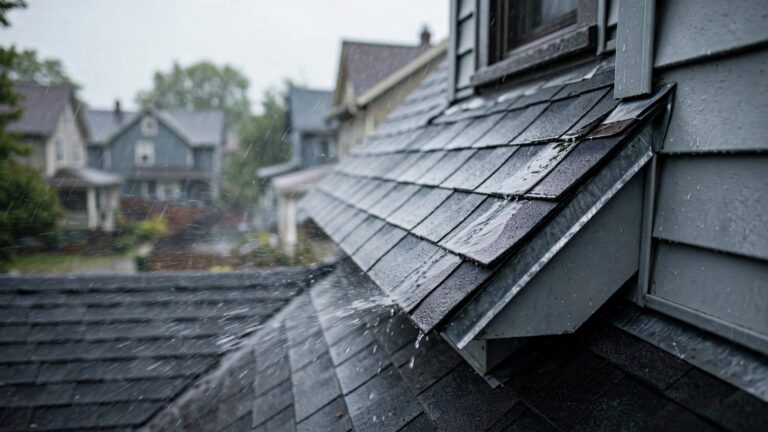
A hailstorm can turn one loose shingle tab or a cracked pipe boot into a ceiling stain by nightfall. Minnesota freeze-thaw cycles, ice buildup, and severe weather patterns leave asphalt shingles vulnerable to damage, often creating weak points that fail when the next storm hits.
Good St. Paul hail season roof preparation starts well before the forecast turns ugly.
Key Takeaways
What should be done before the first hailstorm?
- Carefully inspect asphalt shingles, metal roofing, flashings, vents, skylights, and gutters for existing damage.
- Remove winter debris and correct drainage problems in your gutters and downspouts before standing water finds a weak roof detail.
- Photograph the roof and save maintenance records to provide a clear baseline for a potential storm damage inspection before a hail damage roof claim is ever needed.
- Keep temporary protection temporary. A tarp can limit water intrusion, but it cannot diagnose the full problem.
When This Applies
Homes that need a pre-season roof check
This applies to Saint Paul, Minneapolis, and homeowners throughout the Twin Cities area with homes older than a few years, especially roofs with prior leaks, missing shingles, ice dams, or repeated repairs. It also fits homes in Roseville, Maplewood, Shoreview, New Brighton, and other areas where mature trees create debris and branch-strike risk.
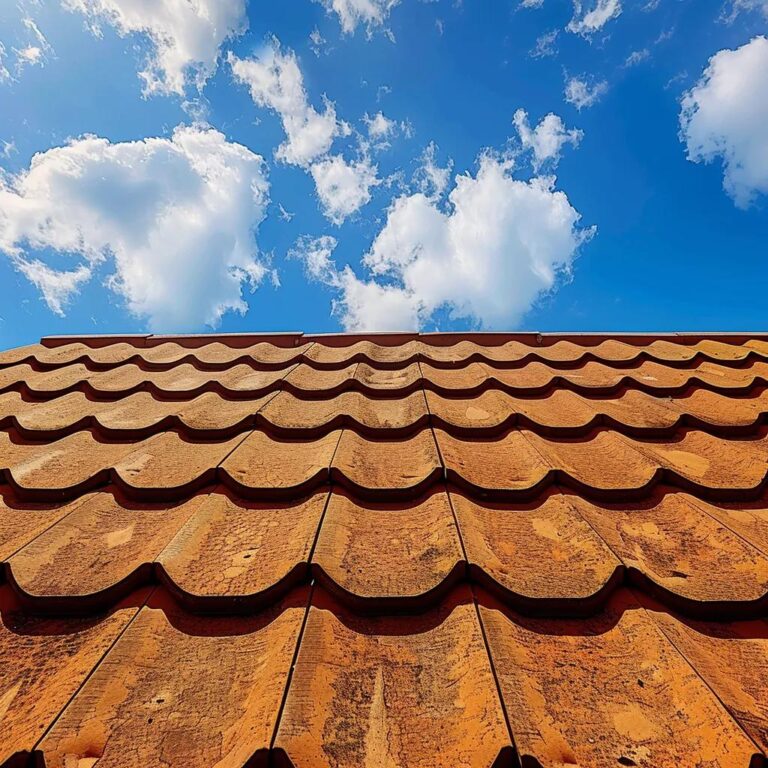
A roof with aging asphalt shingles may have brittle tabs, exposed nails, or worn seal strips. Similarly, metal roofing can develop loose fasteners, bent edge metal, failed sealant, or compromised flashing around chimneys and skylights. Hail tends to expose these weak details quickly.
When a basic homeowner check is not enough
If the roof feels soft, has active leaks, presents steep or unsafe access, or shows multiple past patches, skip the ladder. A close ground-level review and a professional inspection are safer than walking a questionable surface. An expert can help determine if your home requires a minor roof repair or if the damage warrants a full roof replacement.
Flat roofs and mixed-use properties need different checks
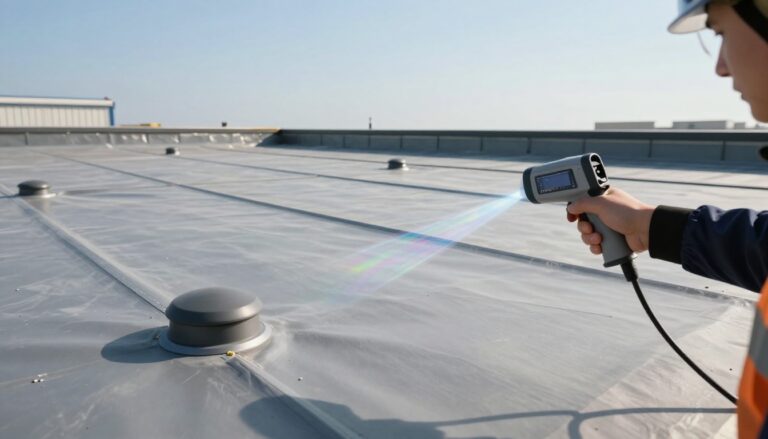
A home with a garage, condo wing, church addition, or small business area may have a commercial flat roof. TPO roofing, EPDM, modified bitumen, and BUR do not fail like shingles. Water can move below the membrane and appear inside far from the actual opening.
Those systems may need a commercial roof inspection, not a surface-level glance. A small seam split might allow for a targeted commercial roof repair. However, broad wet insulation or failing seams across the field may point toward the necessity of a commercial roof replacement instead.
Step-by-Step
1. Start with a safe ground-level inspection
Walk around the house on a clear day to look for exterior damage. Inspect your asphalt shingles for signs of lifting, curling, cracking, or missing pieces. Carefully check your flashing, roof vents, ridge caps, pipe boots, and the metal trim at the roof edges for any vulnerabilities.
Use binoculars if needed. Do not step onto a wet roof or climb onto a roof with visible wear. A missing shingle is obvious, but a bent flashing joint or an open seal at a vent can be just as serious once hail and wind-driven rain arrive.
Look inside as well. Check your attic sheathing for dark staining, damp insulation, rusty nails, or daylight showing around roof vents. Remember that ceiling stains may show where water exits, not necessarily where it enters the roof system.
2. Clear gutters, valleys, and roof drainage
Gutters and downspouts packed with leaves, maple seeds, and loose granules hold water against the roof edge. Clean the debris from your gutters and confirm that downspouts discharge water away from the foundation. Also, remove debris from valleys where water concentrates.
This is also the time to look for winter damage. Check for loose gutter sections, bent drip edges, and evidence of ice dams. If you notice significant granule loss in your gutters, it is a sign that your shingles are aging and becoming more susceptible to hail impact.
A roof does not need a large hole to leak. Water only needs a path, then gravity does the rest.
Do not use a pressure washer on shingles or blast sealant around flashing. Those methods can strip additional granules, force water beneath laps, and create the very failure you were trying to prevent.
3. Repair old defects before hail makes them worse
A roof does not have to be perfect before storm season, but it does need sound flashing, secure materials, working drainage, and no active leak path. Address exposed fasteners, loose transitions between your siding and gutters, split pipe boots, and shingles that have already blown loose.
Targeted roof repair makes sense when damage is isolated and the surrounding roof remains sound. However, repeated patching, widespread granule loss, or several failing areas may make a full roof replacement the more honest conversation.
Homeowners who need a written scope before the next storm can Get a Free Residential Roofing Estimate. A professional written finding is more useful than guessing whether an old patch will hold through high winds.
Do not coat over a problem
Sealant can be a short-term dry-in measure. It is not a cure for rotten decking, wet insulation, failed flashing, or a worn-out roof system. Covering damage before it is documented can also complicate a later insurance claim.
4. Build a roof record before damage occurs
Take dated photos of each roof slope from the ground, plus your siding and gutters, chimney flashing, and vents. Photograph attic conditions and prior repair locations.
Keep invoices for past work, inspection reports, and warranty papers. Store them with your homeowners insurance policy, not in a drawer that may get wet during a leak.
Read your homeowners insurance policy before a storm. Check the deductible, settlement terms, and whether your policy pays based on replacement cost or actual cash value. A successful insurance claim usually turns on the documented cause of loss. Hail-created openings are viewed differently by an insurance adjuster than issues caused by age, neglected maintenance, or long-term leaks.
For older policies, confirm whether depreciation is recoverable after completed work. Also look for ordinance or law coverage, which can matter if current code requirements affect the scope of your repairs.
5. Make an emergency plan that protects evidence
Choose who will move furniture, cover electronics, and place catch containers if water enters. Keep plastic sheeting, buckets, and a flashlight in an accessible location.
If a storm damages the roof, prioritize your safety. Call a professional for roof storm damage repair rather than sending a family member onto a slick roof. For an active leak, Call 651-703-2336 for 24/7 Emergency Roofing.
After the storm, photograph the interior and exterior before emergency work begins. Save all invoices related to your storm restoration efforts, such as tarping or drying. Temporary tarping helps limit added damage, but avoid broad permanent repairs before a damage assessment is conducted, as this can erase proof of punctures or impact marks.
6. Vet the contractor before the storm, not after it
After a major hail event, many out-of-town storm chasers and door knockers will show up quickly. Verify the contractor’s Minnesota license, local address, and professional qualifications before signing anything.
Sellers Roofing Company has operated from 801 Transfer Road in Saint Paul since 2017 and holds MN License 803862. Our crews include experienced local union roofers. These details matter if you want long-term accountability.
When you need a professional inspection, avoid contractors who pressure you to sign a contract immediately. A reputable local roofing contractor will provide photos, measurements, and a clear explanation of whether you need simple maintenance or a full system replacement.
Prepare Commercial Roofs and Home Additions Differently
Low-slope systems hide moisture
A detached office, apartment building, retail space, or flat-roof addition deserves its own inspection plan. TPO roofing, EPDM, modified bitumen, BUR, and metal roofing systems can look intact from a distance while water moves beneath seams, insulation boards, and cover boards.
If a hail or wind event opens the membrane, a professional hail damage repair may be enough when damage is confined and insulation remains dry. However, saturated insulation, multiple seam failures, and broad membrane damage caused by wind damage can change the scope of the project to a full commercial roof replacement.
Commercial roof restoration and commercial roof coatings can extend the service life of a dry, sound roof. They do not correct trapped moisture, major hail punctures, or failed drainage details. Property owners can Get a Free Commercial Roof Inspection before storm season exposes those hidden issues.
Separate maintenance from storm damage
A past patch does not erase coverage for a new hail strike in another area. Still, old seam failure, chronic ponding, and skipped maintenance may be excluded from a claim. Taking detailed photos and conducting thorough moisture findings will help professionals separate those maintenance issues from recent storm damage.
Protect the Roof Before the Clouds Build
Preparation keeps a small problem small
Hail season is much easier to manage when your roof is properly documented, drainage systems are clear, and known defects have been repaired. Maintaining a clean maintenance record also ensures that a storm damage inspection goes smoothly, as it provides an adjuster with less room to confuse new impact marks with existing wear.
Effective St. Paul hail season roof preparation is not about keeping a tarp in the garage. Instead, it is about ensuring your roof has been thoroughly inspected before the first hard storm arrives, paired with a clear plan for what to do if water begins to leak inside. By being proactive, you turn potential stress into a manageable process.
Frequently Asked Questions
Should I replace an older roof before hail season?
Not automatically. A full roof replacement is a significant investment that makes sense when shingles are broadly worn, brittle, leaking, or near the end of their expected service life. If your roof is otherwise sound, a minor issue like a failed pipe boot or a small flashing problem may only require a targeted residential roof repair.
Can hail damage metal roofing without making a hole?
Yes. Hail can dent metal roofing panels, ridge caps, gutters, and flashing. Whether your insurance will cover this often depends on whether the impacts affected the integrity of the seams, protective coatings, drainage, or water-shedding performance rather than just the cosmetic appearance.
What if my attic has frost or moisture before hail season?
Document the moisture and identify the source immediately. Attic frost often stems from indoor humidity, poor attic ventilation, or air leaks. Because these issues are typically not related to storm damage, they are rarely covered by a standard homeowners insurance policy. Identifying the root cause early helps you distinguish between maintenance needs and potential storm-related damage.
Should I file a roof insurance claim after every hailstorm?
No. It is better to inspect the property first and document its condition. You should only file an insurance claim when there is clear evidence of covered damage, such as broken shingles, fresh impacts, damaged flashing, or an active leak linked to the storm date. If you are unsure about the extent of the damage, scheduling a professional free roof inspection is the best way to determine if a claim is warranted.
Can commercial roof coatings prevent hail damage?
While commercial roof coatings can add a layer of weather protection to an existing system, they cannot fix a failing membrane. Before choosing to coat TPO, EPDM, modified bitumen, or BUR systems, confirm the roof is dry and structurally sound. For homeowners and business owners looking for better long-term protection, upgrading to impact-resistant shingles or Class 4 shingles during your next replacement is often a more effective proactive solution than relying on coatings alone.
Need a roof inspection in Saint Paul or the Twin Cities? Call Sellers Roofing Company at +1-651-703-2336 or schedule a free estimate. We are a black-owned, NMSDC-certified MBE roofing contractor with 9+ years experience.