Last updated: 2026-08-01 by Ted Sellers, Owner
Yes. Wind can bend, lift, or loosen a drip edge while nearby shingles stay intact, especially at roof corners and exposed edges. That happens because thin metal catches uplift before heavier roof coverings do. Even so, a loose edge still needs prompt repair, because it can open a path for water, rot, and later roof failure.
When This Applies
When the edge metal takes the hit first
This applies to commercial owners with sloped entry roofs, mansards, canopies, and mixed roof systems. On many business properties, the piece people call a drip edge may also be called edge metal or fascia trim. Whatever the name, it sits at the perimeter, and wind often grabs that lip first.
That’s why a wind damaged drip edge can show up without obvious shingle loss. If the shingle seal strips still held, the field of the roof may look fine. Meanwhile, the metal edge may be bent, lifted, or partially detached.
On flat roofs, the name may be different
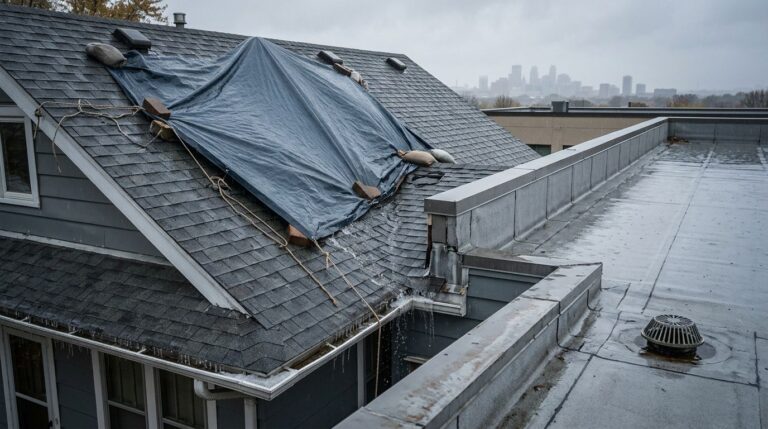
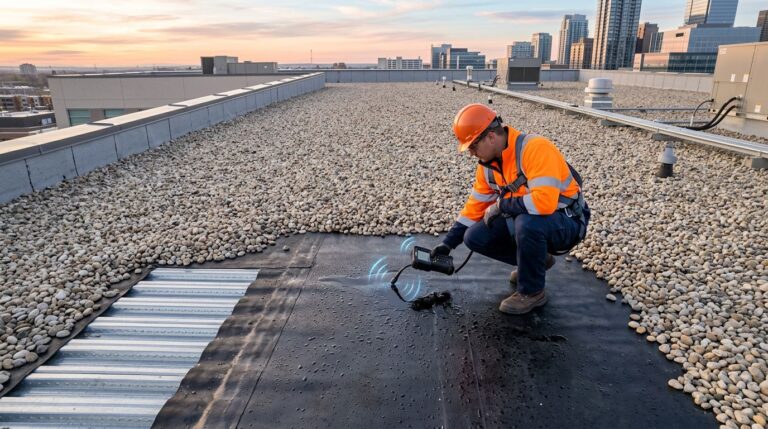
If your building has a low-slope roof, you may not have shingles at all. Instead, you may have perimeter edge metal, coping, or a gravel stop. The same logic still applies, because wind often stresses the roof edge before it tears the main membrane.
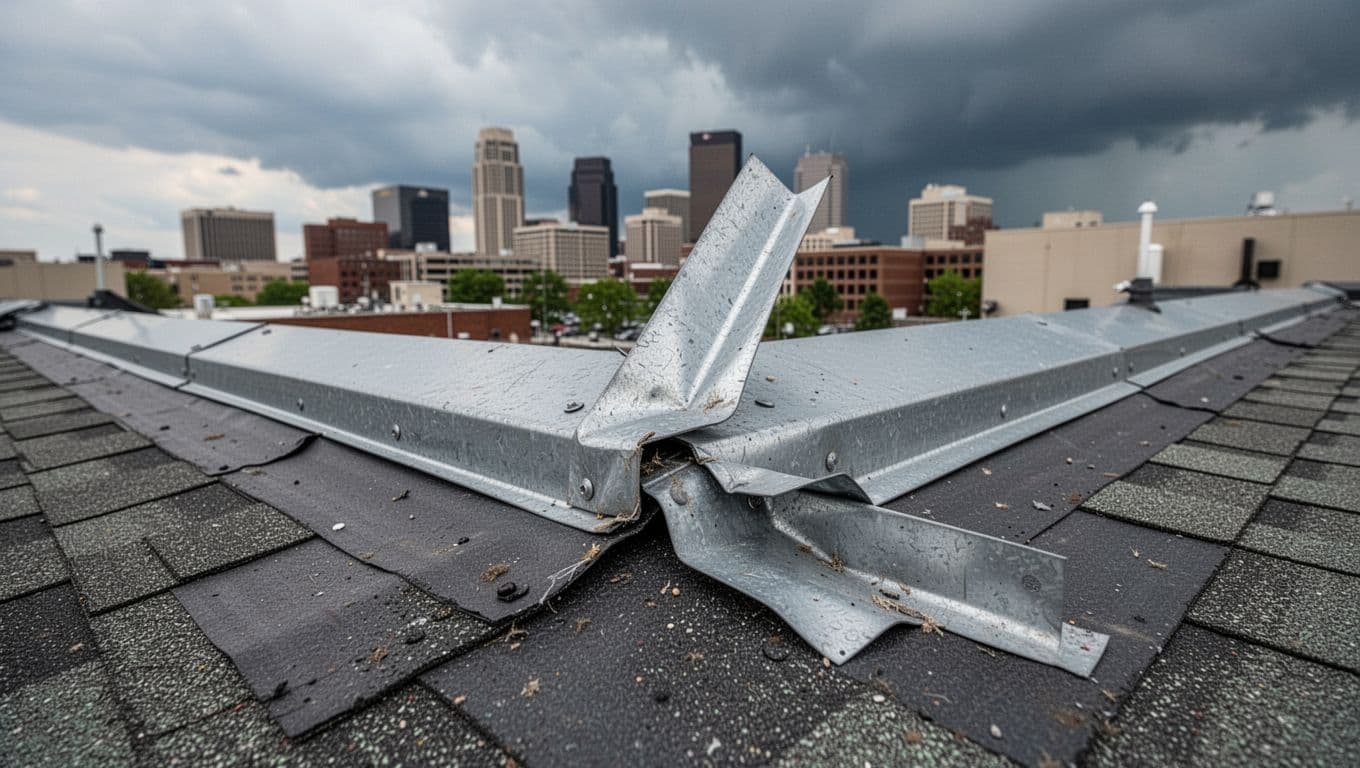
This is most common after straight-line winds, corner gusts, or repeated freeze-thaw movement. Think of it like wind peeling at the tab on a can. It goes after the thin exposed edge first.
When this points to broader roof damage
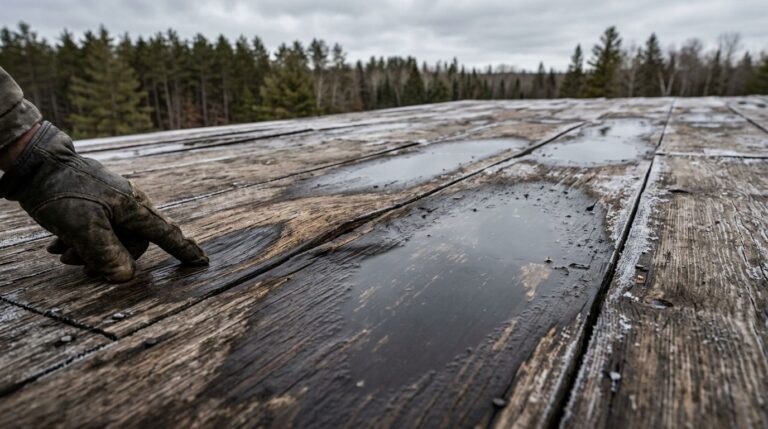
This answer does not apply if shingles are creased, missing, or sliding. It also doesn’t apply if you see exposed underlayment, torn seal strips, soft decking, or membrane pull-back on a flat roof. In those cases, the drip edge is only part of the problem.
Water marks inside the building also change the picture. On commercial roofs, water can travel far from the entry point. If you notice stains, wet insulation, or repeat leaks after a storm, pair the visual check with commercial roof leak detection Saint Paul.
A neat roof line from the ground doesn’t rule out hidden edge failure.
Step-by-Step
How to respond after wind hits the roof edge
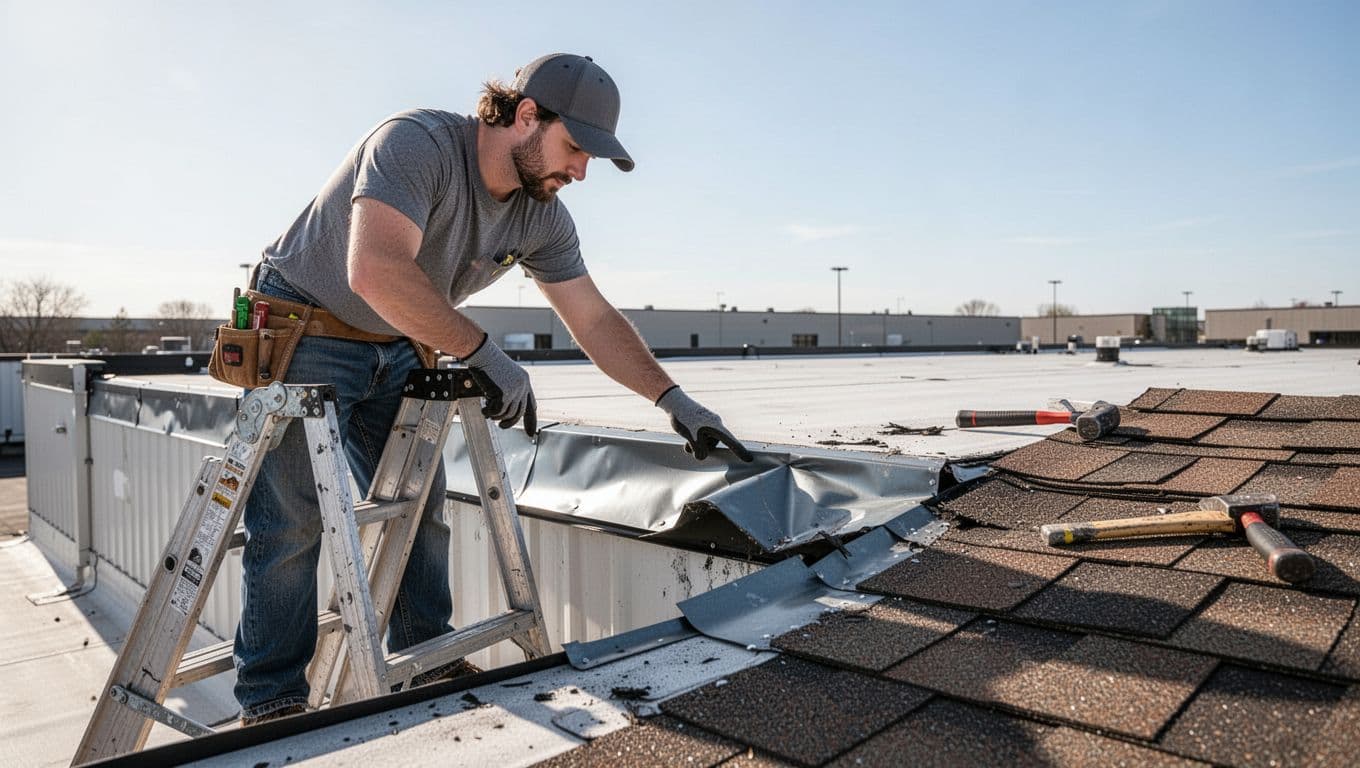
- Keep people back and inspect from the ground first. Loose edge metal is sharp, and wind can move it again. Use binoculars or zoom photos rather than sending staff onto the roof.
- Document the damage right away. Take wide shots of the full roof edge, then close-ups of bent metal, lifted corners, gutters, and fascia. Also photograph any interior signs, because those help with scope and insurance review.
- Check whether the damage stops at the perimeter. Look for lifted shingles, open seams, loose flashing, or wet ceiling tiles. If the problem stays at the edge, repair is often simple. If wind got under the roof system, the cost and urgency go up.
- Get the edge secured before the next storm. A contractor may refasten the metal, replace damaged sections, reseal joints, and check the substrate below. Quick action matters, because a small gap can turn into a larger uplift zone.
- Match the repair to the roof type and age. If the field roof is still sound, a targeted commercial flat roof repair or edge-metal repair may solve it. If wind exposed wide perimeter damage, soaked insulation, or aged materials near the end of service life, commercial roof replacement may be the smarter long-term move.
- Ask for a written condition report. That report should show whether the issue is isolated or part of a wider failure pattern. If you’re unsure whether your commercial roof needs repair or a bigger plan, have Sellers Roofing’s Saint Paul commercial roofing team review the edge, drainage, and adjacent roof sections together.
Frequently Asked Questions
Will insurance cover a bent drip edge if the shingles look fine?
It often can, if the damage came from a sudden wind event and you document it well. Carriers usually look for direct physical damage, storm date support, and signs that the metal failed from wind, not long-term neglect.
What weakens a claim?
Rust, old patchwork, missing photos, and delayed reporting can all hurt it. That’s why prompt inspection matters.
Can a loose drip edge cause leaks later, even if nothing leaks now?
Yes. Wind-driven rain can blow under the lifted metal and reach the roof deck or wall edge. The roof may look quiet today, but the next storm can push water into the same weak spot.
Should maintenance staff screw it back down themselves?
That’s risky. The metal may be covering damaged wood, wet insulation, or loose fasteners. A quick screw-through fix can also miss hidden damage and complicate later repair work.
What if my building has a flat roof and no shingles at all?
Then you’re likely dealing with edge metal, coping, or a gravel stop rather than a classic drip edge. The same issue still matters, because perimeter failure can happen while the main membrane still looks intact.
What needs checking on a flat roof edge?
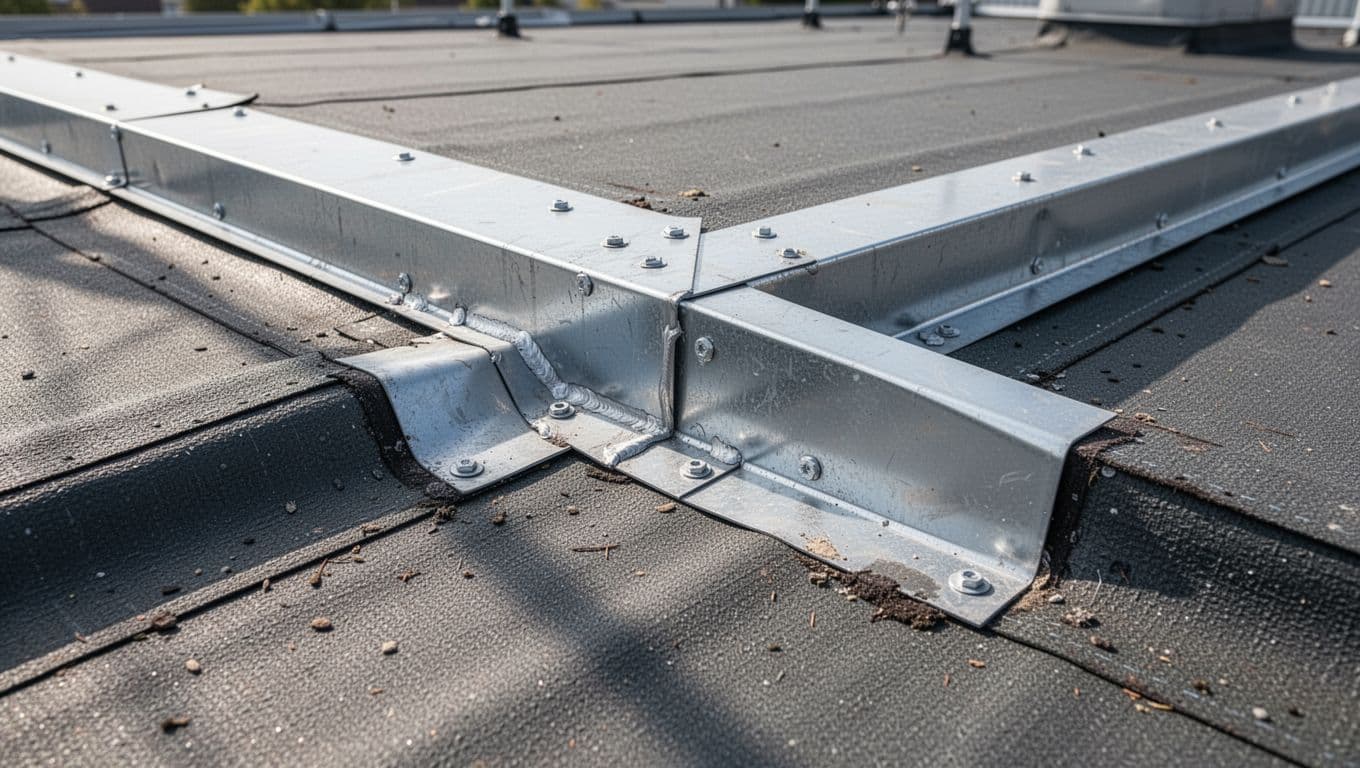
A roofer should inspect the membrane termination, fastener pattern, seams, and any sign of moisture near the perimeter. That tells you whether it’s an edge-only repair or something larger.
How fast should this be repaired after a wind storm?
Within days, not weeks. If the metal is flapping, lifted, or missing fasteners, move faster. Delay gives the next storm a bigger opening to work with.
A bent roof edge may look minor, but it often acts like an open zipper. Once wind finds that opening, damage tends to spread.
Treat a wind damaged drip edge as an early warning, not a cosmetic flaw. The faster you lock down the perimeter, the better your odds of avoiding interior damage and a much larger bill.
Need a roof inspection in Saint Paul or the Twin Cities? Call Sellers Roofing Company at +1-651-703-2336 or schedule a free estimate. We are a black-owned, NMSDC-certified MBE roofing contractor with 9+ years experience.