Last updated: 2026-08-01 by Ted Sellers, Owner
Yes. Strong wind can lift roof coverings just enough to break seals, loosen fasteners, or crease the underlayment, then let the surface settle back down. On commercial buildings, this often happens at edges, corners, slope changes, and around rooftop equipment. The roof may look fine from the ground, yet hidden damage can still lead to leaks and trapped moisture.
When This Applies
This matters most on buildings with exposed edges, slopes, and older roof systems
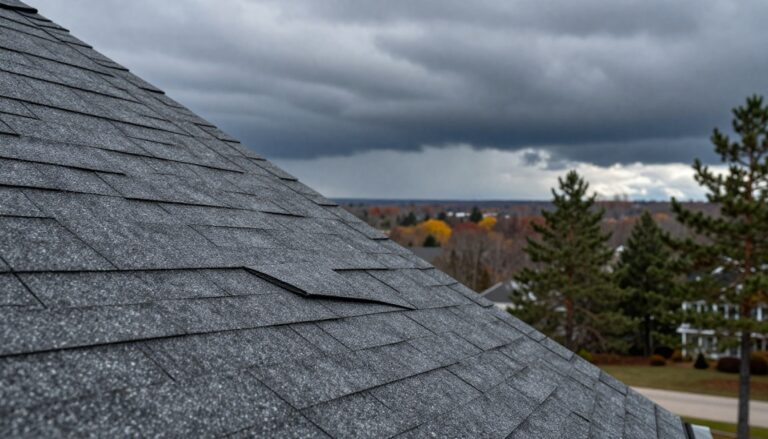
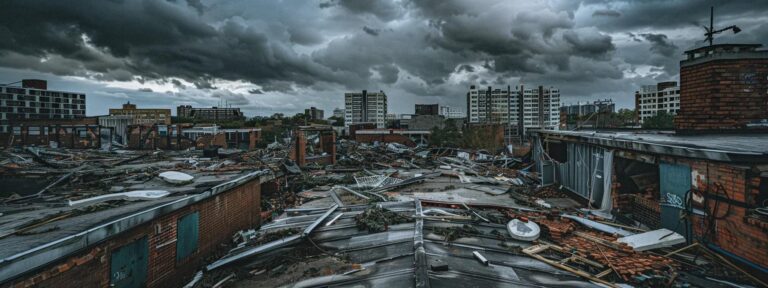
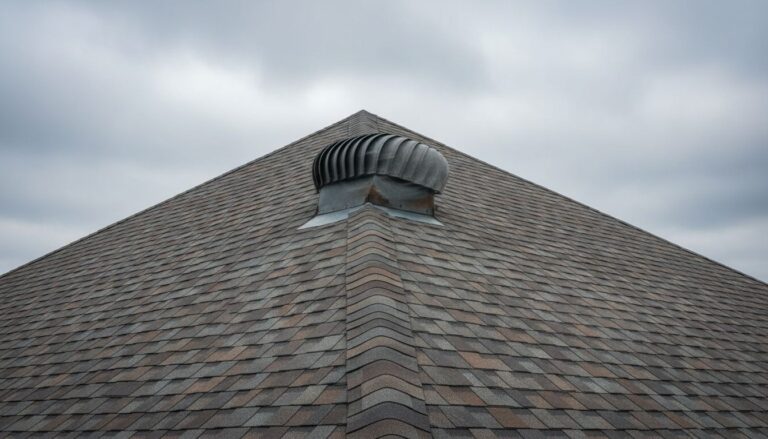
This question fits best when your building has shingle-covered slopes, mansards, or steep entry sections. It also applies after a storm with strong gusts, even if you don’t see debris in the parking lot. Wind doesn’t need to rip shingles away to do harm. Sometimes it only needs a split second of lift.
That lift can crease the underlayment, stretch fastener holes, or break the adhesive seal. Once that happens, water has a path. The roof looks calm, but the layer below may not be.
Commercial owners should pay close attention if the building has older materials, roof edges that face open wind, or a recent history of leaks. A roof near the end of its life is easier to stress. In other words, the storm may not create a new weakness, it may expose one that was already waiting.
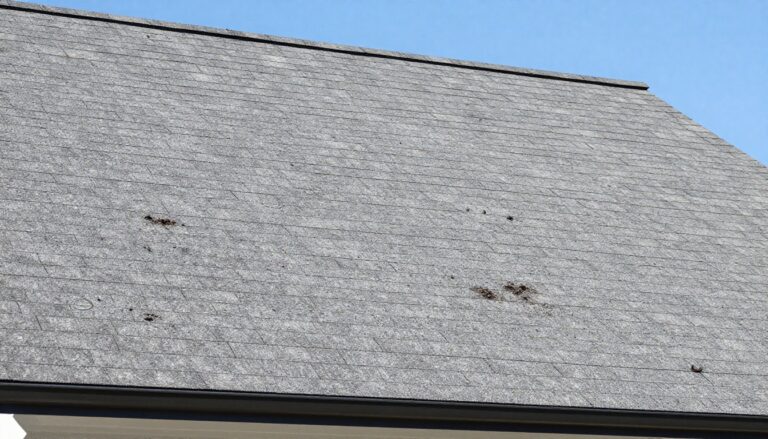
A roof can suffer hidden wind damage long before it loses visible pieces.
When it does not apply, and the exceptions that still matter
If winds were mild and your roof system is newer, fully bonded, and recently inspected, hidden underlayment damage is less likely. The same goes for buildings that had no uplift pressure at edges or corners.
One common exception on flat commercial roofs
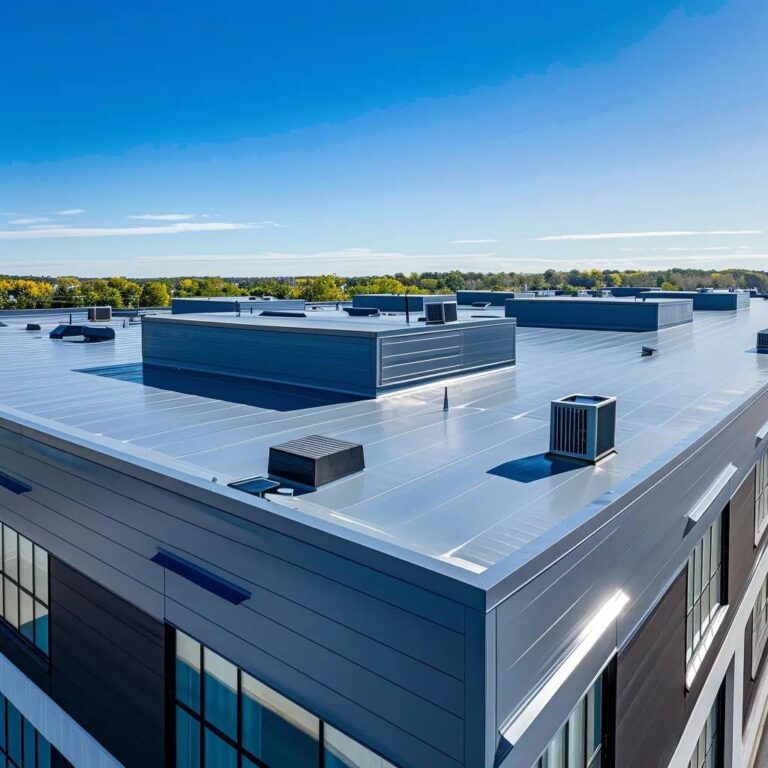
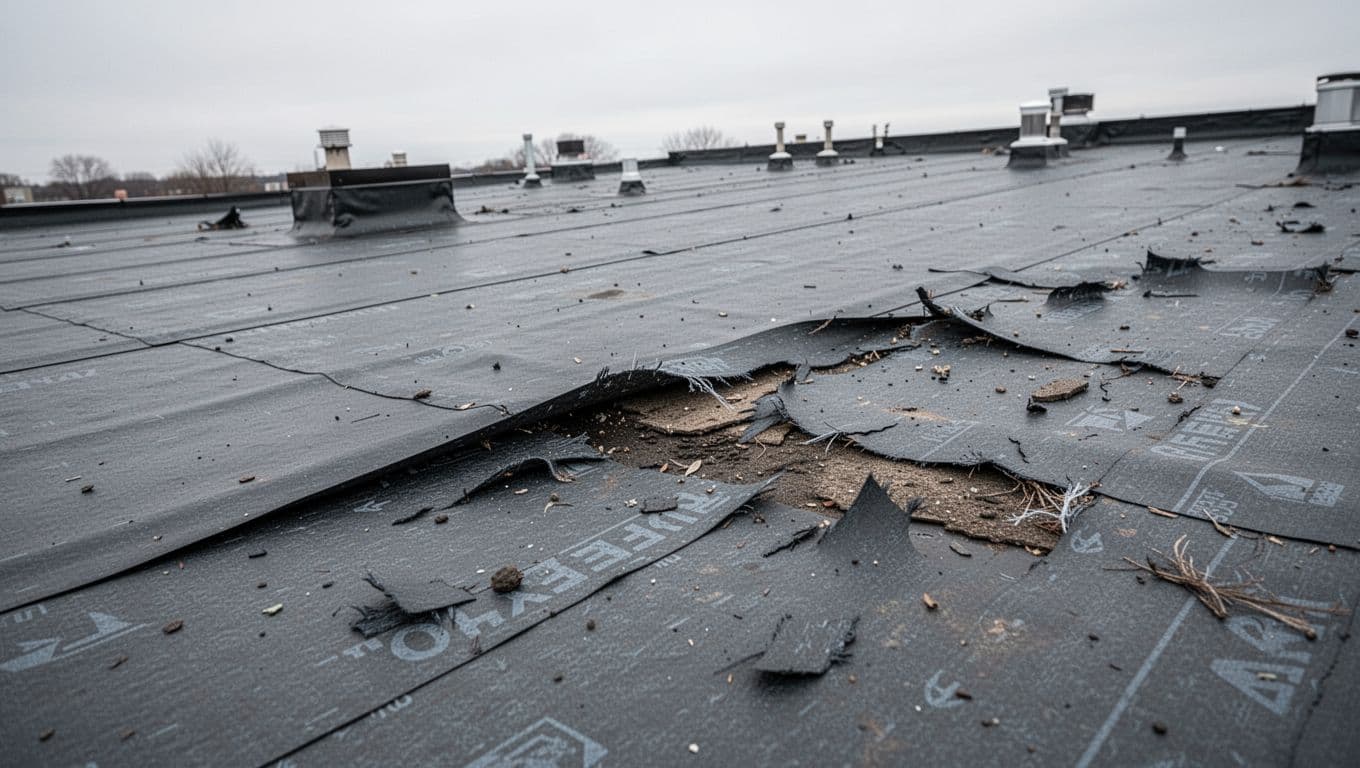
Flat roofs usually don’t have shingles, but the same hidden-damage pattern still happens. Wind can stress membrane seams, edge metal, cover boards, and insulation below the surface. So even when no shingles are missing, a commercial roof needs repair if wind uplift opened seams, shifted flashings, or let moisture into the assembly.
That matters because what looks like a minor issue can turn into insulation damage, mold, and interior staining weeks later.
Step-by-Step
1. Match the storm to the roof’s weak points
Start with the storm itself. Note the date, wind speed if you have it, and the side of the building that took the hardest hit. Corners, roof perimeters, parapet transitions, and rooftop units usually take the most pressure.
Then compare that to your roof design. A low-slope roof with edge metal behaves differently than a shingle-clad mansard. A mixed system has more points where hidden movement can happen.
2. Check for subtle signs of hidden uplift
From the ground and inside the building, look for clues that don’t require tearing anything open. Watch for lifted edge metal, wrinkled flashing, fresh ceiling stains, wet insulation smells, or granules and roofing scraps near downspouts.
On shingled sections, tabs can reseal after wind lifts them. That tricks owners into thinking nothing happened. Yet the underlayment below may already be creased or punctured.
What counts as a red flag
If you see slight buckling, uneven lines, displaced sealant, or new moisture near walls and penetrations, don’t treat it as cosmetic. Those signs often show up before a leak becomes obvious.
3. Get a professional inspection before moisture spreads
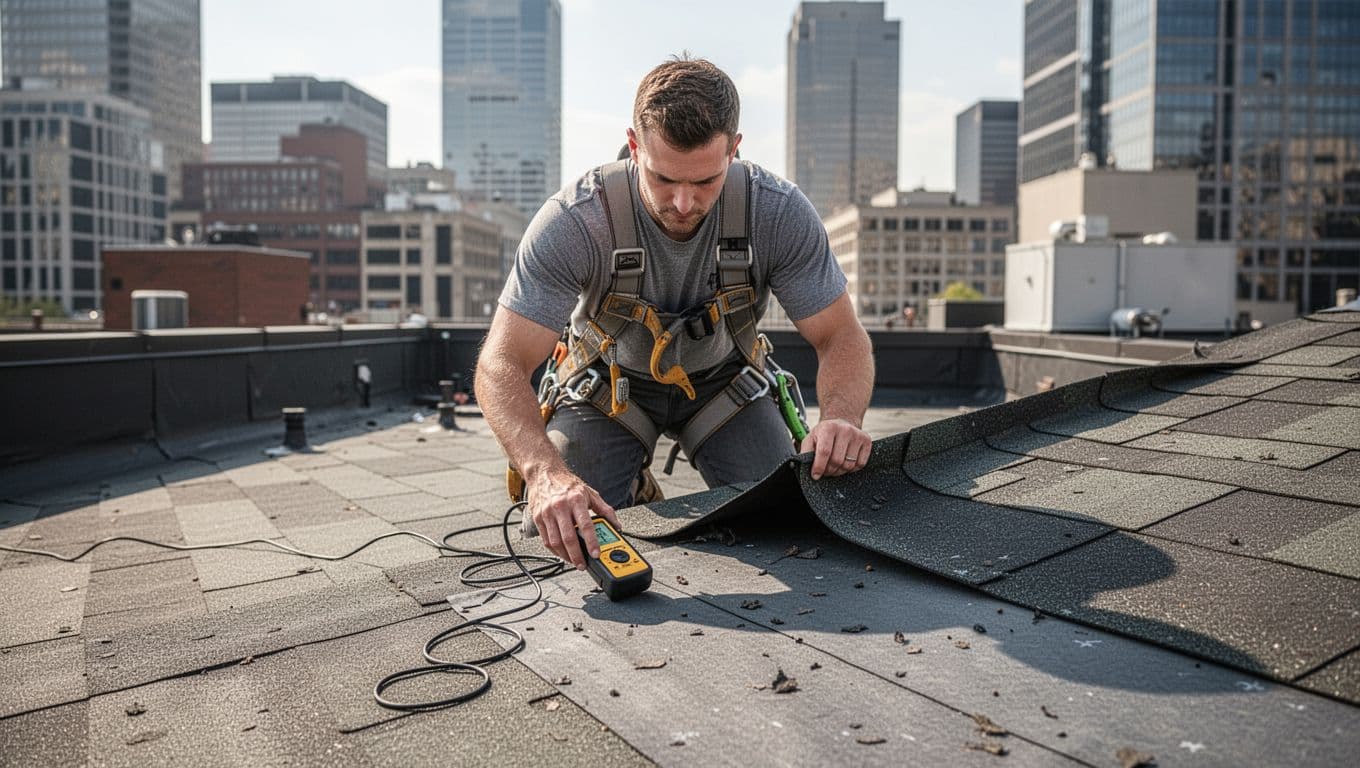
A trained crew can check what your eyes can’t. That includes loose seams, underlayment wrinkles, membrane stress, wet insulation, and damage around penetrations. If your property has low-slope areas, leak detection for flat roofs can help find moisture before it spreads into decking and interior finishes.
This step matters because the cost gap is huge. A localized repair today is far cheaper than opening a broad section later to replace soaked materials.
When same-day service makes sense
Call right away if you have active dripping, ceiling tile stains, displaced edge metal, or a rooftop unit curb that looks loose. Those problems often get worse with the next rain, not the next season.
4. Choose repair or replacement based on the layer that failed
Not every storm means a full tear-off. If the damage is isolated, the best fix may be targeted underlayment replacement, resealing, flashing work, or commercial flat roof repair around seams and edges.
If wind affected large sections, or the roof already had age-related failure, a patch may only buy time. That’s when a documented commercial roof replacement plan makes more sense. The right choice depends on roof age, moisture spread, and whether the damaged layer can be restored without trapping water below it.
Frequently Asked Questions
Can underlayment damage show up weeks after the storm?
Yes. Water often enters slowly after the first uplift event. You may not see stains until insulation gets saturated or moisture reaches a joint, wall, or ceiling tile.
Will insurance cover wind damage if no shingles are missing?
Sometimes, yes. Carriers often care more about documented storm impact than missing pieces alone. Photos, inspection notes, and moisture findings help support the claim.
Documentation matters more than appearance
A roof can look normal and still have functional damage. That’s why same-week inspection records carry weight.
Can my maintenance staff check this without a roofer?
They can spot warning signs from inside and around the building. Still, they shouldn’t lift materials or walk questionable areas without proper safety gear and training.
How is this different on a commercial flat roof?
On low-slope roofs, wind usually affects seams, edges, and flashing details rather than shingle tabs. The hidden problem is often wet insulation or loosened membrane attachment below the surface.
When is replacement smarter than repair?
Replacement makes more sense when moisture spread is wide, repairs would be repeated, or the roof is already near the end of its service life. If the assembly can’t dry out or hold a patch well, repair becomes a short-term bandage.
What to do next
Don’t wait for missing shingles
The big takeaway is simple, wind damage roof underlayment can happen without dramatic surface loss. If your building took a hard storm, hidden uplift is enough reason to act.
For a documented inspection and repair plan, talk with Sellers Roofing Company’s commercial roofing team in Saint Paul. A quiet roof isn’t always a safe roof.
Need a roof inspection in Saint Paul or the Twin Cities? Call Sellers Roofing Company at +1-651-703-2336 or schedule a free estimate. We are a black-owned, NMSDC-certified MBE roofing contractor with 9+ years experience.