Last updated: 2026-08-01 by Ted Sellers, Owner
Sometimes. Lifted shingles reseal when the tabs are still flexible, fully attached, and free of creases, and warm weather allows the adhesive strip to bond again. If shingles are cracked, folded, torn, missing, or old and brittle, replacement is the safer fix. On a commercial property, quick inspection matters because minor wind lift can lead to leaks fast.
When This Applies
This applies to asphalt shingle commercial roofs with light wind lift
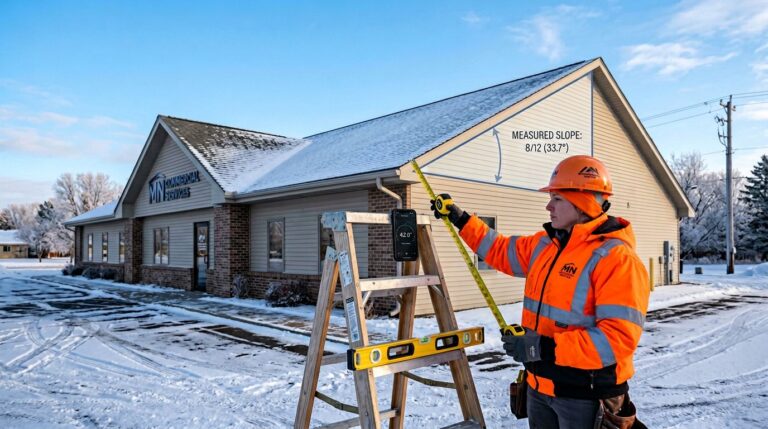
This question fits office buildings, churches, multifamily properties, and other commercial sites that use asphalt shingles, not membrane roofing. In these cases, wind may lift the lower edge of a tab without tearing it off.
A shingle may reseal if the tab still sits in place, the seal strip is intact, and the mat has not bent sharply. Warm, sunny weather helps. So does fast action before dirt, moisture, or debris gets under the tab.
When replacement is the safer call
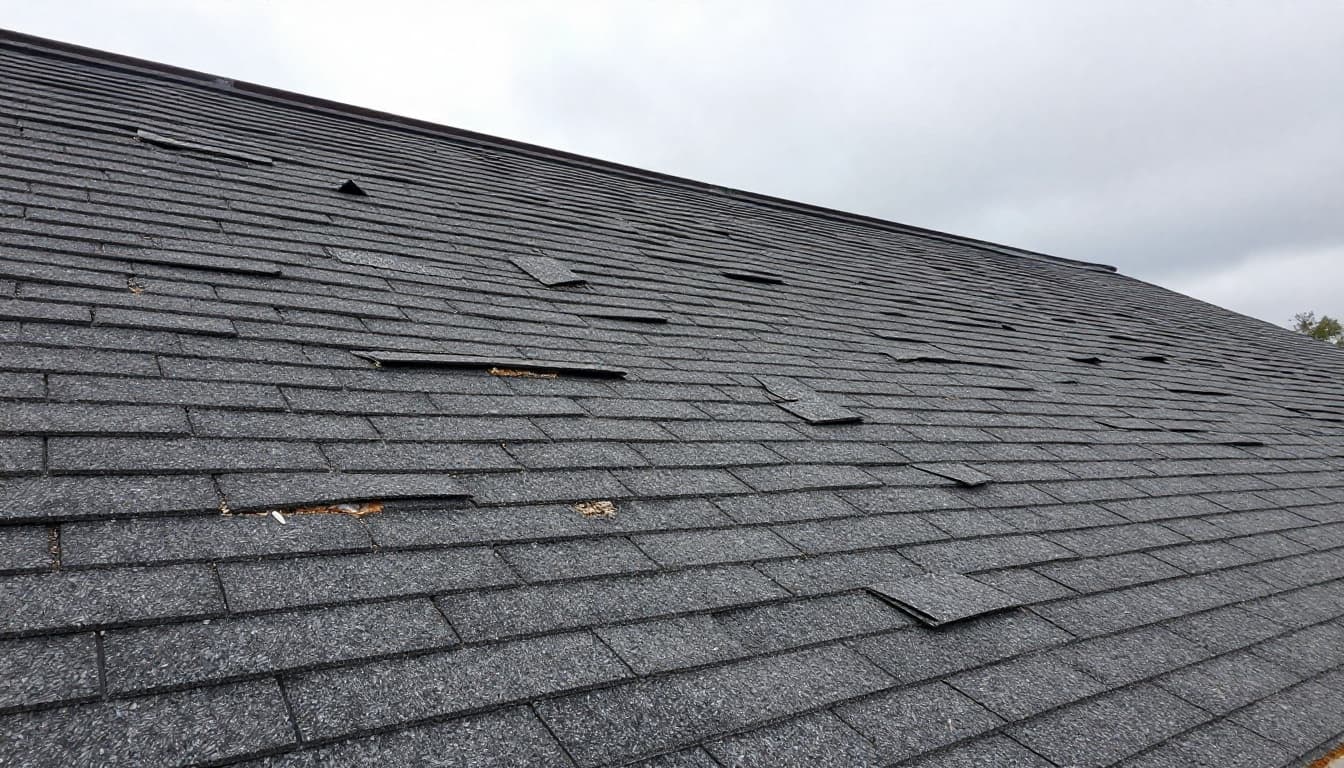
Once a shingle creases, it rarely returns to full strength. Think of it like a bent credit card. It may still sit flat for a while, but the damage is already there. The same goes for tabs with torn corners, exposed nails, missing granules, or broken seal strips.
If multiple shingles lifted on one slope, the issue may be larger than a spot fix. In that case, your commercial roof needs repair now, before the next storm opens the area further.
This does not apply to flat and low-slope systems
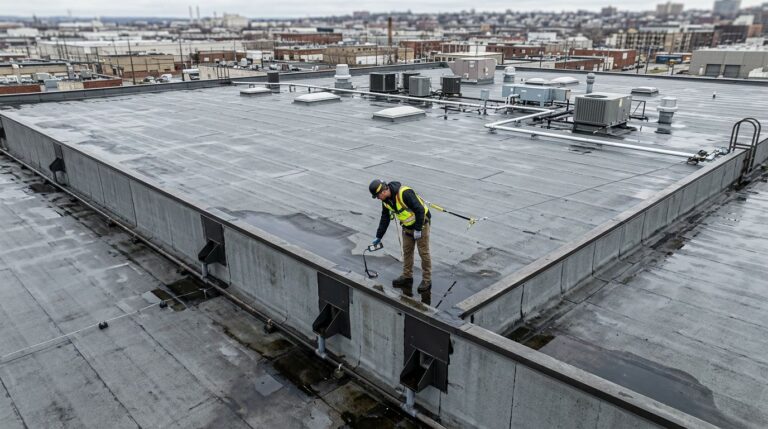
Many business buildings don’t have shingles at all. Warehouses, retail centers, and industrial sites usually have TPO, EPDM, PVC, or modified bitumen. If wind lifted seams or flashing on those systems, that’s a commercial flat roof repair issue, not a shingle reseal issue.
For broader system problems, it helps to review Saint Paul commercial roofing services that match your building type.
Step-by-Step
1. Confirm the shingle is lifted, not broken
Start with a safe visual check from the ground or from approved roof access. Look for tabs that sit up at the edge but remain aligned with the course below.
If the shingle still lines up cleanly and hasn’t folded back, resealing may be possible. If it’s flapping, detached, or missing, skip resealing and move to replacement.
2. Check for creases, tears, and loose fasteners
A close inspection tells you more than a ground view. Look under the lifted area for torn fiberglass mat, split seal strips, pulled nails, or punctures near the nailing zone.
Wind often causes more than one type of damage. A tab may lift, then flex, then crack where you can’t see it from below.
A crease usually ends the reseal debate
When a tab has a hard bend line, don’t count on it to perform like a sound shingle again. It may lay flat after repair, but it has already lost strength and wind resistance.
3. Check the weather before you expect shingles to reseal
Shingles seal best in warm, dry conditions. Cold weather slows or stops the adhesive bond. After a Minnesota wind event, a lifted tab may stay loose for weeks if temperatures stay low.
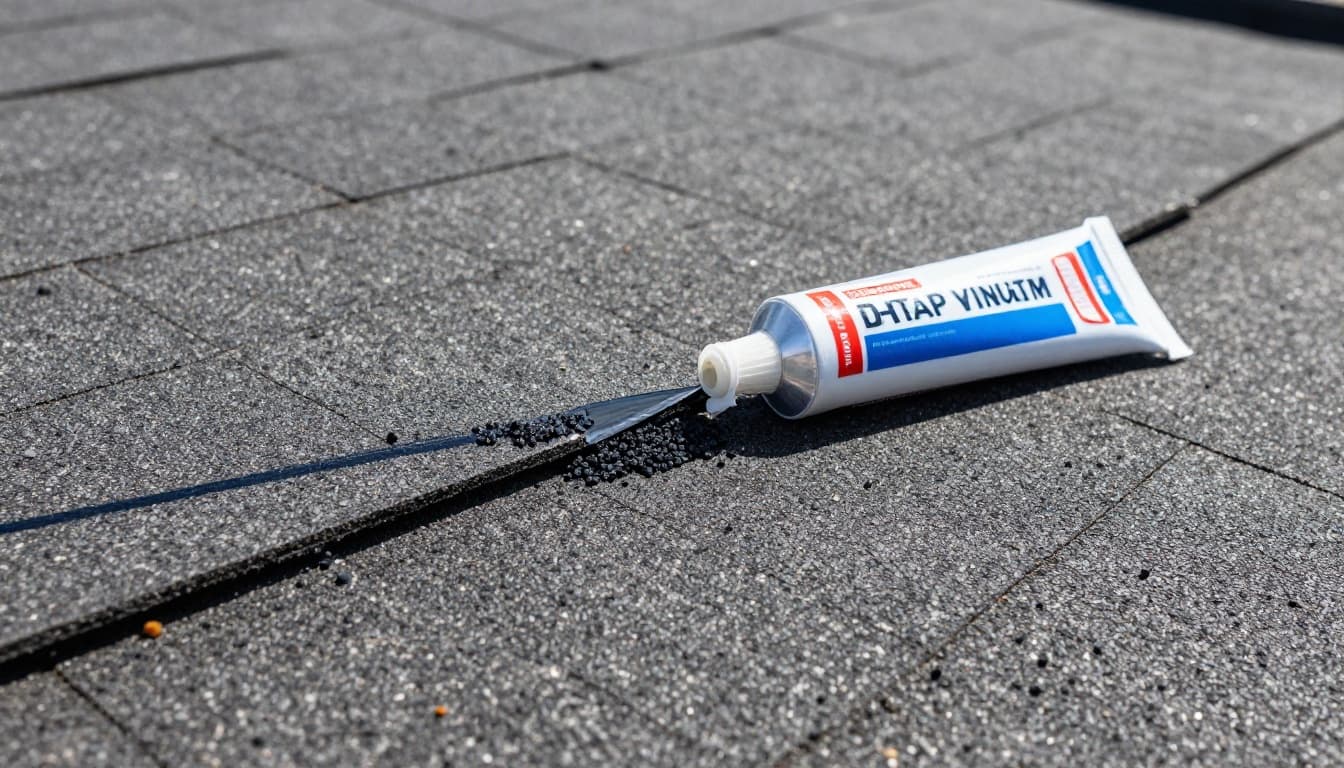
That means waiting for “sun to fix it” can be risky. In many cases, a roofer will hand-seal an intact tab with approved roofing cement rather than hope it bonds on its own.
4. Look for leak signs before choosing the repair
Even a small lifted section can let wind-driven rain in. Check ceilings, wall tops, attic spaces, and roof decking for stains, damp insulation, or fresh drips.
If water may have entered the assembly, schedule commercial roof leak detection Saint Paul before damage spreads out of sight.
5. Match the fix to the size of the problem
One or two intact tabs may only need hand-sealing or a few replacement shingles. A wider area with broken seals, missing tabs, or exposed underlayment needs more than a touch-up.
When the same slope keeps failing, patching can turn into wasted money. At that point, sectional repair may make sense, or the building may be approaching commercial roof replacement if the system is worn across a broad area.
FAQ About Lifted Shingles After Wind
Can lifted shingles reseal on their own in warm weather?
Yes, some can. Still, natural resealing is less reliable after dirt gets under the tab or the adhesive strip has aged. A prompt inspection is the safer move.
What if only one corner of the shingle lifted?
A single lifted corner may be repairable if the shingle remains flexible and uncreased. However, corners often lift first because the seal strip below has already weakened.
How fast should a business owner respond after wind damage?
Treat it as a near-term repair, not a wait-and-see issue. Even when interior leaks aren’t visible, wind-driven rain can get into decking and insulation before you notice it.
Will insurance cover lifted shingles on a commercial building?
Sometimes, but coverage depends on the policy, storm proof, age, and scope of damage. Good photos and fast documentation help support the claim.
Documentation matters
Take date-stamped photos from safe locations and note any interior signs the same day.
What if the roof looks fine from the ground but leaks inside?
That’s common. Water can travel away from the entry point before it shows indoors, especially around walls, vents, and transitions.
Wind can lift a tab in seconds, but the right fix depends on what that wind left behind. If the shingle is intact and flexible, resealing may work. If it’s creased, torn, or part of a larger pattern, replacement is the safer call.
If recent storms hit your property, act before the next rain tests the weak spot. A fast inspection often costs far less than repairing wet insulation, damaged interiors, or a much larger roof section later.
Need a roof inspection in Saint Paul or the Twin Cities? Call Sellers Roofing Company at +1-651-703-2336 or schedule a free estimate. We are a black-owned, NMSDC-certified MBE roofing contractor with 9+ years experience.