Last updated: 2026-05-26 by Ted Sellers, Owner
Serving Falcon Heights & 55108 • Free same-week roof inspections • Call 651-703-2336
Sunday, July 27, 2025, severe storms moved across the Twin Cities and hail up to around 1.5–1.75″ was reported in parts of the metro, including the 55108 area that covers Falcon Heights and portions of St. Anthony Park / UMN St. Paul campus. Even if your roof looks fine from the sidewalk, that size hail can bruise shingles, crack ridge caps, and dent metal vents—damage that often shows up as leaks weeks later after the next heavy rain.
Landmarks & streets we’ve been called to in 55108: near Larpenteur Ave, Snelling Ave, Cleveland Ave, Como Ave, and the blocks surrounding the State Fairgrounds.
Bottom line: If you’re in 55108, assume your roof took at least some impact. A fast, documented inspection protects both your home and any insurance claim you decide to file.
Do this first: a 15-minute homeowner walk-around
Before anyone climbs anything, do a simple, safe loop from ground level.
- Gutters & downspouts – Look for piles of black/gray granules at downspout outlets or in gutter corners. That’s the shingle’s UV-protective layer.
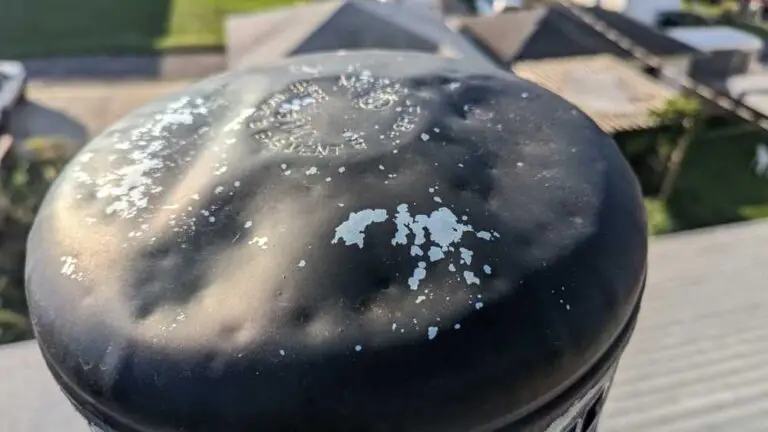
- Metal that took the first hits – Check mailboxes, AC condenser fins, downspouts, and soft metal fascia for fresh dings. If those dented, your roof vents likely did too.
- Screens, trim & paint – Torn window screens, fresh chips on garage service doors, or splatter marks on paint all correlate with roof strikes.
- Siding & fences – Look for star-bursts on wood or chips on fiber-cement.
- Decks & patios – Hail can leave pockmarks in soft decking or outdoor furniture. Photograph them for the timeline.
Photograph everything: one wide shot (to give context) and several close-ups (to show detail). Turn on the timestamp in your phone camera settings.
Safe roof check (what pros look for)
If you choose to climb (only with proper footwear and a spotter), here are the targets. Otherwise, skip this and book our free inspection—we’ll bring fall-protection, ladders, and a drone.
Asphalt shingle slopes
- Bruising/soft spots – Press lightly; a hail bruise feels like a soft pea under the granules.
- Granule craters – Fresh impact marks look dark with granules missing and edges intact; older wear looks smooth and uniform.
- Cracked ridges & tabs – Hail often fractures ridge caps and the lower corners of three-tab shingles.
- Lifted or split sealant lines – Impact + wind can break the adhesive strip; look for shingles that rock under light pressure.
Metal components
- Roof vents & turtle vents – Circular dents or creases; also check the seams for cracks.
- Flashing & drip edge – New scuffs or bends, especially along chimneys, sidewalls, and eaves.
- Gutters – Dented runs or popped fasteners that change pitch (causing overflow).
Flat roofs (garages/additions with EPDM or TPO)
- Surface pitting – Hail can crater membranes; look for white “bruise” dots.
- Seam splits – Impacts near seams can start small tears.
- Ponding – Heavy rain may reveal low spots; note any standing water.
Skylights & accessories
- Acrylic domes – Hairline craze cracks.
- Flashing boots – Cracked neoprene around plumbing stacks.
- Solar mounts – Check for disturbed sealant at penetrations.
Note: One or two cosmetic dings may not meet claim thresholds. We document strike density by slope so you know which sections cross typical insurer standards.
What to photograph for an insurer (step-by-step)
- Proof of place & date – A wide shot showing the street number or a recognizable landmark, plus a phone screenshot of the date/time.
- Slope-by-slope – Label photos “Front-South Slope,” “Rear-North Slope,” etc.
- Close-ups – 6–10 images of bruises, cracked tabs, ridge hits, dented vents, and granules in gutters.
- Collateral – Screens, siding, mailbox, AC fins, deck pocks.
- Interior – Attic or top-floor ceiling stains, especially after the next rain.
We compile this into a shareable photo report (PDF + link) that you can send directly to your adjuster.
When to call a pro immediately
- You see multiple bruises in a 10″×10″ test square.
- Metal vents show obvious dents.
- Ceiling/attic has new spots or musty odors.
- The roof is steep, wet, or you’re not comfortable climbing (don’t risk it).
- HOA or buyers’ schedules are driving a quick decision.
We can meet your adjuster on-site, mark hits with chalk, and explain slope-level findings.
How our free inspection works (Sellers Roofing Company)
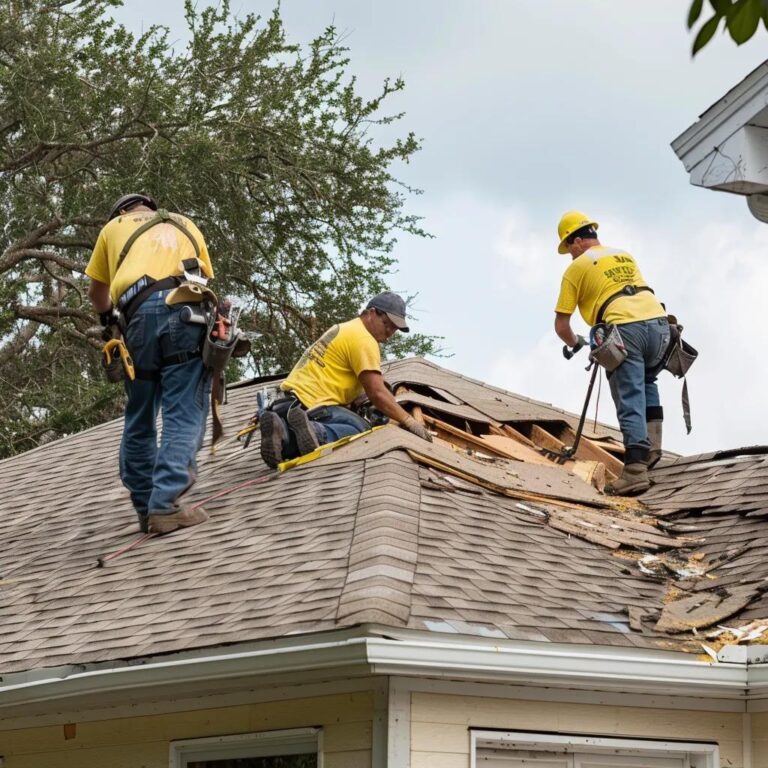
- Arrival & safety – We set cones if needed, use fall-protection, and keep foot traffic off fragile areas.
- Drone survey – 4K imagery flags impact clusters and hard-to-reach slopes.
- Hands-on assessment – We test representative squares, check ridge/valleys, and all penetrations.
- Gutters & fascia – We verify pitch and look for strike-related fastener pulls.
- Attic scan – If accessible, we check sheathing for moisture, nail pops, and ventilation issues.
- Report & next steps – You receive a PDF report with annotated photos, slope map, and a yes/no on whether the damage likely meets claim thresholds. If yes, we help you start the claim; if no, we give you a monitor plan so you don’t over-file.
Cost: The inspection is free. You only pay if you approve repairs or replacement.
Repair and replacement options (what’s typical in 55108)
- Spot repairs – Viable if bruises are isolated and shingles aren’t brittle. We color-match as close as possible, but note some insurers prefer slope replacement for consistent performance.
- Partial slope replacement – If one slope takes the brunt, replacing that slope may be acceptable depending on policy and shingle availability.
- Full roof replacement – Recommended when strike density is high on multiple slopes, or shingle brittleness makes repairs unreliable.
- Accessory swaps – Hail-dented vents, caps, and flashing are usually replaced with new metal and upgraded fasteners.
Upgrades to consider (often covered as code items):
- Ice & water shield in eaves and valleys (common MN code requirement).
- Balanced attic ventilation (intake at soffits + exhaust at ridge).
- High-wind nailing patterns and starter/edge metal for better tear resistance.
- Impact-resistant shingles (Class 4) to reduce future hail claims and sometimes lower premiums—ask your carrier.
Permits, licensing, and inspections (local notes)
- Permits: Roof replacement typically requires a building permit. Falcon Heights processes permits through its building department; timing is usually fast, but we handle the paperwork.
- Inspections: A city inspection may occur during or after the job to verify materials, ice & water shield, ventilation, and flashing details.
- Licensing: Minnesota requires residential contractors to be licensed and insured. You can verify any contractor on the state’s website. We’re fully licensed, insured, and can provide proof on request.
Insurance 101 (Minnesota homeowners)
- Claim window: Policies vary—many require “prompt notice” or action within a set number of days. Do not wait; get the inspection and timestamped photos now.
- Temporary repairs: If you have a leak, protect the home (tarp/temporary patch) and keep receipts—these are often reimbursable.
- Deductible: Hail/wind deductibles may differ from all-peril. We’ll help you review your declarations page.
- Adjuster meeting: We can attend, walk slopes, and align on scope so you’re not stuck fighting over line items later (ridge, ice & water shield, code upgrades, ventilation).
- Supplements: If hidden issues appear (decking rot, brittle failure), we submit supplements with photos and code citations.
What to expect: timeline & crew practices
- Same-week inspection (often 24–72 hours).
- Minor repairs: 1 day.
- Full replacements: Typically 1–2 days on average-sized Twin Cities homes, weather permitting.
- Crew conduct: Yard protection with tarps/plywood, magnetic cleanup for nails, and daily sweep. You’ll get before/after photos for your records.
Book your free 55108 roof inspection
Live in Falcon Heights (55108)? Get a same-week hail inspection with a photo report you can send to insurance. Call 651-703-2336 or book online:
Need a roof inspection in Saint Paul or the Twin Cities? Call Sellers Roofing Company at +1-651-703-2336 or schedule a free estimate. We are a black-owned, NMSDC-certified MBE roofing contractor with 9+ years experience.