Last updated: 2026-05-26 by Ted Sellers, Owner
Wind Impact on Roof Integrity: Identifying, Preventing, and Repairing Hidden Wind Damage
Strong gusts of wind can silently undermine a roof’s structure, stripping away shingles, weakening flashing, and creating concealed leaks before any visible sign appears. In this guide, I explain how wind impact on roof integrity develops, how you can spot hidden threats, and which proactive measures and repair options safeguard your home. We’ll explore five common wind damage types, assess material vulnerabilities, establish wind speed thresholds, outline inspection techniques, compare wind-resistant materials and reinforcements, review repair solutions, navigate insurance claims, highlight industry trends, and define long-term maintenance practices.
What Are the Common Types of Wind Damage to Roofs?
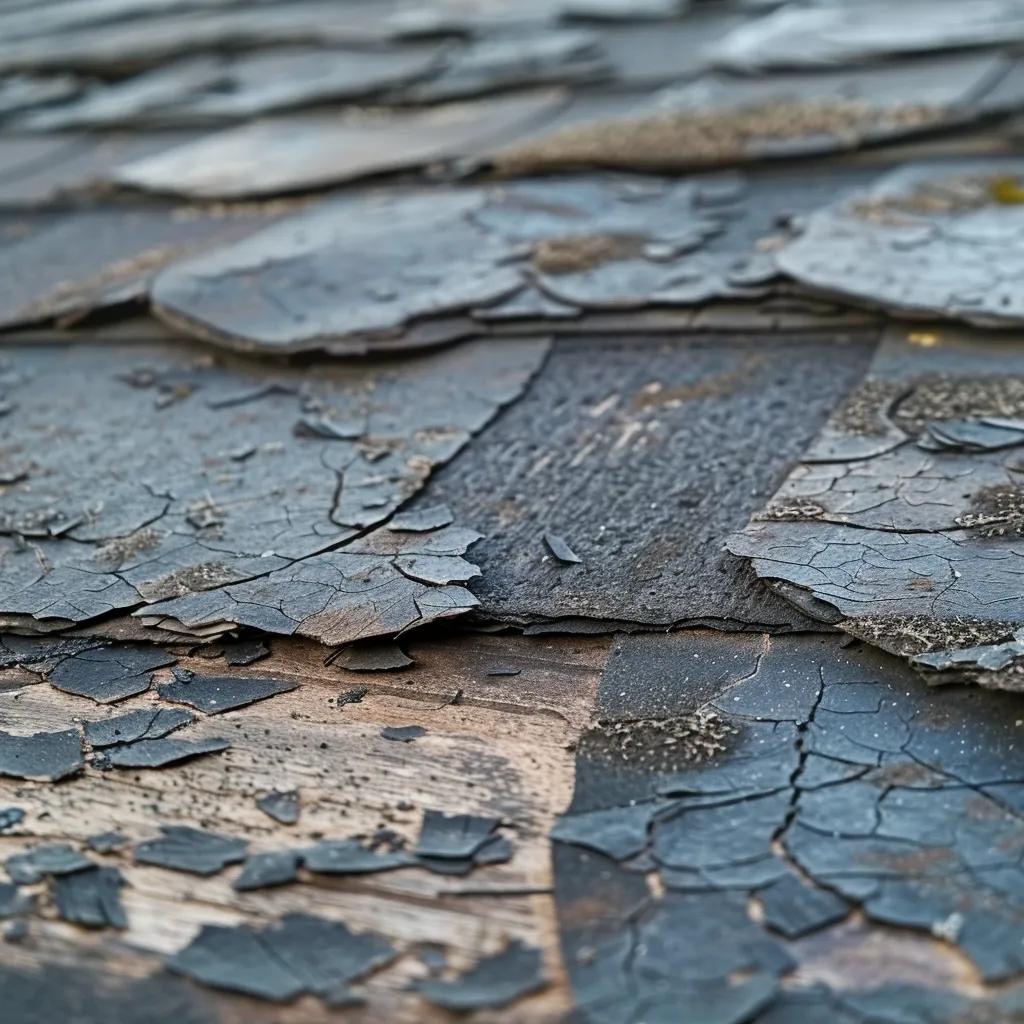
Wind damage to roofs includes distinct failure modes that compromise waterproofing and structural stability. Understanding each type helps you identify issues early and engage targeted repairs.
Common Types of Wind Damage
Wind can cause various types of damage to roofs, including missing or lifted shingles, granule loss, creased or torn shingles, wind uplift, and flashing damage. These types of damage compromise the roof’s ability to protect the structure from water intrusion and can lead to further issues like leaks and structural decay [7, 14, 15].
This source supports the different types of wind damage that can occur to a roof.
How Do Missing and Lifted Shingles Affect Roof Integrity?
Missing and lifted shingles occur when wind penetrates under the shingle edge, separating it from the roof deck and exposing underlayment. This loss of protective covering permits water intrusion, accelerates underlayment degradation, and can lead to rot in the sheathing. When a shingle is fully detached, the roof’s waterproof barrier is breached, raising the risk of interior leaks and structural decay.
What Is Shingle Granule Loss and Why Does It Matter?
Shingle granule loss describes the abrasion of ceramic-coated mineral particles by wind-driven debris, reducing UV protection and fire resistance. As granules are removed, the asphalt membrane becomes exposed to sunlight and temperature swings, accelerating brittleness. Over time, this weakening undermines shingle flexibility and tear resistance, making future wind events more destructive.
How Does Wind Cause Creased and Torn Shingles?
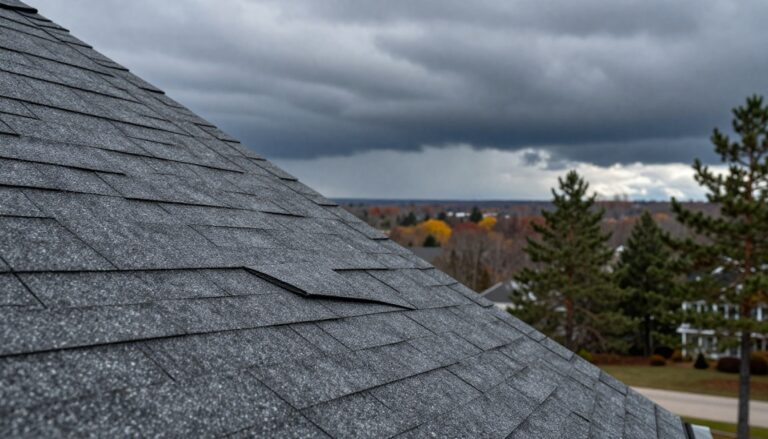
High winds create uplift forces that bend and crease shingles along their natural break lines, forming stress fractures. These creases reduce the shingle’s ability to shed water, and subsequent wind gusts can tear along the crease, enlarging gaps. Torn shingles leave irregular voids that channel water into the roof deck, promoting mold growth and wood rot.
What Is Wind Uplift and How Does It Threaten Roof Stability?
Wind uplift arises when positive pressure beneath the roof deck and negative pressure above generate forces that pry roofing components upward. This uplift can displace entire sections of decking or break fasteners, leading to large-scale detachment of shingles or panels. Uplift compromises roof anchorage, risking partial collapse under sustained storm conditions.
How Does Flashing Damage from Wind Lead to Leaks?
Flashing components—metal strips around chimneys, vents, and valleys—can be bent or pulled away by wind eddies, creating gaps. These breaches interrupt the roof’s water barrier, allowing rain to penetrate along seams and corners. A small separation in flashing can direct water into attic spaces, resulting in ceiling stains and compromised insulation performance.
How Does Wind Affect Different Roofing Materials?
Wind interacts uniquely with roofing materials, influencing durability, uplift resistance, and long-term performance. Assessing each material’s attributes helps choose the right option for high-wind regions.
Wind Resistance of Roofing Materials
Different roofing materials have varying degrees of wind resistance. Asphalt shingles, metal panels, clay or concrete tiles, and natural slate all have different wind resistance ratings. Metal roofing, for example, often provides superior wind resistance due to its interlocking design and secure fastening methods [1, 10].
This source supports the different wind resistance of roofing materials.
Before the comparison, here is a table summarizing key wind-resistance attributes for common roofing materials:
What Is the Wind Resistance of Asphalt Shingles?
Asphalt shingles provide wind resistance through sealed tabs and reinforced nailing zones. Shingles rated Class D resist gusts up to 90 mph, while Class H shingles withstand up to 130 mph. Proper adhesive strips activated by heat lock tabs in place, reducing lift during wind events and preserving deck protection.
How Do Metal Roofs Perform Against High Winds?
Metal roofing panels interlock and fasten directly to purlins or decking, offering exceptional uplift resistance. Many metal systems achieve Class H ratings of 140–160 mph by using concealed fasteners and directional seam profiles that deflect uplift forces. Their rigidity and continuous coverage minimize wind-driven water entry.
Are Tile and Slate Roofs Vulnerable to Wind Damage?
Clay, concrete, and natural slate rely on mechanical fastening and weight to resist wind. While heavy tiles resist down-slope sliding, they can crack or blow off when uplift forces exceed 70–90 mph. Slate’s dense composition offers durability but is prone to edge lift if fasteners degrade over time.
What Installation Practices Improve Wind Resistance for Each Material?
Reinforced installation practices—such as using ring-shank nails, full-bed mortar for tiles, high-wind rated adhesives, and hurricane clips—bolster resistance. Proper overhang alignment, adequate underlayment layers, and manufacturer-approved sealing compounds ensure each roofing material achieves its rated wind performance.
What Wind Speeds Typically Cause Roof Damage?
Roofs become susceptible at certain wind thresholds depending on age, maintenance, and construction quality. Recognizing these thresholds guides inspection timing and risk assessments.
Below is a table outlining vulnerability by roof age and wind speed:
Wind Speed and Roof Damage
The age of a roof and the wind speed play a significant role in determining the vulnerability of a roof to wind damage. Older roofs, with their potentially brittle materials and compromised seals, are more susceptible to damage at lower wind speeds (50–70 mph) compared to newer roofs [14, 15].
This source supports the wind speed and roof damage.
At What Wind Speed Do Older Roofs Become Susceptible?
Older roofs often lose seal integrity and brittle materials reduce flexibility, making them vulnerable at 50–70 mph gusts. At these speeds, weakened shingles lift more easily, and underlayment seams begin to separate, creating access points for moisture.
Can Moderate Winds (50–70 mph) Damage a Roof?
Yes, moderate winds can lift shingles, loosen fasteners, and remove granules on roofs older than 10 years. Even well-maintained roofs may show early signs of wind stress when gusts repeatedly strike the same edges and seams.
How Do Severe Storms and Hurricanes Impact Roof Integrity?
Hurricanes and derecho events generate sustained winds above 90 mph, causing widespread shingle loss, flashing failure, and deck displacement. Regions with frequent hurricanes report roof replacement rates doubling after Category 2 storms, emphasizing the need for reinforced systems and emergency measures.
What Are Local Wind Patterns and Their Impact in St. Paul and Wayzata?
St. Paul and Wayzata experience prevailing westerlies and occasional lake-effect gusts that intensify wind loads on north-facing slopes. Protect your Wayzata home from wind damage by ensuring proper fastening and edge reinforcement—details available on our Wayzata service page. Prevailing gust directions should inform shingle orientation and reinforcement placement for maximum protection.
How Can Homeowners Identify Hidden Wind Damage on Their Roofs?
Identifying Hidden Wind Damage
Homeowners can identify hidden wind damage by looking for visual signs such as lifted tabs, cracked surfaces, and granule loss. Interior signs, like water stains and damp insulation, can also indicate wind-related roof damage. Professional inspections, including the use of drones and infrared imaging, can help detect hidden leaks and weaknesses [6, 21].
This source supports the visual signs of wind damage.
What Are the Visual Signs of Wind Damage on Shingles?
Look for lifted tabs, cracked surfaces, and scattered granules at the gutter line. Shingles may appear buckled or warped. Small tears along seal lines and curled edges indicate wind stress that can escalate into leaks.
How to Detect Interior Signs of Wind-Related Roof Damage?
Check attic spaces for daylight through the deck, damp insulation, and water stains on rafters. Peeling paint on ceilings and blistered wall textures signal water intrusion originating from compromised roofing.
When Should You Schedule a Professional Wind Damage Roof Inspection?
I recommend inspections after any wind event above 50 mph or if you observe visible damage. Seasonal checks in spring and fall help catch hidden issues. Early professional assessment prevents minor damage from escalating.
How Do Roofing Contractors Assess Wind Damage Using Modern Methods?
Contractors deploy drones equipped with high-resolution cameras to inspect slopes without walking on fragile areas. Infrared imaging reveals moisture behind shingles. Combined with handheld moisture meters, these methods pinpoint hidden leaks and structural weaknesses.
Which Wind-Resistant Roofing Materials and Techniques Prevent Damage?

Wind-Resistant Roofing Materials and Techniques
Using wind-resistant roofing materials, such as asphalt shingles rated Class H (130 mph), and employing reinforcement techniques like hurricane clips and proper installation practices, can significantly reduce the risk of wind damage. Proper installation, including correct nail placement and underlayment overlap, is crucial for achieving the rated wind resistance of a roofing material [10, 12].
This source supports the wind-resistant roofing materials and techniques.
What Are the Best Wind-Resistant Roofing Materials and Their Ratings?
Asphalt shingles rated Class H (130 mph), standing-seam metal panels (160 mph), and reinforced concrete tiles (90 mph) lead in wind performance. Higher-grade composite shingles with polymer backing achieve similar uplift resistance.
How Do Hurricane Clips and Roof Reinforcements Enhance Wind Protection?
Hurricane clips tie trusses to wall plates, transferring uplift forces into the building frame. Ridge-to-valley straps reinforce truss connections, while aluminum roof edge systems channel wind pressure away from eaves and rake edges, preventing uplift.
What Proactive Roof Maintenance Practices Reduce Wind Damage Risk?
Regularly clear debris, trim overhanging branches, and replace missing or damaged shingles promptly. Seal flashing joints and inspect underlayment adhesion. Routine maintenance preserves material flexibility and fastener integrity.
How Does Proper Installation Affect Wind Resistance?
Precision in nail placement, correct overlap of underlayment, and manufacturer-approved sealants ensure rated wind resistance. Installation errors—even minor—can reduce uplift thresholds by 20–30 percent, making adherence to guidelines essential.
What Are the Effective Repair Options for Wind-Damaged Roofs?
How Is Shingle Replacement Done After Wind Damage?
Replacement involves removing damaged shingles, cleaning the deck, applying roofing cement beneath tabs, and securing new shingles with ring-shank nails. Proper alignment and heat-activated seals ensure a watertight bond that resists uplift.
What Are the Best Practices for Flashing and Decking Repairs?
Damaged flashing is removed, metal surfaces cleaned, and new flashing installed with corrosion-resistant fasteners and high-performance sealant. Decking replacement uses pressure-treated plywood panels cut to fit, fastened with ring-shank nails to prevent buckling.
When Is Emergency Roof Tarping Necessary?
Emergency tarping is applied immediately after structural damage when storms are ongoing or professional repairs are pending. Tarps are secured with battens and sandbags to prevent water ingress until permanent repairs are completed.
How Do Roofing Experts Ensure Long-Term Wind Damage Mitigation?
I perform post-repair inspections, install upgraded underlayment, and recommend annual checkups. We back repairs with workmanship warranties and offer high-wind reinforcement packages that include sealing, clips, and edge flashing upgrades.
How Do Homeowners Navigate Wind Damage Insurance Claims?
Navigating Wind Damage Insurance Claims
When filing a wind damage insurance claim, it is important to document the damage with photographs and inspection reports. A roofing contractor can support the claim process by providing detailed damage reports and cost breakdowns. Homeowners may face challenges, such as insurers disputing age-related wear, but providing maintenance records can help strengthen the claim [3, 17, 19].
This source supports the documentation needed for wind damage insurance claims.
What Documentation Is Needed for Wind Damage Insurance Claims?
Photographs of visible damage, dated inspection reports, and repair estimates form the claim basis. Include measurements of affected areas and wind speed data from local weather stations to substantiate loss severity.
How Does a Roofing Contractor Support the Insurance Claim Process?
A contractor provides detailed scope-of-damage reports, cost breakdowns, and contractor-led walkthroughs with adjusters. Our assessments clarify causal relationships between wind events and observed damage, expediting claim approval.
What Are Common Challenges in Wind Damage Claims and How to Overcome Them?
Insurers may dispute age-related wear versus wind damage. To counter this, documentation must differentiate between deterioration and storm-induced failures. Supplemental aerial imagery and moisture-map scans strengthen claims.
How Do Insurance Companies Evaluate Roof Age and Wind Damage?
Insurers adjust coverage based on roof age, reducing payouts for older assemblies. Providing maintenance records and recent photo documentation can demonstrate ongoing upkeep, influencing favorable claim evaluations.
What Are the Latest Trends and Statistics on Wind Damage to Roofs?
How Has Storm Frequency Increased Wind Damage Risks?
The U.S. has seen more frequent severe storm events, with five of the ten costliest hurricanes occurring in the past five years. This rise in storm intensity elevates average roof replacement cycles from 20 to 15 years in many coastal regions.
What Percentage of Insurance Claims Are Due to Wind-Related Roof Damage?
Between 70 percent and 90 percent of annual residential insurance claim dollars address roof damage, underscoring the financial impact of wind events on homeowners and insurers alike.
How Is Demand Growing for Wind-Resistant Roofing Materials?
Homeowners increasingly select high-wind rated materials, driving a 25 percent rise in Class H shingle installations and a 30 percent growth in metal roofing adoption over the past decade.
What Local Storm History Should St. Paul Homeowners Know?
St. Paul has experienced several derecho events and microbursts exceeding 75 mph in the past five years, emphasizing the importance of reinforced roofing systems and regular inspections to withstand sudden gusts.
How to Maintain Your Roof for Long-Term Wind Protection?
What Regular Inspections Help Detect Early Wind Damage?
Schedule semi-annual inspections focusing on edges, ridge caps, and flashing seams. Use binoculars to scan for lifted shingles and granule loss, and verify that gutters remain free from debris that could hide damage.
How Does Tree Trimming Reduce Wind Damage Risks?
Removing branches within 10 feet of rooflines prevents strike-induced shingle tears during gusts. Thinning canopy reduces wind turbulence around roof surfaces, lowering localized uplift pressures.
What Seasonal Maintenance Is Recommended for Wind Protection?
In spring, inspect sealants and re-secure loose shingles. In fall, reinforce edge flashing and clear gutters. Seasonal tuning maintains material flexibility and ensures fasteners remain secure before storm seasons.
How Can Homeowners Monitor Roof Condition Between Professional Inspections?
Install roof-mounted cameras or set up scheduled drone flyovers to capture regular visual assessments. Simple DIY checks with a ladder and flashlight help spot daylight through the deck and early moisture signs.
Four years of specialized wind-damage repairs have shown me that early detection, reinforced materials, and methodical maintenance transform a vulnerable roof into a resilient shield. By recognizing missing shingles, granule loss, uplift signs, and flashing gaps, homeowners can enlist targeted repairs that restore integrity. Choosing high-wind-rated materials and professional installation practices—bolstered by proactive inspections and seasonal care—prevents hidden threats from becoming costly failures. Embrace these strategies to protect your investment and ensure lasting wind resistance for your home.
Need a roof inspection in Saint Paul or the Twin Cities? Call Sellers Roofing Company at +1-651-703-2336 or schedule a free estimate. We are a black-owned, NMSDC-certified MBE roofing contractor with 9+ years experience.