Last updated: 2026-08-01 by Ted Sellers, Owner
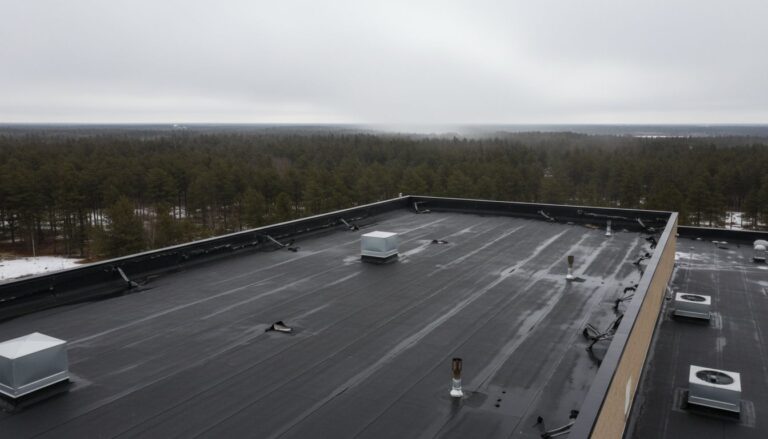
You detect a built-up roof leak without core cuts by layering built-up roof leak detection methods, not by guessing. Start with interior leak mapping, inspect the roof surface, scan for trapped moisture with infrared, confirm wet areas with a moisture meter, and use electronic leak detection when the roof surface allows it. That usually narrows the true source without opening random test holes.
When This Applies
Best fit for no-cut leak detection
This approach fits commercial business owners and facility teams with a low-slope built-up roof, active water stains, repeat leaks, or signs of wet insulation. It’s most useful when the building is occupied and you want answers before starting major commercial roof leak detection in Saint Paul or disruptive tear-off work.
It also helps when the leak seems to “move.” That happens often on BUR systems. Water can slip sideways through felts, insulation, or flashing lines, then show up far from the actual opening. In other words, the ceiling stain is often the smoke, not the fire.
When it doesn’t solve the whole problem
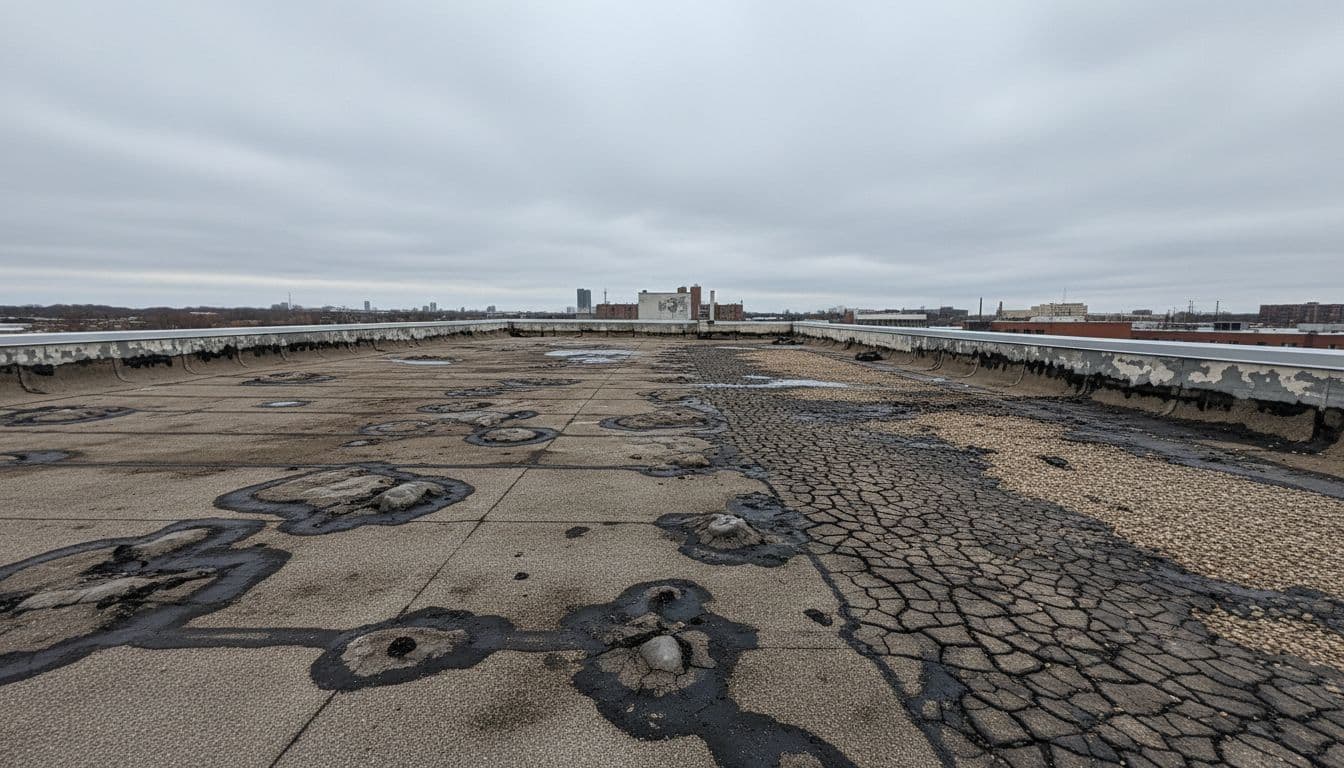
No-cut testing isn’t magic. If the roof has widespread saturation, several old overlay systems, snow cover, or standing water, results may be less exact. On gravel-surfaced BUR, one method alone rarely tells the whole story. That’s why good inspectors combine visual clues, thermal patterns, and field confirmation.
Sometimes the testing still proves the bigger point. If large sections are wet, if flashing has failed in several areas, or if leaks keep coming back, the commercial roof needs repair on a broader scale. At that stage, the real decision may be targeted repair versus partial replacement versus full commercial roof replacement.
Step-by-Step
How to narrow the leak without opening the roof
- Map the leak from inside first. Mark where water appears, when it appears, and what the weather was doing. A leak during wind-driven rain points to flashing or wall details. A leak after long ponding may point to drains, depressions, or a split in the field.
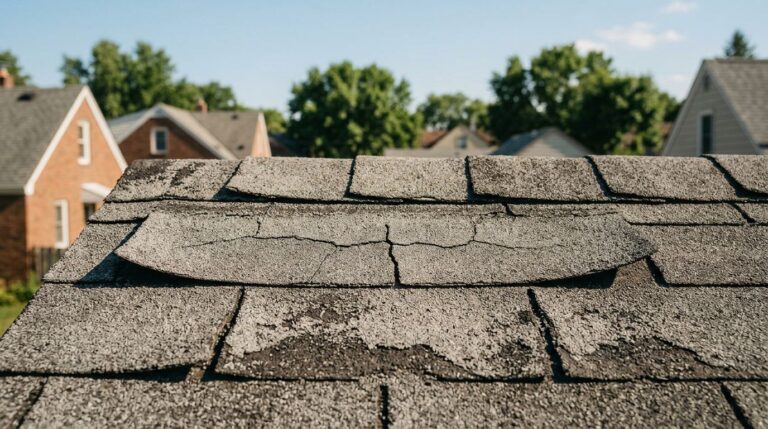
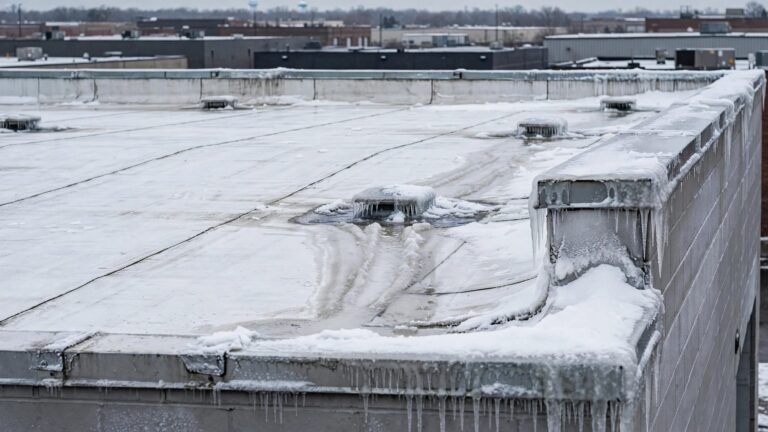
- Inspect the roof surface and all transition points. Look for blisters, alligatoring, exposed felts, displaced gravel, failed pitch pans, cracked base flashing, and clogged drains. On BUR roofs, edges and penetrations often tell the story faster than the open field.
- Run an infrared scan during the right weather window. After a warm, dry day, wet insulation often holds heat longer than dry areas. That temperature contrast can reveal the wet footprint. A good thermal imaging overview for roof moisture shows why timing matters so much.
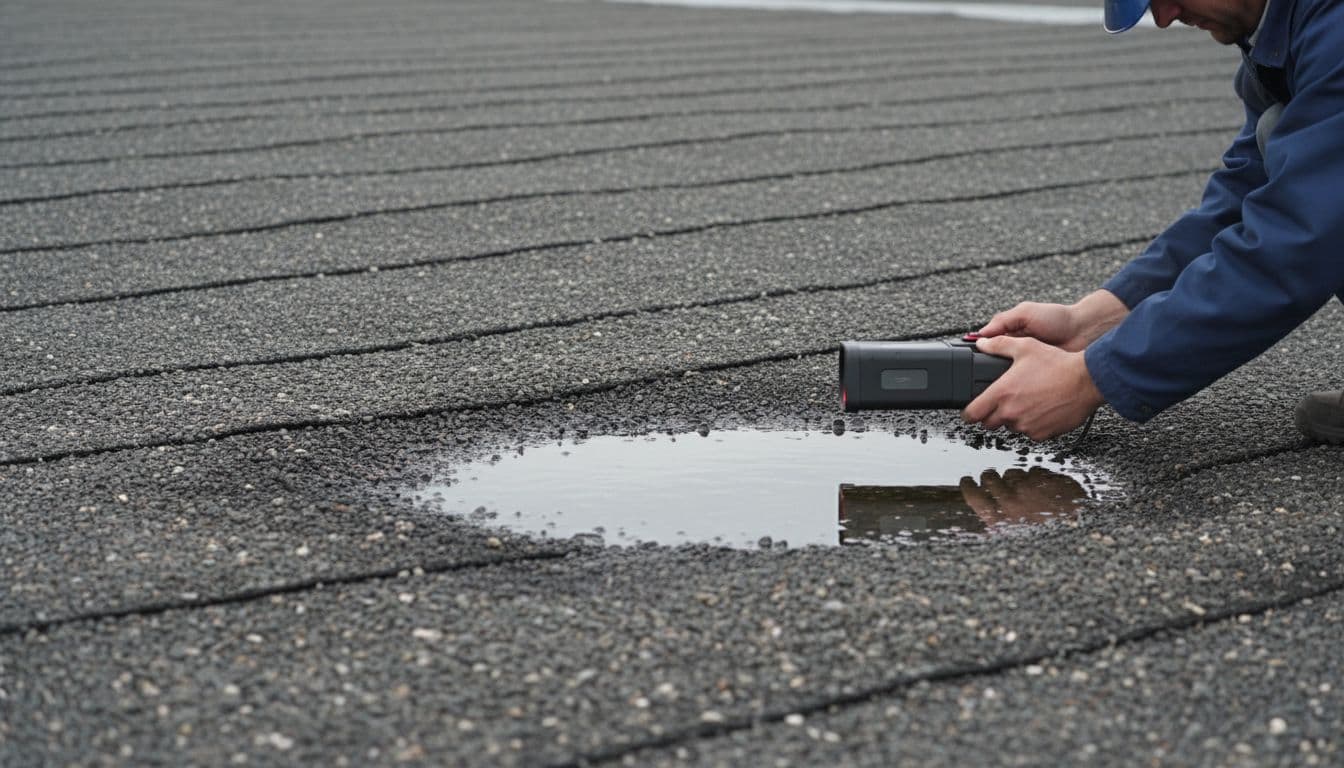
- Confirm the thermal map with moisture meter readings. Infrared shows patterns, but confirmation matters. A handheld meter helps compare suspect areas to dry control spots, so you don’t confuse shade, dirt, or old repairs with real moisture.
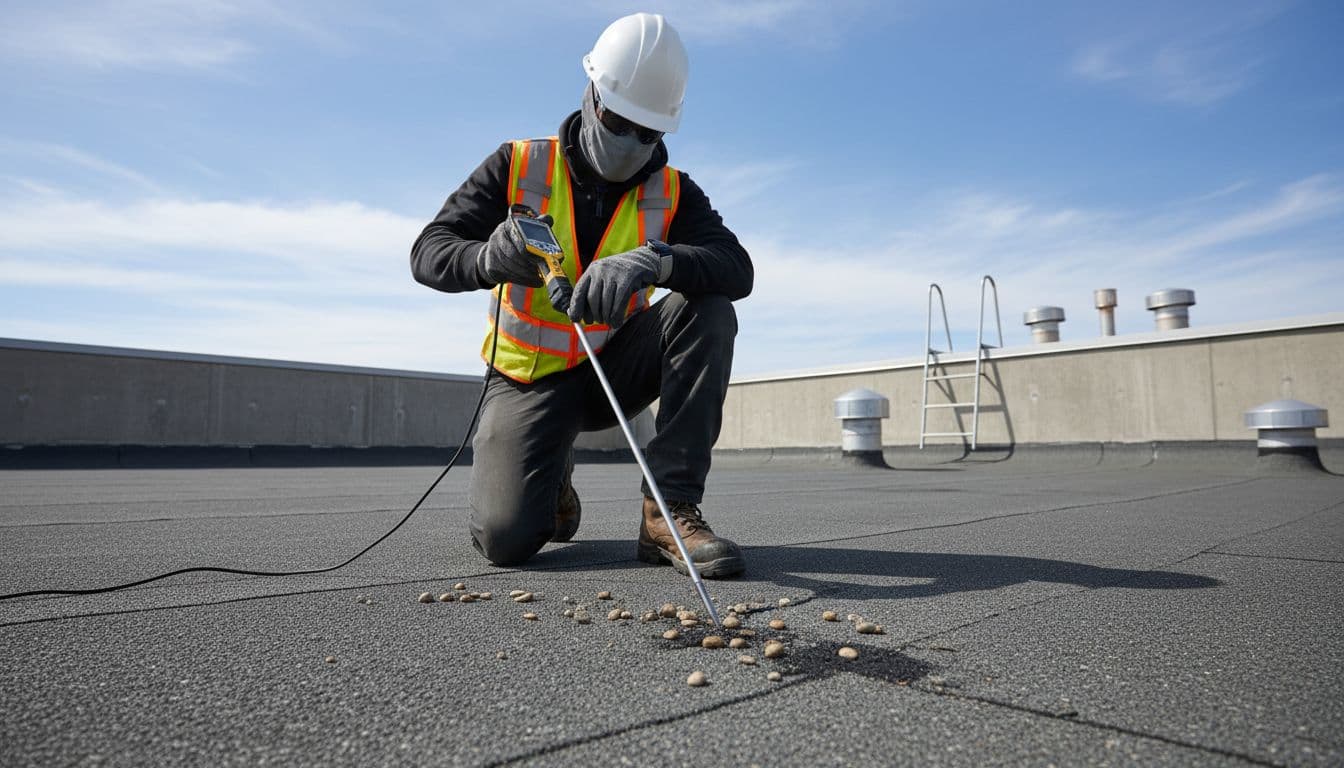 5. Use electronic leak detection when conditions allow. ELD can pinpoint a membrane breach more tightly than infrared because it tracks the actual path to the opening. It’s not ideal for every gravel-surfaced BUR, but on the right assembly or prepared area, it can save a lot of guesswork. Carlisle’s overview of electronic leak detection systems explains why many teams use it instead of broad flood testing.
6. Open only the confirmed repair area. At this point, you’re not making exploratory cuts. You’re making a planned repair opening in the zone already backed by visual findings, thermal data, and moisture confirmation. That keeps commercial flat roof repair focused and reduces wasted labor.
5. Use electronic leak detection when conditions allow. ELD can pinpoint a membrane breach more tightly than infrared because it tracks the actual path to the opening. It’s not ideal for every gravel-surfaced BUR, but on the right assembly or prepared area, it can save a lot of guesswork. Carlisle’s overview of electronic leak detection systems explains why many teams use it instead of broad flood testing.
6. Open only the confirmed repair area. At this point, you’re not making exploratory cuts. You’re making a planned repair opening in the zone already backed by visual findings, thermal data, and moisture confirmation. That keeps commercial flat roof repair focused and reduces wasted labor.
The best no-cut process doesn’t rely on one tool. It builds agreement between several clues.
FAQ
Can you find the exact leak on every built-up roof without cuts?
Not every time. On many BUR roofs, no-cut methods identify the wet area and the most likely entry path. Then the repair crew opens only that confirmed spot, not five random ones.
Why is the ceiling stain often far from the real roof opening?
Water travels. On low-slope roofs, it can move along felts, insulation, deck flutes, or flashing lines before it drops inside. That’s why patching directly above a stain often fails.
Does infrared work right after rain?
Usually, no. A wet roof surface can blur the thermal picture. Infrared works better after the surface dries and the roof has had time to build a useful heat pattern.
When should a business stop patching and think about replacement?
If leaks return after several repairs, wet insulation covers a wide area, or multiple details are failing, patching becomes expensive drift. In that case, the commercial roof needs repair beyond a small fix, and commercial roof replacement may offer the lower long-term cost.
Can you keep the building operating during leak detection?
Most of the time, yes. Non-destructive testing is popular for occupied properties because it limits noise, debris, and unnecessary openings. That’s a big advantage for offices, retail spaces, schools, and medical buildings.
The smartest way to detect a built-up roof leak without core cuts is to work in layers, then repair only what the evidence supports. That gives owners a clearer scope, lower risk, and better control over cost. If repeated leaks keep pulling money out of operations, bring in Saint Paul commercial roofing experts before a small wet area turns into a much larger problem.
Need a roof inspection in Saint Paul or the Twin Cities? Call Sellers Roofing Company at +1-651-703-2336 or schedule a free estimate. We are a black-owned, NMSDC-certified MBE roofing contractor with 9+ years experience.