Last updated: 2026-08-01 by Ted Sellers, Owner
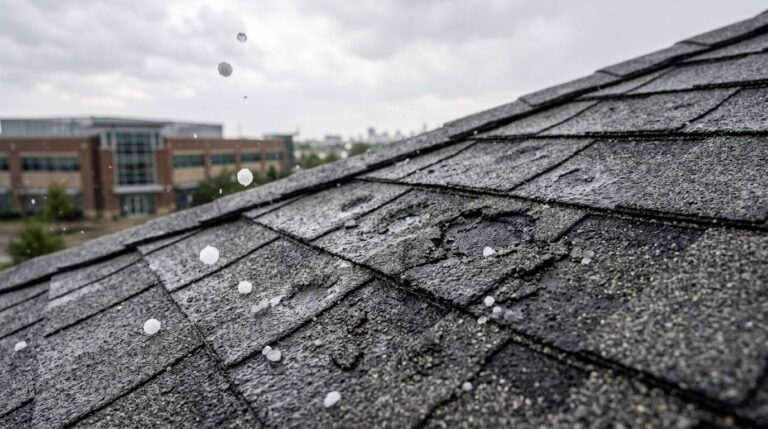
New roof hail damage usually looks clean, sharp, and recent, while old hail damage looks weathered, dirty, oxidized, or blended into the roof’s age. The best clues are the storm date, fresh exposed material, sharp impact edges, matching dents on metal components, and whether the roof shows new leaks or newly broken seams.
When This Applies
Best fit for recent storm checks on commercial roofs
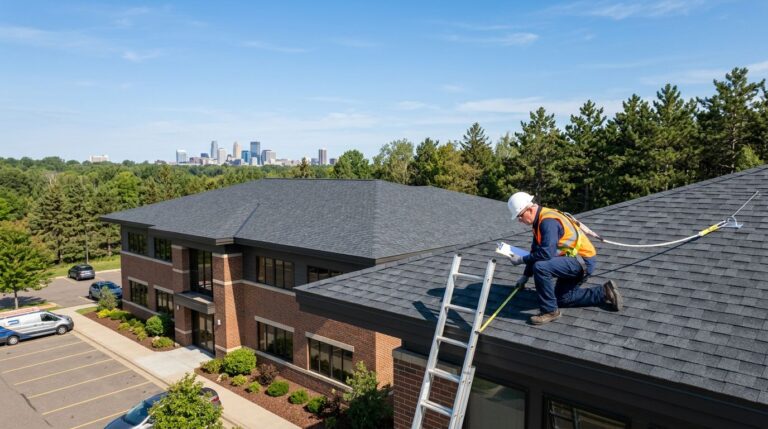
This applies to commercial business owners, facility teams, and property managers checking a roof after a hailstorm. It works best on metal, TPO, EPDM, modified bitumen, and other low-slope systems where you can compare roof marks to a known storm date.
It also helps when you have older inspection photos, maintenance logs, or service records. In that case, you can compare what existed before the storm to what changed after it. For a broader documentation process, this commercial roof hail damage inspection guide adds useful context.
When this comparison can mislead you
Not every round mark is hail. Foot traffic, dropped tools, old patches, and ponding water can leave similar-looking signs. On an aged roof, dirt and UV wear can blur the line between fresh impact and long-term wear.
On aged or coated roofs
A coated roof can hide fresh hits. An old membrane can also crack around a new dent, which makes the damage look older than it is. In other words, the roof’s condition can distort the timeline.
When multiple storms overlap
If the building saw several hail events over two or three seasons, dating damage gets harder. Old marks can sit right beside fresh ones, like dents on a delivery van after more than one accident. In those cases, a side-by-side comparison and records matter more than guesswork.
Step-by-Step
1. Match the damage to the storm timeline
Start with the date of the last hailstorm. Then compare that date to tenant complaints, leak calls, and any dents on gutters, downspouts, metal copings, or HVAC covers.
Fresh roof hail damage usually lines up with a recent event and shows a repeating pattern across exposed surfaces. If the same dent appears in last year’s inspection photos, it isn’t new. That sounds obvious, but it’s the fastest way to cut through confusion.
2. Study the edges, color, and oxidation
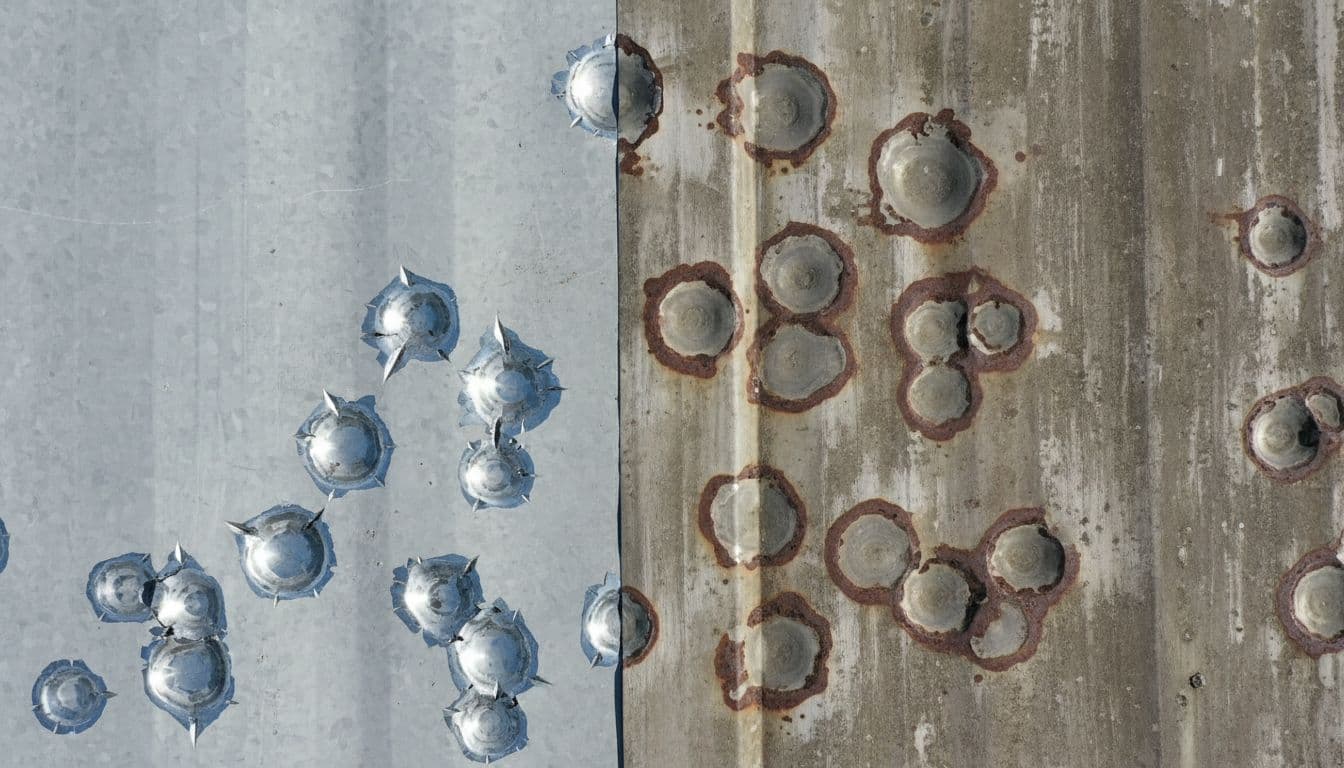
New hail damage often has sharp edges and a cleaner look. On metal, fresh coating loss may reveal brighter metal or a crisp chip. On membranes, the hit can look lighter, smoother, or newly scuffed.
Old damage usually looks softer and more rounded. Dirt settles into it. Rust or oxidation may form on metal. Membranes often darken with age, and older splits lose that fresh, clean edge.
3. Check whether the impact broke the surface
A dent alone isn’t always a problem. The bigger question is whether hail damaged the roof’s protective layer.
On membranes and granulated roofs
Fresh punctures, tears, or granule loss usually expose lighter material underneath. Older damage tends to look dirty, dry, and weather-stained. If your building has modified bitumen, this Minnesota modified bitumen hail damage guide shows how surface loss and splits can age over time.
If a seam has opened or the membrane has split, your commercial roof needs repair. Quick commercial flat roof repair can stop water from moving into insulation and decking.
On metal panels and rooftop units
Fresh hits on metal often chip paint cleanly. Older strikes show chalking, rust, or faded coating around the dent. HVAC housings, vent caps, and edge metal are useful because they tend to reveal age faster than the field of the roof.
4. Look for a pattern across the whole roof system
Real hail rarely damages just one random spot. Instead, it leaves a pattern. You may see similar-sized hits on vents, flashing, skylight frames, condenser covers, and drain bowls.
By contrast, isolated marks often point to maintenance traffic or tools. If one area is dented but nearby soft metals are untouched, slow down before calling it hail.
A single dent can be misleading, but a matching pattern across metal edges, rooftop units, and fresh leak points usually tells the real story.
When interior moisture shows up after the same storm, a targeted commercial roof leak detection Saint Paul inspection helps trace whether those impacts became active leak paths.
5. Confirm with records before you file or replace
Before making a claim or ordering repairs, compare the roof to past service notes, drone photos, and prior bids. That paper trail often settles the “new or old?” question faster than a visual guess.
Sometimes the answer is mixed. A roof may have old cosmetic dents and fresh functional damage from the latest storm. If the damage is widespread and the system is already near the end of its life, commercial roof replacement may make more sense than repeated patching. That’s when talking with Saint Paul commercial roofing experts can save time and bad spending.
FAQs About New vs Old Roof Hail Damage
Can old hail damage cause a leak months later?
Yes. Old hail damage can weaken seams, coatings, and flashing. Then freeze-thaw cycles, foot traffic, or standing water can turn that weak spot into a leak later.
Does rust always mean the hail damage is old?
Not always, but it usually suggests time has passed.
On painted metal roofs
A fresh chip may rust faster if moisture sits there, especially in Minnesota weather. Still, heavy rust or deep oxidation usually points to older damage, not a storm from last week.
What if the roof was patched before the storm?
That makes dating damage harder. Old sealant, patches, or coating repairs can hide the original impact area. In that case, compare the patched section to nearby metal accessories and recent leak history.
Can I tell from the ground if the damage is fresh?
Sometimes, but only in a limited way. Dented vents, bent caps, and marked rooftop metal can hint at recent hail. This guide to spotting hail damage on roof vents shows what those visible clues can look like.
What if insurance says the damage is wear, not hail?
Get dated photos, prior inspection records, and a roof report that separates cosmetic wear from functional storm damage. The stronger your timeline and documentation, the easier it is to challenge a weak conclusion.
The Bottom Line
What to do next if signs point to fresh damage
The simplest way to tell new from old roof hail damage is to compare storm timing, sharp edges, fresh exposed material, and matching hits on nearby metal. Old damage looks settled in, while new damage looks raw. If the signs are mixed, get the roof documented quickly, because small fresh impacts can turn into expensive interior damage faster than most owners expect.
Need a roof inspection in Saint Paul or the Twin Cities? Call Sellers Roofing Company at +1-651-703-2336 or schedule a free estimate. We are a black-owned, NMSDC-certified MBE roofing contractor with 9+ years experience.