Last updated: 2026-08-01 by Ted Sellers, Owner
A commercial roof maintenance plan template is a written, repeatable routine of preventative maintenance for inspecting, cleaning, documenting, and repairing your building infrastructure on a set schedule. For property managers, it reduces surprise leaks, helps with budget planning, and creates proof you cared for the asset. Use the template below to set roles, inspection dates, photo standards, and a seasonal checklist you can run every year.
When This Applies
Who should use this template (and why it works)
This template fits any business or property manager in commercial property management responsible for flat roof maintenance on low-slope or flat commercial roofs, including offices, retail, warehouses, churches, medical buildings, and multi-tenant properties. It’s most useful when you have multiple stakeholders (owners, tenants, maintenance staff, vendors) and need a simple system that keeps everyone aligned.
Think of it like a logbook for a vehicle. Skipping oil changes doesn’t always break the engine that week, but it shortens the roof lifespan and raises the odds of costly repairs. Roofs behave the same way, especially around penetrations, drains, and seams.
A strong plan also supports warranty compliance and claim documentation. Consistent inspection notes, date-stamped photos, and repair invoices can save time when a manufacturer, insurer, or buyer asks, “What’s been done, and when?”
For a general reference on what a roof inspection often covers, compare your process to free roof inspection checklist templates, then tailor it to your roof type and local weather.
When this does not apply (exceptions and edge cases)
If the roof is actively failing
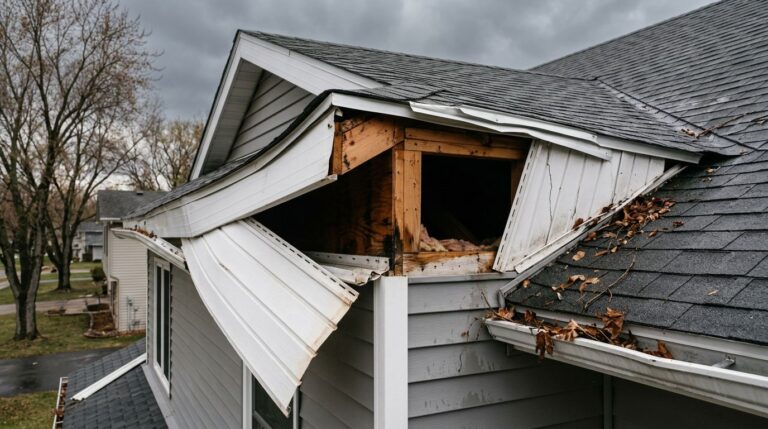
If you have ongoing water damage, saturated insulation, or repeated ponding water after minor repairs, a checklist won’t fix the root issue. At that point, you may be looking at commercial flat roof repair on a larger scope, or even commercial roof replacement planning.
If roof access isn’t safe or allowed
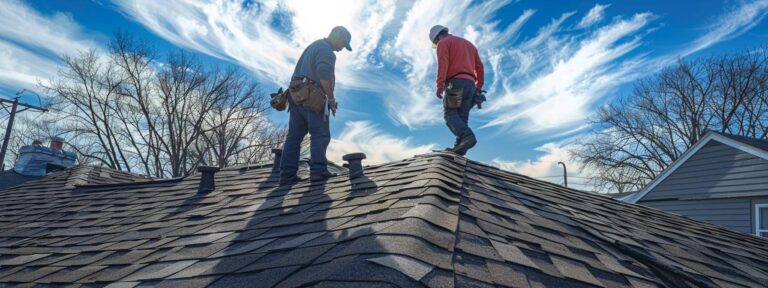
If you can’t provide safe access (locked hatches, no fall protection points, fragile decks), inspections should shift to a roofing contractor. Safety has to come first.
Step-by-Step
Build a repeatable plan you can run all year
Create a one-page roof profile. Record the roof type (TPO, EPDM, PVC, metal, modified bitumen), install year (or best estimate), warranty contacts, drain locations, and a simple roof map. Add a “known issues” line item (past leaks, recurring ponding spots, problem curb flashings).
Assign roles and a communication path. Name who can authorize work, who takes photos, who files invoices, and who notifies tenants. Also set the rule for urgency: “Same-day call for active leaks,” “48-hour response for minor membrane damage,” and “next scheduled visit for cosmetic issues.”
Set your inspection cadence and triggers. Use a roof inspection schedule and maintenance calendar with spring and fall inspections as your primary cadence (plus mid-summer, mid-winter visual checks from safe access points). Add trigger inspections after hail, wind events, heavy snow, work on HVAC units, or any time a tenant reports staining. If your notes ever say the commercial roof needs repair, attach photos and open a work order that day.
Standardize documentation so it’s useful later. Require: date, weather, inspector name, roof area (grid or map reference), issue description, photo pair (wide shot plus close-up), and a “recommended action” line. Store everything in one folder by year. If you want ideas for turning your roof maintenance checklist into trackable tasks, see a commercial roof maintenance checklist example and keep only the fields you’ll truly use for routine tasks.
Run the seasonal checklist (copy and reuse). Use the table below as your recurring worklist, then add roof-specific items like solar mounts, skylights, or grease duct penetrations.
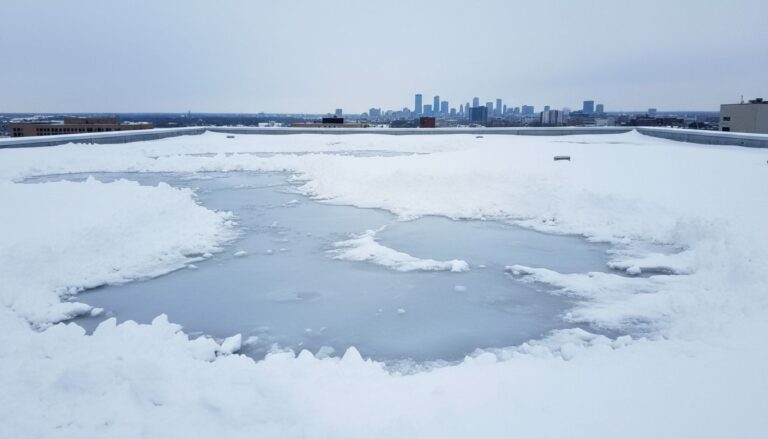
Season Inspect and do Document and decide Spring Perform debris removal, confirm drains flow, check seams and flashings for freeze-thaw splits, look for punctures from snow removal tools Photo drains before/after, note any wet ceiling tiles found over winter, schedule repairs before spring rain Summer Check for UV aging, open seams, shrinking membrane at penetrations, HVAC units foot-traffic wear, sealant cracking Log rooftop contractor visits (HVAC units, electricians), track recurring hot spots, price out coating or targeted repairs Fall Clean gutters and downspouts, inspect edge metal and coping, confirm heat tape (if used) works Record drainage performance during a rain, flag areas prone to ice damming, plan pre-winter service Winter From safe vantage points, watch for drifting and ice build-up, confirm no blocked drains, look for interior leaks after thaw cycles Note snow depth and drift locations, document emergency calls, evaluate if snow removal policy needs updating Define repair thresholds so small issues don’t become emergencies. Put clear “go” rules in writing: punctures in the roof membrane, open seams, loose flashings and penetrations, and clogged drains get repaired fast. Repeated leaks in the same area, widespread seam failure, or insulation moisture should trigger a professional assessment and budget planning.
Choose a qualified roofing contractor and schedule ahead. Your plan works best when you already have a contractor lined up for inspections, leak work, and long-range budgeting. If you manage property in the Twin Cities, keep a local resource bookmarked for commercial roofing services in Saint Paul so you’re not scrambling during the next storm.
Review costs and trends every quarter. Don’t just file reports. Look for patterns: “same drain clogs,” “same curb leaks,” “more punctures near HVAC units.” Trends tell you when maintenance is working to improve energy efficiency and prevent costly repairs, and when you’re only patching symptoms.
FAQ
How do I know if a leak is a quick fix or a bigger problem?
Leak detection helps determine if a one-time leak at a flashing or small puncture stays in the “repair” lane. Repeated leaks in the same zone, standing water, soft spots, bubbling, or widespread seam issues suggest trapped moisture or system decline. Those cases need a contractor evaluation, not just another patch.
What should I do right after a major storm?
If water is entering the building
Protect people and inventory first, then document the leak path with photos. Save weather alerts and date-stamp interior water stains. Request an inspection as soon as it’s safe, and avoid sending untrained staff onto the roof.
How much detail is “enough” for documentation?
Aim for consistency, not volume. Each issue should have one wide photo, one close-up, a location reference, and a recommended action. That’s usually enough to support vendor quotes, warranty conversations, and owner updates.
Can my maintenance staff handle inspections without a roofer?
If roof access and fall protection are safe
Staff can handle basic visual checks and debris removal. Leave membrane repairs, seam work, and flashing details to a qualified crew. A well-meaning repair can void coverage or make leaks worse.
When should I stop repairing and plan for replacement?
If repairs keep repeating, insulation is wet, or the roof can’t drain correctly even after cleaning and minor fixes, start budgeting for commercial roof replacement. An infrared moisture survey can assess hidden issues to extend roof life. A contractor can help you compare repair spend versus remaining service life and choose the least disruptive path.
A roof plan shouldn’t feel like paperwork for its own sake. When it’s done right, it’s a simple rhythm that protects tenants, prevents panic calls, and stretches the roof’s life. Property managers can use the roof maintenance checklist to maintain routine tasks, protect their maintenance calendar, start with the template, run the seasonal checklist, and treat every small issue like a warning light. Your future self (and your budget) will thank you.
Need a roof inspection in Saint Paul or the Twin Cities? Call Sellers Roofing Company at +1-651-703-2336 or schedule a free estimate. We are a black-owned, NMSDC-certified MBE roofing contractor with 9+ years experience.