Last updated: 2026-08-01 by Ted Sellers, Owner
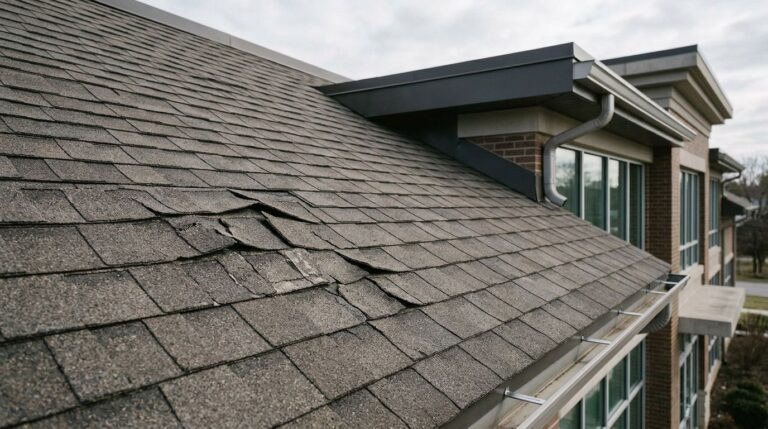
A wind damaged roof usually shows clear signs after a storm, lifted edges, loose flashing, missing metal, scattered ballast, new leaks, or fresh ceiling stains. On commercial buildings, damage often starts at corners, perimeters, and around rooftop units. If anything looks newly lifted, wrinkled, or wet, treat it as active damage and have it checked quickly.
When This Applies
After a wind event hits a commercial property
This applies to business owners and property managers with flat, low-slope, metal, or mixed-system roofs. It fits warehouses, offices, retail centers, schools, churches, and multi-family buildings. If strong winds hit your area and nearby signs, branches, or rooftop items moved, your roof deserves a closer look.
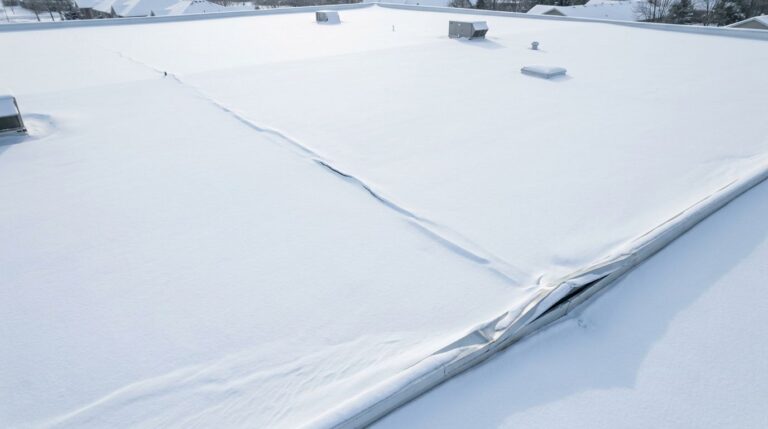
Commercial roofs often fail in ways that are easy to miss from the ground. Wind can pull at seams and edges like someone peeling up a label. That pattern is common on TPO, EPDM, PVC, and modified bitumen systems. For more context, see this guide to wind uplift damage on commercial flat roofs.
When it may not be wind damage
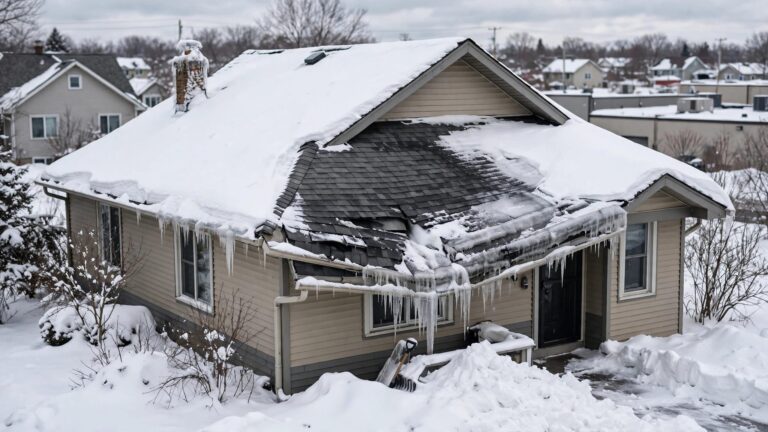
Not every roof problem came from wind. Old blistering, worn sealant, rust that formed over years, or leaks tied to plumbing can point to other causes. Snow cover can also hide recent storm damage, so a roof may look fine until thawing starts.
Still, wind often makes old weak spots worse. A seam that was barely holding last month can open after one hard gust. If you suspect hidden moisture, commercial roof leak detection in Saint Paul can help confirm whether water got under the system.
Step-by-Step
1. Match the roof problem to the storm
Start with timing. Note when the wind event happened, which side of the building faced the gusts, and whether staff saw debris or heard unusual noise on the roof. Bent fence panels, broken tree limbs, or displaced dumpster lids often support the story.
This matters because storm timing helps separate fresh damage from older wear. It also helps with warranty and insurance questions later.
2. Inspect edges, corners, and rooftop penetrations first
On commercial roofs, the perimeter usually takes the hardest hit. Check parapet caps, edge metal, membrane terminations, drains, skylights, vent stacks, and HVAC curbs. If you have a gravel-surfaced roof, look for displaced ballast and exposed membrane. On metal roofs, watch for lifted panels or backed-out fasteners.
Use safe access only. A ground view with binoculars or a trained inspection is better than climbing onto a slick roof after a storm.
On low-slope roofs, small changes still matter
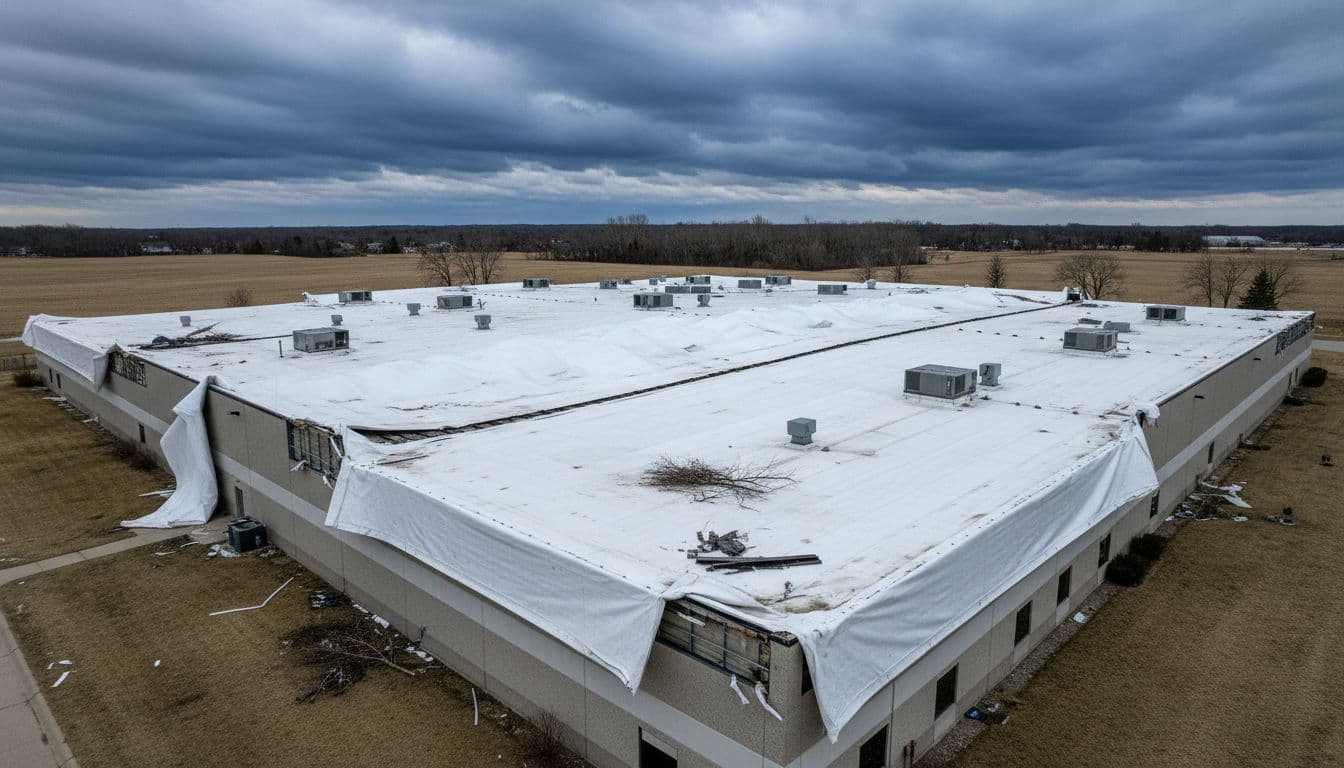
A membrane doesn’t need a dramatic tear to be damaged. Wrinkles, loose bars, curled edge strips, or seams that no longer sit flat can all signal uplift. If you see those signs, your commercial roof needs repair, even if the ceiling still looks dry.
If wind lifted one edge, water may already be under the roof system.
3. Check the interior the same day
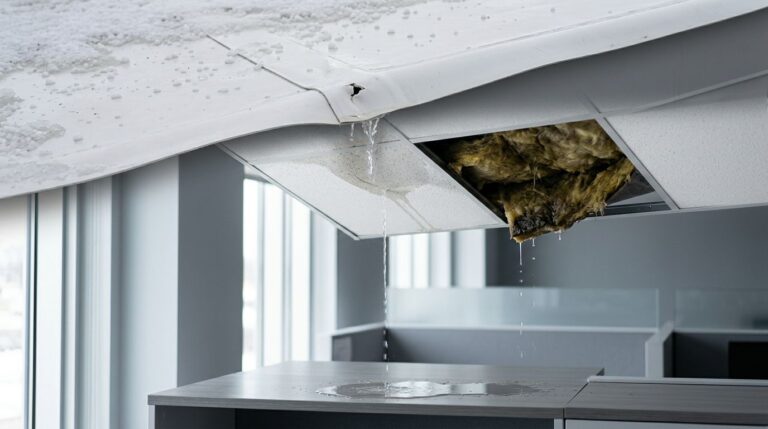
Next, walk the top floor and any rooms below roof penetrations. Fresh water stains, sagging ceiling tiles, damp insulation, musty odor, wet wall tops, or puddles near exterior walls all deserve attention. Water on a flat roof can travel, so the drip point may sit far from the actual opening.
That hidden travel is why leak tracing matters. A stain above one office might come from damage 20 or 30 feet away.
4. Document everything before anyone patches it
Take wide photos and close-ups. Record the date, wind event, and where the first signs appeared. If metal, membrane, or fasteners came loose, keep them if possible. Good notes help you explain the sequence of events clearly.
Then bring in a qualified Saint Paul commercial roofing team that understands storm-related damage on low-slope systems. Fast documentation can save time if leaks spread after the next rain.
5. Decide if this is repair territory or replacement territory
Small, isolated damage often responds well to commercial flat roof repair. That includes one failed curb detail, one lifted edge, or a limited seam issue. In those cases, targeted work may stop the problem without major disruption.
However, repeated uplift, wet insulation, open seams across large sections, or several leak points tell a different story. When a roof has broad damage or keeps failing in new spots, commercial roof replacement may cost less than constant patching. This broader roof damage indicator guide can help you compare storm signs with normal aging.
Signs patching may not hold
If water is already in the insulation, the surface fix may only hide the issue. The same is true when edge metal has pulled loose in several areas or wind uplift has spread beyond one section.
Common Follow-Up Questions
Can a wind damaged roof start leaking days later?
Yes. Wind often loosens seams or flashing first, then rain finds the opening later. A dry day after the storm doesn’t mean the roof escaped damage.
What if the roof looks fine from the parking lot?
That’s common with commercial buildings. Flat roofs can hide seam separation, lifted terminations, and wet insulation. A clean view from below doesn’t rule out damage.
Will insurance cover commercial wind damage?
Many policies do cover sudden wind damage, but coverage depends on the policy, roof age, and maintenance record.
When claims get harder
If the carrier sees long-term neglect, old open leaks, or poor upkeep, payment can shrink or be denied. Clear photos and quick inspection reports help your case.
Can staff stay in the building while repairs are planned?
Often, yes. But limit access to wet areas, protect stock, and treat any leak near electrical gear as a safety issue. Operations come second to occupant safety.
How do I know when patching is no longer worth it?
When the same area fails again, moisture has spread under the membrane, or multiple sections are lifting, short-term repairs stop making financial sense. At that point, a planned replacement is usually the smarter move.
Bottom Line
Act before the next rain
Wind damage rarely starts with a huge hole. More often, it starts with something slightly loose, slightly lifted, or slightly wet. If you spot those signs, treat them seriously. A fast inspection now can protect tenants, inventory, and your budget later.
Need a roof inspection in Saint Paul or the Twin Cities? Call Sellers Roofing Company at +1-651-703-2336 or schedule a free estimate. We are a black-owned, NMSDC-certified MBE roofing contractor with 9+ years experience.