Last updated: 2026-08-01 by Ted Sellers, Owner
Yes. Hail can dent, loosen, or split chimney flashing while the shingles around it still look fine. That happens because flashing is thinner, more exposed, and sealed at edges that hail can stress. If the flashing fails, water can enter even when the roof surface looks untouched, so the real test is function, not appearance.
When This Applies
Older chimneys and exposed edges
This applies when hail hits a roof detail that is more fragile than the field shingles. Chimney flashing, counterflashing, step flashing, sealant joints, and fasteners can take the hit first. On older buildings, the metal may already be stiff, brittle, or poorly sealed, so a storm does more damage than the roof surface shows.
For commercial property owners, this comes up on older office wings, mixed-use buildings, small retail structures, and masonry chimneys tied into sloped roof sections. If your commercial roof needs repair, a chimney detail can be the weak point that tells the story before the main roof does.
Why shingles can look fine
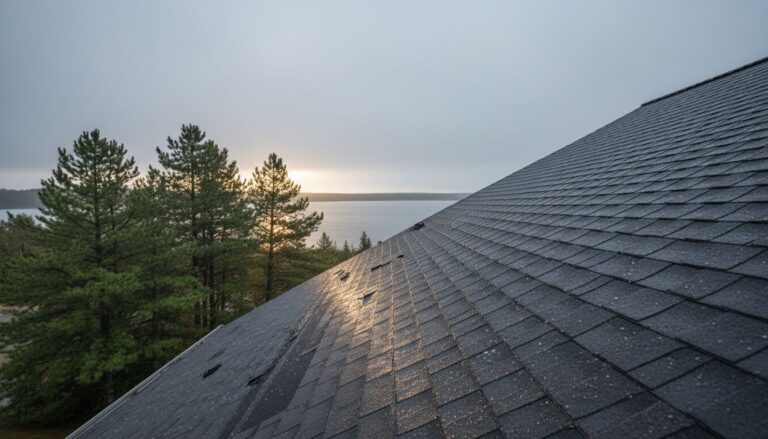
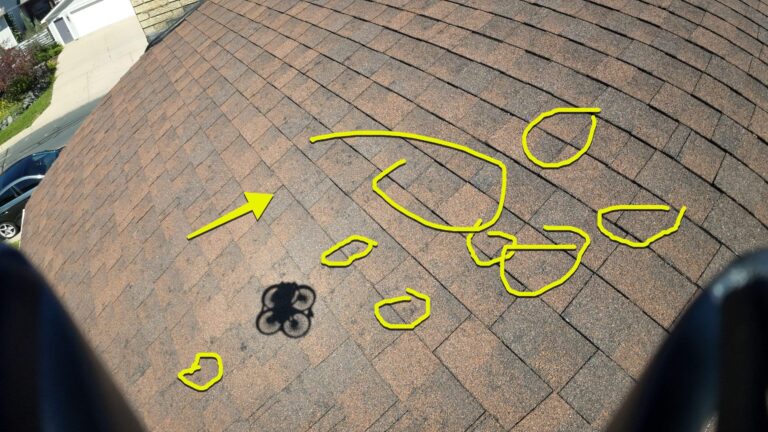
Shingles can hide hail damage better than metal flashing. Granules may still be in place. Tabs may still lay flat. Meanwhile, the flashing can show dents, lifted edges, or a broken seal where water slips in later.
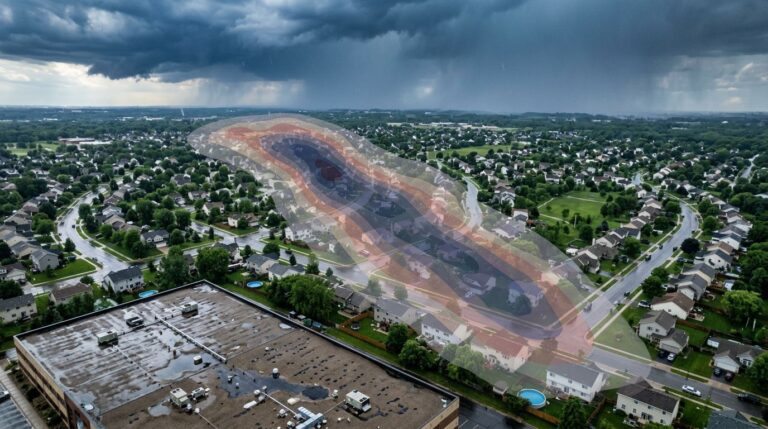
A hail-damage guide from CBC Chandler notes that hail can hit flashing, vents, and gutters even when shingles do not show much from the ground. That is the part many owners miss. The roof can look calm from street level and still have a failed detail near the chimney.
When it is not a flashing-only problem
If hail also bruised the shingles, cracked the membrane, or opened joints in several places, the issue is bigger than one metal repair. Interior stains, wet insulation, and damaged decking also change the scope fast.
The key question is not whether the roof looks damaged. It is whether the roof still sheds water.
When the answer is no, the roof detail has failed, even if the shingles still look decent.
Step-by-Step
1. Inspect the flashing before you judge the shingles
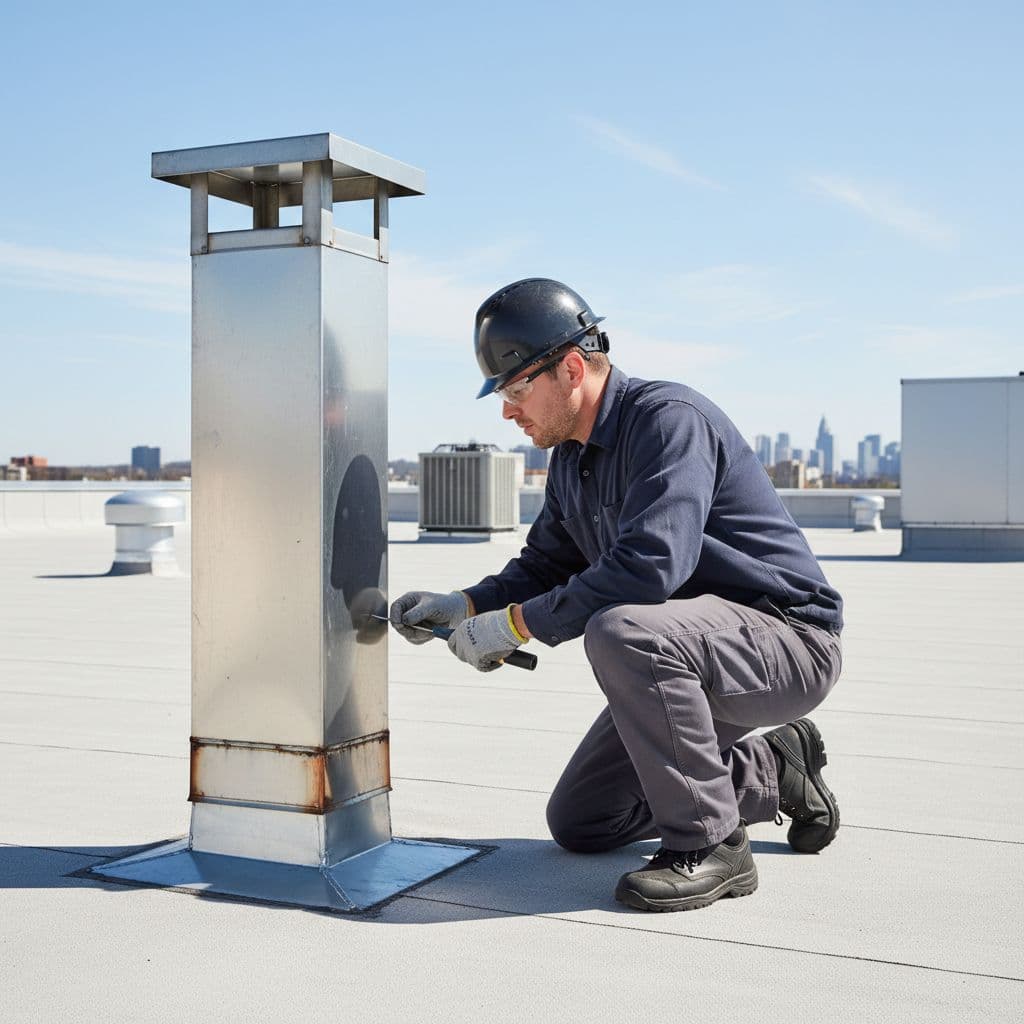
Start at the chimney base and work outward. Look at the flashing edges, counterflashing, sealant, mortar joints, and any visible fasteners. Hail often leaves small dents that are easy to miss unless you are close to the surface.
If the roof is steep, wet, or slick, do not climb it without proper access. Ask for close photos instead. A good inspection should show the chimney from more than one angle, because one side may take the brunt of the storm while another looks clean.
2. Document the damage from the same angle every time
Take date-stamped photos before anything gets patched. Get one wide shot for location, then tight shots for the flashing itself. Include nearby shingles, because context matters. A dent by itself tells less than a dent next to a lifted seam or cracked seal.
Clear images help later if you need to compare storm damage, file a claim, or decide whether a patch is enough. If the same area keeps leaking after rain, those first photos can show that the problem was already there.
3. Follow the leak path, not just the stain
Water rarely enters where the ceiling stain appears. It often travels along decking, framing, or insulation before it shows inside. That is why a chimney leak can look like a shingle issue when the flashing is the real source.
If the stain line does not line up with the chimney, professional commercial roof leak detection can trace the path before permanent repairs start. This matters most on larger buildings, where water can run a long way under the surface before it shows indoors.
4. Match the repair to the damage you found
A small flashing issue may need a localized metal repair, new sealant, or a short section of replacement metal. That fits many cases of commercial flat roof repair, especially when the damage stays around one roof detail and the rest of the assembly is sound.
When the flashing damage connects to wet insulation, loose membrane seams, or failed decking, the scope grows. At that point, a repair-only plan may waste money. A commercial roofing services in St. Paul team can compare a spot repair against a broader fix and explain where the real boundary sits.
5. Get the scope and payment basis in writing
If insurance is involved, ask for the written scope before work starts. Confirm whether the payment is based on replacement cost or actual cash value, because recoverable depreciation may come later. Also verify the deductible, policy limits, and any ordinance or law coverage.
That matters when the adjuster sees only the flashing dent, but the roofer finds more. If the chimney area hides wet materials or code-related work, the first estimate may be too small. A written scope keeps the project grounded in facts instead of guesses.
Conclusion
Hail can damage chimney flashing without leaving obvious shingle damage behind. That happens because flashing is thinner, more exposed, and easier to deform than the roof field.
For a business owner, the real question is simple, does the detail still shed water? If it does not, the roof needs repair, even when the shingles look fine from the curb. The safest next step is a close inspection, clean documentation, and a repair plan tied to the actual leak path.
FAQ
Can hail dent flashing without puncturing it?
Yes. A dent can bend the metal, weaken a seam, or loosen sealant even if it does not make a hole. That still matters if the flashing no longer sits tight against the chimney or roof edge.
How do you know if the flashing leaked after hail?
Look for rust, loose edges, failed sealant, damp sheathing, or stains that show up after rain. If water enters near the chimney but appears far away inside, the leak path may be longer than it looks.
Do small dents matter if the shingles look fine?
Sometimes. Cosmetic dents alone do not always mean replacement, but dents that distort the flashing line or open a joint can let water in. The question is whether the metal still sheds water the way it should.
Should the flashing be replaced by itself?
Yes, if the damage is isolated and the surrounding roof materials are sound. No, if the chimney detail is tied to broader storm damage, old sealant failure, or wet substrate that spreads beyond the flashing itself.
When does flashing damage point to a bigger roof problem?
When several roof details fail at once, or when the chimney area comes with wet insulation, soft decking, or repeated leaks. In that case, a simple patch may not hold, and the scope can shift toward commercial roof replacement.
Need a roof inspection in Saint Paul or the Twin Cities? Call Sellers Roofing Company at +1-651-703-2336 or schedule a free estimate. We are a black-owned, NMSDC-certified MBE roofing contractor with 9+ years experience.