Last updated: 2026-08-01 by Ted Sellers, Owner
A temporary tarp usually helps, not hurts, your insurance claim after a covered roof loss. It shows you took reasonable steps to stop more water damage, which Minnesota insurers often expect. The risk comes when the tarp hides evidence, delays reporting, or turns into a permanent fix before the adjuster sees the roof. For a roof tarp insurance claim, documentation matters as much as the tarp itself.
When This Applies
A tarp usually helps after covered damage
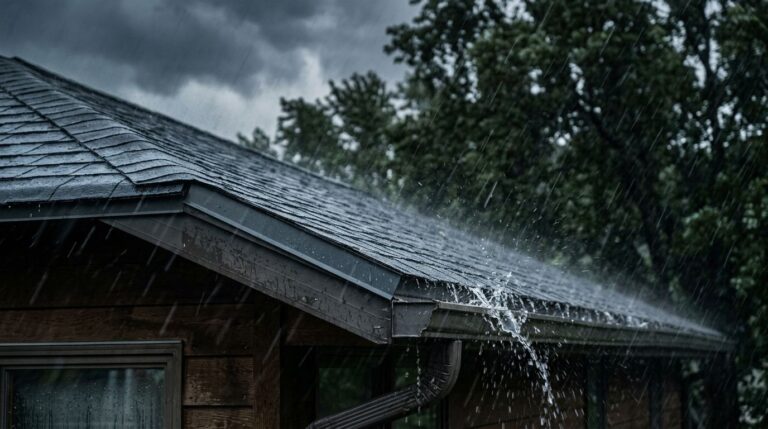
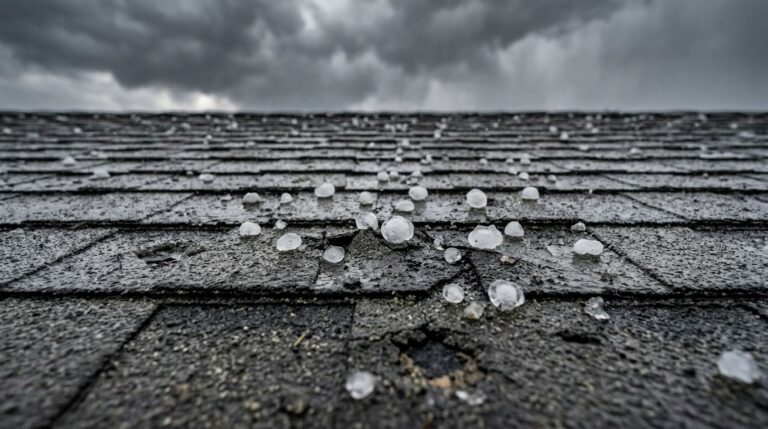
A tarp matters most after hail, wind, falling debris, or a sudden leak. If the building is active and water can reach inventory, wiring, ceiling tile, or tenant space, the carrier usually wants quick mitigation. That is true whether the roof needs a small patch or the commercial roof needs repair across a wider area.
For business owners, the tarp is part of the loss response, not the final repair. Good records make that clear. Keep photos before and after tarping, note the time and weather, and save every receipt. A local commercial roofing contractor in St. Paul can help document the roof before the evidence changes.
For general context, Minnesota roof tarping guidance notes that emergency tarping is usually treated as mitigation, not a permanent repair. That is the key point for insurance, too.
When the tarp can work against you
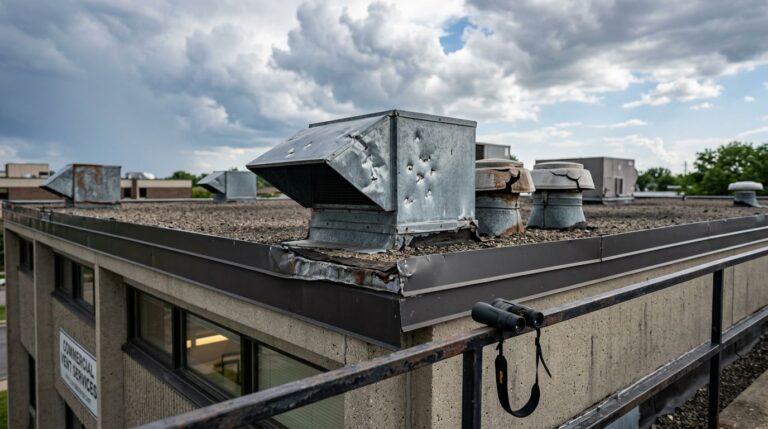
A tarp can create problems if it is used the wrong way. If you start permanent repairs before the adjuster inspects the roof, the carrier may question what was there first. If wet insulation, punctured membrane, or damaged flashing gets removed and thrown out too soon, the file gets harder to prove.
If the issue is old wear
A tarp does not turn age, neglect, or deferred maintenance into covered damage. It also does not override policy exclusions. If the roof already had long-term problems, the insurer may separate those from the new loss.
If only one section is hit
Large commercial roofs often leak far from the actual opening. A ceiling stain may look small while the membrane breach sits elsewhere. In that case, a limited commercial flat roof repair may be enough, but only after the source is documented.
What insurers look at after the tarp goes on
The original damage still has to be documented
The tarp does not replace proof. Adjusters want to see the roof in its damaged state, plus the steps you took to stop more loss. Photos, moisture readings, measurements, and interior damage notes all matter. On low-slope roofs, water often travels before it shows inside, so the stain is not always the entry point.
If the leak path is unclear, commercial roof leak detection in St. Paul can help connect the visible water damage to the actual breach. That can keep a claim from being narrowed too far.
Temporary work vs. permanent repair
A tarp can protect the claim if it preserves the evidence. It can hurt it if it erases the proof.
That is where many claim disputes start. A temporary tarp is reasonable when it stops more water. A full tear-off, a new membrane, or a permanent patch before inspection can make the carrier ask harder questions.
The tarp also does not change your deductible or turn excluded work into covered work. It only supports the claim when the loss itself is covered. If the first estimate misses wet insulation, edge metal, or code-required details tied to the same storm, a supplement can correct the scope. It cannot add unrelated upgrades.
When the claim grows after tear-off
Sometimes a repair claim turns into a replacement question once work starts. That happens when hidden damage is wider than the first inspection showed. Wet insulation, failed seams across the field, crushed flashing, or damaged edge metal can push the file toward a larger scope.
That is why the distinction between commercial flat roof repair and commercial roof replacement matters. The tarp does not decide that outcome. The condition of the roof does.
Insurance fights over tarps often come down to whether the work was reasonable mitigation or an unapproved repair. Coverage guidance on roof tarps explains that line well. For owners, the safe path is simple, document first, tarp second, and repair only after the scope is clear.
Step-by-Step
1. Photograph the roof before anyone touches it
Take wide photos first, then close-ups of tears, lifted seams, punctures, and damaged flashing. Capture the interior stain, standing water, and any affected equipment or stock. Date-stamped photos help, but even a phone gallery with clear time records is useful.
If the roof is slick or unsafe, stay on the ground and photograph what you can safely reach. The goal is to preserve the original condition, not to get a dramatic shot.
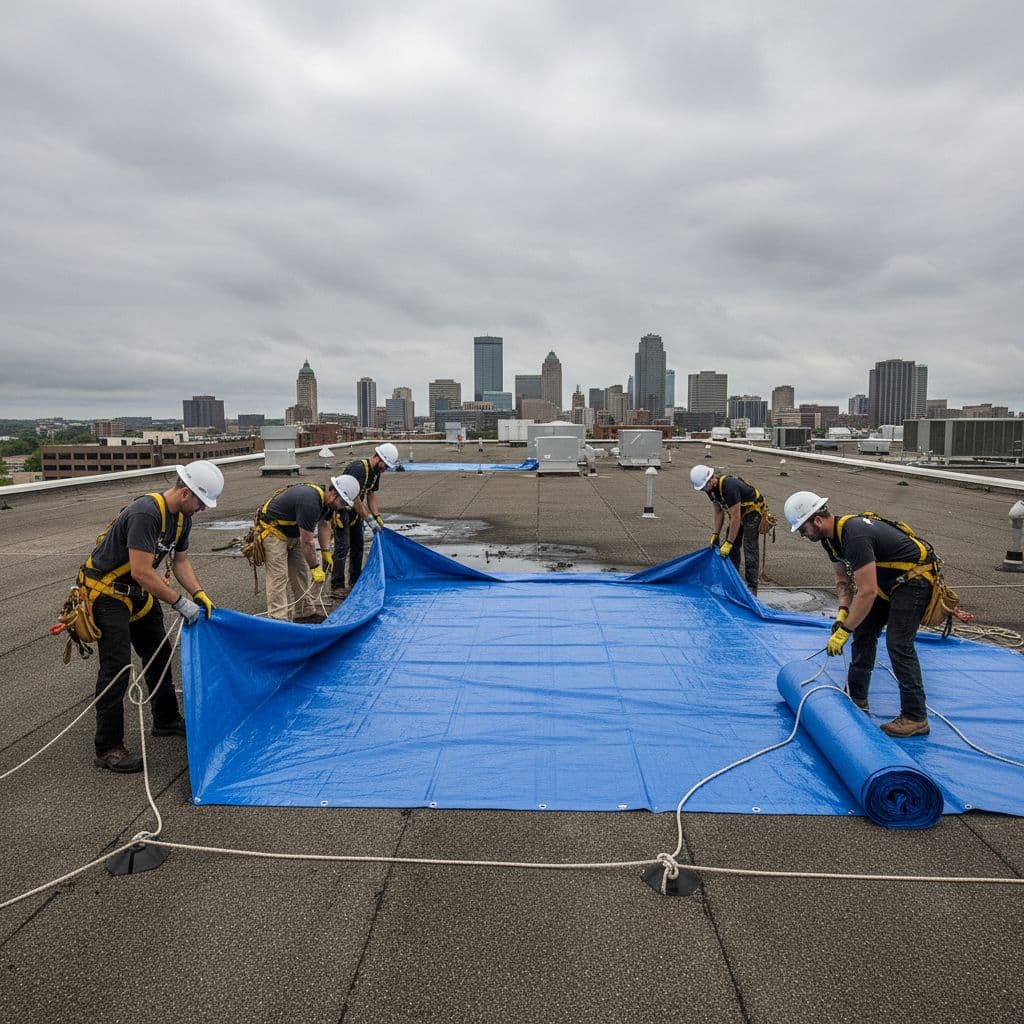
2. Install the tarp as mitigation, not as a fix
A tarp should stop more water, nothing more. Use it to protect the building, then leave the rest of the evidence in place. If the roof is open, a professional crew should secure it quickly and keep the work temporary.
If the roof is unsafe to walk
Do not send staff onto a wet membrane, a storm-damaged deck, or a roof near electrical gear. Call a qualified roofer or emergency crew instead. One fall can cost far more than the roof damage.
3. Tell the carrier and save every receipt
Open the claim right away and say the building needs emergency protection. Ask whether mitigation is allowed while the inspection is pending. That keeps the record clean if someone later questions the tarp.
Save receipts for tarp material, labor, temporary sealant, interior dry-out, and any safety steps. The insurer may reimburse some emergency costs if the loss is covered, but the deductible still applies.
4. Compare the insurer’s scope with the roofer’s scope
Don’t compare only the final dollar amount. Compare line items. Look at membrane squares, insulation thickness, tear-off, edge metal, flashings, drains, fasteners, disposal, permits, and crane time if needed. Small omissions often explain a short payment.
If the first scope says a patch is enough, but the roofer finds saturated insulation or broader membrane failure, the scope needs to change. That is especially common when a commercial roof needs repair after hidden water spread farther than expected.
5. Submit a supplement only for covered work
A supplement should match the damaged work, not personal preference. If tear-off reveals more covered damage, your roofer can support the added scope with photos, quantities, and notes. If the carrier misses something, ask for a reinspection and keep the request focused.
If the disagreement is really about price or quantity, not coverage, appraisal may be the next step. Either way, the tarp should stay in the story as mitigation, not as proof of permanent repair.
FAQ
Does a tarp make the insurer think I admitted fault?
No. A tarp usually shows you acted reasonably after a loss. The problem comes when you treat the tarp like a full repair or change the roof before anyone documents it.
Will insurance pay for the tarp itself?
Often, yes, if the damage is covered and the cost is reasonable. Keep the invoice, photos, and the date you installed it. If the carrier questions the cost, ask for the reason in writing.
Can I remove wet insulation before the adjuster arrives?
Usually wait. Wet material is evidence. If it creates a safety problem or keeps leaking, photograph it first, save a sample if you can, and tell the carrier before you remove it.
What if the tarp hides the original damage?
That is why the first photos matter. Take wide and close shots before the tarp goes on. A roofer can also mark the damaged area on a roof plan so the claim file still shows where the opening was.
Can a tarp turn a repair claim into a replacement claim?
No, the tarp does not decide that. Tear-off findings do. If the crew finds wet insulation, broad seam failure, or damage across multiple sections, the claim may support commercial roof replacement instead of a small repair.
Conclusion
A temporary tarp usually helps a Minnesota roof claim when it is used the right way. It protects the building, shows reasonable mitigation, and buys time for a clean inspection. The tarp only becomes a problem when it hides evidence, delays reporting, or gets treated like a permanent fix.
For business owners, the strongest file is simple: clear photos, fast notice, temporary protection, and a scope that matches the real damage. When those pieces line up, the claim has a much better chance of paying for the right repair the first time.
Need a roof inspection in Saint Paul or the Twin Cities? Call Sellers Roofing Company at +1-651-703-2336 or schedule a free estimate. We are a black-owned, NMSDC-certified MBE roofing contractor with 9+ years experience.