Last updated: 2026-09-28 by Ted Sellers, Owner
Expansion joints take movement, weather, and drainage stress every day; snow and ice can make a hidden weakness more apparent. This guide helps commercial owners understand the signs that call for a closer roof inspection.
Can Snow and Ice Damage Commercial Roof Expansion Joints?
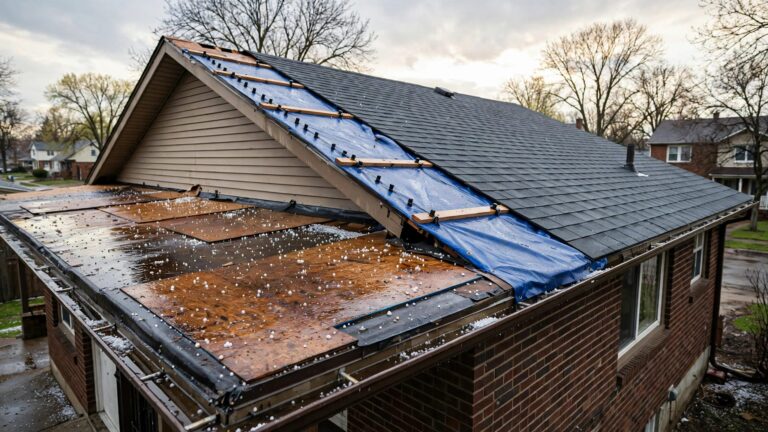
Snow and ice can damage commercial roof expansion joints when freeze-thaw movement, trapped water, or stressed membrane details create openings. Document the condition, control active water safely, and have the joint and surrounding roof assembly inspected before using a permanent patch.
Yes. Snow and ice can damage commercial roof expansion joints by restricting movement, pulling on membrane tie-ins, trapping meltwater, and putting repeated freeze-thaw stress on seals and flashing. The risk rises on a commercial flat roof where snow blocks drainage or meltwater refreezes at a structural joint.
Prompt action matters because water can travel far from a failed joint before it shows up inside.
When This Applies
Low-slope buildings facing freeze-thaw cycles
This applies to warehouses, retail centers, offices, multifamily buildings, schools, and churches with exposed roof expansion joints. It is common on TPO roofing, EPDM, modified bitumen, and BUR assemblies where the roof spans structural sections that move at different rates.
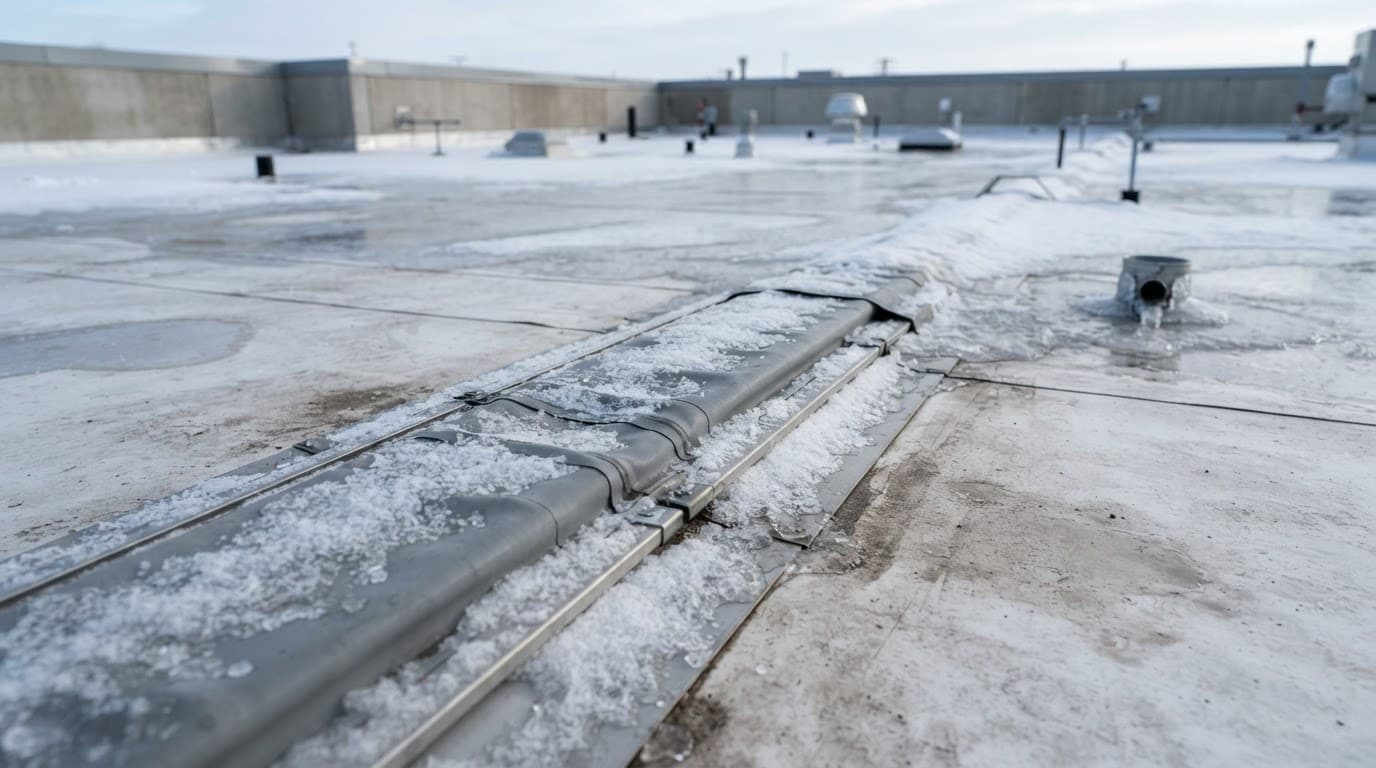
Snow alone does not automatically break a joint. Problems start when meltwater reaches the joint, freezes, expands, and restricts the cover’s movement. Ice can split sealant, lift membrane flashing, crack a joint cover, or force water beneath the roofing system.
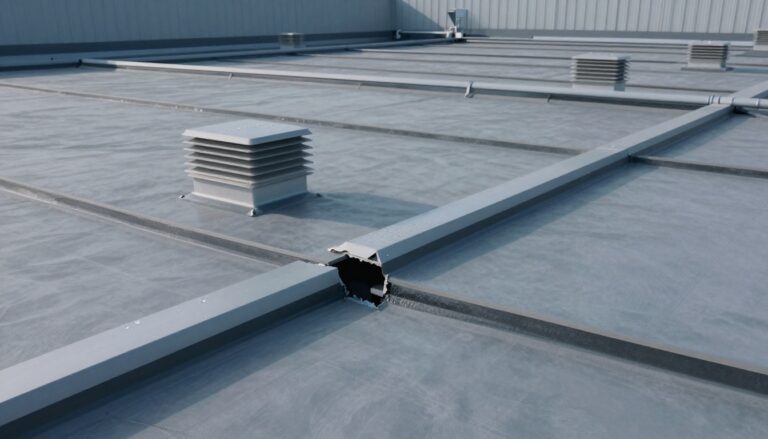
A properly designed roof expansion joint assembly must handle movement while keeping the roof watertight. It is not the same thing as a standard membrane seam.
When the joint may not be the real problem
A snow-related leak does not always mean the expansion joint failed. Clogged drains, deteriorated parapet flashing, a rooftop-unit curb, an open field seam, or damaged edge metal can send water toward the same area.
The exception is a protected or interior joint with no weather-exposed roof cover. In that case, the roof issue may sit above the joint rather than inside it. Visible deck movement, sagging, or separated masonry needs review by a qualified structural professional.
A ceiling stain is often where water exits, not where it entered the roof.
Step-by-Step
1. Keep people off the roof and control active water
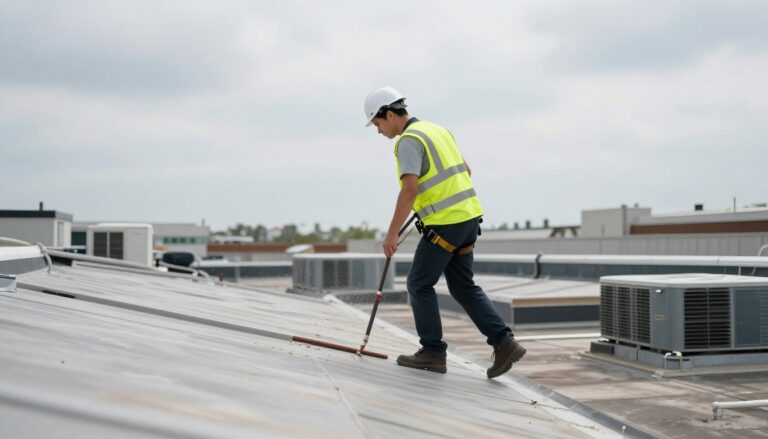
Do not send maintenance staff onto an icy membrane or snow-loaded roof. A slip, damaged membrane, or overloaded area can turn a roof issue into an injury claim.
Move inventory, protect electrical equipment, and contain water inside. If water is entering the building, Call 651-703-2336 for 24/7 Emergency Roofing for temporary dry-in work.
2. Document the conditions before permanent repairs
Photograph the joint cover, ice buildup, drains, flashing, interior stains, and any ceiling damage. Record the date, weather conditions, and when occupants first noticed water.
Do not chip ice directly off the joint or spread roof cement across the assembly. A quick permanent patch can hide separated materials, trapped moisture, or a fresh storm opening.
3. Remove snow and ice without damaging the assembly
Ice dam removal may be needed where meltwater is backing up against walls, curbs, or roof transitions. The crew must clear snow in a controlled pattern and keep metal shovels away from membranes, flashings, and joint covers.
Drainage matters as much as snow depth. A blocked drain turns melting snow into standing water, which can work into an already stressed joint during the next freeze.
4. Schedule system-specific leak tracing
A commercial roof inspection should check the joint cover, membrane tie-in, flashing, adjacent seams, insulation, drains, and roof deck conditions. Infrared scans, moisture mapping, electronic leak testing, and limited test cuts can show how far water traveled.
Use commercial roof leak detection in Saint Paul when the interior drip does not line up with the apparent roof opening.
Match the Repair to the Roof System
Check the materials around the joint
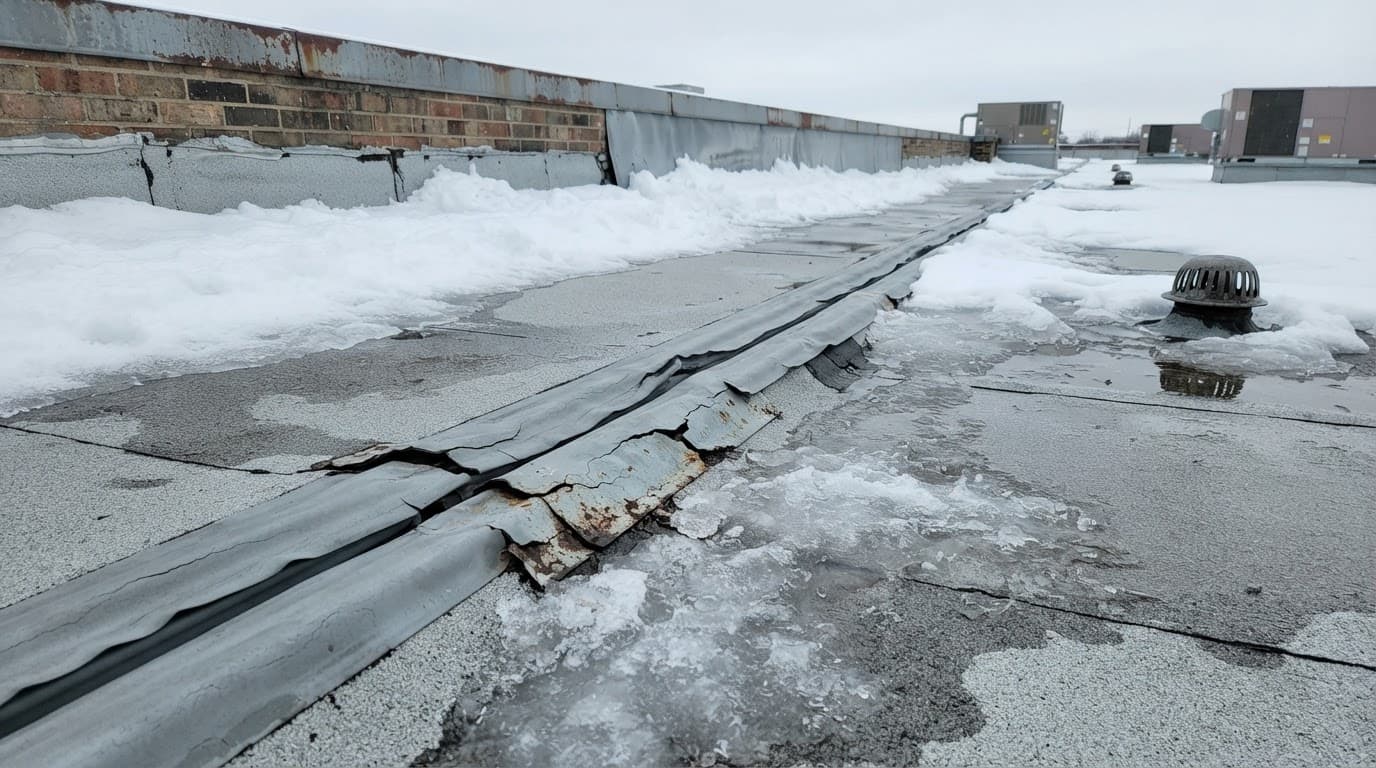
TPO roofing can fail where welded flashing pulls away from the joint transition. EPDM often needs close inspection of taped seams, primer adhesion, and termination details. Modified bitumen and BUR systems may show torn plies, failed laps, cracked surfacing, or wet insulation below the cap sheet.
The repair materials must work with the existing roof. Commercial expansion-joint and tie-in components are designed for roof movement, drainage details, and membrane transitions. A generic sealant bead is rarely a long-term answer for a moving structural joint.
Decide between repair, restoration, or replacement
Localized damage with dry insulation may support commercial roof repair. The contractor may replace damaged flashing, repair the membrane tie-in, and restore the joint cover without disturbing the full roof.
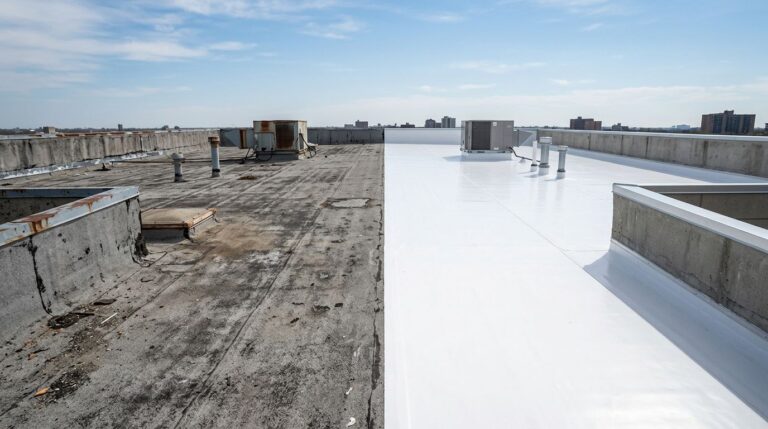
Commercial roof restoration and commercial roof coatings can extend the service life of a dry, stable system. They do not correct saturated insulation, failed joint covers, active seam separation, or deck damage. Those conditions may point to commercial roof replacement instead.
Document Cause Before Approving Permanent Work
Keep a factual file for the insurer
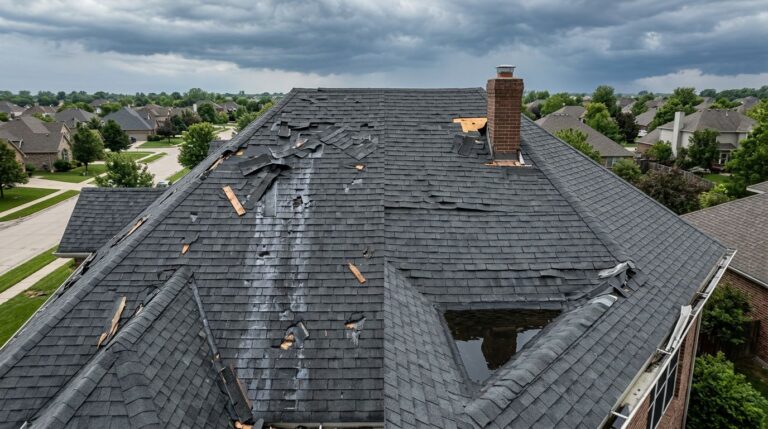
A roof insurance claim depends on the policy language and the cause of loss. Document whether the water followed a snow event, wind event, ice buildup, or a roof with hail damage. Separate fresh storm-related damage from old sealant failure, chronic ponding, and past repairs.
Save dated photos, emergency invoices, moisture reports, weather records, and removed materials when practical. Temporary protection is reasonable when water is entering. Broad permanent work should wait until the cause and scope are documented.
A storm-damaged roof can have both covered and non-covered conditions. An older weak seam does not erase a new puncture, split flashing, or ice-related opening elsewhere on the roof.
Choose a contractor who can write a usable scope
Saint Paul roofing and Minneapolis roofing projects face the same hard winter cycle: snow buildup, melting, refreezing, and water moving under low-slope membranes. Twin Cities roofing work needs clear documentation of roof drains, moisture spread, and the source of entry.
Sellers Roofing Company has completed more than 1,100 roofs since 2017, including 300 commercial projects. Property owners can ask about union-built roofing, GAF certified credentials, IUPAT Local 96 crews, and MN License 803862 before approving work.
Get a Free Commercial Roof Inspection before deciding whether the joint needs targeted repair or a larger roof scope.
The Practical Answer
Treat ice at the joint as a warning sign
Snow and ice can damage commercial roof expansion joints, but the real failure usually involves movement, drainage, membrane attachment, or aging materials. A correct inspection traces the water path and checks for hidden moisture before anyone commits to a repair.
Protect the building first, preserve the evidence, and repair the entire failed assembly rather than the nearest visible symptom.
FAQs
Can a commercial roof expansion joint be repaired during winter?
Yes, if the roof can be accessed safely and the materials can be installed within manufacturer temperature limits. Emergency dry-in and temporary repairs may happen first, with permanent joint work scheduled when conditions allow.
Will insurance pay for ice damage at a roof joint?
Sometimes. Coverage often depends on whether a sudden covered event created an opening. An insurer may deny damage tied to old wear, poor drainage, skipped maintenance, or long-term leakage.
Should maintenance staff apply roof cement to a split joint?
No. Roof cement can restrict the joint’s movement and may not bond correctly to TPO or EPDM. It can also obscure the damage needed to determine the correct repair scope.
Do the same issues happen on homes?
They can, although asphalt shingles and metal roofing use different expansion details than low-slope systems. A residential roof repair may address localized flashing damage, while residential roof replacement may be needed if the roof system has widespread failure. Get a Free Residential Roof Estimate for a steep-slope assessment.
Does ice dam prevention matter on sloped commercial roof sections?
Yes. Sloped roof sections above offices, entrances, or attached residential areas can develop ice dams when heat melts snow and the water refreezes at colder edges. Cold-climate roof design guidance explains why roof temperature and drainage affect ice formation.
For the larger documentation and claim process, read our Minnesota roof storm damage and insurance claims guide.
Need a roof inspection in Saint Paul or the Twin Cities? Call Sellers Roofing Company at +1-651-703-2336 or schedule a free estimate. We are a black-owned, NMSDC-certified MBE roofing contractor with 9+ years experience.