Last updated: 2026-08-01 by Ted Sellers, Owner
A commercial roof maintenance plan template is a core part of preventative maintenance for property managers. It is a written, repeatable schedule that tells your team what to inspect, when to inspect it, how to document findings, and when to call a roofer.
For most properties, it includes spring and fall inspections, post-storm checks, drain and flashing maintenance, and clear decision rules for repairs vs replacement, so small problems don’t turn into tenant complaints and emergency closures.
When This Applies
Who should use this template (and why it works)
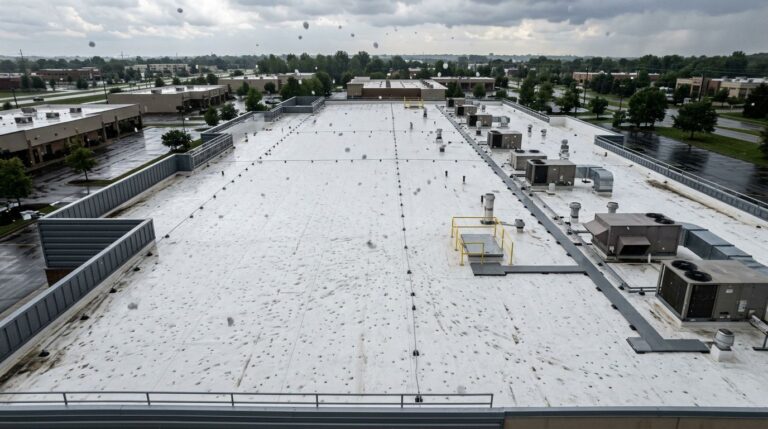
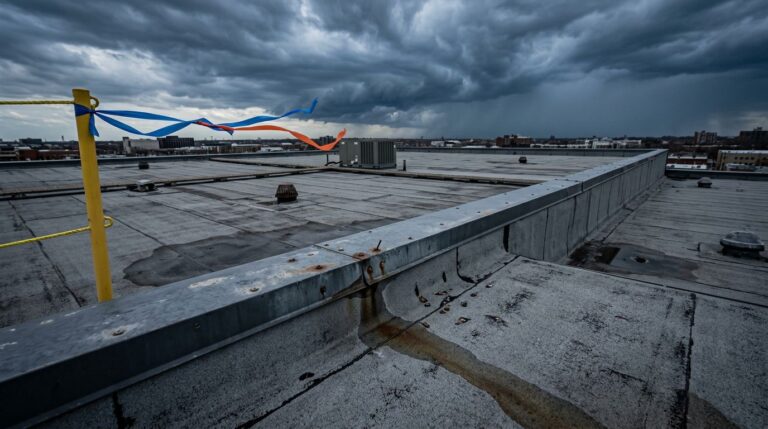
This template fits property managers and owners responsible for low-slope and flat commercial roofs, a critical piece of building infrastructure including retail, light industrial, medical office, and multi-tenant buildings. Property managers will find it especially useful for flat roof maintenance when you have rooftop equipment, frequent foot traffic, interior leak sensitivity (inventory, servers, finished ceilings), or a history of ponding water.
A roof is a lot like a parking lot. If you only pay attention when it fails, it leads to costly repairs that are always bigger, louder, and more expensive. A plan creates repeatability, which is what reduces surprises.
If you want a second opinion on what a maintenance checklist should cover, compare your in-house list to an established roof maintenance checklist for facility managers and tighten any gaps you notice.
Best-fit roof types
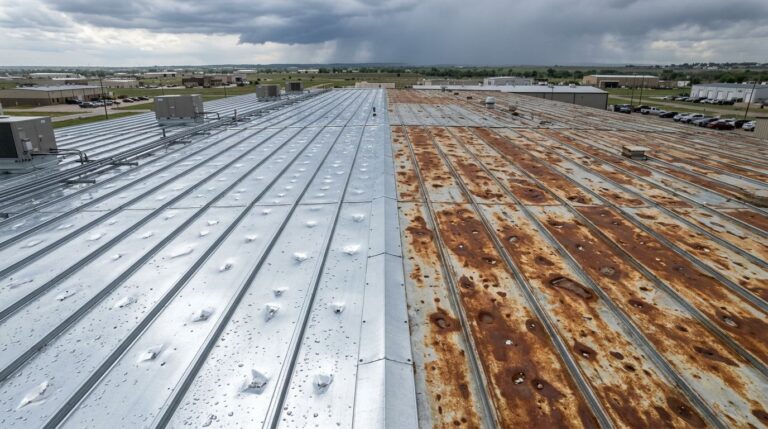
Single-ply roof membranes (TPO, EPDM, PVC), modified bitumen, built-up roofing, coated systems, and many metal commercial details benefit from the same inspection rhythm, with different “watch items” around seams, fasteners, and penetrations.
When this does not apply (key exceptions)
This template isn’t enough by itself if your roof is under active construction, has known structural issues, or is already failing across large areas. In those cases, treat maintenance as temporary risk control while you scope commercial roof replacement or major restoration.
Edge cases that change the plan
Some situations require more frequent checks and tighter documentation.
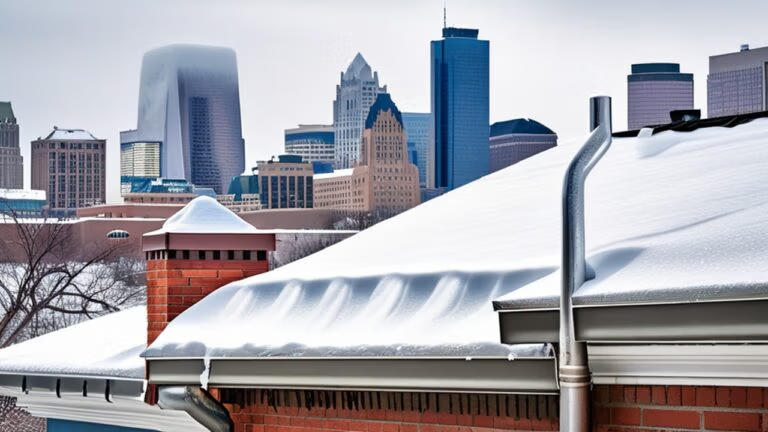
Heavy snow and freeze-thaw cycles
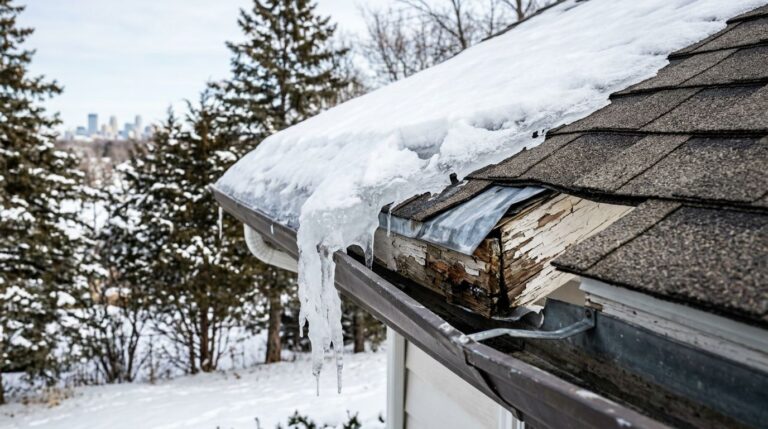
If you manage buildings in cold climates, add mid-winter drain and edge checks. Ice can hide blocked drainage and ponding water until water backs up into seams and curbs.
High-risk interiors
If a leak would shut down operations, add quarterly interior ceiling walks under known weak zones (around units, skylights, expansion joints, and areas prone to standing water), even if the roof surface looks fine.
Step-by-Step
Build your commercial roof maintenance plan template (copy, then tailor)
- Define roof zones and access rules. Split the roof into simple zones (A, B, C) based on footprints or tenant areas. List how staff access the roof, who has keys, and where walk pads are required. This one step cuts damage from quick trips that grind grit into membranes.
- Set your roof inspection schedule and maintenance calendar. Use two scheduled spring and fall inspections per year, plus event-based inspections after hail, high winds, heavy rain, or major HVAC work. Event checks matter because many leaks start at disturbed flashings, not in the open field.
- Standardize what “good” and “bad” look like. Write pass/fail notes your team can follow:
- “Seams: closed, no fishmouths, no lifting edges.”
- “Flashings and penetrations: tight, no gaps, no exposed fasteners.”
- “Drains: clear, strainers present, water flows.”
- Create a photo and documentation routine. Require wide shots and close-ups with a label that includes zone, date, and a brief note. Keep records in one folder (cloud or CMMS). Good documentation supports warranty claims, speeds up contractor diagnosis when a commercial roof needs repair, and helps identify when emergency repairs are needed.
Minimum documentation to store (so problems don’t repeat)
Save the roof plan, warranty, install details (system type, thickness, manufacturer), prior repair invoices, and a running “issue log” with dates and outcomes. 5. Add a seasonal roof maintenance checklist your team can execute. Keep it short enough that it actually gets used, but specific enough to catch the usual failure points.
| Season | What to check | What to do if you find an issue |
|---|---|---|
| Spring | Winter damage at edges, splits at seams, loose metal coping, clogged drains | Perform debris removal, clear debris, photograph defects, schedule repairs within 7 to 14 days |
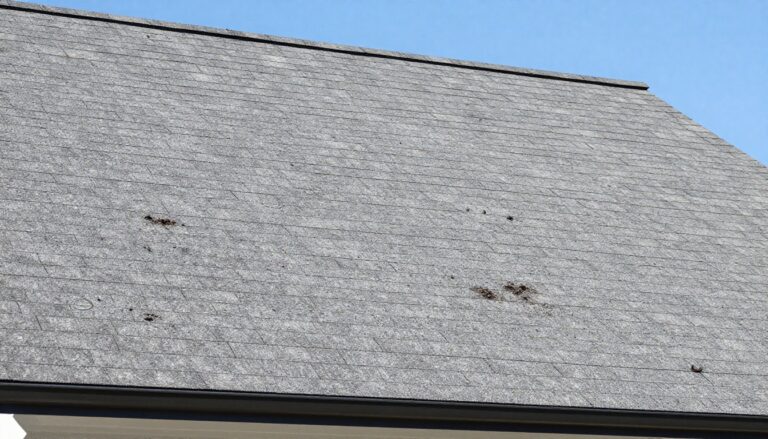
| Summer | UV cracking on coatings, punctures from foot traffic, hvac units condensation lines, pitch pans | Patch punctures quickly, correct condensation discharge from hvac units, re-seal deteriorated details |
| Fall | Leaves in drains and scuppers, failing sealants, open joints at curbs, ponding spots | Clean drains weekly during leaf drop, clean gutters and downspouts, flag ponding areas for slope or drain fixes |
| Winter | Ice buildup at drains, drifting near parapets, interior ceiling stains after thaws | Remove snow safely as needed, document active leaks, request emergency service if water enters |
If you need a format your maintenance team can compare against, SFS shares a practical commercial roof maintenance plan checklist that can help you sanity-check your inspection items. 6. Write repair decision rules (so you don’t wait too long). Your plan should say what happens when:
- A defect is cosmetic (monitor and re-check next cycle).
- A defect is active (repair within a defined window).
- A defect is systemic (budget and scope restoration or replacement).
This structured approach helps extend roof life and can even improve energy efficiency through better insulation protection.
Simple thresholds that justify calling a roofer now
Call a qualified roofing contractor for a professional evaluation when you see recurring leaks, widespread seam issues, soft spots, saturated insulation signs, or repeated ponding that doesn’t drain in 48 hours. If you suspect hidden moisture, consider an infrared moisture survey overview infrared roof moisture survey overview to understand how moisture mapping can guide targeted repairs instead of guesswork. 7. Plan for flat-roof specifics (where most surprises live). Flat and low-slope systems fail at flashings and penetrations: drains, penetrations, terminations, and seams. Put these details in bold on your inspection form, and pre-approve a small annual allowance for commercial flat roof repair so minor issues don’t sit in an inbox. 8. Decide when maintenance stops making sense. A good plan includes an exit ramp. Regular checks help avoid costly repairs; if you’re stacking repairs every season, or the roof is near the end of its service life, start budgeting and scoping commercial roof replacement before an emergency forces a rushed decision. If you want local help building that long-range path, start with a contractor who offers ongoing programs and clear documentation, such as the Saint Paul team behind these commercial roofing services in Saint Paul.
FAQ
How do I know if ponding water is a real problem or just normal?
A practical rule you can enforce
Water that remains more than 48 hours after rainfall is a concern on many low-slope systems. Even if the membrane is intact today, ponding speeds up wear, stresses seams, finds tiny gaps, and shortens the roof lifespan. Document the depth and location, then ask for a drainage or slope solution.
What should I do the first time a tenant reports an interior water stain?
Treat it like a time-stamped investigation. Photograph the interior water stain, note recent weather, and check above that area on the roof plan (units, drains, penetrations). If the source isn’t obvious, don’t let multiple storms pass before action. Early intervention prevents extensive water damage, as small entry points can soak insulation fast.
Can my maintenance staff patch a roof, or should we always call a roofer?
Where DIY ends
Staff can handle routine tasks like debris removal and drain clearing. Patching membranes, sealing flashings, working near edges, or leak detection is different because the wrong material or method can void warranties. Use your plan to define “observe and document” vs “repair by licensed roofer.”
What if the roof is under warranty, does maintenance still matter?
Yes. Many warranties require documented inspections and approved repairs for warranty compliance. Skipping maintenance can give the manufacturer an easy reason to deny coverage. Store your inspection photos, invoices, and repair notes in one place, and keep a simple log of dates and findings.
How do I budget for roof maintenance without overpaying?
Start with a small annual maintenance line item, then track actual spend against what you found during inspections. If costs climb each year, that’s data, not bad luck. It usually signals moisture, aging seams, or repeated detail failures, which is when you should price restoration options or replacement planning.
A commercial roof maintenance plan template shouldn’t live in a drawer, nor should your roof maintenance checklist. Property managers in commercial property management can build the template once, run it on schedule, and keep clean records. That’s how routine checks turn into fewer emergencies, fewer complaints, and a longer-lasting commercial roof maintenance plan that you can defend in next year’s budget meeting.
Need a roof inspection in Saint Paul or the Twin Cities? Call Sellers Roofing Company at +1-651-703-2336 or schedule a free estimate. We are a black-owned, NMSDC-certified MBE roofing contractor with 9+ years experience.