Last updated: 2026-08-01 by Ted Sellers, Owner
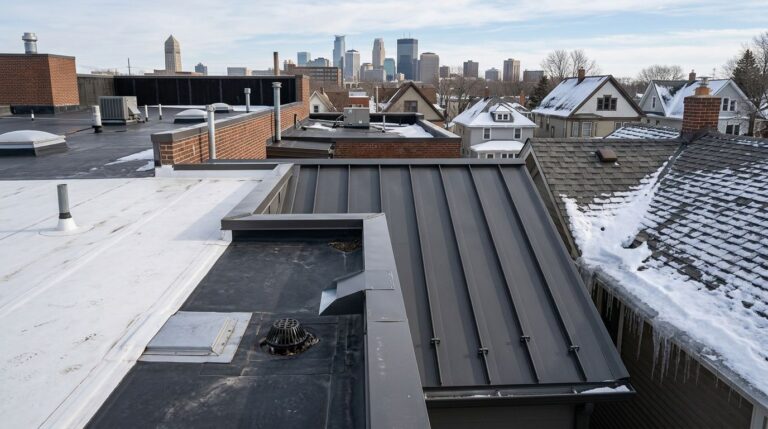
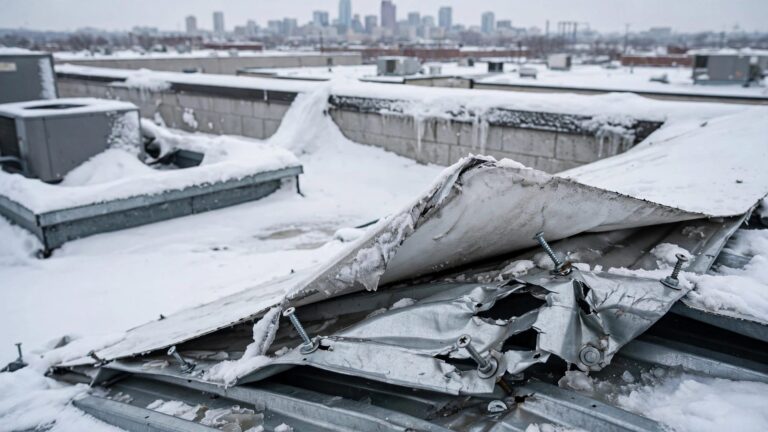
After harsh Minnesota winters that batter roofing materials with heavy snow and ice, focus your spring roof inspection on vulnerable spots like drains and scuppers, seams and flashing, roof edges, and rooftop penetrations (HVAC curbs, vents, skylights).
Once the snow melts, check for ponding water, split sealant, loose coping, punctures from snow removal, and new interior stains. Document everything, then schedule repairs before spring rain turns small openings into big leaks.
When This Applies
Who a spring roof inspection is for (and why it matters)
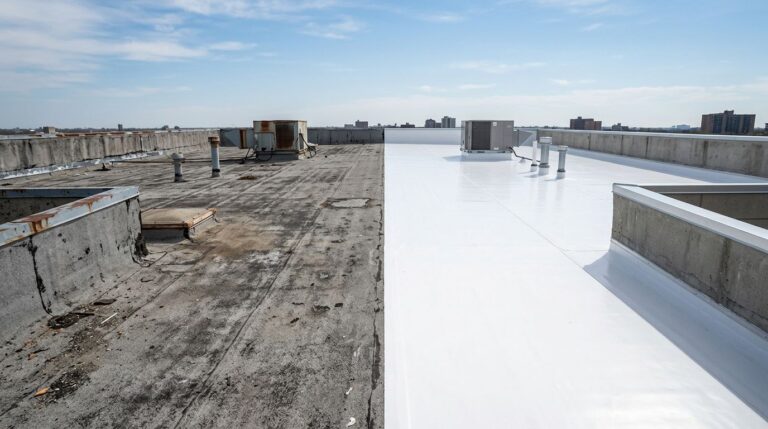
This applies to commercial business owners and property managers across Minnesota, especially if your building has a low-slope system like TPO, EPDM, PVC, modified bitumen, or a coated roof. The spring thaw is when hidden winter issues start showing themselves. Heavy snow load stresses the deck, ice grinds at edges, and freeze-thaw cycles work like a wedge that slowly pries open seams and cracked sealant.
Timing matters. Plan your inspection when the roof surface is mostly dry and daytime temps stay above freezing long enough to melt leftover ice. If you wait until the first heavy spring rain, you might only notice the problem after ceiling tiles sag or inventory gets hit.
If you want a second viewpoint on what pros document during inspections, this commercial roof inspection checklist is a useful reference for the types of defects that tend to get photographed and tracked.
When it doesn’t apply (or needs a different approach)
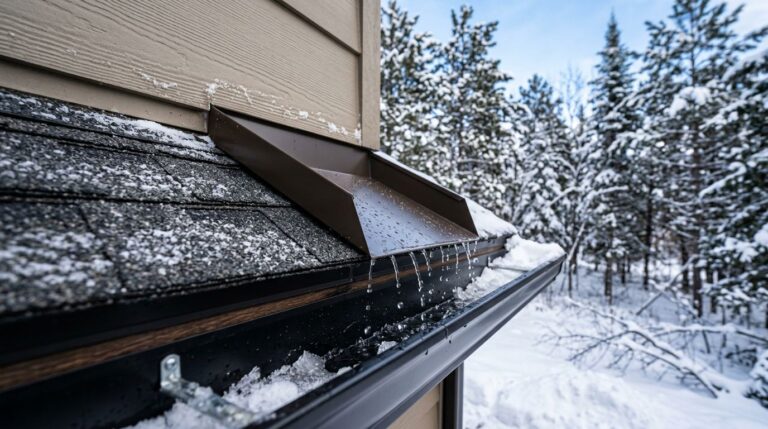
If your roof is steep-slope (some churches, older commercial buildings, mixed-use properties), many thaw problems show up differently, think damaged shingles, missing shingles, loose shingles, exposed fasteners, and ice dams near eaves, gutters and downspouts. You can still use the interior checks and documentation steps below, but surface walking and membrane checks won’t match your system.
If the roof is still icy, soft, or unsafe
Don’t send anyone up if there’s lingering ice, high wind, or spongy decking. A spring inspection isn’t worth a fall risk, or a boot print that turns into a puncture. In those cases, limit the first pass to interior signs and exterior inspection from the ground, then bring in a qualified crew when conditions improve.
Step-by-Step
Prep the site and set the rules
- Pick the right day and limit access. Choose a dry day, with calm wind and stable temps above freezing. Keep non-essential foot traffic off the roof to avoid accidental punctures on softened areas.
- Gather what you’ll need before you climb. Bring photos from your last inspection, a phone camera, chalk or painter’s tape for marking spots, and a simple roof map. Consistent notes help you prove when damage appeared.
- Start with a ground scan first. Walk the perimeter and look up at edges and walls. Check for fallen tree branches, inspect gutters and downspouts for debris, and watch for bent metal, loose coping, sagging gutters, or ice-dam staining on exterior walls.
- Set a “stop work” threshold. If you see active electrical hazards near rooftop units, unstable ladders, or any sign of compromised structural integrity of the deck, stop. Call a commercial crew that works on these systems every day.
Check the roof surface and drainage where thaw damage shows up first
- Follow the water path, not the leak stain. On low-slope roofs, water travels. Walk from high points down to drains, scuppers, and low areas, and inspect what water touches along the way.
- Inspect membranes for punctures, splits, and open seams. Look close at seam lines and field seams on TPO and PVC, and lap seams on modified bitumen. Freeze-thaw stress often shows up as slight seam gaps, lifting edges, or brittle sealant that flakes when touched.
- Look for snow removal and foot traffic damage. Shovel blades, plow edges, and dropped tools can leave small cuts that don’t look serious, until rain finds them. Pay extra attention near access points and service walk paths.
- Check for blisters, wrinkles, and “bubbles.” These can signal trapped moisture or poor adhesion. One blister isn’t always an emergency, but clusters near seams or drains can mean water is already in the assembly.
- Clear and test drains and scuppers. Remove debris from clogged gutters, then verify water flows freely. If drain bowls are cracked, strainers missing, or seals failing, you’re one heavy rain away from a pond.
How long is ponding water acceptable?
- Mark ponding areas and re-check after 48 hours. Many pros use the 48-hour rule of thumb. If water remains well after rain or thaw runoff, document it and plan a drainage correction, since chronic ponding shortens membrane life and stresses seams.
- Inspect roof edges and terminations. Edges take a beating from ice and wind. Look for loose termination bars, missing fasteners, and separated flashing. If edge metal is pulled back, wind-driven rain can get behind the system.
Inspect penetrations and then verify from inside
- Circle every penetration and inspect the details. Rooftop HVAC curbs, skylights and vents, conduit, and pipe boots are frequent leak sources. Look for split sealant, cracked pitch pans, and gaps where metal meets membrane.
HVAC curbs and service areas need extra scrutiny
- Check the “service zone” around units. Technicians tend to step, drag, and set tools here. If you see scuffs, punctures, or seam stress, plan roof repair and commercial flat roof repair before the next round of rooftop maintenance.
- Inspect flashing at walls and parapets. Look for open counterflashing joints, failed Reglet sealant, and cracks at corners. Corners move more with thermal cycling, so they fail first.
- Go inside and follow the clues. Check top-floor ceiling tiles, wall lines near parapets, mechanical rooms, and around roof drains. New stains, musty odor, or bubbling paint often show up before a drip does.
- If symptoms don’t match what you see, escalate to a professional roof inspection. When the interior shows moisture but the surface looks fine, the source might be distant. Schedule commercial roof leak detection Saint Paul to avoid paying to repair the wrong area.
Decide what happens next, monitor, repair, or replace
- Sort findings into three buckets: watch, repair, or urgent. A small scuff you can monitor is different from an open seam at a drain. Priority goes to anything that channels water into the assembly.
Signs your commercial roof needs repair right now
- Treat these as “commercial roof needs repair” signals, especially after storm damage. Active leaks causing water damage, open seams, repeated ponding, loose edge metal, saturated insulation signs, or soft decking. Reference your roof maintenance checklist for guidance. If issues are widespread, hire a qualified roofing contractor for a plan that compares targeted repairs versus commercial roof replacement, and consider a service partner like Saint Paul commercial roofing experts to scope options and timelines.
FAQ
What if we can’t access the roof yet because of ice or soft spots?
A safer stopgap
Do an interior inspection, document stains and humidity issues, and watch drains during melt. Limit access until the surface is dry and stable, then schedule a professional inspection.
How do we know if a spring leak is from the roof or from condensation?
Condensation from poor attic ventilation or inadequate attic insulation often shows up as widespread moisture buildup, dampness, fogged windows, and moisture around vents. Roof leaks tend to create localized stains that worsen after rain or melt. If you’re unsure, moisture mapping and leak detection can separate the two fast.
What if we see ponding water but no leaks inside?
Ponding is still a problem because it accelerates seam wear and can hide small punctures. Document the area, measure how long it lasts, and address drainage with gutters and downspouts before it becomes a recurring repair cycle.
Can our maintenance staff handle this, or do we need a roofer?
Your team can document conditions and clear debris if it’s safe. Bring in a roofing contractor for membrane repairs, flashing work, and any area where a mistake could void warranties or create a bigger opening.
How should we document spring thaw damage for budgeting or insurance?
Take wide shots for location, then close-ups of granule loss, soffits and fascia, mold and mildew, and water damage with a reference point (coin, tape measure). Note date, weather, and exact roof area. For a practical take on common post-winter repair items, this post-winter roof maintenance checklist shows the kinds of issues that are easiest to miss until spring storms arrive.
A spring thaw can make a roof act like a sponge, soaking up water where it shouldn’t. A focused spring roof inspection helps you catch the small failures first, the loose seam, the clogged drain, the cracked sealant.
If your notes point to recurring leaks or widespread wear, don’t wait for the next downpour to confirm it. Get a clear scope, then choose repair or replacement with your operations and budget in mind. Catching these small issues early extends the overall roof lifespan.
Need a roof inspection in Saint Paul or the Twin Cities? Call Sellers Roofing Company at +1-651-703-2336 or schedule a free estimate. We are a black-owned, NMSDC-certified MBE roofing contractor with 9+ years experience.