Last updated: 2026-08-01 by Ted Sellers, Owner
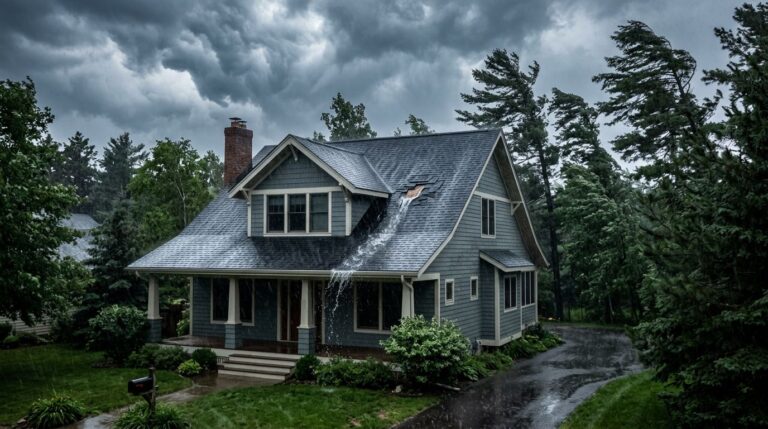
Ice and water shield failure, primarily caused by ice dams, usually shows up as winter roof leaks near roof edges, valleys, and penetrations, often during the freeze-thaw cycle. In Minnesota, watch for water stains that appear on warmer days, bubbling paint, damp insulation near exterior walls, and soffit or fascia rot. Confirm by checking roof edge details and tracing moisture paths during a professional inspection.
When This Applies
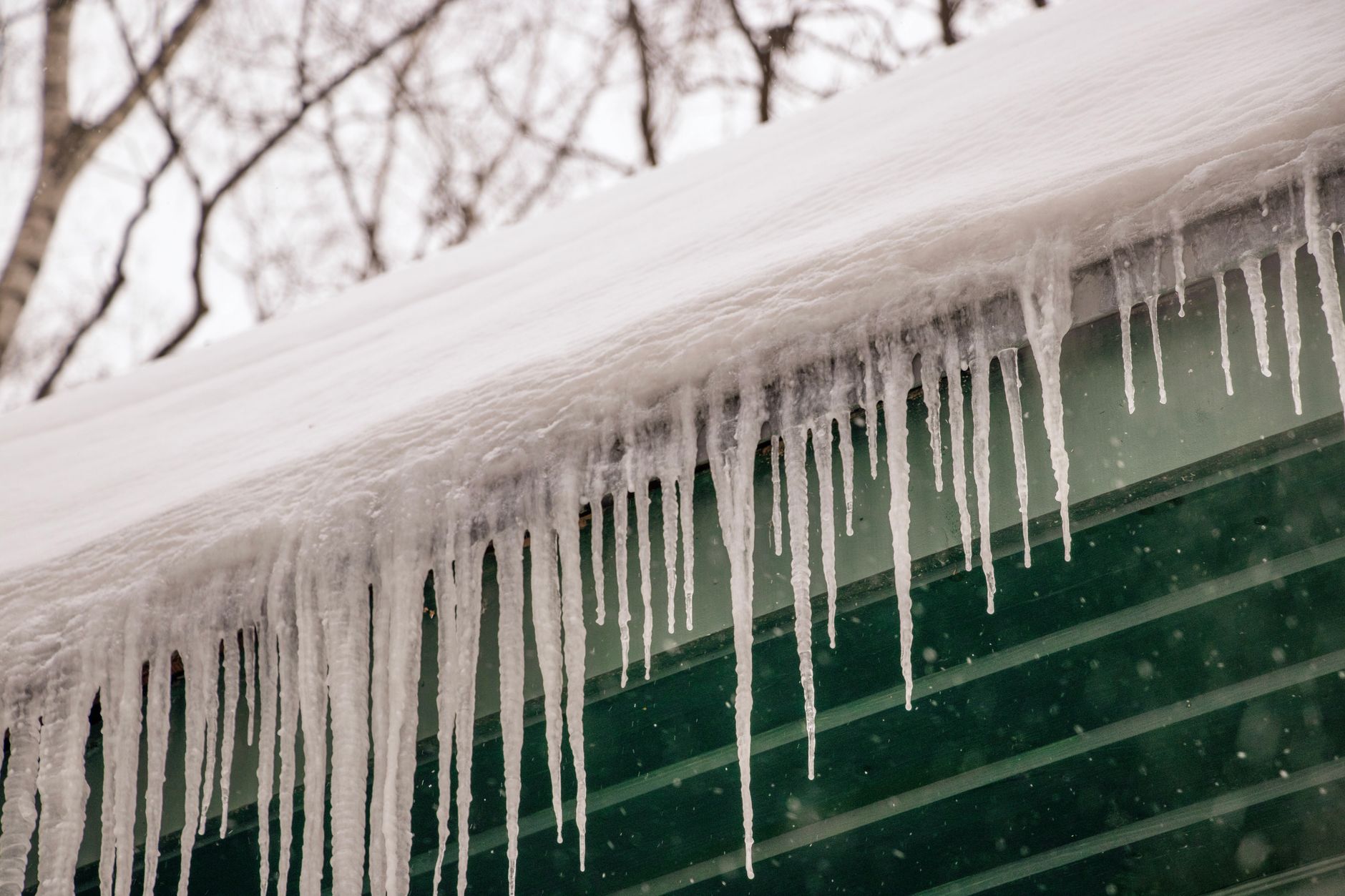
Photo by Olga Shiryaeva
Which Minnesota commercial buildings are most at risk
This question applies most to commercial owners with steep-slope roof areas (shingles, metal, slate, synthetic) or mixed-slope buildings. Think offices, churches, retail centers, and multi-tenant properties with lots of roof edges, dormers, and valleys.
Ice and water shield, such as Grace ice and water shield, is a self-adhered waterproof membrane that serves as underlayment installed under the primary roof covering. Unlike traditional roofing felt, it features self-sealing properties. It’s commonly placed at eaves, valleys, around chimneys, and near penetrations to resist standing water backing up from ice dams at the eaves. Installation is often required by the International Residential Code for cold climates.
Minnesota is rough on these details because temperatures swing above and below freezing. That freeze-thaw pattern can open tiny pathways that only leak when snow turns to slush. For a simple explanation of why this happens so often here, see this overview of freeze-thaw cycle roof damage.
Use this quick guide to focus your search:
| Where you’ll notice it | What you’ll see inside | What it can mean |
|---|---|---|
| Exterior wall line under the eave | Stains at ceiling perimeter | Backup water at the edge detail |
| Below a valley | Stains that widen after warmups | Valley underlayment issue or debris dam |
| Near a chimney or curb | Drips during melt, not rain | Seal failure at flashing or membrane laps |
| Top floor, near HVAC rooms | Wet insulation, musty odor | Water traveling along decking |
Takeaway: ice and water shield failure often looks like a “moving target” leak, because water can travel before it shows up.
If stains show up during a thaw but disappear in cold snaps, treat it like a roof-edge water backup problem until proven otherwise.
When it’s probably not the ice and water shield
If your building has a true low-slope membrane roof (TPO, EPDM, PVC), you might not have “ice and water shield” in the same way a shingle roof does. Those roofs fail more often at seams, drains, and penetrations. In that case, the right path is targeted troubleshooting and commercial flat roof repair, not chasing an underlayment that may not exist.
Also, some winter “leaks” come from HVAC condensation, humid indoor air, or ice in gutters forcing water into fascia. Icicles can be a clue, but they’re not proof. This breakdown of what roof icicles can signal helps separate decoration from danger.
If you’re in the Twin Cities and need a local baseline for what’s normal vs. urgent, start with these Saint Paul commercial roofing experts.
Step-by-Step
Roof Inspection: Confirm the pattern first (weather, timing, and location)
- Check when the leak appears, during thaw (common with ice dams), rain, or both.
- Mark the exact interior spot, then note the nearest eave, valley, or penetration above it.
- Compare multiple events, because repeat leaks in the same zone point to a detail issue.
- Photograph stains the day they appear, since “dry” ceilings hide the trail later.
Inspect roof-edge and valley warning signs outdoors
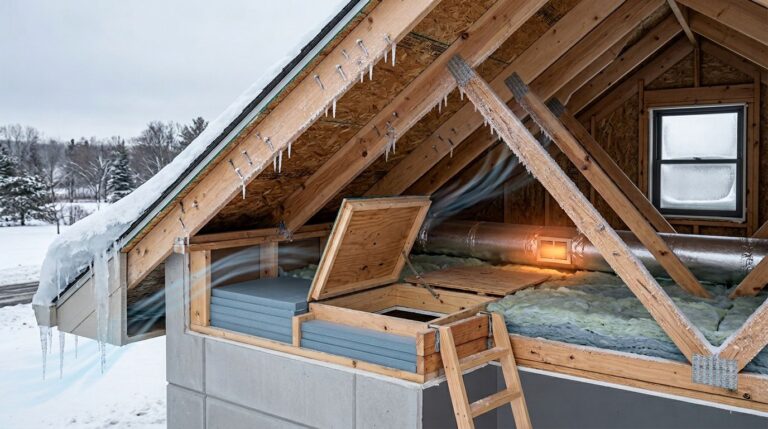
- Look for ice dams with heavy ice buildup along eaves, especially above problem rooms.
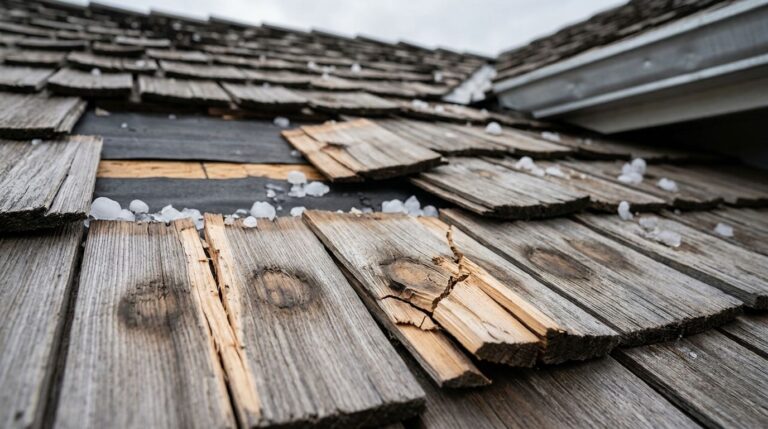
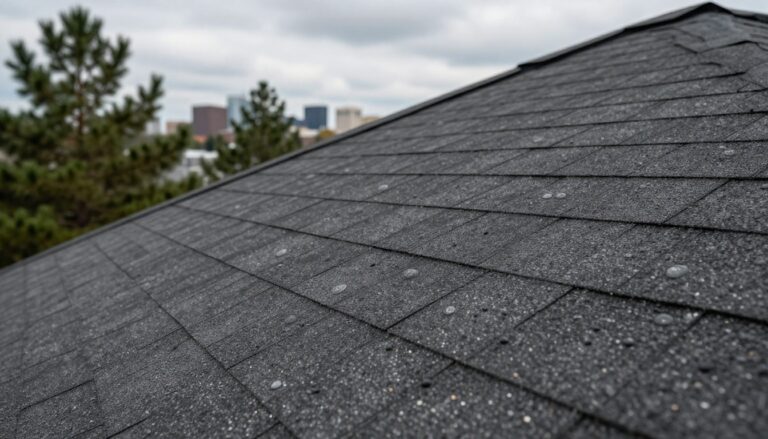
- Scan for missing, cracked, or lifted shingles (or loose metal edge details).
- Check valleys for debris dams that trap slush and push water sideways.
- Watch for deteriorated drip edge, open seams, or failed sealant at terminations.
If you have a metal roof or steep-slope sections
- Focus on fasteners, laps, and transition flashings where panels meet walls.
- Look for loosened closures or gaps at eave trim that let water blow in.
- Note any “oil canning” or deformation near edges, since movement can stress membranes.
Verify attic or deck clues (without guessing)
- Inspect underside of the roof deck near the eave line for dark staining or frost patterns. Check the roof sheathing and plywood decking for signs of moisture intrusion.
- Feel for damp attic insulation at the perimeter, since water backup often soaks edges first. Also evaluate attic ventilation, including the ridge vent for blockages.
- Look for nail tips with rust or moisture beads during warmups. Check deck framing nearby.
- Stop if you see widespread saturation on the roof deck, because that can turn into deck damage quickly.
Decide whether you need repair, replacement, or diagnostics
- If damage is isolated to a small edge or valley zone, ask for a targeted repair plan.
- If roof leaks recur in different places each winter, request professional diagnostics first.
- If the roof deck, attic insulation, and finishes show broad moisture, budget for larger scope work.
- If the roof system is near end of life, the right move can be roof replacement instead of repeated patching.
- When the source isn’t obvious, schedule commercial roof leak detection Saint Paul to avoid repairing the wrong area.
FAQ
Can ice and water shield fail even if shingles look fine?
Yes. The shingles can look perfect while the ice barrier underneath, often made of polymer-modified bitumen, has poor adhesion, punctures, or bad laps at edges and valleys. In Minnesota, backup water from ice dams finds those weak points. You’ll often see roof leaks during melt cycles, not during cold, dry periods.
What does ice and water shield failure look like inside a commercial building?
Most owners notice perimeter ceiling stains, wet insulation near exterior walls, or drips near skylights and chimneys from resulting water damage. Paint bubbles and odor can follow. The key sign is timing: water shows up after a warm day, then slows when temperatures drop.
Will adding more ice and water shield stop ice dams?
It can reduce damage, but it won’t “fix” the cause. Ice dams usually relate to heat loss, airflow, and roof geometry, often from poor attic ventilation, ridge vent health, and attic insulation that fails modern building codes. Products like Grace ice and water shield and other underlayment protect against wind-driven rain and standing water, yet extra membrane may buy time as water can still enter through flashing or siding details. For background, this explainer on ice and water shield basics helps set expectations.
What happens if we ignore winter leaks for one season?
Small winter roof leaks often spread sideways and soak insulation, which drives up heating costs and can lead to mold. In addition, wet roof decking can soften and lose fastener hold. By the time you see widespread staining, the roof assembly may need more than a patch.
How do I know if my commercial roof needs repair right now?
Treat it as urgent if water enters occupied space, electrical rooms, or tenant areas, or if stains grow after each thaw. Also act fast if you see saturated insulation or soft decking. In plain terms, if repeated winter leaks disrupt operations, your commercial roof needs repair now, not after spring rains.
Winter leaks in Minnesota act like a slow drip in a wall, quiet until the bill shows up. If you’ve seen repeated stains near eaves or valleys, assume ice and water shield failure is possible and verify it with a focused inspection. The goal is simple: stop water before it turns into structural damage, tenant complaints, or an unplanned shutdown, while protecting the roof deck with proper underlayment.
Need a roof inspection in Saint Paul or the Twin Cities? Call Sellers Roofing Company at +1-651-703-2336 or schedule a free estimate. We are a black-owned, NMSDC-certified MBE roofing contractor with 9+ years experience.