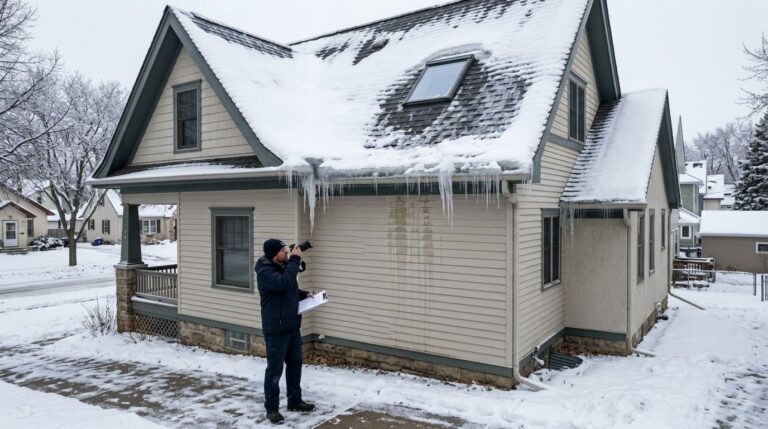
Last updated: 2026-08-01 by Ted Sellers, Owner
Yes. Hail can damage a skylight even when the glass stays intact. The impact may weaken seals, dent frames, crack flashing, bruise laminated glass, or loosen the curb. On commercial buildings, that hidden damage can lead to leaks, fogging, and interior water damage days or weeks after the storm.
When This Applies
This matters most on commercial buildings with older or exposed skylights
This applies to warehouses, offices, retail centers, schools, and other buildings with roof-mounted skylights. It matters even more on flat and low-slope roofs, because water can move before it shows up inside. So, if hail hits your property, the skylight may not shatter, but it can still lose its weather seal.
With hail damage skylights often look fine from the ground. That’s the trap. A skylight can take a hard hit at the frame edge, the glazing stop, or the flashing, while the main pane still holds.
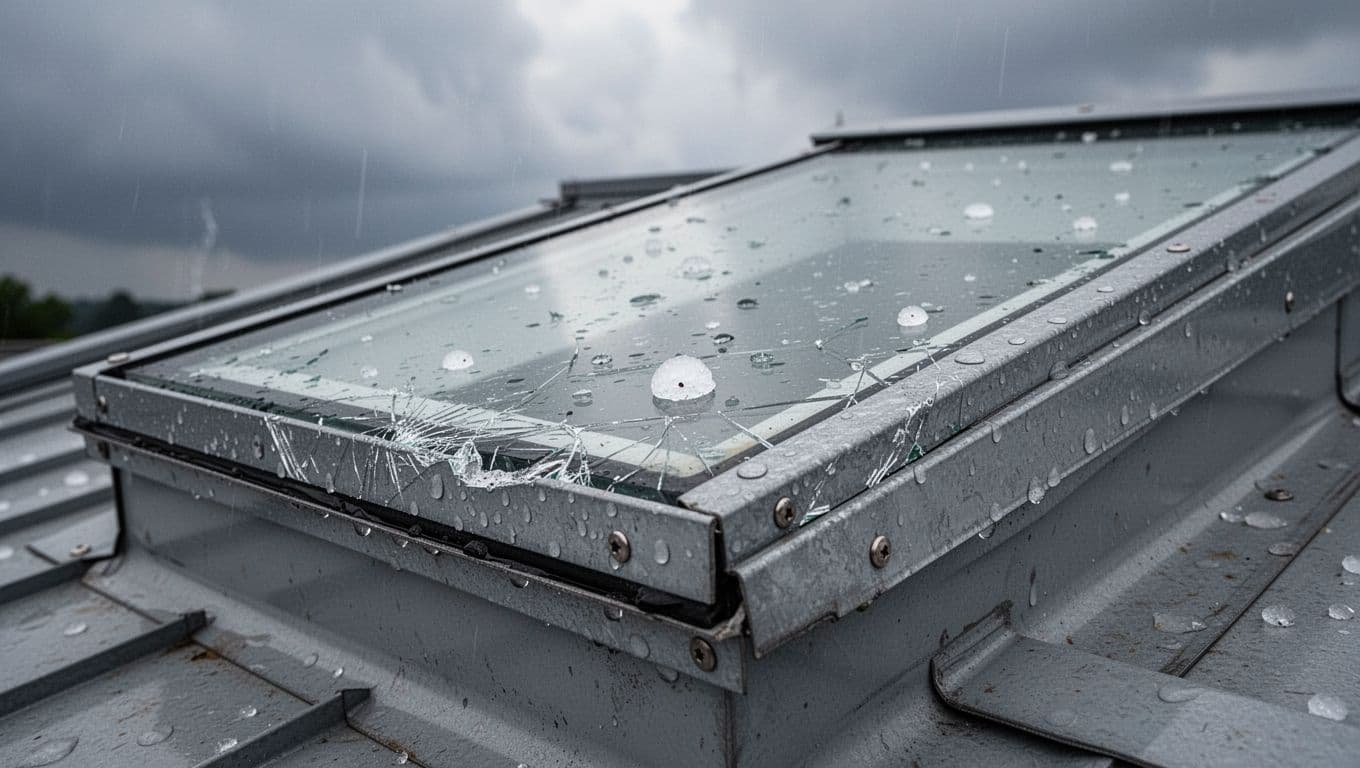
For business owners, the bigger issue is rarely the first dent. It’s what follows. A bent frame can stress the seal. A chipped edge can grow with heat and cold. Damaged flashing can let water slip into insulation or around the curb.
Unbroken glass doesn’t mean an undamaged skylight.
When the risk is lower, and where the exceptions are
Risk is lower when the hail was small, the unit is newer, and the skylight has impact-rated glazing. Also, some protected roof layouts reduce direct hits. Even then, lower risk isn’t the same as no risk.
A common exception is laminated or insulated glass. It can stay in one piece after impact, yet still suffer seal failure or edge damage. Acrylic domes can also craze or weaken without a clean break.
Cases that still deserve an inspection
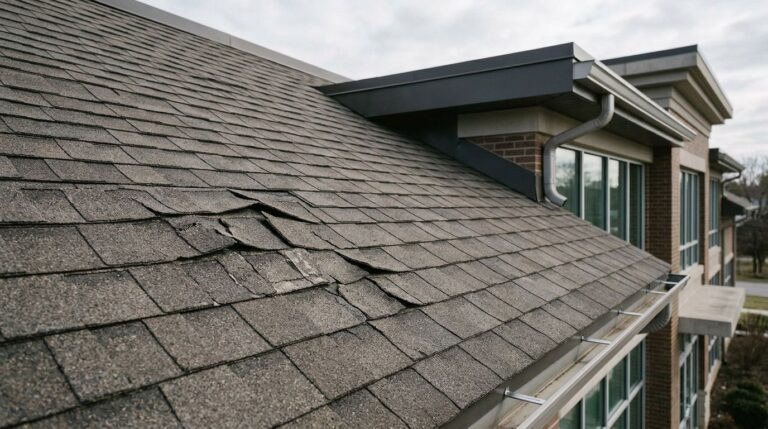
If the surrounding membrane shows bruises, punctures, or displaced flashing, the skylight area still needs attention. In some cases, the skylight is fine, but the commercial roof needs repair around it. Then the right fix may be targeted commercial flat roof repair, not a full skylight change.
Step-by-Step
Use this inspection sequence after any hail event
- Start inside the building. Look for fresh ceiling stains, damp drywall, musty smells, drips, or fogging between panes. Those signs often show up before you spot damage on the roof.
- Document the storm and the skylight. Save photos of hail size, weather reports, and any visible marks on the unit. Also gather install records if you have them, because age and prior condition matter during a claim review.
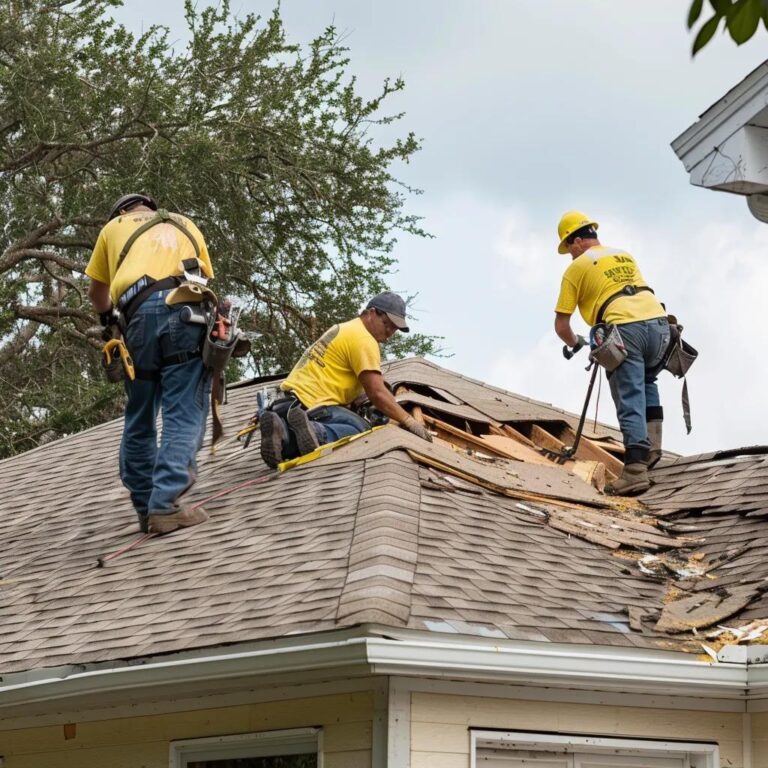
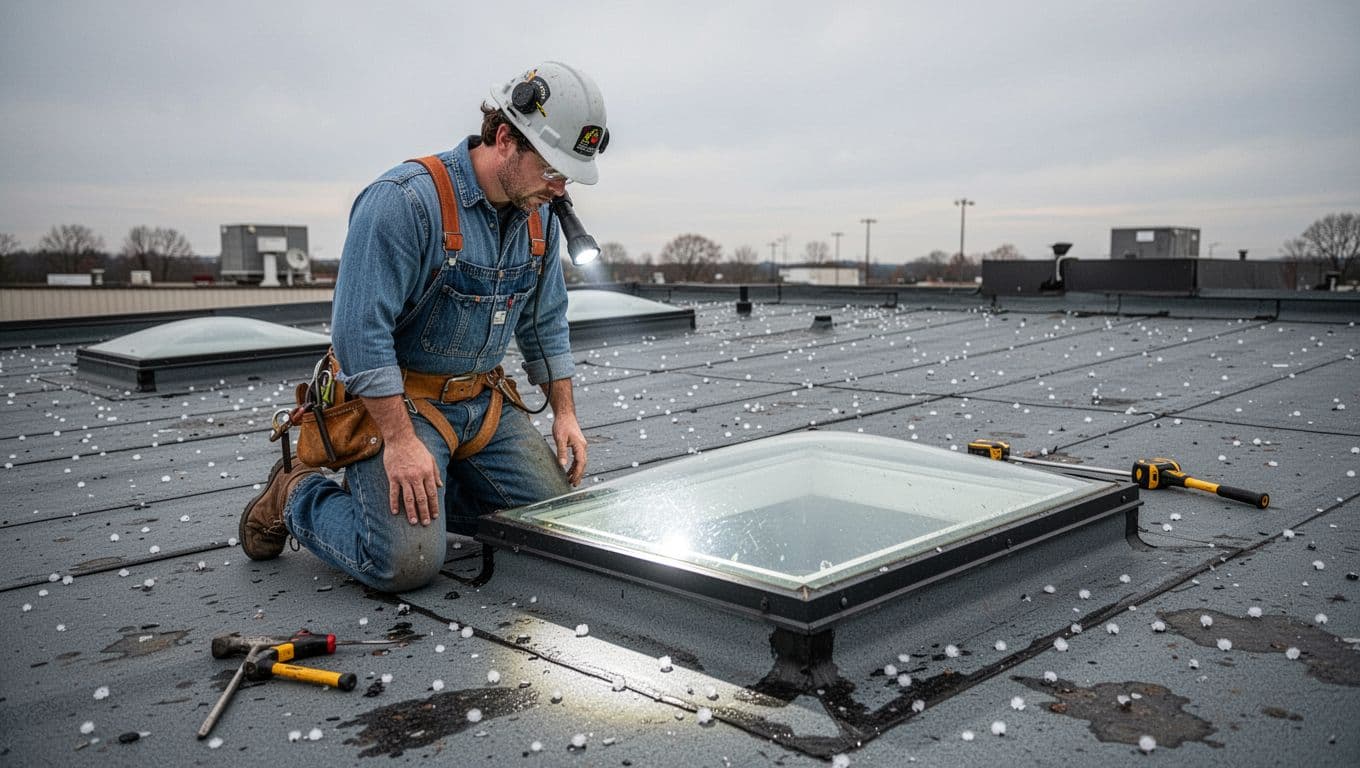
- Arrange a safe roof inspection. Don’t send untrained staff onto a wet commercial roof. A roofer should inspect the glass, frame, fasteners, flashing, curb, and nearby membrane for impact marks or loose components.
- Check the weak points, not only the pane. Most hidden failures happen at edges and joints. Think of it like a windshield chip, the small strike matters because it spreads. On skylights, warning signs include dented metal, split sealant, chipped corners, and lifted flashing.
- Trace moisture before choosing a fix. On commercial roofs, water may travel away from the hit point. That’s why detecting leaks around skylights is often the smartest next step when stains appear but the source isn’t obvious.
- Match the repair to the scope of damage. If the issue is isolated, seal work, flashing repair, or localized membrane service may solve it. If repeated leaks, widespread impact, or curb failure are present, commercial roof replacement or skylight replacement may make more financial sense. A contractor that handles Saint Paul commercial roofing services can compare those options in one visit.
Frequently asked questions after a hailstorm
Can a skylight start leaking days after hail hits?
Yes. A hail strike may weaken a seal or flashing detail without causing an immediate drip. Then the next rain, heat cycle, or freeze-thaw shift opens the path for water.
Will insurance cover skylight hail damage without broken glass?
Sometimes, yes. Coverage often depends on documented functional damage, not only visible breakage. If hail changed how the skylight performs, the claim may still have merit.
What helps the claim
Clear photos, weather dates, interior damage notes, and a professional inspection report all help show cause and timing.
Are flat roof skylights harder to diagnose after hail?
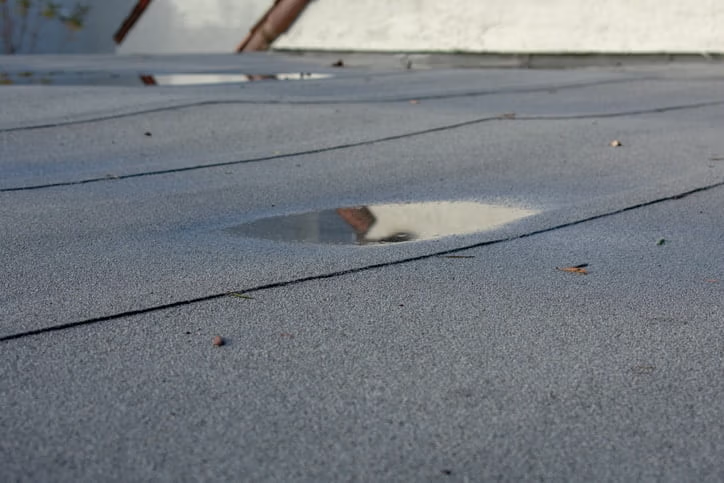
Usually, yes. On low-slope roofs, water can move sideways before it drops into the building. That means the stain you see inside may not sit directly below the damaged skylight.
Should your staff caulk around the skylight right away?
Not as a first move. A quick bead of caulk can hide the real problem and make later diagnosis harder. It may also miss damage in the flashing, curb, or roof membrane.
When does this become more than a skylight problem?
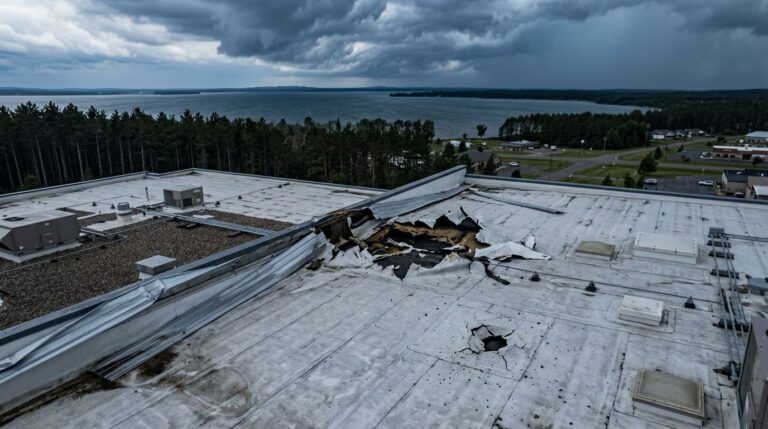
It becomes bigger when hail damages nearby flashing, insulation, seams, or multiple penetrations. At that point, the skylight is only part of the issue, and the commercial roof needs repair as a system, not as a single spot fix.
If hail hit your building and the skylight still looks intact, don’t treat that as proof it’s fine. Hidden damage is common, and it often shows itself after water has already started moving.
A prompt inspection is cheaper than waiting for stained ceilings, wet insulation, or tenant complaints. With skylights, intact glass is good news, but it’s not the final answer.
Need a roof inspection in Saint Paul or the Twin Cities? Call Sellers Roofing Company at +1-651-703-2336 or schedule a free estimate. We are a black-owned, NMSDC-certified MBE roofing contractor with 9+ years experience.