Last updated: 2026-08-01 by Ted Sellers, Owner
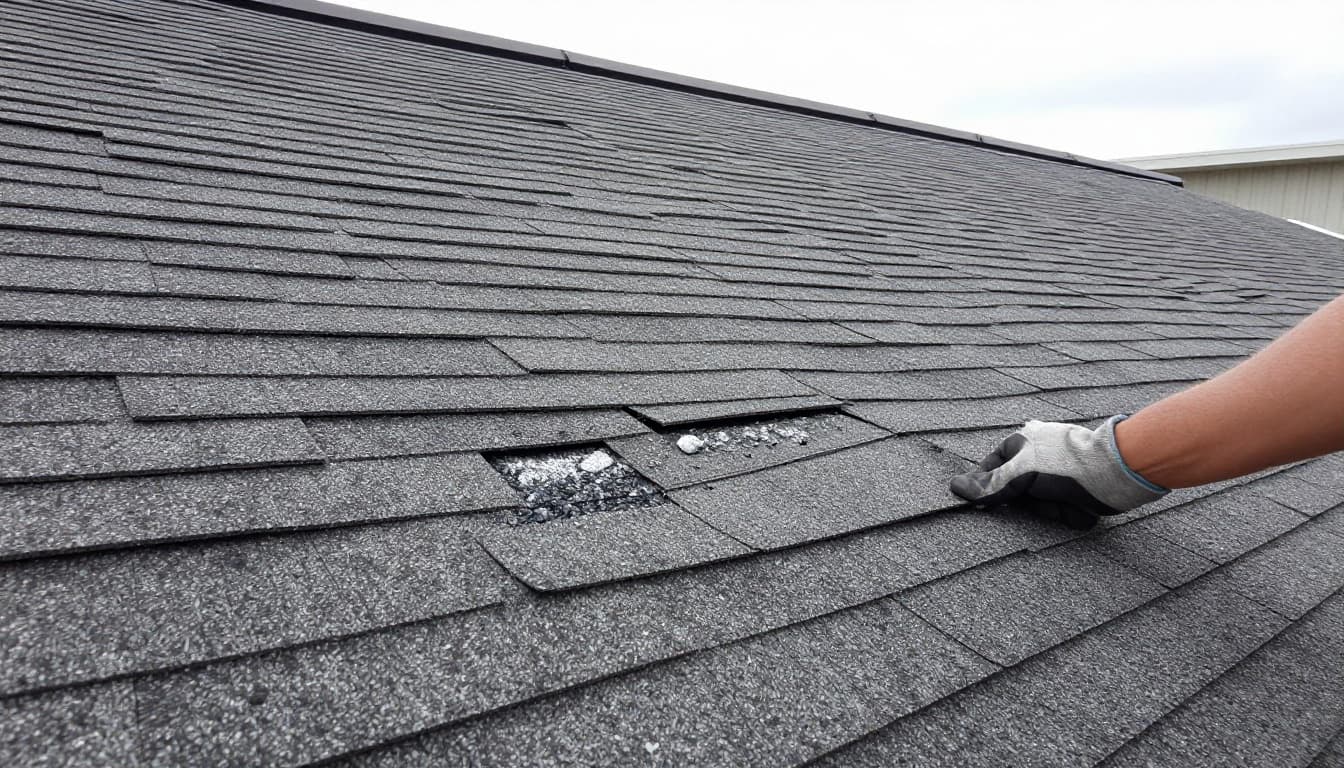
Yes, hail can damage roof decking without cracking or tearing shingles, but it’s not the most common outcome. It usually happens when large hail hits an older roof, moisture-weakened wood decking, or areas with prior damage. On many commercial buildings, hidden damage shows up later as soft spots, moisture readings, or recurring leaks rather than obvious shingle loss.
When This Applies
It fits buildings with shingled commercial roof sections
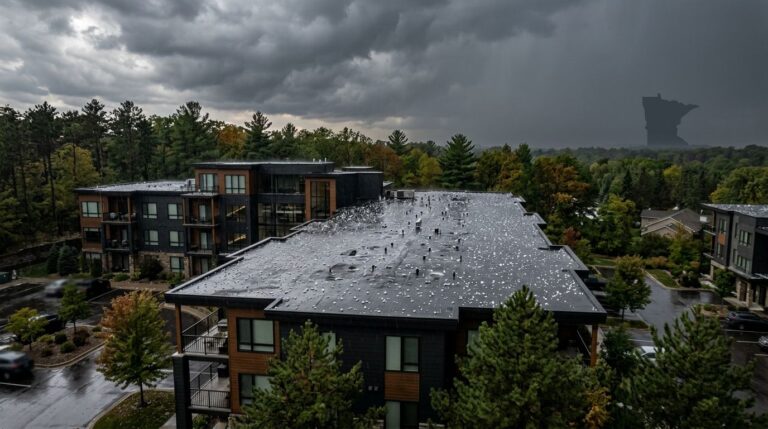
Many business properties have mixed roof designs. The main field may be a membrane roof, while entrances, mansards, or office wings use shingles. On those areas, hail damage roof decking is possible, especially when the deck is wood-based and the roof is older.
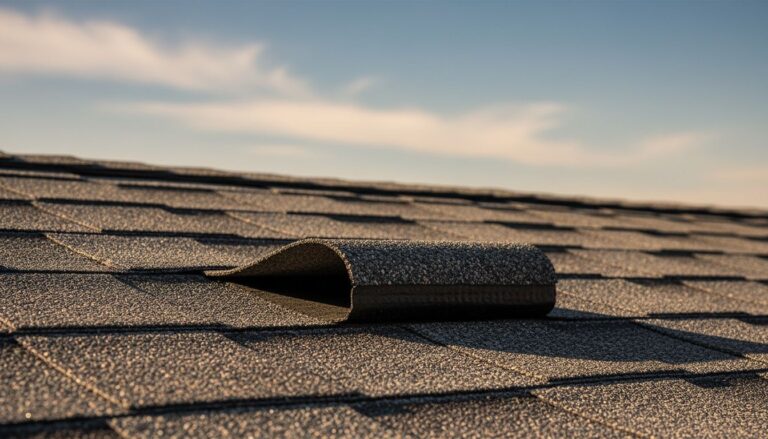
Think of it like a bruise under skin. The surface can look mostly whole while the layer below takes the hit.
It does not fit every commercial roof assembly
This question does not apply the same way to steel or concrete decks. Large hail can damage membranes, seams, or cover boards, but it usually will not damage a concrete deck under intact shingles, because that assembly often has no shingles at all.
Also, small hail rarely harms sound decking through healthy shingles and underlayment. Newer, dry roofs with solid attachment often avoid deck damage even after a rough storm.
The main exceptions are age, moisture, and prior weakness
Hidden damage gets more likely when the roof already has soft spots, past leaks, or thin sheathing. Repeated hail events can also weaken the same area over time. If the surface shows granule loss, bruising, bent metal, or loose tabs, the deck below deserves a closer look.
If you suspect your commercial roof needs repair, don’t wait for an interior leak. By then, the price tag usually climbs.
Step-by-Step
1. Confirm what sits under the shingles
Start with the roof assembly, not the storm story. Check plans, prior bids, or maintenance records to see whether the area below the shingles is plywood, OSB, wood plank, or something else. This matters because wood-based decks can compress or split more easily than steel or concrete.
If your building is mostly low-slope, the issue may belong under commercial flat roof repair instead of a shingle-only claim.
2. Look for indirect impact clues
After hail, surface clues tell you where to focus. A contractor may find bruised shingles, displaced granules, dented edge metal, marked rooftop units, or cracked accessories even when shingles do not split open. Those signs do not prove deck damage, but they raise suspicion.
On commercial properties, document every slope and elevation because damage often clusters on one exposure.
3. Check the building interior and the underside of the roof
Now look below. Soft ceiling tiles, damp insulation, musty smells, popped fasteners, and new stains can point to hidden trouble. Water also travels, especially on low-slope sections, so the spot inside may not sit under the damaged area.
If your records show repeat leaks in the same zone, the odds of compromised decking go up.
4. Get professional moisture testing before opening the roof
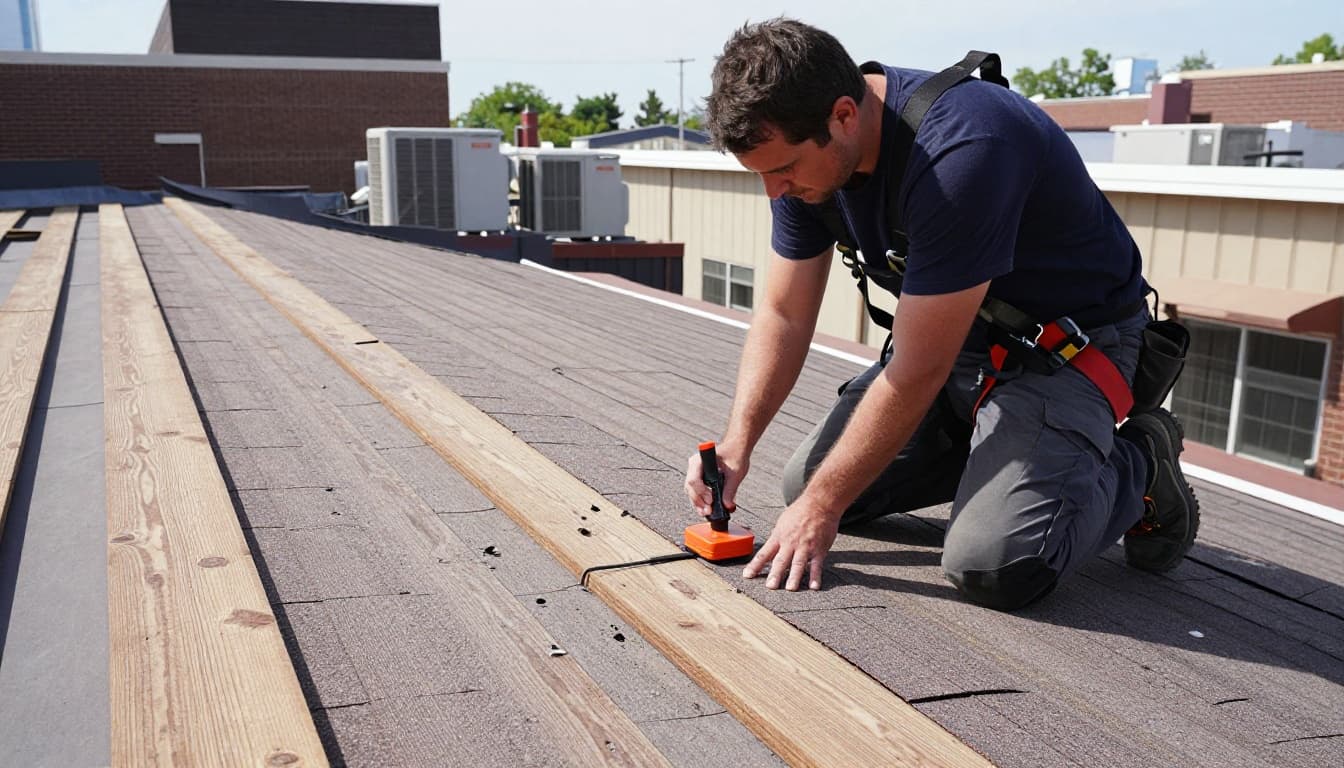
Visible marks are not enough for a sound decision. A roofer can use moisture meters, infrared scans, and limited test cuts to see whether the deck or insulation holds water. That step matters because wet materials can look fine from above.
If you need stronger proof, commercial roof leak detection Saint Paul can help trace hidden intrusion without guesswork.
When to move fast
Call within a few days if tenants report drips, the roof feels soft, or hail size was severe. Early testing can separate a manageable repair from a larger claim.
5. Match the fix to the true scope of damage
If testing finds one wet section, a localized deck replacement may solve it. When moisture spreads across wide areas, or the roof has multiple past repairs, commercial roof replacement may be the smarter move.
Mixed systems need mixed solutions too. A shingled entrance may need deck work while the main field needs membrane patching. For broader planning, Saint Paul commercial roof experts can compare repair cost against remaining roof life.
A common business-owner mistake
Many owners approve the cheapest patch first. That can backfire when hidden deck damage keeps feeding leaks and shutdown risk.
Common follow-up questions
Can insurance cover decking damage if shingles still look okay?
Yes, if the inspection ties the damage to the hail event. Carriers often want photos, moisture readings, and test cuts because hidden damage is harder to see. Good documentation usually matters more than a quick visual pass.
How soon should a commercial roof be checked after hail?
Within a few days is best. Foot traffic, wind, and later rain can blur fresh impact signs. A prompt inspection also creates a cleaner timeline for claims and helps catch moisture before it spreads through insulation or ceilings.
Can hail damage show up months later?
Yes. Hidden deck damage can appear later as soft spots, trapped moisture, mold odor, or repeat leaks during freeze-thaw swings. That’s why a roof can seem fine right after the storm and still fail later.
Does one leak mean the whole roof deck is bad?
No. One leak can come from one damaged section, bad flashing, or a drainage issue. Still, if the roof is older and storms have hit it more than once, a broader survey makes sense before settling on a small repair.
How do I know when repair is no longer enough?
Look at roof age, wet area size, repeat leaks, and how much business risk the roof creates. If crews keep chasing the same problem, or testing finds widespread saturation, the roof is not just hurt, it is losing useful service life.
Shingles can hide a bruise the same way paint can hide a dent. That’s why intact tabs do not always mean the deck below is sound.
After a hailstorm, act on evidence, not appearances. If your property shows impact clues, soft spots, or new moisture, schedule an inspection before minor damage turns into a larger interruption.
Need a roof inspection in Saint Paul or the Twin Cities? Call Sellers Roofing Company at +1-651-703-2336 or schedule a free estimate. We are a black-owned, NMSDC-certified MBE roofing contractor with 9+ years experience.