Last updated: 2026-08-01 by Ted Sellers, Owner
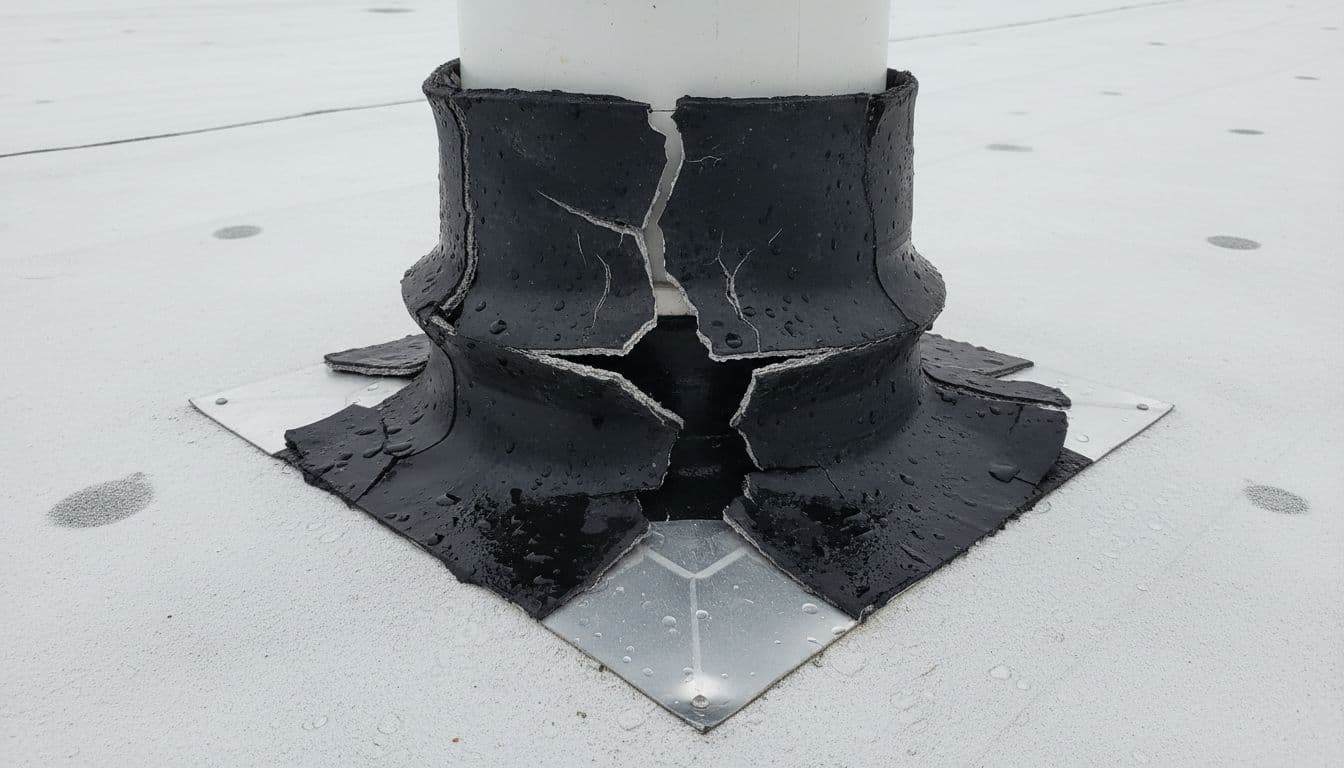
Yes. Hail can crack, split, or loosen a pipe boot even when nearby shingles look normal. The boot sits above the roof plane, takes direct impact, and often uses rubber or thin metal that ages faster than the surrounding roof. On commercial buildings, the same thing happens at roof penetrations, where a vent boot or flashing detail fails before the main roof surface does.
When This Applies
When the pipe boot is the weak point
A pipe boot seals the gap around a vent pipe. That seal is often softer and more exposed than the roof around it. Because of that, hail can hit the collar, flange, or sealant and leave the nearby shingles looking fine.
This is common on older roofs. Sun, freeze-thaw cycles, and rooftop traffic can dry out the rubber first. Then a hailstorm turns a weak spot into an open crack. The leak may not start that day, but the path for water is already there.
If the penetration sits higher than the roof surface, hail often hits it first.
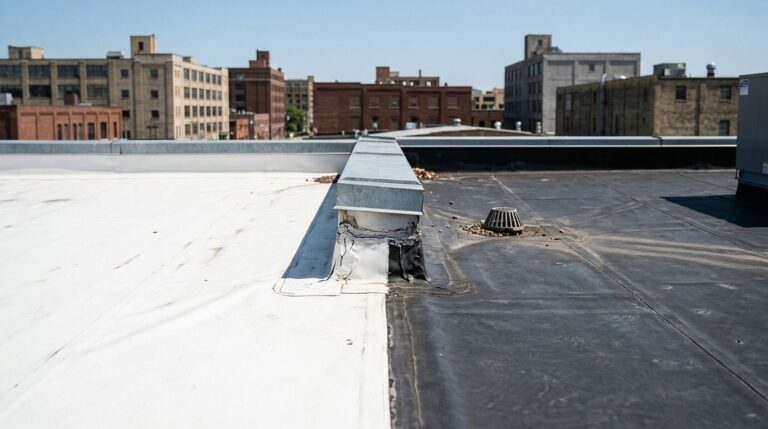
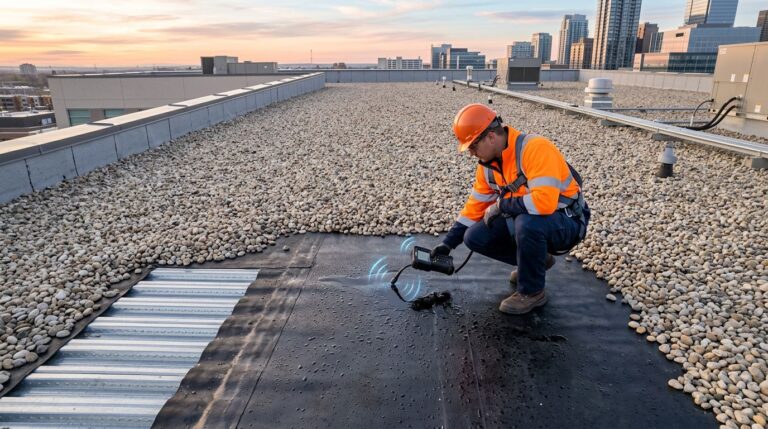
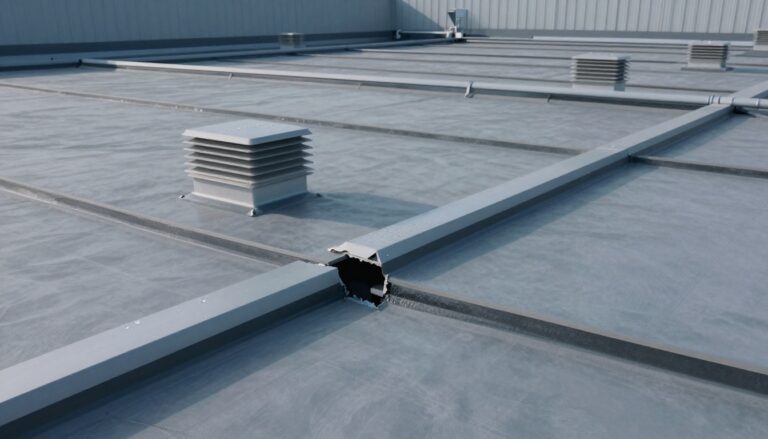
The same pattern shows up on low-slope commercial roofs. Your building may not even have shingles on the main roof. Still, the principle is the same. The roof field can look intact while the vent boot, pitch pan, or flashing at a penetration takes the damage. If water shows up later, commercial roof leak detection in Saint Paul can help confirm whether the failure started at one of those details.
When shingles can look fine, and when this does not apply
This applies when hail is small to mid-sized, the storm angle is uneven, or the boot has aged more than the shingles. It also applies when the shingle mat still has life left, but the rubber collar has lost flexibility. Some inspections miss that difference. This breakdown of what gets missed in hail inspections shows why small details can slip past a quick visual check.
On low-slope commercial roofs
If your property has TPO, EPDM, modified bitumen, or metal, the comparison is slightly different. You are not looking for a split boot beside perfect shingles. You are looking for a damaged penetration detail with an otherwise sound roof field. That matters because the fix may be a focused repair instead of a full roof project.
This does not apply when hail was large enough to bruise the whole roof, when the boot failed from age alone, or when the flashing was installed wrong. In those cases, hail may be part of the story, but not the whole story.
Why the boot often fails first
What makes hail-damaged pipe boots different
A pipe boot is a transition detail. It wraps a round pipe, bends at the base, and depends on rubber flexibility or a watertight seal at the flange. Hail tends to expose weak transitions. A flat roof surface spreads out the force better, while a raised collar takes a more direct hit.
On commercial roofs, penetrations also collect wear from heat movement and service traffic. That means hail often does not create a brand-new issue. It turns an aging detail into a leak point. This is why a boot can fail while the rest of the roof still looks serviceable.
Mixed roof systems need extra attention
Many business properties have a flat main roof and smaller shingle sections over entries or office areas. A manager may look at the shingle section, see no obvious damage, and assume the entire building is fine. That shortcut misses the penetrations, which are often the first parts to fail.
Step-by-Step
How do you verify hail damage on a pipe boot?
- Check the storm date first. Match the damage to a known hail event, because timing helps separate storm damage from long-term aging.
- Start from the ground. Look for dented metal trim, damaged gutters, or marked rooftop equipment. If those details show impact, the roof penetrations deserve a close look.
- Inspect the pipe boot up close and safely. Look for splits in the rubber collar, loose sealant, bent metal, or cracks where the boot wraps the vent pipe.
- Compare the boot to the surrounding roof. If the shingles, membrane, or nearby flashing still look stable but the boot is split, you likely have selective hail damage.
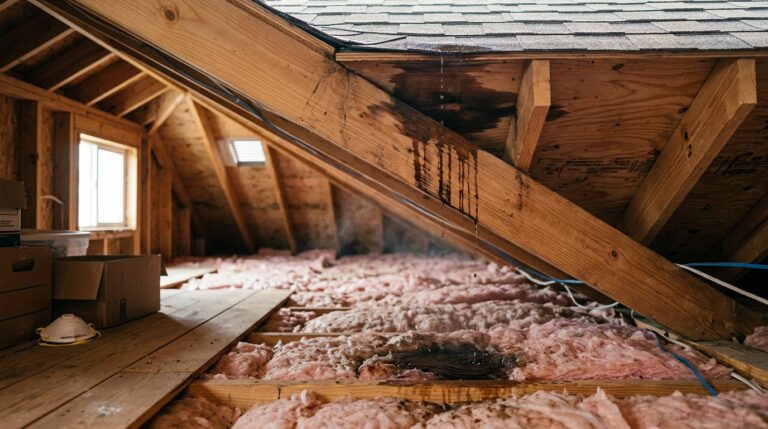
- Photograph the roof detail, the wider roof area, and any interior staining. Good records make the next repair decision much clearer.

How do you decide between repair and replacement?
- Replace the boot if the damage is limited to one penetration and the surrounding roof is dry. In many cases, that is a targeted commercial flat roof repair, not a building-wide problem.
- Expand the scope if the flange pulled loose, the membrane seam opened, or moisture entered insulation. At that point, your commercial roof needs repair beyond the boot itself.
- Move toward commercial roof replacement when you find repeated penetration failures, wet insulation in several areas, or an aging roof near the end of its service life. A new boot on a failing roof only buys time.
- Document everything before patching if insurance may be involved. Once a cracked collar is sealed over, the original impact evidence is harder to prove.
- Bring in Saint Paul commercial roofing experts if the leak path is unclear, the damage appears in multiple sections, or the building has a low-slope system with several penetrations.
Conclusion
Hail can damage a pipe boot without leaving clear marks on nearby shingles. That happens because penetrations sit higher, age faster, and use softer materials than the roof around them.
For commercial owners, the practical takeaway is simple: treat a split boot as a real roof issue. The smallest roof detail can become the first place water gets in.
FAQ
Can a pipe boot leak months after a hailstorm?
Yes. A hail strike can create a small split that stays quiet until heavy rain, freeze-thaw movement, or summer heat opens it wider. Delayed leaks are common on older boots.
Will insurance cover a damaged pipe boot if the shingles look okay?
Often, yes, if the damage is functional and tied to the storm date. Clear photos, inspection notes, and proof of interior leakage can make a big difference.
Does hail damage only the rubber collar?
No. Hail can also dent metal flashing, crack sealant, or loosen the flange where the boot meets the roof surface.
What matters most?
The key issue is whether the detail still sheds water. Cosmetic marks matter less than splits, lifted edges, or broken seals.
Can foot traffic look like hail damage?
Sometimes. On commercial roofs, service traffic can scuff membranes or stress flashing details. Hail usually leaves a more random pattern and often shows up on nearby metal too.
Is one damaged pipe boot a serious issue for a business property?
It can be. One failed penetration can let water into insulation, decking, or tenant space. If caught early, the fix is small. If ignored, the repair scope grows fast.
Need a roof inspection in Saint Paul or the Twin Cities? Call Sellers Roofing Company at +1-651-703-2336 or schedule a free estimate. We are a black-owned, NMSDC-certified MBE roofing contractor with 9+ years experience.