Last updated: 2026-08-01 by Ted Sellers, Owner
The first attic roof leak signs usually show up as water stains on roof decking, damp attic insulation, rusty nail heads, musty odors, or frost that later turns into wet spots. You may also see mold specks on wood or feel unusually humid air in the attic, especially after rain, snowmelt, or wind-driven storms. A hidden attic leak is like a drip behind a wall; it stays quiet until it’s costly. For commercial owners, catching it early protects inventory, tenant spaces, and electrical systems below.
When This Applies
Who should watch for attic roof leak signs (and when to look)
These warning signs apply when your building has an attic or attic-like space above the occupied area. That includes many older offices, schools, churches, multi-tenant storefronts with pitched roofs, and mixed-slope buildings where a steep section ties into low-slope areas.
Timing matters. Plan checks right after:
- A heavy rain with wind (water gets pushed up under roof flashing).
- A thaw after snow and ice (slow melt finds small gaps).
- A known rooftop event (HVAC work, new penetrations, foot traffic).
Even if ceilings look fine, the attic can be taking the hit first. Water often causes water damage to wood and insulation before it ever reaches a tile ceiling.
A leak rarely drops straight down. It can ride along rafters, nails, or ductwork, then show up far from the entry point.
To make the clues easier to spot, here’s a quick reference for what you might see.
| What you notice in the attic | What it often points to | Why it matters early |
|---|---|---|
| Dark rings or streaks on decking | Long-term seepage or repeat wetting | Wood softens and fasteners loosen |
| Rusty nail heads or nail “shiners” | Condensation or minor leakage | Rust trails help you trace the path |
| Damp, heavy insulation | Active leak above that area | Wet insulation loses R-value fast |
| Musty odor near eaves | Moisture accumulation and early mold | Smell can come before visible stains |
| Frost on nails or decking (winter) | Warm air leaking into cold attic | Frost often turns into “mystery” puddles later |
When it might not be an attic leak
Some moisture problems look like roof leaks but aren’t. Two common exceptions matter for commercial buildings.
Flat or low-slope sections with no attic
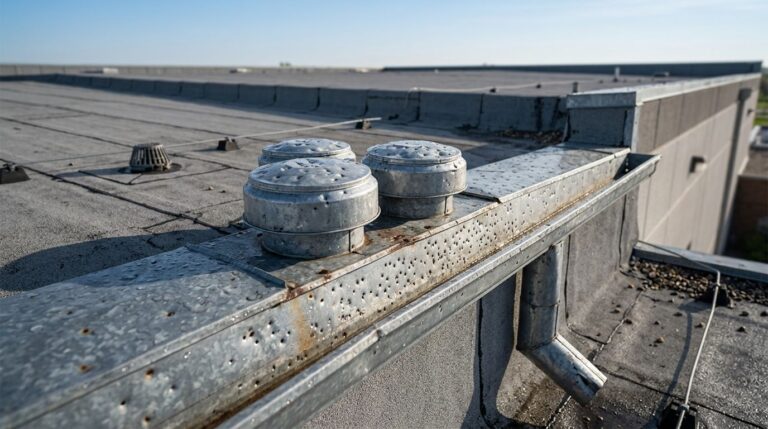
If your facility has a flat roof over a finished ceiling, you won’t have attic clues to follow. In that case, stains may appear on tiles only after the insulation holds a lot of water. For those buildings, targeted diagnostics usually beat guesswork, especially because water can travel sideways for long distances on low-slope systems. Consider scheduling roof leak detection in Saint Paul when the source isn’t obvious.
Condensation from ventilation or air leaks
Bathrooms, kitchens, and poorly sealed ductwork can dump warm, wet air into a cold attic. Then condensation forms on nails and decking, even with a solid roof. If moisture appears during cold snaps, and you don’t see roof staining after rain, condensation moves up the suspect list.
Step-by-Step
A practical attic roof inspection that protects your building
- Pick the right day to inspect. Check within 24 to 48 hours after rain, thaw, or drifting snow. Fresh moisture patterns stand out, while older stains can mislead you.
- Enter safely and avoid compressing insulation. Use a headlamp, stable walkway, and gloves. Step only on framing or decking, because a misstep can crack a ceiling below and create a second problem.
- Use your nose and hands first. Walk slowly and pause at corners and eaves. A musty smell, clammy air, or wet-feeling wood often appears before dramatic staining.
- Scan the roof deck for color changes and texture. Look for dark blotches, shiny wet patches, or wood that feels fuzzy or softened. Also check for tiny black specks that can signal early mold growth on damp surfaces.
- Look for “trail markers” like rusty nails and drip lines. Rusty nail heads, water beads on fasteners, or streaks down rafters help you follow the path uphill. Don’t assume the wet spot is under the hole, water likes to travel.
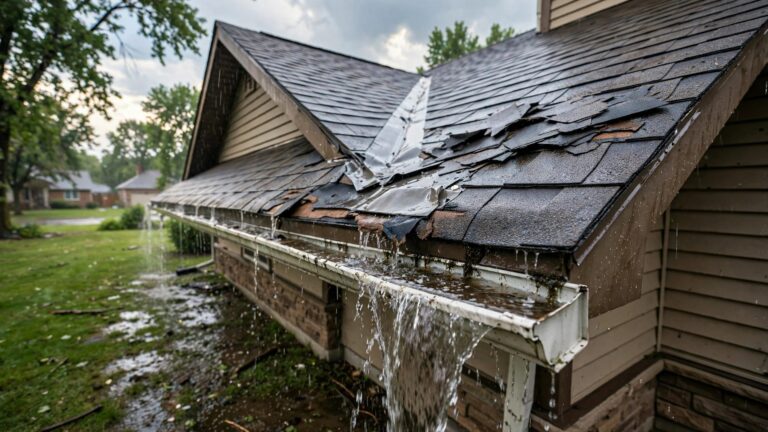
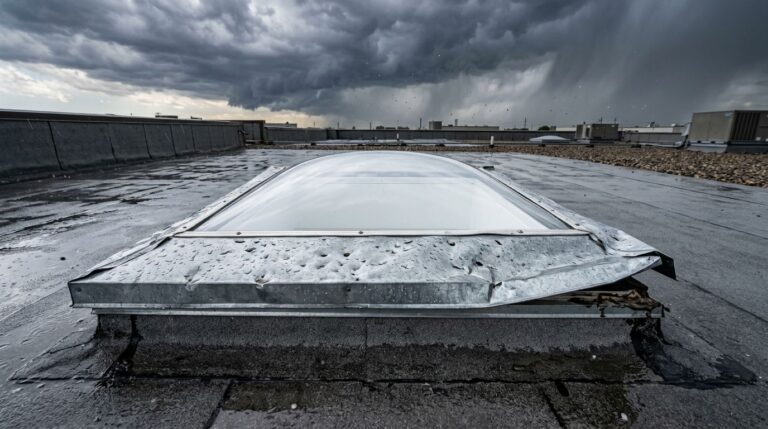
- Check the usual entry points. Inspect for damaged shingles or missing shingles around chimneys, skylights, plumbing vents, roof-to-wall transitions, and valleys. In many buildings, a small flashing gap acts like a funnel during wind-driven rain.
- Document what you find and mark locations. Take photos with a reference point (truss label, vent pipe, or measured distance from the hatch). If your commercial roof needs repair, good documentation speeds up bids, insurance conversations, and tenant communication.
- Decide whether this is a repair, a section fix, or a bigger plan. If water intrusion is isolated and the roof is otherwise sound, a targeted repair may be enough. If the building has low-slope areas where water migrates, you might need commercial flat roof repair in addition to addressing attic-side symptoms. When repeated leaks have soaked insulation, damaged decking, or kept returning season after season, it can be time to evaluate commercial roof replacement with a trusted commercial roofing company or consult a professional roofer.
FAQ
Can a roof leak stay in the attic and never cause ceiling stains?
Yes. Insulation can act like a sponge, absorbing dripping water out of sight. In addition, water can run along framing and dry out before it reaches the interior finish. That’s why attic checks after storms often catch problems weeks earlier than a ceiling inspection.
What if I only see mold specks, but no wet wood?
Small mold spots can come from past leaks or from condensation. Smell helps: a persistent musty odor near eaves suggests ongoing moisture. If mold appears after cold weather swings, look for air leaks from ductwork or ceiling penetrations feeding humid air into the attic.
Should I shut down part of the building if I suspect an attic leak?
If water is near electrical or ceiling systems
Treat it as urgent. Move people and valuables away from the area below, and limit access if ceiling materials show bulging drywall. Water and electrical don’t mix, and a soaked ceiling can cause structural damage without much warning.
How do I tell if an attic stain is old or active?
Active leaks often look darker, feel cool or damp, and may have defined edges or a glossy sheen. Old staining tends to look flat and dry, with no moisture in nearby wood. When in doubt, check right after the next rain or thaw and compare photos.
At what point does a hidden leak turn into a replacement decision?
When leaks keep returning, such as from ice dams, when insulation stays wet, or when decking shows rot or widespread delamination, repair costs make repairs stop being cost-effective. Age matters too. If the roof is near the end of its service life and multiple areas show moisture, replacement planning can reduce ongoing disruption and repeated interior risk.
Conclusion
Hidden attic leaks don’t announce themselves with a steady drip. Instead, they leave clues like damp insulation, rusty nails, and shadowy stains on decking. If you spot early attic roof leak signs, document them and act quickly, because water damage spreads quietly. As part of general maintenance, regularly check your gutters for granules or debris to protect your roofing materials. The best time to fix a leak is before your ceiling, tenants, or equipment pay the price.
Need a roof inspection in Saint Paul or the Twin Cities? Call Sellers Roofing Company at +1-651-703-2336 or schedule a free estimate. We are a black-owned, NMSDC-certified MBE roofing contractor with 9+ years experience.