Last updated: 2026-08-01 by Ted Sellers, Owner
Short answer: No, not always. If hail hit one slope, you may only need a targeted repair or partial replacement. Replace the full roof when hail caused membrane breaks, hidden moisture, structural damage, or when the roof is old enough that fixing one side won’t last. A proper inspection should drive the decision.
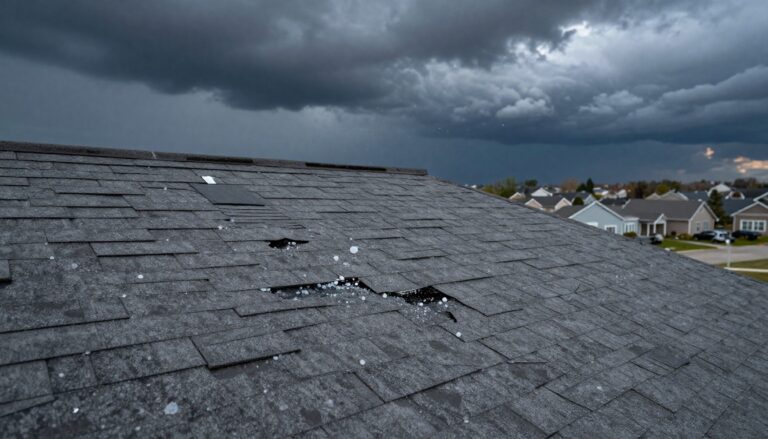
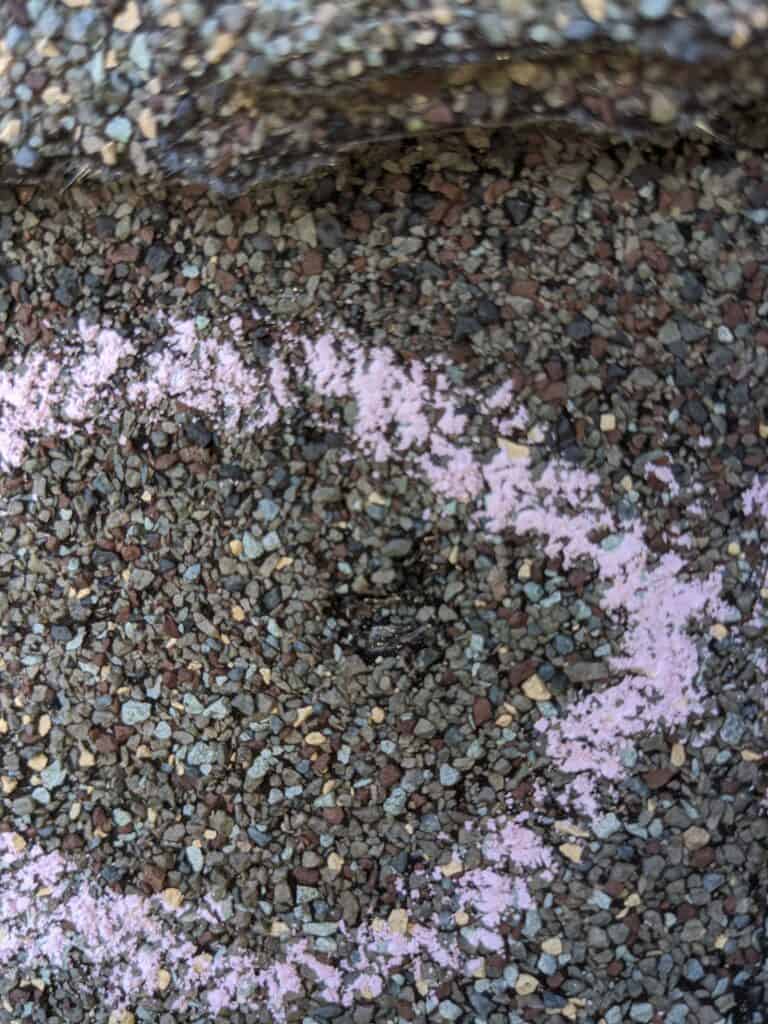
A hail damaged roof rarely wears damage evenly. Wind direction, roof height, parapet walls, and nearby buildings can make one slope take the worst hit.
For commercial owners, the goal is simple. Fix only what needs fixing, but don’t trap water under a small repair that fails later.
When This Applies
When one-slope damage can stay a one-slope job
This applies to business owners with sloped or low-slope commercial roofs where hail clearly hit one exposure harder than the rest. It makes sense when the undamaged areas test dry, the membrane still has life left, and the seams and flashing remain sound. In that case, commercial flat roof repair or a section replacement may solve the problem.
It does not apply when multiple roof sections were hit, the building already had chronic leaks, or the storm damage mixed with old wear. In those cases, what looks like one-slope damage may be part of a larger failure.
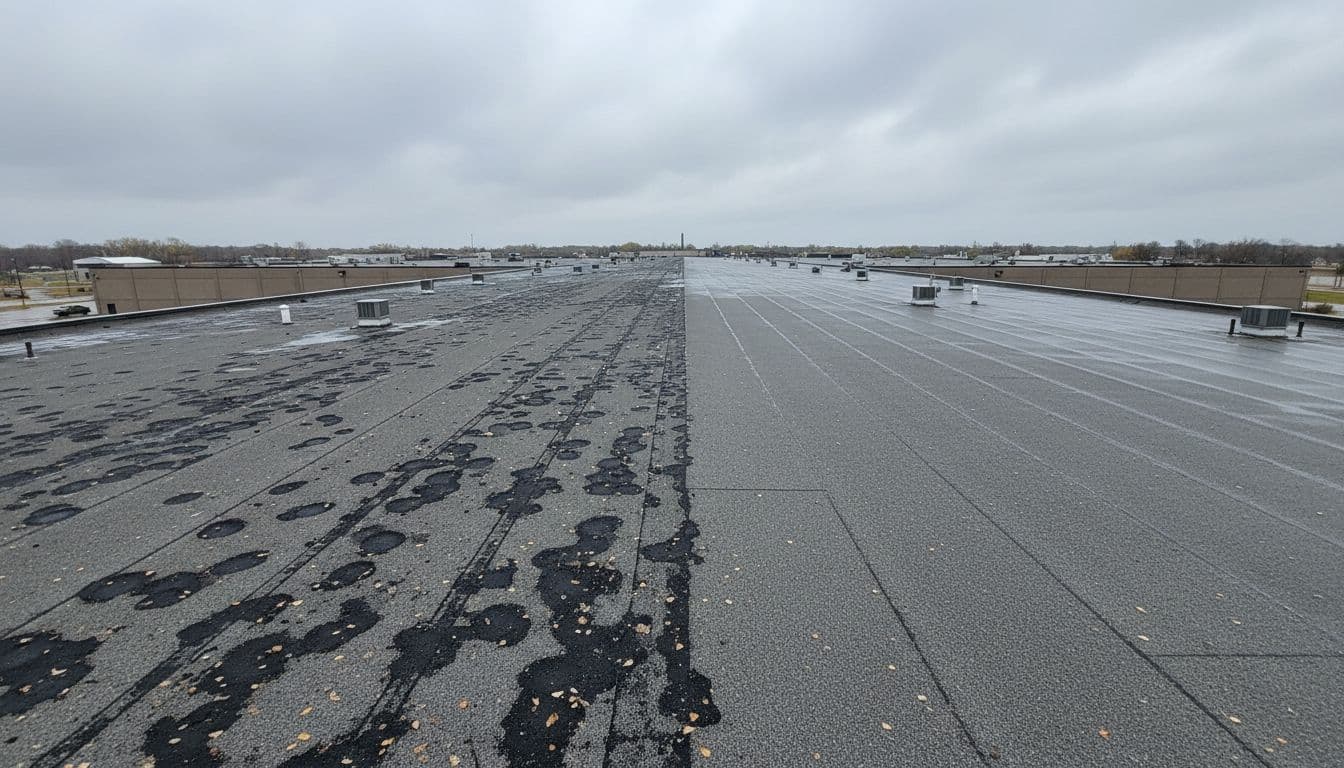
Low-slope systems need extra care because water can move sideways before it shows up inside. So, before approving repairs, get professional commercial leak detection to confirm whether the wet area matches the visible strike zone.
When one slope points to a full replacement
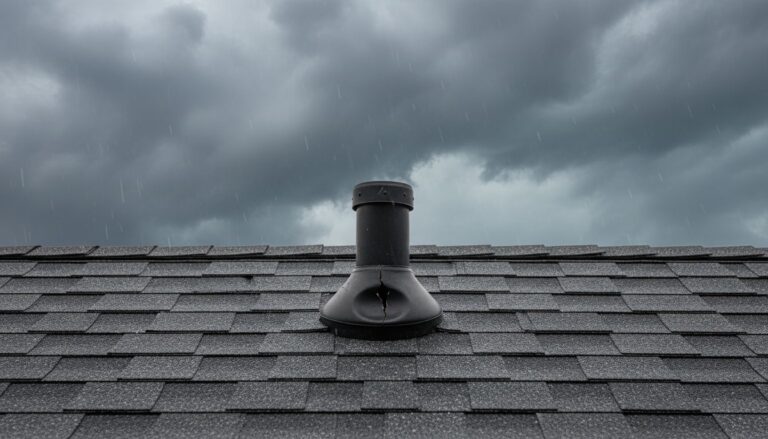
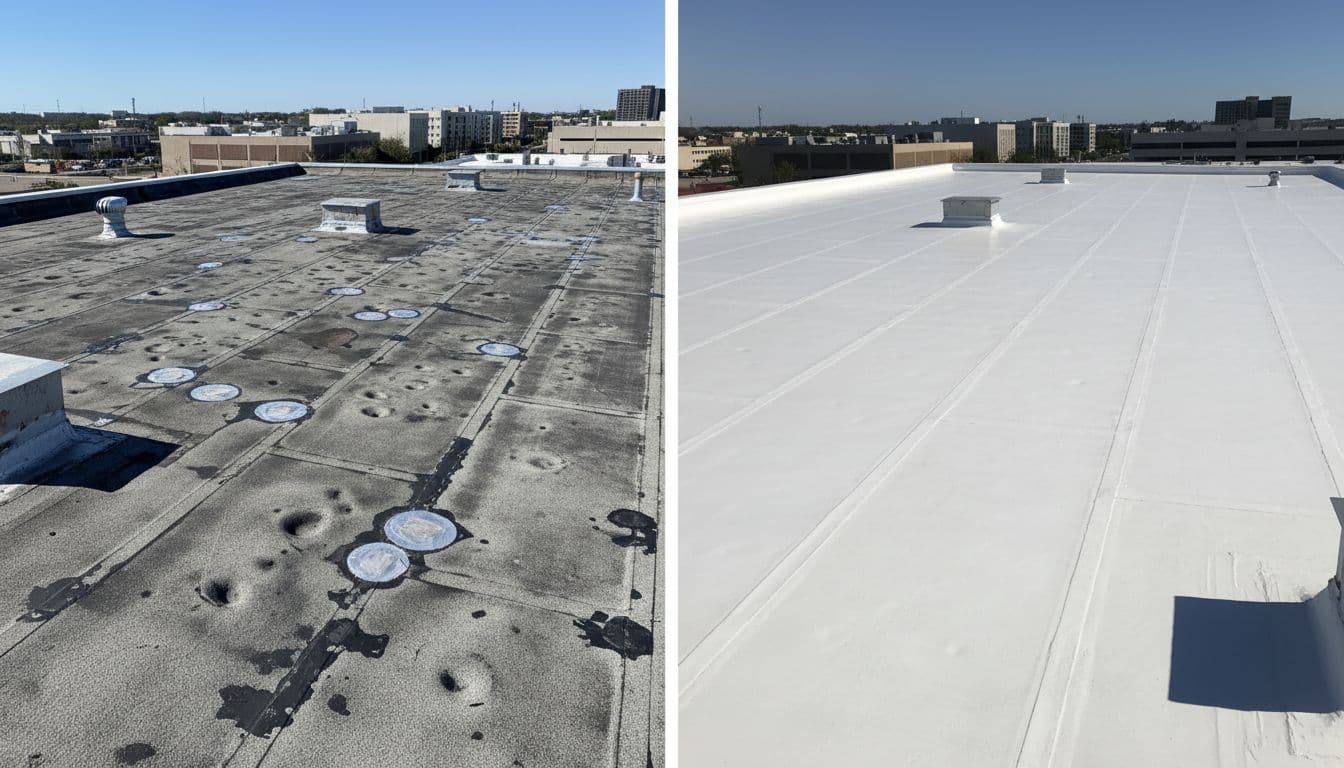
A full replacement makes more sense when the damaged slope is only the part you can see. Hail can bruise single-ply membrane, split seams, crack flashing, or crush insulation below the surface. If repairs leave a patchwork roof with mixed ages and weak tie-ins, commercial roof replacement is often the lower-risk choice.
If the roof is already near the end
Age changes the math fast. If the roof already shows ponding, open seams, shrinkage, or repeated service calls, fixing one slope may only delay a bigger failure.
If moisture spread beyond the visible hit area
Once water gets into insulation or decking, the issue stops being cosmetic. At that point, your commercial roof needs repair at minimum, and sometimes more than repair.
Visible hail marks matter, but hidden moisture is what usually turns a repair into a replacement.
Step-by-Step
1. Document the damaged slope
Take dated photos from safe locations. Capture dents, membrane marks, flashing, rooftop units, drains, and any new ceiling stains inside. Good records help with scope, claims, and later comparisons if leaks appear.
2. Get a real commercial roof inspection
Have a roofer inspect more than the obvious slope. A good inspection checks seams, flashings, penetrations, insulation moisture, and any soft spots that suggest water below the surface.
On low-slope systems
A hail damaged roof can leak far from where hail hit, so surface marks alone never tell the whole story.
3. Compare repair cost to remaining roof life
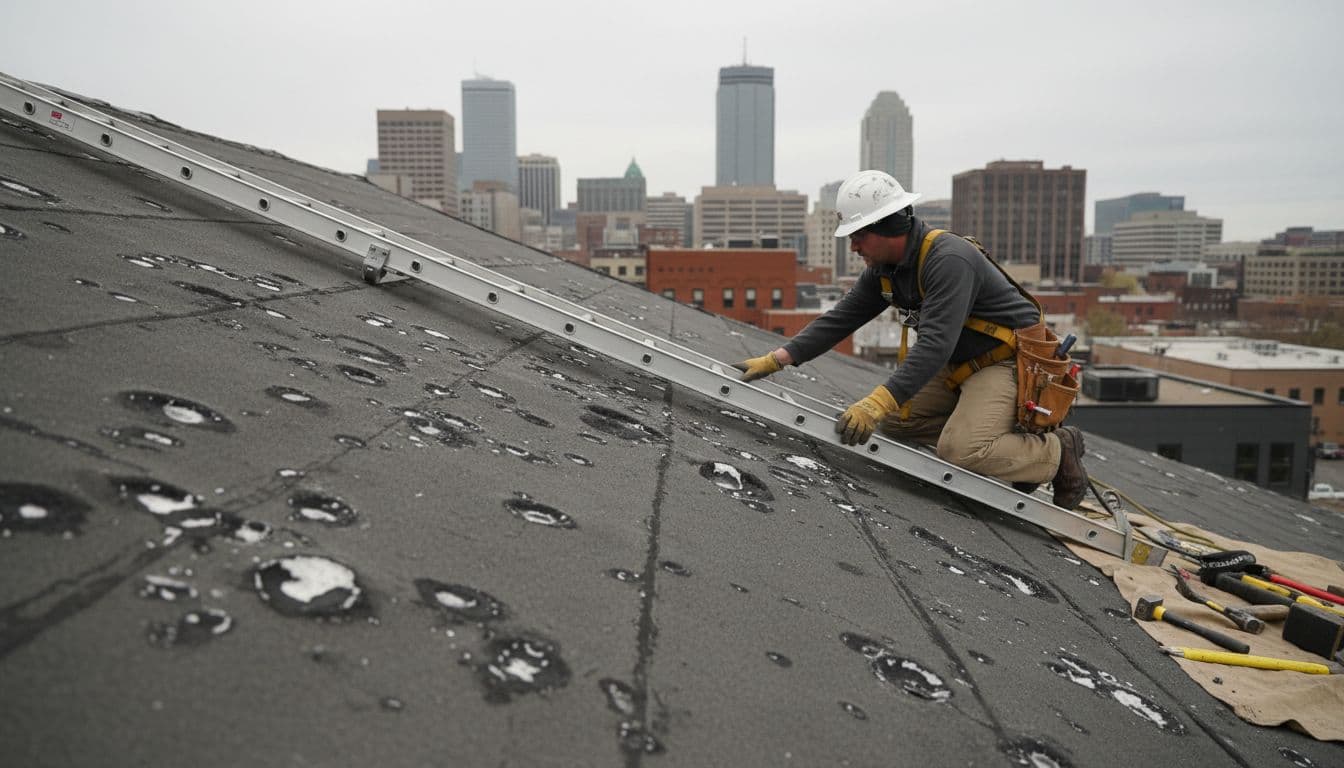
Don’t compare repair cost to replacement cost alone. Compare it to how many useful years the roof has left. If a repair buys ten solid years, it may be smart. If it buys one or two, you’re probably paying to revisit the same issue soon.
Ask one business question
Will this scope reduce future service calls and business risk, or just postpone them?
4. Choose the least risky scope
If damage is isolated, approve a targeted repair or partial section replacement. If the scope keeps growing, the insulation is wet, or the roof already shows age-related wear, talk with a Saint Paul commercial roofing contractor about materials, phasing, and how to protect operations during the work.
5. Re-check after the first rain
Even when a small repair makes sense, schedule a follow-up after the next storm. New stains, trapped moisture, or recurring leaks tell you the first repair area was too small. Catching that early protects your building and budget.
FAQ After Hail Hits One Roof Slope
Can I replace just one slope on a commercial roof?
Yes, if the rest of the roof is dry, stable, and compatible with a tie-in. If matching materials or tying membranes together creates weak points, broader work may be safer.
Will insurance cover only the damaged slope?
Often, yes. Insurance usually pays for storm damage, not old age or poor upkeep. Clear photos, moisture findings, and a clean cause map make that decision easier.
If code upgrades are triggered
Local code work can expand the scope, which may affect both pricing and claim value.
What if there’s no leak yet?
Don’t wait for one. Hail can bruise membrane or crush insulation before water shows up inside. Early action keeps a small problem from spreading.
Does metal roofing change the decision?
Yes. Cosmetic dents on metal don’t always justify replacement. Punctures, broken seams, loose fasteners, or coating loss are different because they can lead to leaks and corrosion.
How fast should I act after the storm?
Move within days, not months. Quick inspection protects your claim window and helps stop interior damage before it starts.
Bottom Line for Business Owners
Replace based on condition, not just the storm map
If hail hit one slope, don’t assume you need a whole new roof, and don’t assume a patch is enough. The right answer depends on roof age, hidden moisture, membrane condition, and how well a repaired area will tie into the rest of the system. In short, data beats guesswork every time.
Need a roof inspection in Saint Paul or the Twin Cities? Call Sellers Roofing Company at +1-651-703-2336 or schedule a free estimate. We are a black-owned, NMSDC-certified MBE roofing contractor with 9+ years experience.