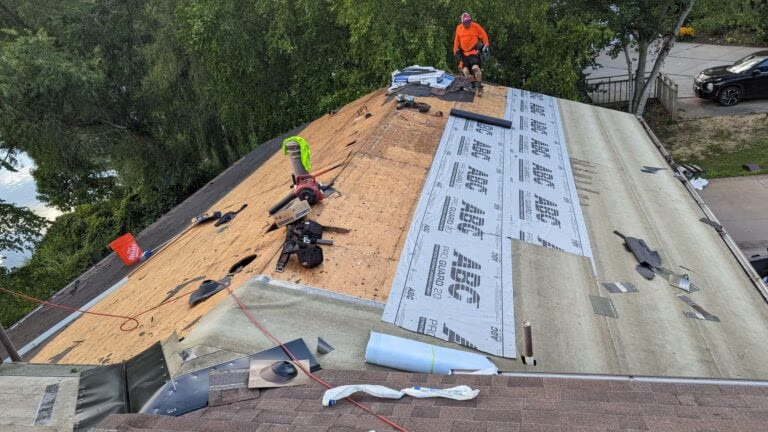
Last updated: 2026-09-03 by Ted Sellers, Owner
After ice storm roof damage, protect people and the interior first, document conditions, open a claim promptly, and arrange a qualified roof inspection. Do not climb onto ice-covered roofing or approve permanent work before the cause and scope are documented. Temporary dry-in work is appropriate when water is entering.
An ice storm can damage a roof without blowing off a single shingle. Ice dams force meltwater uphill beneath asphalt shingles. Heavy snow and refreezing can stress flashing, gutters, roof edges, and skylights.
The right order matters. A tarp can stop the immediate leak, but it can’t tell you if the roof needs a small repair or a larger replacement.
Key Takeaways
What to do first
- Keep people away from icy roof edges, sagging ceilings, and wet electrical areas.
- Photograph ice, roof edges, interior stains, damaged materials, and the date of discovery.
- Use temporary protection to stop active water, then save every receipt and work record.
- Start a roof insurance claim with facts, not guesses about the full cause.
- Get a written inspection scope before approving permanent repairs.
When Ice Storm Roof Damage Applies
Signs the storm created a roof problem
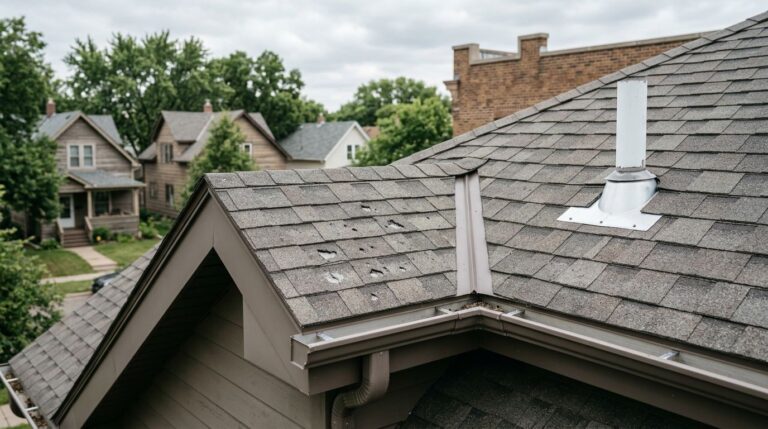
Ice storm roof damage applies when a recent event causes a new leak, visible ice dam, bent flashing, broken vent, damaged skylight, missing shingles, or ceiling stain. It also applies when snow and ice weight creates a visible sag, although that requires urgent professional review. Storms can deliver more than ice; if a strike was involved, follow the steps for what to do after lightning strikes your roof.
A storm damage roof claim may include interior water damage if a covered event opened the roof system. Coverage often gets harder when the carrier finds long-term seepage, old wear, poor attic ventilation, or deferred maintenance instead.
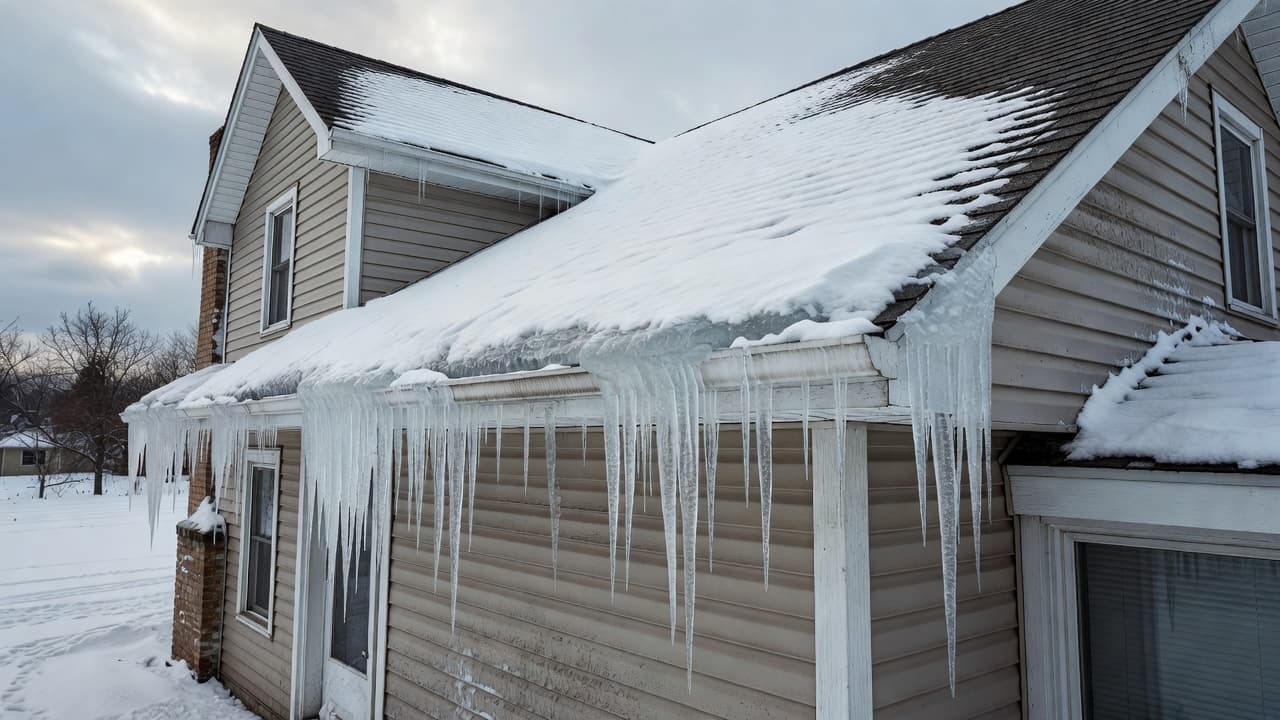
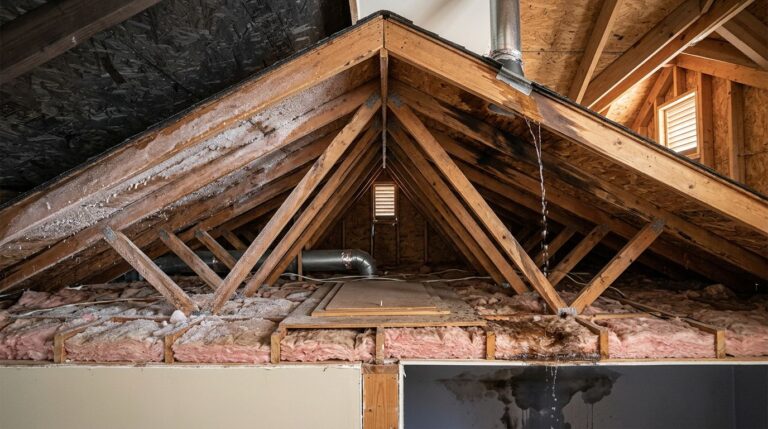
Ice dams are common on heated Minnesota homes. Heat escaping into the attic melts roof snow. Water runs to the cold eave, freezes, and builds a ridge that traps more water. The water then works under shingles, underlayment, and flashing.
A ceiling stain marks where water came out, not always where it entered the roof.
This guidance does not replace emergency response for a collapsed ceiling, exposed wiring, or a roof that appears structurally unsafe. Leave the building area if needed and call emergency services.
Step-by-Step After an Ice Storm
1. Stop the immediate risk without climbing the roof
Move furniture, electronics, and stored items away from active drips. Use containers for water, cover contents with plastic, and shut off the affected circuit if water is near a light fixture or outlet.
Do not chip ice with an axe, pry shingles loose, or send a family member onto a slick roof. Ice dam removal needs safe access and the right equipment. If water is entering now, Call 651-703-2336 for 24/7 Emergency Roofing for temporary protection.
2. Create a time-stamped record before conditions change
Photograph the roof from the ground. Capture icicles, ice ridges, bent gutters, fallen branches, roof debris, and exterior damage. Inside, photograph each stain, bubbling paint area, wet insulation, and damaged personal property.
Write down when you first saw the leak and what weather occurred beforehand. Keep damaged shingles, metal pieces, wet ceiling tiles, or insulation samples if they can be stored safely. Do not discard evidence before it is photographed.
3. Report the loss using a cause-based description
Call your insurer and open the roof insurance claim yourself. State what you know: “An ice dam formed after the storm, and water entered through the roof.” Avoid saying the roof is a total loss before an inspection supports that conclusion.
Ask for the claim number, adjuster’s name, and instructions for emergency mitigation. Save emails and keep notes from every call. Policy terms control coverage, but ice dam insurance claim guidance can help you prepare the questions to ask.
4. Arrange an independent roof inspection
A trained Saint Paul roofing crew can inspect shingles, flashing, gutters, attic conditions, and hidden water paths. Ask for photos and a written scope that separates fresh ice damage from existing wear.
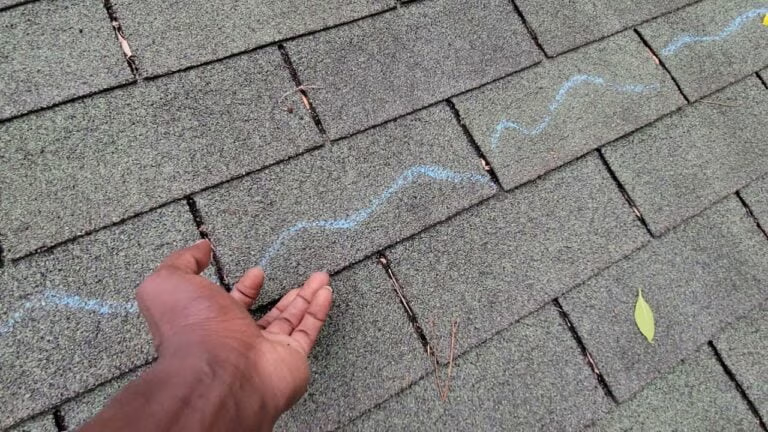
On a house, inspectors look for lifted or cracked asphalt shingles, damaged underlayment, split pipe boots, and distorted flashing. On a metal roofing system, they check seams, fasteners, panel edges, and snow-retention hardware.
For a documented repair path, Get a Free Residential Roof Estimate. The inspection should explain whether targeted residential roof repair is enough or whether residential roof replacement is the more honest scope.
5. Keep mitigation temporary until the scope is clear
A professional tarp, controlled snow removal, interior drying, and limited emergency sealing can prevent the loss from growing. Keep invoices for each action. A reasonable dry-in effort often supports the claim because it limits added water damage.
Do not authorize a full reroof, tear out wet materials, or cover damage with permanent sealant before documentation. Permanent work can erase evidence of fresh openings, wet decking, or moisture spread. Ice dam claim pitfalls often start with weak records or unclear policy language.
Decide Between Repair, Restoration, and Replacement
Match the work to the actual failure
One damaged flashing section or a limited ice-dam leak may call for residential roof repair. Broad shingle breakage, repeated leakage, rotten decking, or multiple damaged slopes can support residential roof replacement.
A hail damage roof requires its own inspection. Hail can bruise shingles, dent soft metals, crack skylights, and damage roof accessories even when an ice storm caused the later leak. The claim file should separate the dates and conditions.
For older roofs, ask whether repair materials match the existing system and whether the repair restores water shedding. A patch that traps water can become next winter’s failure point.
Ice Storm Claims on Commercial Roofs
Low-slope roofs need leak tracing, not guesswork
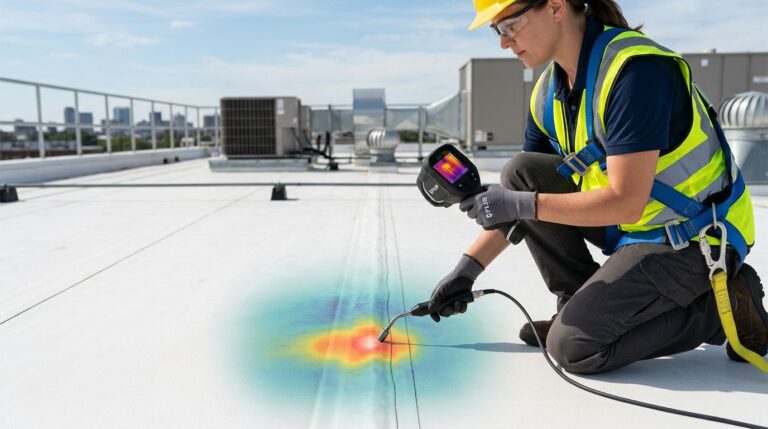
Commercial owners in Saint Paul, Minneapolis, and the wider Twin Cities roofing market face a different water path. On a commercial flat roof, a ceiling drip may be several feet from the opening.
TPO roofing and EPDM can fail at seams, terminations, drains, or perimeter flashing. Modified bitumen and BUR systems can develop torn plies, failed laps, blisters, or wet insulation below the surface. A commercial roof inspection should identify the membrane type, moisture spread, and likely point of entry.
Commercial roof leak detection can show whether a small visible split caused a larger hidden loss. Localized commercial roof repair may work when insulation remains dry. Widespread saturation may move the project toward commercial roof replacement.
Commercial roof restoration and commercial roof coatings can extend a sound, aging membrane. They do not fix saturated insulation, active seam failure, or a damaged deck. Property owners can Get a Free Commercial Roof Inspection before deciding on repair, restoration, or replacement.
Work With a Contractor Who Documents the Facts
Credentials and records matter after a storm
Ask for license information, system experience, photos, measurements, and a written scope. Minnesota roofing work after a storm needs clear communication because an insurer may inspect before hidden conditions are visible.
Sellers Roofing Company has completed more than 1,100 roofs since 2017 and works from 801 Transfer Road in Saint Paul. Homeowners and property managers can review the company’s Saint Paul roofing services when comparing repair options.
For union-built roofing, ask whether crews include IUPAT Local 96 roofers and whether the contractor is GAF certified. Sellers Roofing Company holds MN License 803862 and works with IUPAT Local 96, Carpenters Local 322, and Laborers Local 563.
Protect the Roof Before the Next Freeze
The strongest claim file is built early
An ice dam can look like a gutter problem, then reveal wet insulation and damaged ceilings days later. Protect the interior, document the roof before it changes, and keep permanent repairs on hold until the inspection defines the scope.
A clear file gives you a better basis for discussing repair, replacement, and coverage. Proof of cause and extent carries more weight than a quick opinion from the ground.
Frequently Asked Questions
Will insurance pay for ice dam removal?
It may pay for resulting covered damage, but removal itself is not always covered. Read the policy and ask the carrier before treating removal as a claim expense.
Can I remove snow from my roof myself?
Ground-based roof raking can be safer than roof access, but it can still damage shingles and gutters. Never work beneath falling ice or near power lines.
What if my roof had old repairs before the storm?
Prior repairs do not erase a new loss. The inspection should separate old wear from fresh storm-created openings and water damage.
How long can a tarp stay on a roof?
Only as long as it remains secure and weatherproof. Check it from the ground after wind or snow, and replace it if it sags, tears, or lifts.
Can an ice storm damage a commercial roof without a visible leak?
Yes. Freeze-thaw cycles can open seams and flashing before water reaches the interior. TPO, EPDM, modified bitumen, and BUR roofs need system-specific inspection after severe weather.
Need a roof inspection in Saint Paul or the Twin Cities? Call Sellers Roofing Company at +1-651-703-2336 or schedule a free estimate. We are a black-owned, NMSDC-certified MBE roofing contractor with 9+ years experience.