Last updated: 2026-08-01 by Ted Sellers, Owner
Inspect your roof as soon as conditions are safe, ideally within 24 hours, and schedule a professional roof inspection after high winds within 1 to 3 days for a commercial building. Fast action helps catch lifted seams, flashing damage, hidden punctures, and trapped moisture before they turn into leaks, tenant issues, or a larger repair bill.
When This Applies
If you own or manage a commercial building
This advice fits business owners, facility managers, and property teams responsible for warehouses, offices, schools, retail centers, and multi-tenant buildings. A roof inspection after high winds matters most on flat and low-slope roofs because wind attacks edges, corners, seams, flashing, and rooftop equipment first.
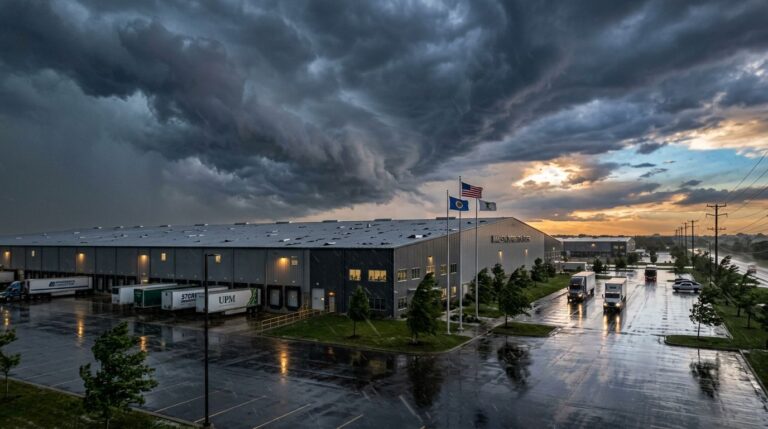
Think of wind like a hand pulling at every weak spot at once. One small opening can let water move sideways through insulation, then drip far from the real damage. That’s why many owners call Sellers Roofing’s commercial team before they ever see an active leak.
When it doesn’t apply, and the exceptions that do
This timeline doesn’t mean you should climb onto the roof during lightning, ice, or while debris is still moving. It also doesn’t mean every breezy day calls for an emergency visit. If the wind event was mild and nothing changed inside or outside the building, a check within a few days is often enough.
If the roof is older, patched often, or already leaking
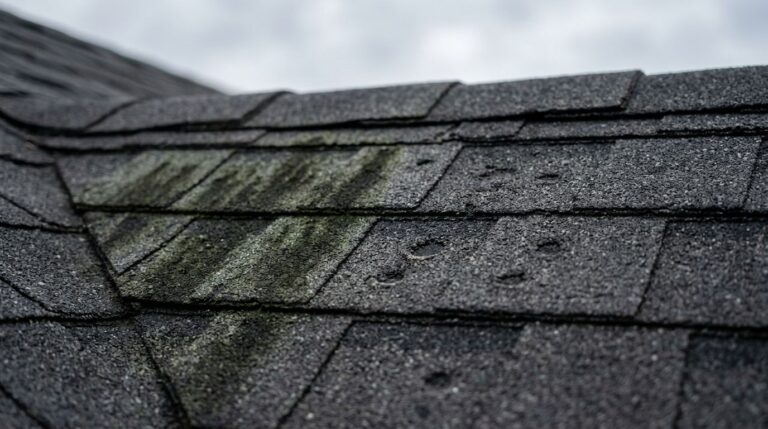
Age changes the risk. An older membrane, loose edge metal, or past leak history makes wind damage spread faster. In Minnesota, high winds often come with rain or hail, which raises the odds of hidden moisture. Some buildings only need commercial flat roof repair. Others move closer to commercial roof replacement once seams open, flashing pulls loose, or insulation gets soaked.
If metal edging shifted, membrane lifted, or water entered the building, assume the commercial roof needs repair until a roofer says otherwise.
What High Winds Usually Damage
The first weak spots to check
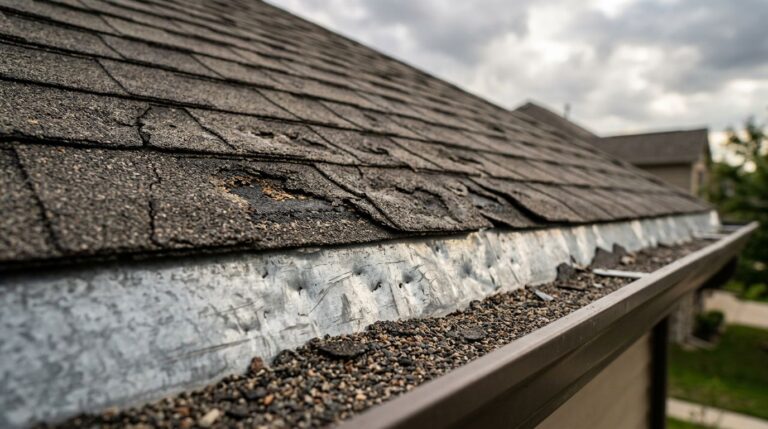
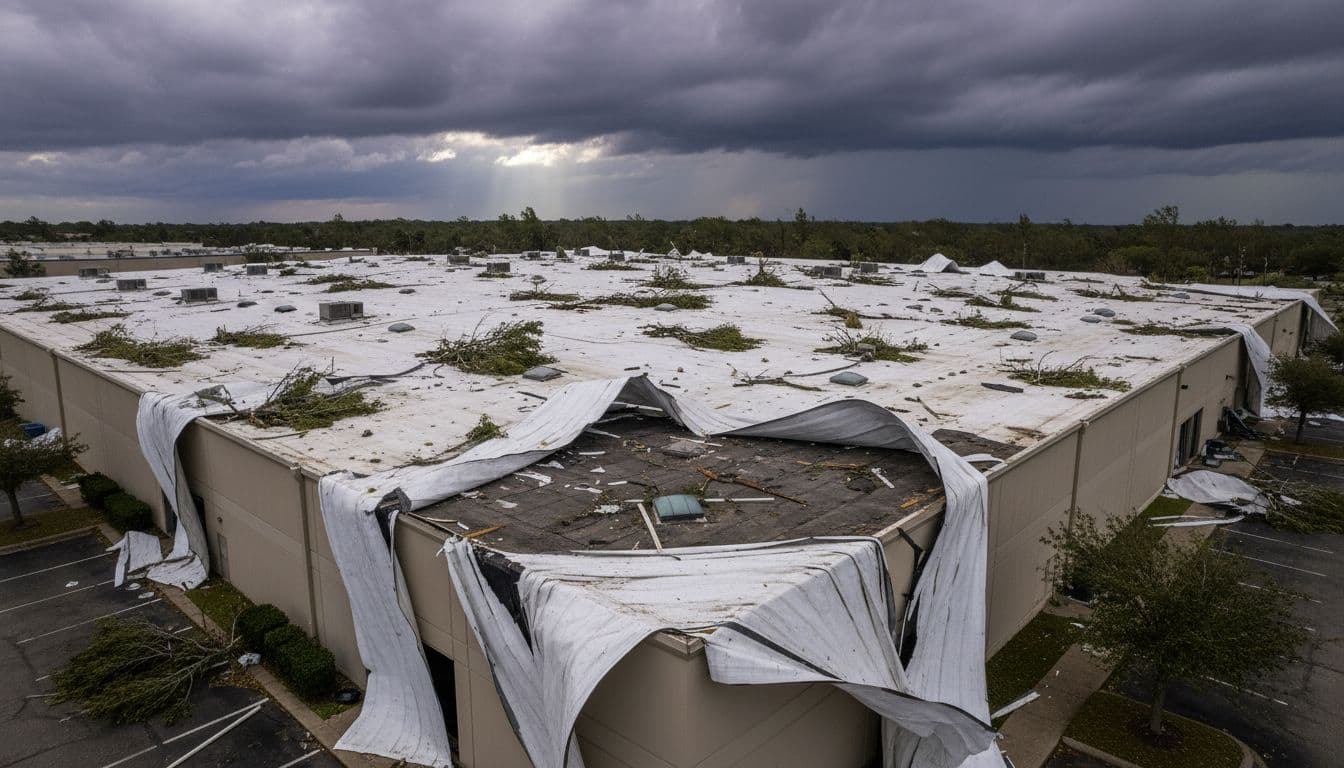
On commercial roofs, wind rarely damages every square foot. It usually hits the perimeter first, then corners, then anything that sticks up. That means coping, flashing, seam lines, rooftop unit curbs, and metal trim deserve the first look. Debris can also puncture the membrane or clog drains.
Why flat roofs can hide trouble
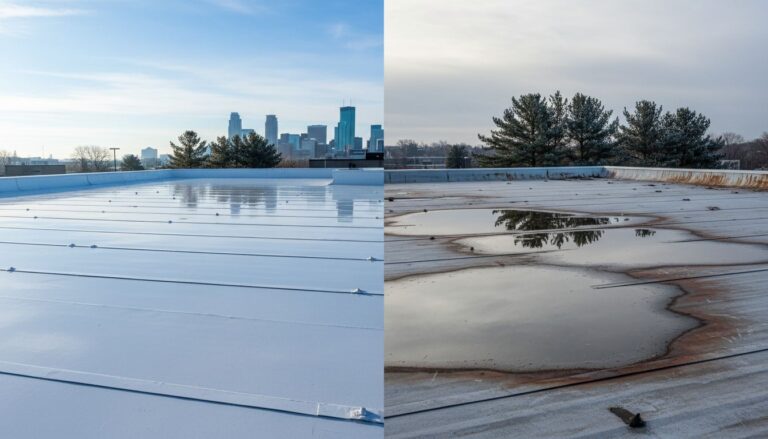
A low-slope roof can look fine from the parking lot and still have lifted seams or wet insulation. Water often travels under the surface before it shows indoors. That’s why a delay can be costly. What seems like a small wind event on Monday can become a leak, mold issue, or damaged stock by Friday.
Step-by-Step
Use this order once the storm passes
- Check the inside first. Walk the top floor, ceiling lines, and mechanical rooms. Look for stains, drips, damp insulation, musty smells, blown-in debris, or puddles near rooftop units. Interior clues often appear before exterior damage looks serious.
- Inspect the building perimeter from the ground. Scan for bent coping, loose metal, fallen branches, displaced HVAC covers, or debris piled near drains. If your staff isn’t trained for roof access and fall protection, don’t send them up.
- Document everything before cleanup. Take wide shots and close-ups, note the storm date, and keep a record of tenant complaints or service interruptions. This commercial storm damage safety checklist is useful if you need a simple way to organize photos and notes.
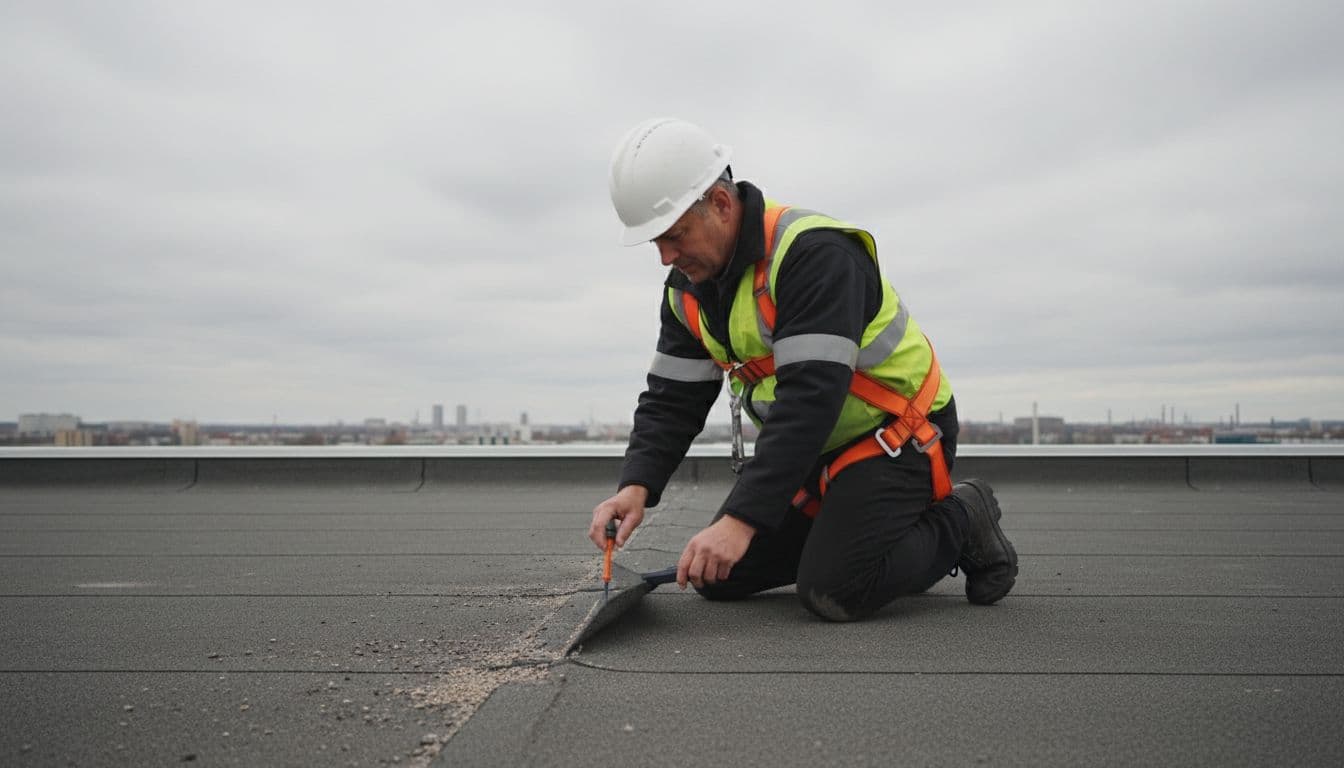
- Schedule a professional inspection within 1 to 3 days. A roofer should check seams, penetrations, drains, flashing, edge metal, and any lifted membrane. If water may have moved under the roof system, ask for commercial roof leak detection after high winds so the source isn’t missed.
- Protect the building right away if water is entering. Move stock, cover exposed equipment, and use temporary containment inside. Quick action limits damage to ceilings, inventory, wiring, and business operations while you wait for the full repair plan.
- Choose the repair path based on damage, not hope. A small split may need a targeted repair. Wide membrane lift, repeated failures, or soaked insulation can make patching a short-lived fix. In those cases, replacement may save money over repeated emergency calls.
FAQs After High Winds
What if I don’t see any leaks inside?
You can still have damage. Wind often loosens seams, flashing, or edge metal first, and water may not show up until the next rain, thaw, or rooftop service visit.
Can my maintenance team handle the inspection?
A basic ground check is fine. A roof walk is different. Use trained staff with proper safety gear, or bring in a commercial roofer.
If you have rooftop equipment
Pay close attention to curbs, penetrations, and service lines. Wind often opens those spots before it tears larger roof areas.
How fast should I act if rain followed the wind?
Treat it as same-day. Rain turns hidden damage into active water entry, and the repair cost can climb quickly once insulation gets wet.
Will insurance want documentation right away?
Usually, yes. Photos, dates, weather notes, and emergency invoices help show what happened and when. This storm damage checklist for commercial roofs can help you build a cleaner file.
Should I wait to see if the roof leaks again?
No. That’s like hearing a brake grind and waiting for the next trip to confirm it. Small wind damage rarely gets cheaper with time. High winds don’t need to tear off half the roof to cause major trouble.
For most commercial buildings, the best window is within 24 hours when safe, then a professional visit within a few days. Quick photos, fast containment, and a thorough inspection keep a manageable problem from turning into soaked insulation or a bigger capital expense. In short, speed protects the roof, the building, and your budget.
Need a roof inspection in Saint Paul or the Twin Cities? Call Sellers Roofing Company at +1-651-703-2336 or schedule a free estimate. We are a black-owned, NMSDC-certified MBE roofing contractor with 9+ years experience.