Last updated: 2026-08-01 by Ted Sellers, Owner
Yes, you can upgrade roofing materials during a Minnesota insurance claim, but the insurer usually pays only for like-kind replacement or code-required changes tied to the covered loss. If you choose a better membrane, thicker insulation, or a different system, you usually pay the difference. Hidden damage can justify a larger scope, not a free upgrade.
When This Applies
Who can usually upgrade during a commercial roof claim
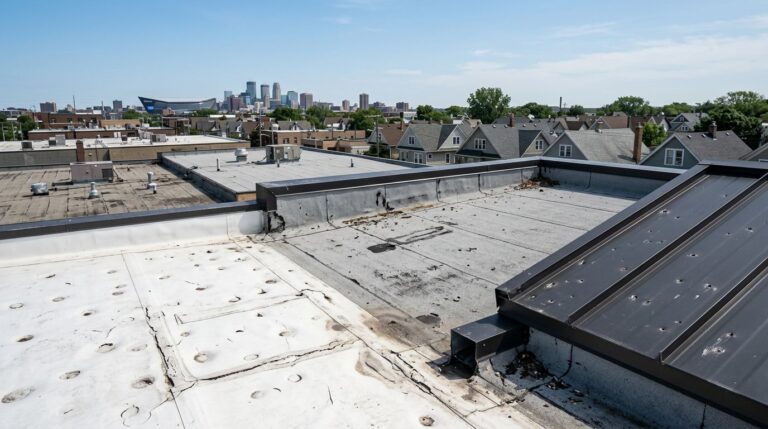
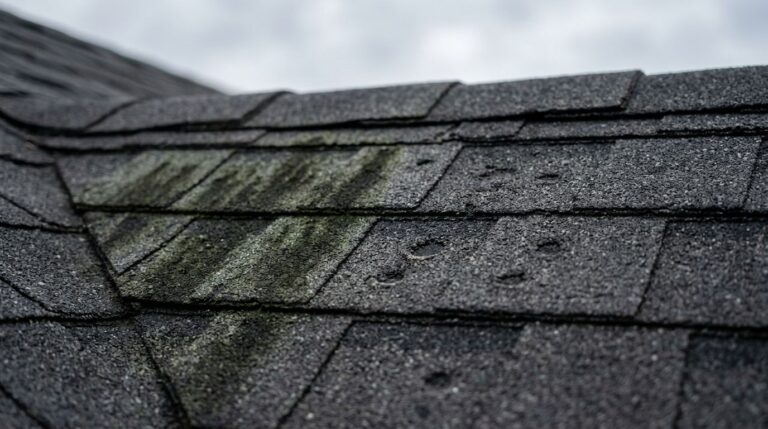
This applies to commercial property owners after hail, wind, falling debris, or a sudden leak that triggers a covered loss. It’s most common on low-slope buildings where the first inspection misses wet insulation, damaged edge metal, or failed seams.
If your building has TPO, EPDM, modified bitumen, or metal roofing, the same rule holds. You can approve better materials, but the carrier pays for what the policy owes, not what you’d prefer.
A local contractor should separate storm damage from old wear before you make that call. That’s where Sellers Roofing Company’s commercial roofing team can help, because the repair scope often changes after tear-off or moisture testing.
When it does not apply, and the main exceptions
It does not apply when the added cost comes from elective improvements. If you want a premium membrane, extra insulation above code, or a drainage redesign for an old ponding issue, that cost usually sits outside the claim.
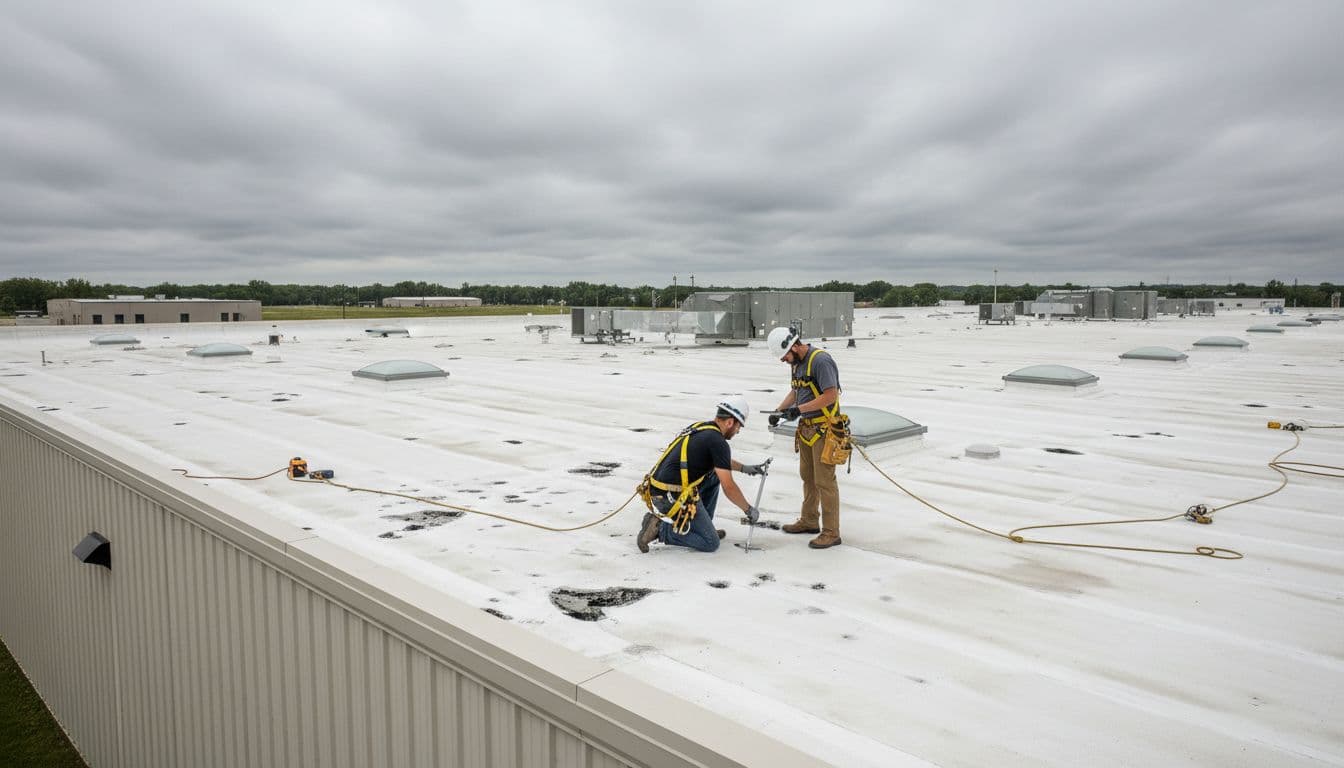
There are exceptions. If code now requires a thicker insulation package, updated edge details, or different attachment methods after a covered loss, the insurer may owe part or all of that added work. The same may happen if the original material is no longer available, or if a repair won’t restore the roof to a sound condition.
When the scope can grow without becoming an “upgrade”
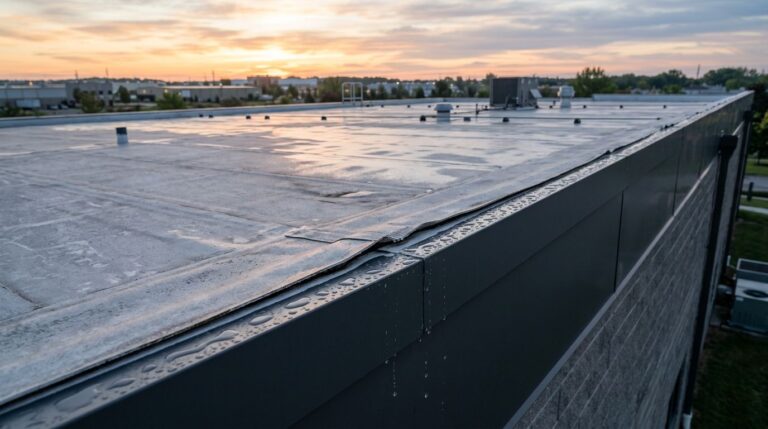
Sometimes the roof opens up and tells a different story. A project that starts as commercial flat roof repair may turn into commercial roof replacement after crews find wide saturation, failed cover board, or damage across multiple sections. That is not padding the claim. It is a scope correction, but only if the extra work ties back to the same covered event.
The key question is not “Can I improve the roof?” The key question is “What part of this added cost comes from covered damage or code?”
Common upgrade choices during a claim
This quick comparison shows where owners often get tripped up.
| Situation | Carrier may pay? | Owner likely pays? | Reason |
|---|---|---|---|
| Same roof system, code-required attachment or edge detail | Often yes | Maybe deductible only | Tied to covered loss and code |
| Better membrane by choice | Usually no | Yes | Elective improvement |
| Hidden wet insulation found after tear-off | Often yes, if documented | Maybe deductible only | Covered damage expanded |
| Drainage redesign for long-term ponding | Usually no | Yes | Pre-existing condition |
| Thicker insulation above minimum code | Rarely | Yes | Upgrade, not required repair |
The takeaway is simple: code-required is different from owner-preferred.
If you want a better roof system than the policy pays for
Many owners use a claim to move from an older membrane to a stronger or more energy-efficient system. That’s allowed. However, the clean way to do it is to split the bill. The insurer pays the approved base scope, and you pay the upgrade difference.
That split needs to stay clear on paper. If the invoice blurs covered work with optional work, the adjuster may question the entire file.
When hidden damage changes the real job
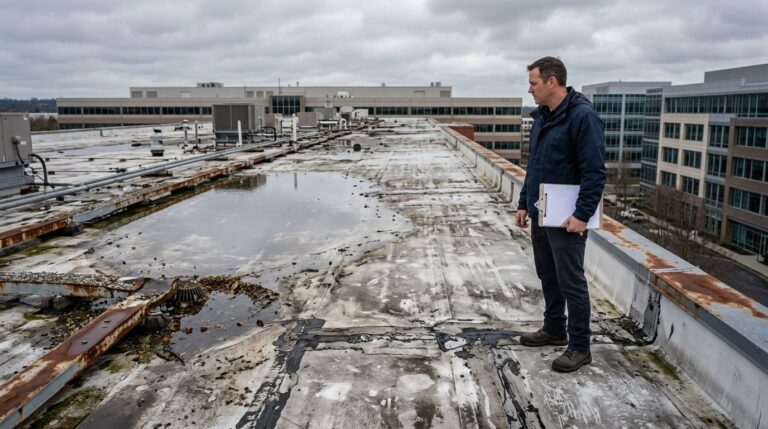
Hidden damage is where many Minnesota claim disputes start. Water on a commercial roof often travels far from the entry point. A ceiling stain may sit nowhere near the failed seam or puncture.
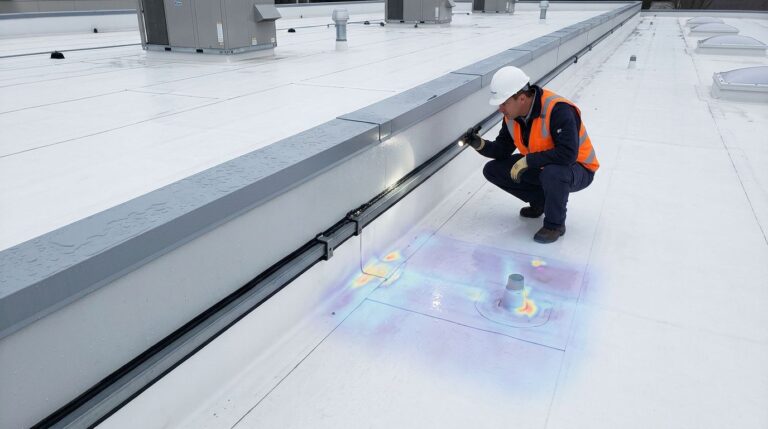
When the leak path is unclear, commercial roof leak detection in Saint Paul can produce moisture readings, photos, and reports that support a supplement. That matters when your insurer says a patch is enough, but the roof deck or insulation says otherwise.
Step-by-Step
1. Compare the approved scope with the roof you want
Start with line items, not the total check. Compare membrane area, insulation thickness, edge metal, flashing, drains, tear-off, disposal, permits, and crane costs. A short payment often comes from missing items, not one bad price.
Then separate two buckets. First, list work tied to the covered loss. Second, list the better materials you want for business reasons. That split keeps your roofing insurance claim in Minnesota clean and easier to defend.
2. Get proof before you ask for more money
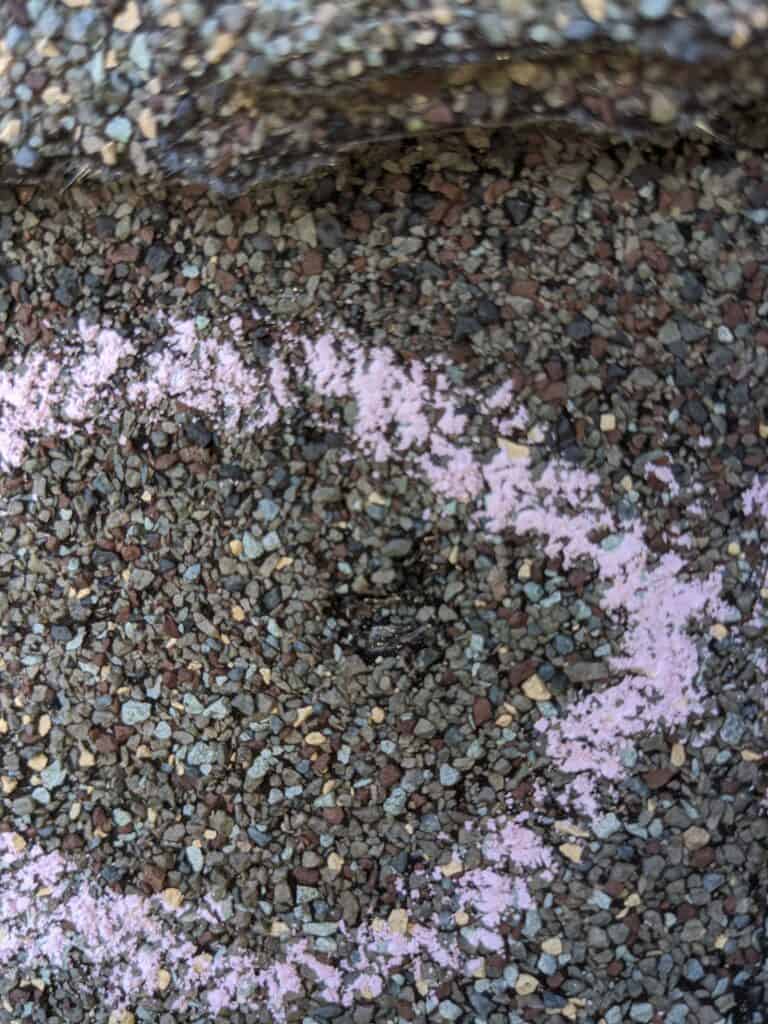
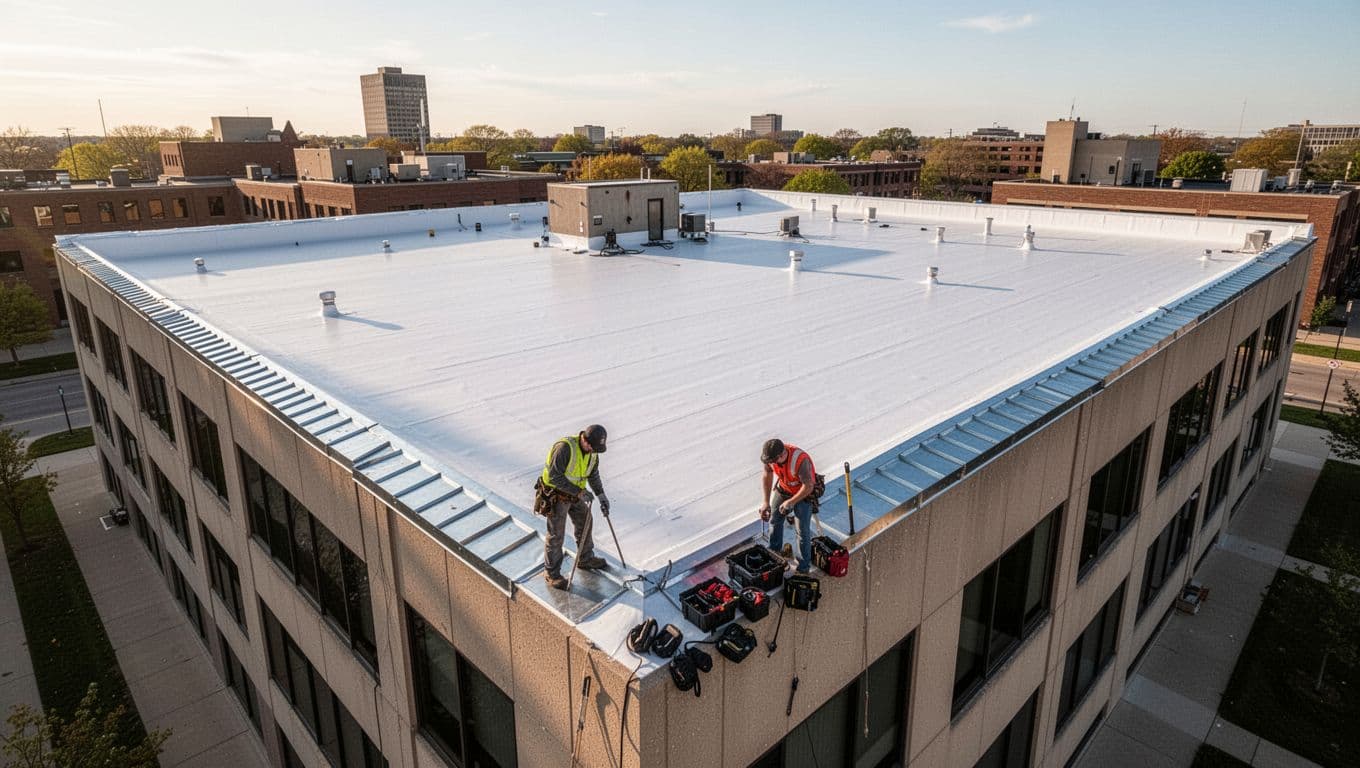
Your contractor should document every added dollar. Good proof includes photos, moisture scans, test cuts, field measurements, and code notes. On flat roofs, that evidence matters because damage often spreads under the membrane before it shows inside.
If prior repairs exist, don’t assume the claim is dead. The carrier still has to show those old repairs caused the current problem. Fresh storm openings, new punctures, or wet insulation from a recent event may still be covered, even if one area is excluded.

If the roof looks repairable at first
A first inspection may suggest spot work. After tear-off, the facts may support something larger. If your commercial roof needs repair in several zones, or if insulation is saturated across a broad area, the claim may shift from repair to replacement. That change needs documentation, not guesswork.
3. Submit a supplement before authorizing full repair
A supplement is the right tool when the first estimate missed covered work. It is not a way to erase your deductible, add unrelated maintenance, or sneak in a premium system.
Send a concise package. Include the contractor’s revised scope, photos, quantities, date of loss, and the reason the original scope no longer fits. Ask for a written response. If the insurer agrees damage is covered but disputes the amount, review whether your policy allows appraisal.
Meanwhile, protect the building. Temporary dry-in, interior protection, and small emergency patches usually help your claim because they show you acted to stop more damage.
4. Decide who pays the difference, then close the file cleanly
Once the insurer approves the covered scope, decide if you still want the upgrade. If yes, have the contractor show the claim-funded work and owner-paid improvements as separate amounts. That keeps accounting clean and helps later if a warranty issue or audit comes up.
This is also the point to pause and ask whether repair still makes sense. A small puncture may justify repair. Repeated leaks, failed seams across the field, or broad wet insulation often make commercial roof replacement the better long-term choice.
Mistakes that make Minnesota roof claims harder
Starting permanent work too early
Emergency mitigation is smart. Full restoration before inspection is risky. Once crews remove membrane or discard wet insulation, you may lose the best proof of what failed and why.
Mixing maintenance with claim work
If one invoice combines storm damage, old curb resealing, drain cleaning, and elective upgrades, the carrier may challenge all of it. Keep maintenance separate from covered repairs.
Comparing only the bottom-line payment
A low check can still be correct if recoverable depreciation comes later. On the other hand, a larger check can still be short if key line items are missing. Always read the scope before you decide the insurer paid enough.
Conclusion
Upgrading roofing materials during a Minnesota claim is allowed, but coverage follows the loss, not your wish list. The insurer usually owes for like-kind replacement, code-required changes, and hidden damage tied to the same event.
Business owners get the best outcome when they separate covered repairs from elective improvements, document hidden damage early, and wait for scope clarity before signing off on permanent work. That keeps the claim fair and keeps you from paying twice for the same roof.
FAQ
Can I switch from an old membrane to TPO during an insurance claim?
Yes, you can choose TPO if you want it. Still, the insurer usually pays only what it would cost to restore the approved roof system, unless code or material availability changes the required scope. You would usually pay the upgrade difference.
Will insurance pay for thicker insulation in Minnesota?
Sometimes. If the added thickness is required by current code after a covered loss, the carrier may owe that portion. If you want extra insulation above the code minimum for energy savings, that added cost is usually yours.
When this becomes a claim issue
This comes up often after tear-off, because crews may find that the existing assembly no longer meets current requirements for the damaged area.
Can a repair claim become a replacement claim?
Yes. A claim can start with a patch scope and later shift if tear-off reveals wet insulation, failed seams, or damage across a much wider section. That change must tie back to the same covered event and be supported with photos, measurements, and moisture data.
What if my insurer says the roof problem is maintenance?
Ask for the written reason and the supporting report. Then compare it with your contractor’s findings, leak records, and storm dates. Even when one area shows old wear, a carrier may still owe for separate fresh damage, interior water intrusion, or emergency dry-in work.
Do I need to wait for approval before any work starts?
No. You should stop active damage right away. Temporary tarps, seam sealing, interior protection, and leak tracing are usually reasonable. Broad tear-off or full replacement should usually wait until the insurer inspects, unless safety or building operations leave no practical choice.
Need a roof inspection in Saint Paul or the Twin Cities? Call Sellers Roofing Company at +1-651-703-2336 or schedule a free estimate. We are a black-owned, NMSDC-certified MBE roofing contractor with 9+ years experience.