Last updated: 2026-08-14 by Ted Sellers, Owner
Short answer: If the roof insurance payout is lower than your contractor’s estimate, don’t accept it as final. Ask for the insurer’s full scope, compare every line item, document missed damage, and submit a supplement. If the gap stays large, Minnesota owners often use appraisal. Missing code-required work is a strong reason to challenge the payment.
When This Applies
When an underpayment is real
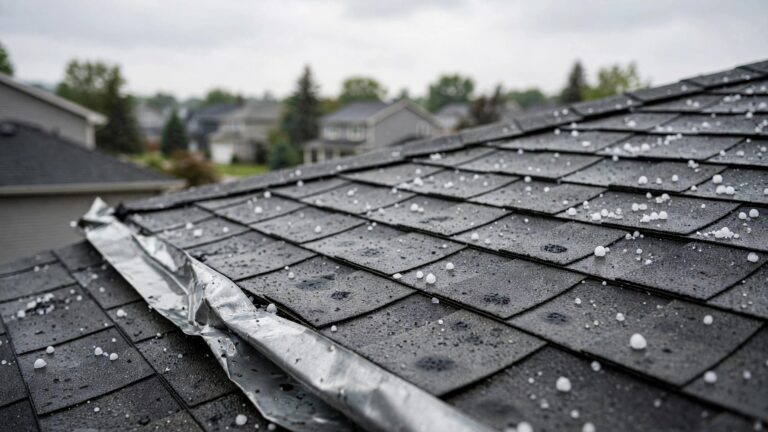
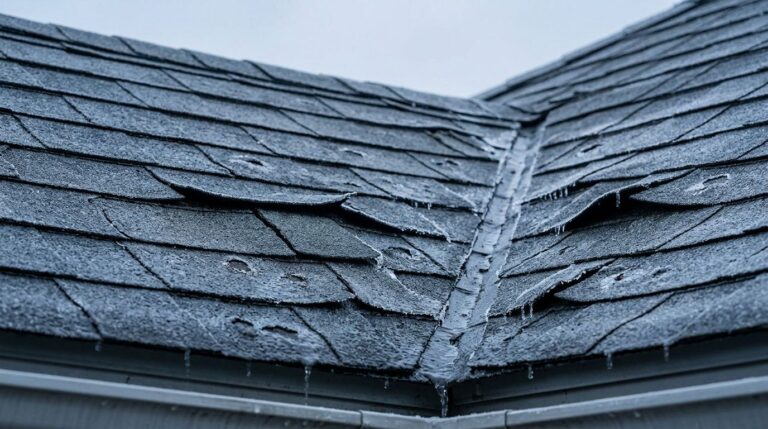
This applies to commercial owners who got a partial approval, but the numbers won’t cover the work. The gap often shows up on low-slope roofs, because wet insulation, edge metal, flashings, and rooftop penetrations add cost fast. When a commercial roof needs repair after hail or wind, the first estimate may miss damage you can’t see from ground level.
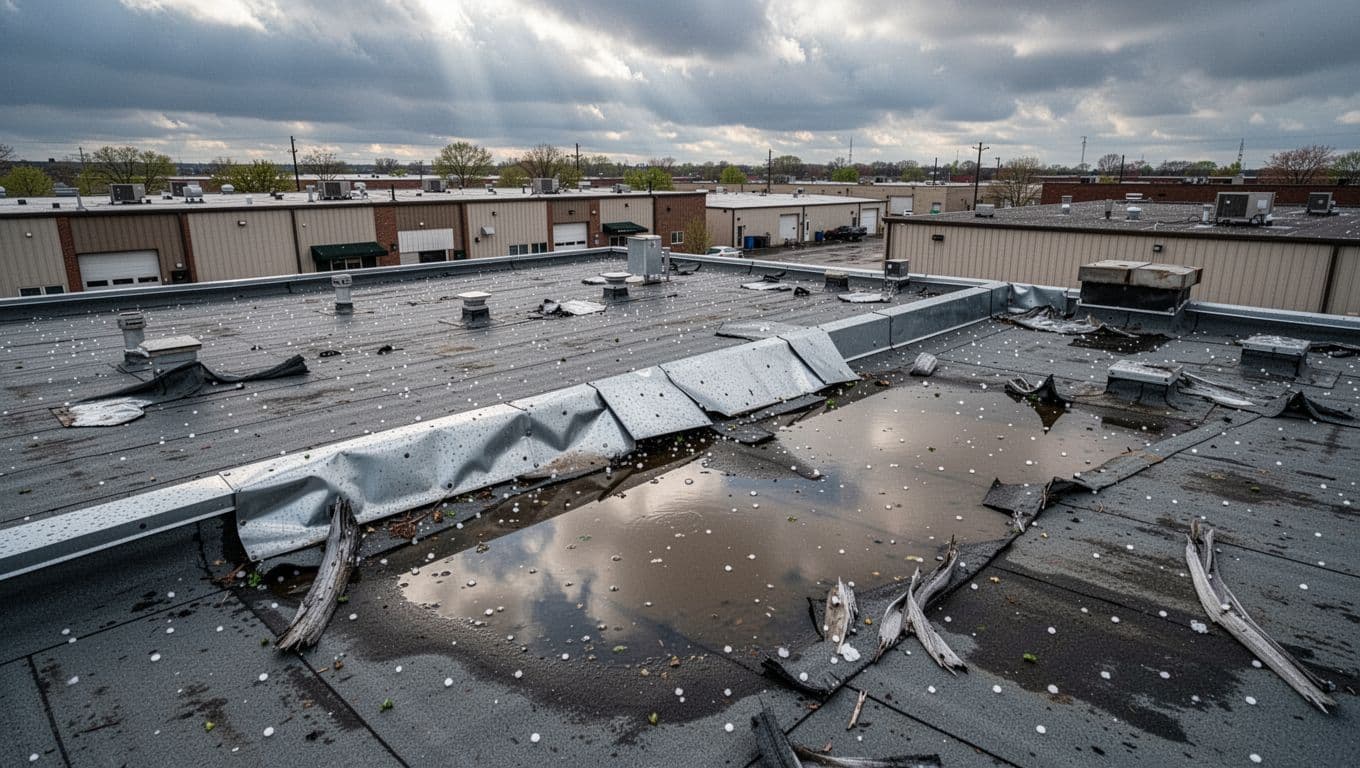
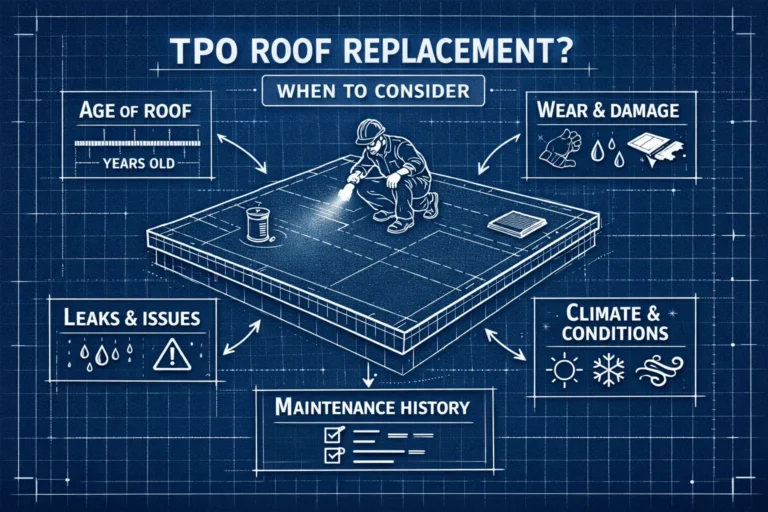
If your roofer found moisture under the membrane, detailed insurance-ready leak documentation can change the claim. That matters when the carrier prices a small patch, but field conditions support broader commercial flat roof repair or even full replacement. Minnesota storm losses have also produced wide claim gaps, with depreciation and scope errors driving many disputes, according to this Minnesota property claims analysis.
When it may not apply
Sometimes the carrier is right. If the deductible is higher than the damage, payment may be low or zero. The same goes for wear, rust, long-term ponding, poor upkeep, or damage outside the policy period. It also doesn’t fit a full denial based on no covered loss, because that is a different dispute.
If the insurer leaves out code work tied to covered damage, the estimate may be incomplete, not merely conservative.
Some Minnesota claims also pay actual cash value first, then release more after completed work. Because of that, a small first check does not always mean the claim is over. Still, if the insurer omits code-required items tied to covered damage, the payment can be too low.
Step-by-Step
1. Compare the scopes, not the totals
Don’t compare only the bottom line. Match membrane squares, insulation thickness, tear-off, edge metal, flashing, drains, crane time, permits, and disposal. A low roof insurance payout often comes from omitted items, not one bad unit price. This is also where the gap between spot work and commercial roof replacement becomes clear.
2. Ask for the full estimate and the written reason for cuts
Get the insurer’s line-item scope and the adjuster’s notes. Then ask why certain items were denied, reduced, or marked as unrelated. Many underpaid claims start with vague summaries, which is why this guide to underpaid insurance claims is useful for spotting common holes.
Check the payment structure
Confirm whether the check reflects replacement cost or actual cash value. If depreciation is recoverable, more money may come after the work is done and documented. Also confirm the deductible, policy limits, and any ordinance or law coverage.
3. Build proof for missed damage and code items
Your contractor should support the estimate with photos, moisture readings, test cuts, and code notes. This matters on TPO, EPDM, and metal roofs, where water can travel before it shows inside. If the carrier says a patch is enough, but your roofer finds wet insulation or saturated cover board, the scope changes.
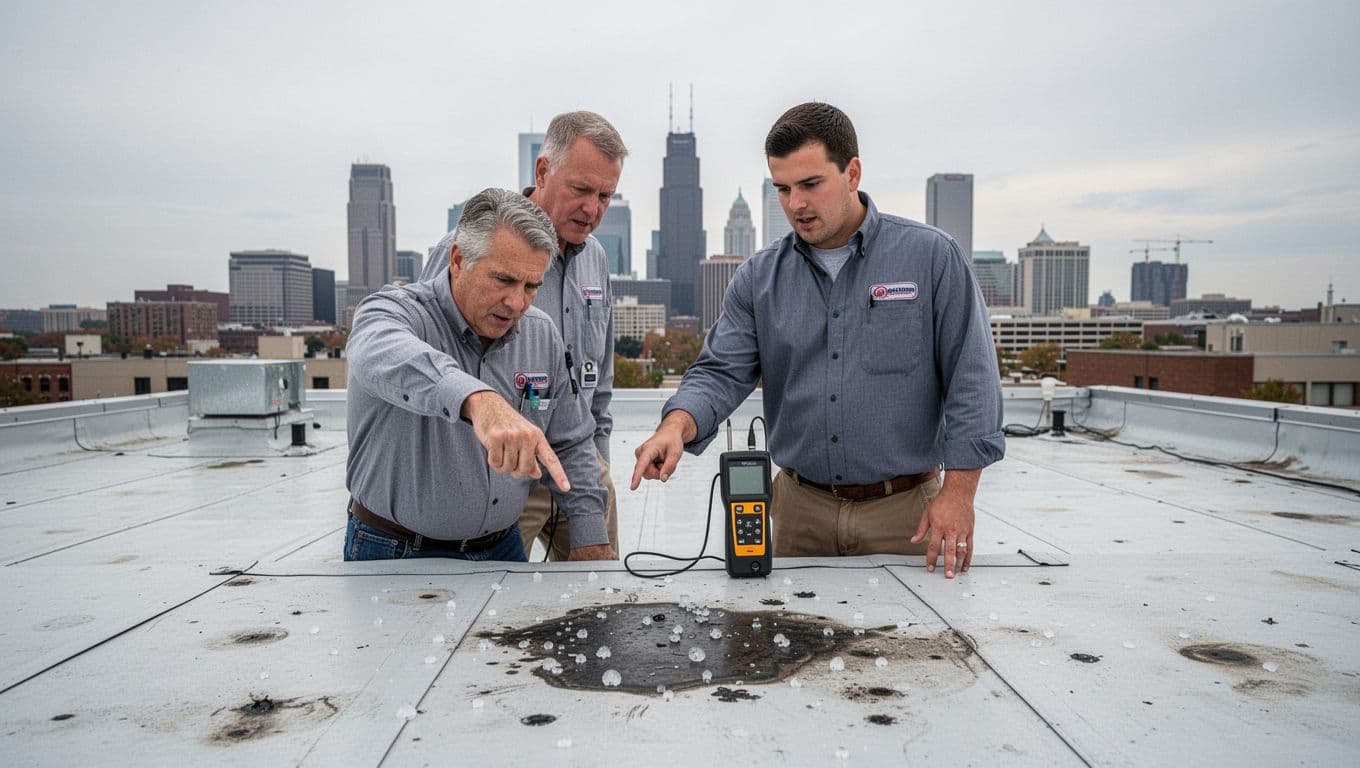
If the cause or extent of damage is still unclear, a second inspection from a Saint Paul commercial roofing team can help sort out whether repair is enough or replacement is the sound option.
4. Submit a supplement, then consider appraisal
A supplement asks the carrier to revise the claim using new proof. Start there, because many underpayments come from missed line items. If the fight remains about price, quantity, or scope, appraisal may be the next move. Minnesota owners often use it when both sides agree there is covered damage but disagree on value, as outlined in this Minnesota claim dispute overview.
5. Hold permanent work until the claim path is clear
Make temporary repairs to stop more damage, then keep every invoice and photo. Don’t sign a final release unless the scope matches the building’s needs. If your contractor shows the roof has aged past repair and the carrier still pushes a patch, ask for a revised scope before work starts.
Conclusion
What to remember
A short roof insurance payout is not the end of the claim. In Minnesota, the strongest response is proof, line-item comparisons, leak data, code support, and a clean supplement.
If the numbers still don’t match the damage, appraisal can move the dispute forward. The goal is simple: pay for the right scope once, not cheap repairs twice.
FAQ
Can I use my own roofer instead of the insurer’s preferred contractor?
Yes. The carrier can suggest vendors, but you can hire your own contractor. That matters when hidden moisture, flashing failure, or membrane damage changes the scope.
What if the first insurance check is made out to my lender too?
That happens often on commercial properties. Your lender may need to endorse the check or control disbursement while the work progresses. Read the loss-payee language and ask the lender what documents it wants.
Does Minnesota require insurance to pay for code-required roof work?
Minnesota claims can include code-driven items tied to a covered loss.
When code changes the amount owed
If damaged roofing materials must be removed, or related components must be replaced to meet code, that can raise the claim value. Your contractor needs to connect the code item to the covered damage.
What if the adjuster says the leak came from wear and tear?
Mixed claims happen. Storm damage may be covered, while old defects are not. Good documentation separates fresh impact, uplift, punctures, or seam failure from long-term aging.
Can I cash the first check and still dispute the amount?
Usually yes, but read the payment letter first. An initial payment is often not a final settlement. Keep the paper trail clean, and don’t sign away your right to seek more.
{“@context”:”https://schema.org”,”@type”:”BlogPosting”,”@id”:”https://roofingexpertsstpaul.com/roof-insurance-underpayment/#article”,”mainEntityOfPage”:{“@type”:”WebPage”,”@id”:”https://roofingexpertsstpaul.com/roof-insurance-underpayment/”},”headline”:”What Happens if Insurance Pays Less Than Your Roof Estimate in Minnesota?”,”description”:”Short answer: If the roof insurance payout is lower than your contractor’s estimate, don’t accept it as final. Ask for the insurer’s full scope, compare every line item, document missed damage, and submit a supplement. If the gap stays large, Minnesota owners often use appraisal. Missing code-requir”,”datePublished”:”2026-05-07T03:27:36″,”dateModified”:”2026-05-07T03:27:38″,”author”:{“@type”:”Organization”,”name”:”Sellers Roofing Company”,”url”:”https://roofingexpertsstpaul.com”},”publisher”:{“@type”:”Organization”,”name”:”Sellers Roofing Company”,”url”:”https://roofingexpertsstpaul.com”,”logo”:{“@type”:”ImageObject”,”url”:”https://roofingexpertsstpaul.com/wp-content/uploads/2025/05/sellers-roofing-logo.png”}},”url”:”https://roofingexpertsstpaul.com/roof-insurance-underpayment/”,”inLanguage”:”en-US”,”about”:{“@type”:”Thing”,”name”:”Roofing, Hail Damage, Storm Repair, Insurance Claims”},”isPartOf”:{“@type”:”Blog”,”@id”:”https://roofingexpertsstpaul.com/blog/”}} {“@context”:”https://schema.org”,”@type”:”WebPage”,”url”:”https://roofingexpertsstpaul.com/roof-insurance-underpayment/”,”speakable”:{“@type”:”SpeakableSpecification”,”cssSelector”:[“h1″,”h2″,”.speakable”]}} {“@context”:”https://schema.org”,”@type”:”FAQPage”,”mainEntity”:[{“@type”:”Question”,”name”:”Can I use my own roofer instead of the insurer’s preferred contractor?”,”acceptedAnswer”:{“@type”:”Answer”,”text”:”Yes. The carrier can suggest vendors, but you can hire your own contractor. That matters when hidden moisture, flashing failure, or membrane damage changes the scope.”}},{“@type”:”Question”,”name”:”What if the first insurance check is made out to my lender too?”,”acceptedAnswer”:{“@type”:”Answer”,”text”:”That happens often on commercial properties. Your lender may need to endorse the check or control disbursement while the work progresses. Read the loss-payee language and ask the lender what documents it wants.”}},{“@type”:”Question”,”name”:”Does Minnesota require insurance to pay for code-required roof work?”,”acceptedAnswer”:{“@type”:”Answer”,”text”:”Minnesota claims can include code-driven items tied to a covered loss.”}},{“@type”:”Question”,”name”:”What if the adjuster says the leak came from wear and tear?”,”acceptedAnswer”:{“@type”:”Answer”,”text”:”Mixed claims happen. Storm damage may be covered, while old defects are not. Good documentation separates fresh impact, uplift, punctures, or seam failure from long-term aging.”}},{“@type”:”Question”,”name”:”Can I cash the first check and still dispute the amount?”,”acceptedAnswer”:{“@type”:”Answer”,”text”:”Usually yes, but read the payment letter first. An initial payment is often not a final settlement. Keep the paper trail clean, and don’t sign away your right to seek more.”}}]}Need a roof inspection in Saint Paul or the Twin Cities? Call Sellers Roofing Company at +1-651-703-2336 or schedule a free estimate. We are a black-owned, NMSDC-certified MBE roofing contractor with 9+ years experience.