Last updated: 2026-08-01 by Ted Sellers, Owner
Table Of Contents:
- EPDM vs Other Roofing Materials: A Comparison
- Introduction
- What Is EPDM Roofing and How Does It Compare to Other Materials?
- What Are the Advantages of EPDM Compared to Other Roofing Options?
- What Are the Disadvantages of EPDM Compared to Other Roofing Materials?
- How Do EPDM and Other Roofing Materials Compare in Terms of Lifespan and Warranty?
- How to Choose Between EPDM and Other Roofing Materials for Your Property?
- What Are the Installation and Maintenance Differences Between EPDM and Other Roofing Materials?
- What Are Customer Experiences and Expert Opinions on EPDM vs Other Roofing Materials?
- Final Thoughts
- Frequently Asked Questions
EPDM vs Other Roofing Materials: A Comparison
Introduction
When it comes to choosing roofing materials for your property, the decision is both critical and complex. As a roofing professional serving homeowners and business owners in the Minneapolis-Saint Paul area, I understand that selecting the best option involves evaluating durability, cost, environmental impact, maintenance requirements, and overall performance in extreme weather conditions.
In today’s market, one material that has garnered significant attention is EPDM (ethylene propylene diene monomer) roofing. Many customers often wonder, “can you put epdm over epdm,” which highlights the common inquiries regarding installation methods and layering options.
Known for its excellent weather resistance and cost-effectiveness, EPDM is frequently compared with traditional materials such as asphalt shingles, metal, and tile roofing.
This comparison is not only about the technical, chemical, and physical properties of EPDM but also about how it performs over time, its installation challenges, and the experiences shared by customers and experts.
In this article, I will explore the specific features of EPDM roofing, discuss its advantages and disadvantages when set against similar roofing materials, and provide a comprehensive evaluation of lifespan, warranty, and maintenance necessities.
By offering you a detailed side-by-side comparison, I aim to empower you with the knowledge necessary to select the roofing material that best fits your property’s needs—whether it is for a commercial building or a residential home.
We will analyze everything from durability and budget impacts to aesthetic appeal and installation difficulties, ensuring that every important factor is considered before making a final decision.
This discussion is designed to be comprehensive and practical, integrating real-world data and personal insights from my years of experience in commercial and residential roofing.
I will also address common customer queries and share expert opinions to help you navigate through the complexities of roof selection in a clear and organized manner. Let’s dive into the world of EPDM roofing and discover how this material measures up against other popular options in today’s market.
What Is EPDM Roofing and How Does It Compare to Other Materials?
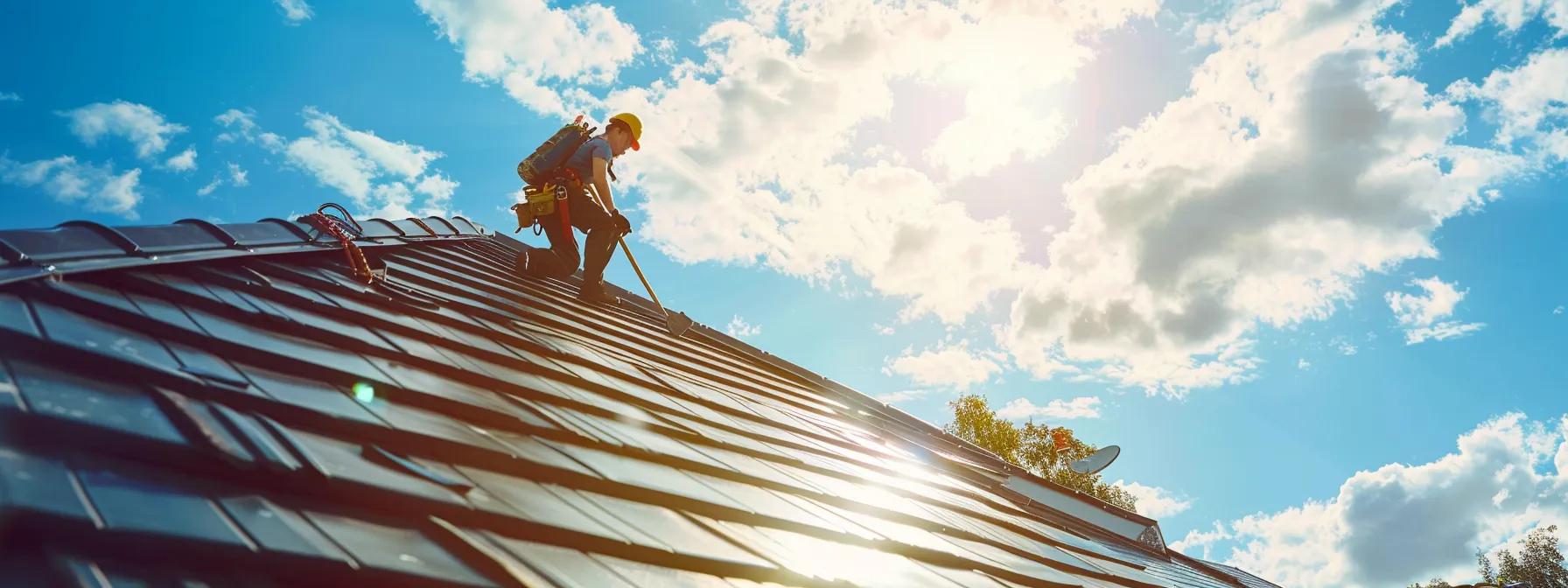
EPDM roofing, which stands for ethylene propylene diene monomer, is a synthetic rubber roofing membrane that has become extremely popular in both residential and commercial applications due to its impressive durability and resistance to extreme weather conditions. In my experience, EPDM roofing offers a unique blend of ease of installation and maintenance flexibility that other traditional roofing materials sometimes lack.
What Are the Key Features of EPDM Roofing?
EPDM roofing is renowned for its high resistance to ultraviolet (UV) light, ozone, and extreme temperature fluctuations. Its synthetic rubber nature also makes it highly flexible, which is beneficial in regions that experience significant thermal expansion and contraction cycles.
The material is available in large sheets, reducing the number of seams and subsequently the risk of leaks. Moreover, EPDM comes in a classic black color—but white or pigmented versions are also available—to help with energy efficiency by reflecting or absorbing solar heat as necessary.
Its longevity is further supported by its exceptional puncture resistance and by its ability to resist weathering without cracking or becoming brittle over time.
How Does EPDM Differ From Asphalt Shingles, Metal, and Tile Roofing?
In comparison to asphalt shingles, EPDM roofing is far more resistant to thermal degradation and can better withstand the impact of hail and high winds. While asphalt shingles may be easier to replace at a minor local damage site, they tend to require more frequent maintenance and are generally less environmentally friendly.
On the other hand, metal roofing is known for its sleek appearance and is exceptionally durable; however, metal roofs can be noisy during rainstorms, require specialized installation techniques, and sometimes present challenges in terms of energy efficiency.
Tile roofing often offers superior aesthetics and excellent fire resistance, yet it is significantly heavier, demanding robust underlying structural support and leading to higher installation costs. EPDM, by contrast, offers a lightweight alternative combined with a simple installation process and reliable waterproofing—all at a competitive price point.
What Are the Common Uses of EPDM in Residential and Commercial Roofing?
Due to its versatile properties, EPDM roofing is frequently used for flat and low-slope roofs. In residential settings, homeowners appreciate its ability to create a continuous barrier that minimizes leaks and reduces energy costs.
Commercial properties, particularly large, flat-roofed buildings, also benefit from EPDM’s extensive coverage capacity and minimal seam requirements, which translate into lower long-term maintenance expenses. Furthermore, many property owners choose EPDM for retrofit projects because it can be installed over existing roofing systems, reducing both material waste and labor costs during roof replacement projects.
What Are the Advantages of EPDM Compared to Other Roofing Options?
EPDM roofing offers a suite of benefits over comparable roofing materials, making it a strong strategic choice for many property owners. The material’s exceptional durability is one of its main strengths, with resistance to UV rays, ozone, and temperature extremes making it a reliable barrier against environmental stresses.
How Does EPDM Perform in Terms of Durability and Weather Resistance?
In my professional experience, EPDM roofing’s resilience is apparent in its ability to last anywhere from 20 to 30 years with minimal performance degradation. This longevity is achieved due to its high resistance to water, punctures, and even hail strikes—conditions that typically compromise other materials. Furthermore, the material’s flexibility allows it to expand and contract without developing significant stress cracks.
This flexibility is particularly critical in areas like Minneapolis-Saint Paul, where winter temperatures drop significantly and summer heat can be intense. EPDM also exhibits excellent resistance to chemical pollutants and debris accumulation, meaning it retains its protective qualities longer than many traditional roofing options.
Why Is EPDM Considered Cost-Effective Compared to Metal and Tile Roofs?
From a cost perspective, EPDM roofing is highly appealing because it combines a relatively low material cost with reduced installation expenses. Unlike metal or tile roofing, which often require labor-intensive installation methods and supplemental structural reinforcement, EPDM is lightweight and can be applied directly over most existing roofs.
Reduced installation time translates into lower labor costs, and the minimal maintenance needs help in reducing long-term expenditures. Many property owners have found that the upfront investment in EPDM is offset by the savings on repair and energy costs over its life cycle—especially significant in climates where heating and cooling demands are constant.
What Environmental Benefits Does EPDM Offer Over Other Materials?
Environmentally, EPDM roofing stands out as a more sustainable option compared to asphalt shingles and metal roofs. The material’s production process involves fewer volatile organic compounds (VOCs) and less energy use than many alternatives.
Additionally, EPDM can often be recycled at the end of its lifespan, and its superior energy efficiency can contribute to reduced building energy consumption. Given the growing regulatory and consumer pressure to adopt greener building practices, EPDM’s lower carbon footprint and enhanced energy performance add important value for both residential and commercial property owners.
Below is a table that compares key attributes of EPDM with other popular roofing materials:
This table illustrates that while each roofing material has its merits, EPDM consistently offers a balance of durability, cost-effectiveness, and environmental benefits without the added burden of heavy weight or high installation complexity.
What Are the Disadvantages of EPDM Compared to Other Roofing Materials?
Although EPDM roofing provides numerous benefits, it is important to consider its drawbacks to form a complete picture. Some property owners find that there are specific challenges associated with EPDM, particularly during installation and in terms of aesthetics.
What Are the Common EPDM Installation Challenges?
One of the primary issues encountered with EPDM installation is the sensitive nature of the adhesive used to bond the membrane to the roof substrate. It requires precise conditions and skilled labor to ensure proper adhesion, as poor installation can lead to air pockets and eventual leaks. Moreover, seams need to be carefully handled since they represent the most vulnerable areas of the roof.
In comparison to mechanically fastened systems used in metal roofing, EPDM primarily relies on chemical adhesives, which sometimes may fail if exposed to extreme moisture during installation. These challenges necessitate hiring experienced contractors who are specialists in EPDM systems to ensure long-term performance.
How Does EPDM’s Aesthetic Appeal Compare to Asphalt and Tile Roofing?
Aesthetics play a significant role in architectural design, and EPDM roofing is often critiqued for its utilitarian appearance when compared to the refined look of clay tiles or the diverse colors available in asphalt shingles.
EPDM is typically available in black or white, which may not meet the visual expectations of some homeowners looking for a more elegant or customized roof finish. In commercial applications, where function often takes precedence, the plain design of EPDM may be acceptable, but in high-end residential contexts, its limited color options might necessitate additional aesthetic treatments or coverings.
What Maintenance Does EPDM Require Compared to Other Roof Types?
EPDM roofing is generally low maintenance, but it still requires regular inspections to catch any early signs of damage around the seams or areas impacted by foot traffic. In contrast, materials like metal roofing usually require little maintenance once installed.
However, EPDM roofs can be susceptible to punctures or cuts if not properly protected, and repairing these flaws may be more complex than patching a conventional asphalt shingle. Regular cleaning to remove debris and prevent the buildup of moss or algae is also recommended.
In this regard, while EPDM offers long-term durability with minimal effort, the occasional need for specialized repair can be seen as a disadvantage when compared to some more robust alternatives.
Below is a detailed list that outlines common EPDM installation challenges and maintenance concerns compared to other materials:
- Adhesive Sensitivity – Installation errors can lead to improper adhesion causing future leaks.
- Seam Vulnerability – Seams require meticulous bonding since these are potential weak spots.
- Aesthetic Limitations – Limited color options may not suit all architectural designs.
- Puncture Risk – EPDM can be damaged by heavy foot traffic or sharp objects.
- Repair Complexity – Specialized repair methods are needed to restore EPDM damage.
- Cleaning Requirements – Regular cleaning is essential to prevent moss and debris accumulation.
- Contractor Skill Dependence – Proper installation demands experienced and knowledgeable installers.
Each of these points highlights specific challenges that, if not adequately addressed, may affect the roof’s long-term performance. Being aware of these issues allows property owners to weigh them against EPDM’s benefits when making a decision.
How Do EPDM and Other Roofing Materials Compare in Terms of Lifespan and Warranty?
When evaluating roofing materials, longevity and warranty options are critical components that significantly impact the total cost of ownership. EPDM roofing typically offers a robust lifespan and competitive warranty conditions that compare favorably with other materials on the market.
What Is the Typical Lifespan of EPDM vs Asphalt, Metal, and Tile Roofs?
EPDM roofs generally have a lifespan of 20 to 30 years, provided that they are installed correctly and maintained regularly. Asphalt shingles, by contrast, have a slightly shorter lifespan, often lasting 15 to 20 years. Metal roofs are known for their exceptional longevity, sometimes lasting 30 to 50 years, while properly installed tile roofs may offer 25 to 50 years of service. In my professional observations, the longevity of EPDM is largely dependent on climate factors, installation quality, and routine maintenance. The flexibility and resistance to environmental stressors make EPDM a reliable long-term option in regions with variable weather.
What Warranty Options Are Available for EPDM Roofing?
Manufacturers of EPDM roofing commonly provide warranties that span between 15 to 25 years, which may include coverage for defects in materials and workmanship, as well as protection against premature aging. While warranties for metal and tile roofing can be more comprehensive and extend for multiple decades, the warranty on EPDM roofing is generally considered reliable when paired with expert installation. It is essential for property owners to review the specific warranty details from manufacturers and to ensure that installation adherence guidelines are met, as warranty validity often depends on strict compliance with installation standards.
How Does Warranty Coverage Affect Long-Term Roofing Costs?
Warranty coverage plays a crucial role in determining the overall investment in a roofing system. For EPDM roofing, the warranty functions as a guarantee of durability and provides peace of mind by reducing the likelihood of unexpected repair costs.
In comparison, while metal and tile roofs might have longer warranty periods, the higher initial cost of these materials can offset some of the long-term savings.
EPDM’s balance of upfront affordability, effective performance, and reasonable warranty conditions make it an attractive option for both residential and commercial properties. Over the roof’s lifespan, a reliable warranty reduces maintenance and replacement costs, contributing to EPDM’s reputation as a cost-effective roofing solution.
Below is a table summarizing the lifespan and warranty characteristics of various roofing materials:
This table demonstrates how EPDM compares with other commonly used roofing materials in terms of lifecycle expectations and warranty guarantees. By considering these factors, property owners can better estimate the long-term costs associated with their roofing investment.
How to Choose Between EPDM and Other Roofing Materials for Your Property?
Choosing the right roofing material is a nuanced decision that should consider various factors, including property type, climate, budget, and aesthetic appeal. In my practice, I’ve found that understanding your unique requirements is key to making an informed selection between EPDM and alternative roofing systems like asphalt shingles, metal, or tile. Each option offers distinct advantages and trade-offs that can align differently with residential versus commercial needs.
What Factors Should Homeowners Consider When Selecting Roofing Materials?
Homeowners need to consider factors such as durability under local climate conditions, the cost of materials and installation, maintenance requirements, and energy efficiency. For instance, while EPDM offers excellent resistance to extreme temperatures and cost-effective installation, its color limitations might affect curb appeal if aesthetics are a primary concern.
Additionally, some roofing materials may offer better sound insulation or fire resistance, which can be a deciding factor depending on the property’s location and intended use.
How Do Climate and Location Influence the Best Roofing Choice?
The local climate and specific conditions of the property—such as roof pitch, wind exposure, and regional weather patterns—are critical considerations in the selection process. In areas where severe weather such as hail, heavy snowfall, or extreme heat is common, the resilience of EPDM in handling thermal expansion and contraction becomes particularly valuable.
Conversely, in regions with predominantly mild temperatures or where traditional aesthetics are prioritized, materials like tile or metal might be more desirable despite their higher installation costs. Understanding these regional variations helps homeowners make choices that optimize both performance and appearance.
When Is EPDM the Best Option for Commercial vs Residential Buildings?
EPDM is especially advantageous in commercial settings where large, flat roofs are common. Its lightweight nature and ability to cover expansive areas with fewer seams reduce the chance of leaks.
For residential buildings, EPDM can be a smart option for low-slope roofs or even retrofit projects were adding a new layer of roofing over an existing system is needed.
It is also ideal for buildings in urban areas where energy efficiency and cost control are paramount. In contrast, properties that demand a more upscale appearance might lean towards tile or metal roofing options.
What Role Does Budget Play in Choosing EPDM or Alternative Roofs?
Budget significantly influences roofing choices, as the initial installation and long-term maintenance costs must be balanced against aesthetic and functional demands.
EPDM roofing is often more affordable upfront, making it a popular choice when cost-effectiveness is paramount. Lower labor and material costs for EPDM can mean substantial savings over the life of the roof compared to metal or tile options, which, while durable, come with higher initial costs and sometimes more complicated installation processes.
Evaluating total cost of ownership—including repair and maintenance expenses—allows property owners to select a material that suits both their financial and performance needs.
Below is a table outlining factors to consider when choosing roofing materials:
This comparison table reinforces the idea that while EPDM offers outstanding durability and cost-effectiveness, the final decision must integrate multiple property-specific considerations.
What Are the Installation and Maintenance Differences Between EPDM and Other Roofing Materials?
Installation and maintenance are critical aspects that can significantly influence both the performance and lifespan of a roofing system. EPDM roofing is known for its ease of installation over flat and low-slope roofs, but it requires precise techniques and experienced contractors to ensure proper adhesion and seam integrity.
How Long Does EPDM Installation Take Compared to Metal and Tile Roofs?
In my experience, EPDM installation is generally faster than that of metal and tile roofing systems. With EPDM, large prefabricated sheets are rolled out across the roof surface, minimizing the number of seams and associated potential for leaks. This streamlined process can typically be completed in a matter of days for medium-sized commercial roofs or residential flat roofs.
In contrast, metal roofs often require detailed fitting and additional support structures, and tile roofs involve complex removal processes and the installation of underlayment systems, making them significantly more time-consuming. The reduced installation time of EPDM not only cuts down on labor costs but also minimizes disruption to property operations.
What Are the Typical Maintenance Tasks for EPDM vs Asphalt and Metal Roofs?
EPDM roofing requires periodic inspection to ensure that seams remain sealed and that the membrane has not sustained any punctures or cuts from foot traffic or falling debris.
Maintenance usually involves cleaning the roof surface to remove dirt, moss, or algae that could compromise the membrane. In contrast, asphalt roofs may require frequent shingle replacements, and metal roofs might need rust prevention treatments along with occasional panel repairs.
While each system has its maintenance demands, EPDM is distinguished by its relatively low maintenance costs over the roof’s lifespan. Routine checks and professional inspections, typically once or twice a year, assist in maintaining EPDM’s integrity and performance.
How Can Professional Installation Impact EPDM Roof Performance?
The performance of an EPDM roof is heavily reliant on the quality of the installation process. Professional roofing contractors who specialize in EPDM systems use specific adhesives, heat-welding techniques, or mechanical fasteners to anchor the membrane securely to the substrate.
Inadequate installation can lead to air pockets, improper sealing, and premature failures. I have observed that when EPDM is installed by trained professionals who adhere to manufacturer guidelines, the lifespan of the roof is maximized and that issues such as leaks or membrane degradation are significantly reduced. This high standard of installation is essential for ensuring that the benefits of EPDM—its durability and weather resistance—are fully realized over time.
The table below captures a comparison of installation times and maintenance requirements across different roofing systems:
This table emphasizes how EPDM stands out in terms of both installation efficiency and long-term maintenance ease, making it a compelling case for many property owners.
What Are Customer Experiences and Expert Opinions on EPDM vs Other Roofing Materials?
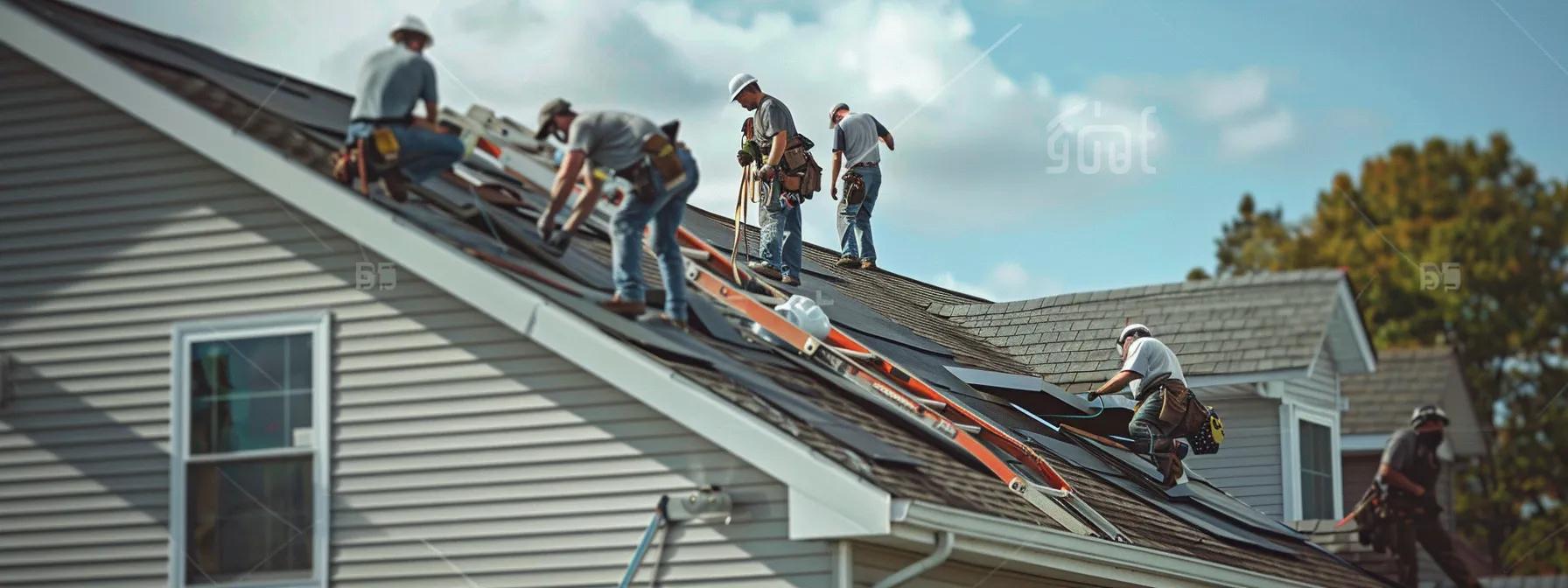
Feedback from both homeowners and roofing experts is crucial in assessing the true performance and appeal of EPDM roofing compared to its alternatives. In my practice, I have encountered numerous testimonials and evaluations that underscore EPDM’s strengths while also highlighting areas of concern. Both anecdotal evidence and industry reviews provide a comprehensive understanding of how EPDM performs in real-world conditions.
What Do Homeowners Say About EPDM Roofing Compared to Alternatives?
Many homeowners appreciate the energy efficiency and lower upfront costs of EPDM roofing, noting that the material has proven to be durable even in harsh weather. Several property owners have reported noticeable improvements in their building’s thermal regulation and a reduction in energy bills since converting to an EPDM system.
However, some homeowners have raised concerns about the limited aesthetic options available with EPDM and the potential for installation errors if not professionally managed. Overall, the majority feedback supports EPDM as a practical, efficient, and cost-effective roofing solution, particularly in urban and commercial settings where functional performance is prioritized over a decorative appearance.
How Do Roofing Experts Rate EPDM Against Other Materials?
Roofing experts tend to view EPDM roofing favorably in terms of its installation efficiency, durability, and long-term performance. Technical evaluations consistently show that EPDM offers strong resistance to UV exposure, chemicals, and extreme temperature changes.
While experts acknowledge that the material may lack the visual appeal of traditional roofing options like tile or metal, they emphasize that its functional benefits—such as ease of maintenance and substantial cost savings—often outweigh its aesthetic limitations. In several expert reviews, EPDM has been highlighted as the ideal solution for flat roof applications, where its seamless application and robust resistance to weather conditions play a critical role in longevity.
What Are the Most Common Questions About EPDM vs Other Roofs?
Many customers frequently ask about the differences in installation costs, long-term maintenance requirements, and overall return on investment when comparing EPDM to other low-slope roofing options. Questions are also raised regarding the environmental impact of each material, their susceptibility to damage from hail or punctures, and the energy efficiency of various roofing systems.
These inquiries reflect common concerns about long-term property maintenance and sustainability. In addressing these questions, professionals consistently note that EPDM roofing, when properly installed and maintained, offers one of the best balances of performance, cost, and environmental responsibility on the market.
Below is a summary table capturing customer satisfaction and expert ratings for EPDM versus other roofing systems:
This table reveals that while EPDM may not score maximum on aesthetics, both customer satisfaction and expert evaluations are strong due to its overall performance, durability, and cost-effective installation.
Final Thoughts
In conclusion, the comparison between EPDM roofing and other traditional materials reveals that EPDM offers remarkable advantages in terms of energy efficiency, installation speed, and overall long-term performance. Its resilience in harsh climates and relatively lower maintenance requirements make it an appealing option for both commercial and residential properties.
Although there are some challenges—particularly regarding aesthetics and installation precision—the benefits often outweigh the drawbacks when the material is installed by experienced professionals. As a roofing specialist, I recommend a careful assessment of your property’s specific needs, budget concerns, and local climate conditions before making a final decision.
Embracing EPDM roofing may not only provide superior protection but also yield significant energy savings and long-term durability. I encourage property owners to explore professional consultations to fully understand the benefits and considerations of EPDM compared to other available options. Ultimately, the choice of roofing material should be guided by thorough research, expert opinions, and practical experience to ensure you invest in the best solution for your building’s needs.
Frequently Asked Questions
Q: What makes EPDM roofing a popular choice for flat roof applications? A: EPDM roofing is popular for flat roofs because its seamless installation minimizes leak possibilities and offers excellent flexibility and durability. Its resistance to UV, ozone, and severe weather conditions ensures it remains robust over time. Additionally, its cost-effective installation and low maintenance requirements make it highly attractive for both commercial and residential flat roof applications.
Q: How does the energy efficiency of EPDM compare with that of metal or tile roofing? A: EPDM roofing is highly energy efficient, particularly when using reflective white membranes that deflect solar radiation. While metal roofs also offer good energy performance due to their reflective surfaces, EPDM provides a more cost-effective alternative with lower installation and maintenance costs. Tile roofs, despite their aesthetic appeal, generally do not perform as well in energy efficiency metrics compared to properly installed EPDM systems.
Q: Are there any significant aesthetic disadvantages to using EPDM roofing? A: Yes, one of the aesthetic limitations of EPDM is its limited color options, typically available only in black and white. This may not meet the design preferences of every homeowner, particularly in high-end residential applications where a more customized look might be desired. However, functional benefits such as durability and low maintenance often outweigh these visual constraints, especially in commercial settings.
Q: What factors should I consider when deciding between EPDM and other roofing materials? A: When choosing between EPDM and alternatives like asphalt shingles, metal, or tile roofs, you should consider factors such as installation cost, durability, maintenance requirements, energy efficiency, and aesthetics. Climate, roof slope, and local weather patterns also play crucial roles in determining which material delivers the best performance. Consulting with a roofing expert can help tailor the decision to your property’s specific needs.
Q: Can EPDM roofing be installed over an existing roof, and how does that impact its performance? A: Yes, one of EPDM’s distinct advantages is that it can often be installed directly over existing roofing materials, thereby reducing disposal and removal costs. This option minimizes disruption and shortens installation time. However, proper surface preparation is essential to ensure good adhesion and long-term performance. When installed correctly, the overlay does not significantly impact EPDM’s durability or weather resistance, making it an efficient retrofit solution.
Need a roof inspection in Saint Paul or the Twin Cities? Call Sellers Roofing Company at +1-651-703-2336 or schedule a free estimate. We are a black-owned, NMSDC-certified MBE roofing contractor with 9+ years experience.