Last updated: 2026-08-01 by Ted Sellers, Owner
A separate wind and hail deductible in Minnesota is the amount you pay before a covered storm claim starts paying. On many commercial policies, it is a percentage of the insured value, so the out-of-pocket cost can be much higher than a normal deductible. The policy wording controls when it applies and what property it covers.
For commercial owners, that number matters fast after hail or wind damage. A roof claim can look manageable until the deductible comes off the top.
The real question is whether the loss is covered and whether the scope matches the roof that was actually damaged. If your commercial roof needs repair, the deductible, the estimate, and the repair plan all need to line up.
When This Applies
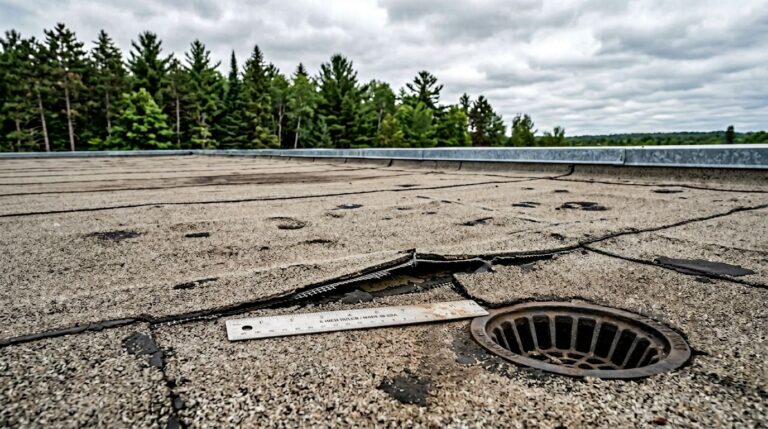
This deductible shows up when a policy treats wind and hail differently from other claims. It matters most on commercial property policies after a storm, especially when the roof, flashing, edge metal, or interior insulation took a hit.
Who it applies to
Commercial owners, property managers, and facility teams should check this first. The deductible often applies after hail, straight-line wind, or flying debris damages a roof or other covered part of the building.
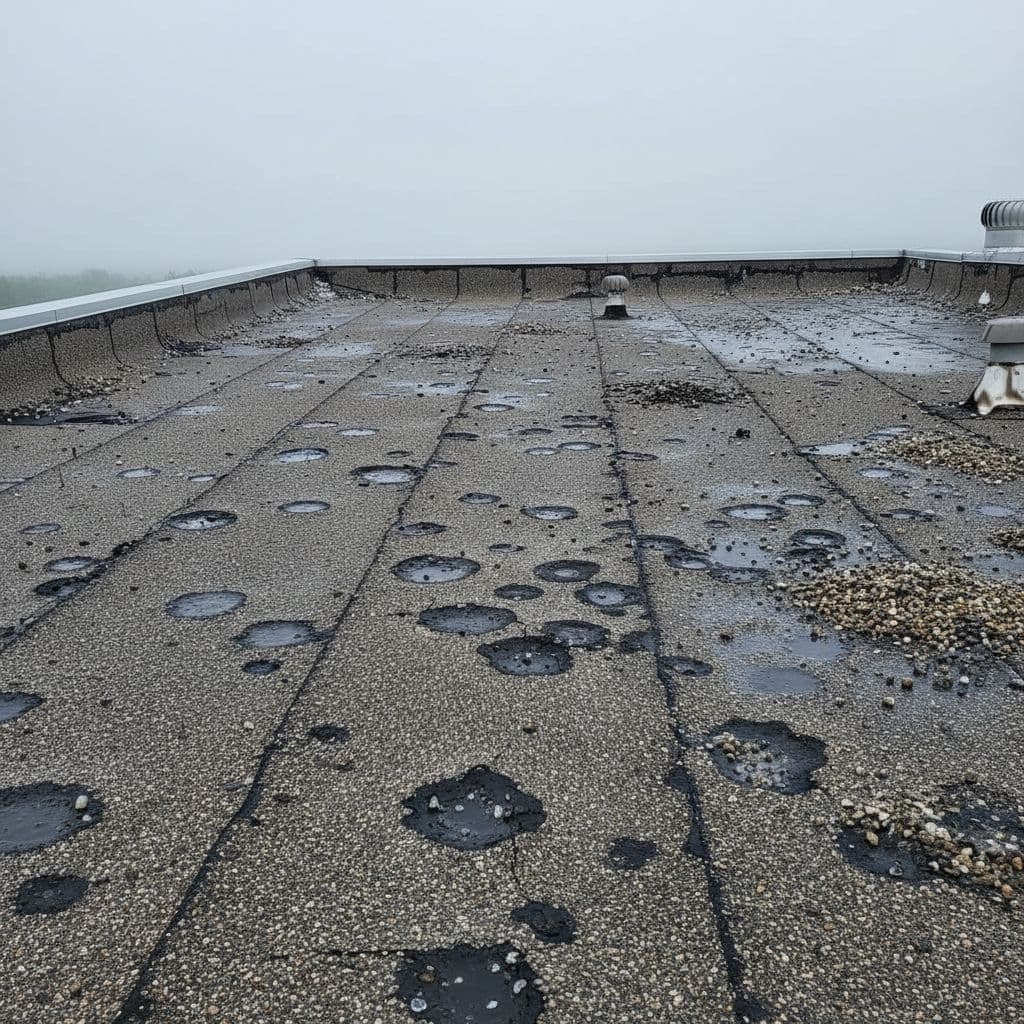
That includes many low-slope systems, such as TPO, EPDM, modified bitumen, and metal roofs. The roof type changes the repair method, but not the basic deductible rule.
A simple way to read it is this:
| Policy language | What it means |
|---|---|
| Flat deductible | You pay a set dollar amount |
| Percentage deductible | You pay part of the insured building value |
| Separate wind and hail deductible | Storm losses use a different, often higher, deductible than other claims |
That difference can turn one storm into a much larger bill than a fire, theft, or plumbing claim.
When it does not apply
If the leak came from age, neglected maintenance, failed sealant, or another excluded cause, the separate deductible does not rescue the claim. The carrier can deny part or all of the loss before deductible math matters.
That is why photos, leak logs, and inspection notes matter more than assumptions. A roof may look tired and still have covered storm damage. It may also look storm-damaged when the real issue is wear.
Common gray areas that need a closer look
A hail-hit pipe boot, wind-lifted seam, or split flashing detail can still be covered even when the rest of the roof looks old. The real question is causation. Was there a sudden storm loss, or was the roof already failing?
The deductible only matters after the carrier accepts the loss as covered.
Step-by-Step
A claim is easier to manage when you break it into parts. Start with the policy, then match it to the roof in front of you.
1. Pull the deductible language first
Find the declarations page and the endorsements. Look for the wind and hail section, the deductible type, and whether the number is flat or percentage-based.
If the policy says 2% on a $750,000 building, the deductible is $15,000. That number may be far different from your normal deductible, so don’t guess at it.
Check what the percentage is tied to
Some policies use the building limit, not the repair estimate. That matters because a partial roof loss can still trigger a large out-of-pocket share.
2. Confirm what property the deductible applies to
Read whether the deductible applies to the building, business personal property, or both. On a roof claim, the roof usually falls under building coverage, while inventory, equipment, or tenant items may sit under another part of the policy.
If the wording is unclear, ask for the exact section that controls the loss. Claims get messy when the deductible is assumed instead of confirmed.

3. Compare the insurer’s scope to the roof that was actually damaged
Now match the carrier’s estimate against the roof conditions. Look for missing tear-off, wet insulation, damaged flashing, crushed edge metal, and membrane punctures. Those are the items that often force a supplement.
A commercial roofing team in Saint Paul can walk the roof, mark missed items, and explain why the first scope no longer fits. That review matters when a claim starts small and the real damage spreads wider than the first inspection showed.
4. Decide whether repair or replacement fits the loss
If the damage is isolated, commercial flat roof repair may be enough. If tear-off reveals wet insulation, wide seam failure, or repeated leaks, commercial roof replacement may be the better answer.
The deductible does not decide that. The roof condition does. When a commercial roof needs repair after hail or wind, the question is how far the damage spread, not how fast a patch can go on.
When tear-off changes the answer
Hidden damage is common. Once the crew opens the roof, a small repair can turn into a larger repair or a full replacement. If that happens, the supplement should explain what the carrier missed and why the added work ties back to the same covered event.
5. Save proof before the claim closes
Keep photos, moisture readings, test cuts, line-item estimates, and final invoices. If the carrier questions the bill later, those records show that the work matched the approved scope.
They also help if the file needs a supplement or reinspection. Good paperwork does not lower the deductible, but it can keep you from paying for work twice.
Conclusion
What matters most on a Minnesota claim
A separate wind and hail deductible is simple on paper and expensive in practice. It is the amount you pay before a covered storm claim starts paying, and on commercial policies it often uses a percentage that can surprise owners after a storm.
If the damage is covered, focus on the deductible, the scope, and the evidence. If the loss is wear and tear, the deductible will not change the answer. Clear photos and a clean estimate matter more than guesswork.
FAQs
Is a separate wind and hail deductible always a percentage?
No. Some policies use a flat amount, while many commercial policies use a percentage of the building limit. The percentage version is common because it rises with the value of the property.
That is why two buildings with similar damage can have very different out-of-pocket costs. Always check the declarations page and endorsements, because the main deductible language may not sit in one place.
Does it apply to commercial flat roofs and metal roofs?
Yes, if the policy includes the deductible and the loss is covered. Roof type changes the repair method, but the deductible rule still applies.
TPO, EPDM, modified bitumen, and metal roofs can all fall under wind and hail wording. The claim process may look different, but the deductible still comes first if the storm damage is accepted.
Can a supplement reduce the deductible?
No. A supplement can add covered work that the first estimate missed, but it does not change what you owe under the deductible.
What it can do is close the gap between the insurer’s scope and the real repair cost. That matters when hidden damage shows up after tear-off and the first number no longer fits the job.
What if the insurer says the roof problem is maintenance, not storm damage?
Then the deductible may never come into play because the claim can be denied. Push back with photos, weather dates, moisture readings, and prior service records.
If your commercial roof needs repair after a storm, separate old wear from fresh damage. The carrier still has to connect the loss to the policy terms, not just point to a roof that is older or patched.
Should I repair or replace if the deductible is high?
Base that decision on roof condition, not the deductible. If the damage is isolated and the rest of the system is sound, commercial flat roof repair may make sense.
If the roof has broad wet insulation, recurring leaks, or failed seams across large areas, commercial roof replacement often costs less over time. A high deductible should not push you into a weak short-term fix.
Need a roof inspection in Saint Paul or the Twin Cities? Call Sellers Roofing Company at +1-651-703-2336 or schedule a free estimate. We are a black-owned, NMSDC-certified MBE roofing contractor with 9+ years experience.