Last updated: 2026-08-01 by Ted Sellers, Owner
Nail pops on asphalt shingles show up as small, raised bumps where a shingle tab lifts because nail heads have pushed up. In the Minnesota climate, freeze-thaw swings make them easier to spot during late winter and early spring. Look for uneven shingle lines, lifted corners, exposed nail heads, and tiny cracks or granule loss around a bump. Document what you see, then address it before water gets underneath.
When This Applies
This matters if your commercial property has shingles (even just on sections)
Many Minnesota commercial buildings have asphalt shingles, including architectural shingles, on pitched areas like entry canopies, office build-outs, mansards, or mechanical screen roofs. Roofing nail pops on these sections can still cause leaks that affect tenants, inventory, or equipment.
This also applies if you manage multiple sites. One small shingle area can become the weak link, even if most of the building is low-slope roofing. If you want a second set of eyes from a licensed roofing contractor in St. Paul, it’s often cheaper to confirm the problem early than to chase interior water stains later.
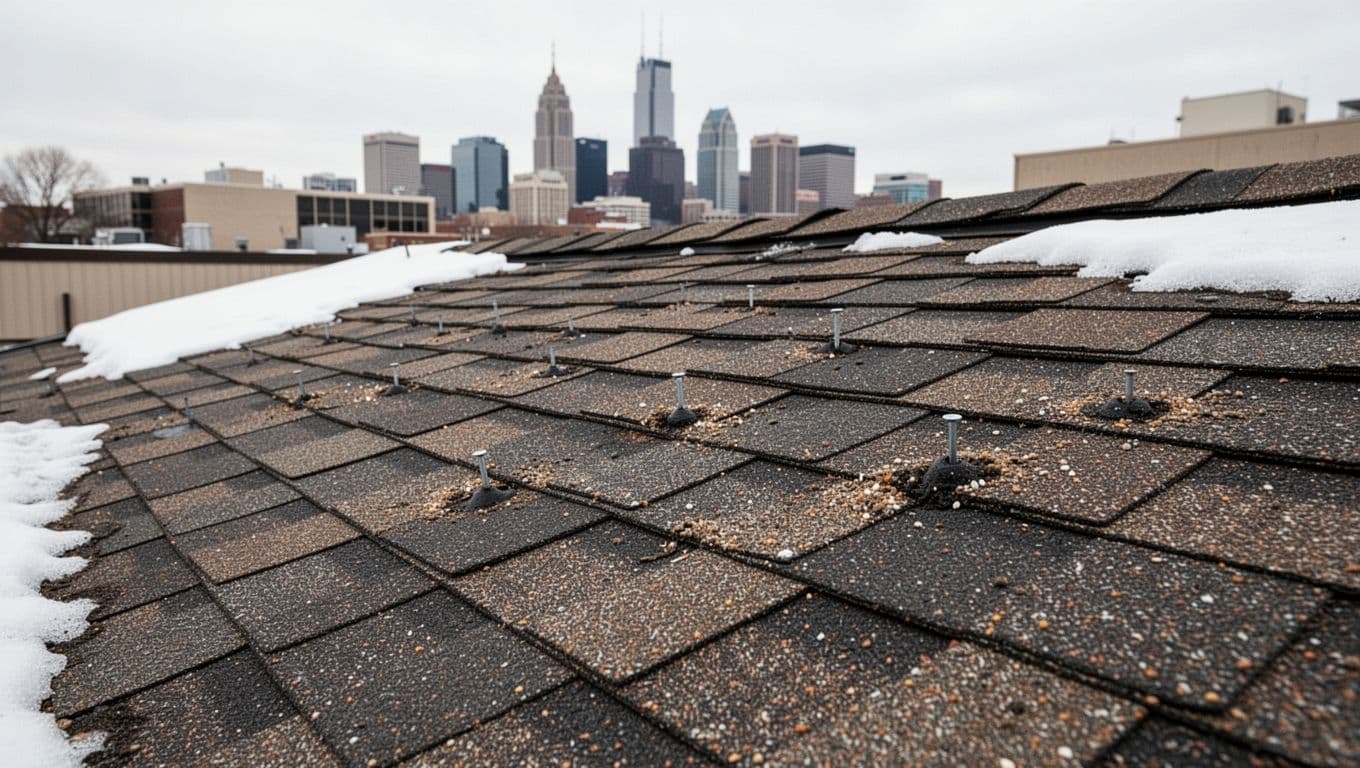
Minnesota weather makes nail pops easier to notice (and faster to become leaks)
Roofing nails can back out as the roof deck expands and contracts, or when moisture changes the wood’s grip. Poor attic ventilation can lead to moisture problems that aggravate this movement. Minnesota adds extra stress because roofs cycle through deep cold, brief warm-ups, refreezing, and spring melt.
As a result, a nail pop you couldn’t see in summer can “print through” as a bump once shingles stiffen in cold weather. During melt, water can slip under that lifted tab, then refreeze and widen the opening.
If you want background on why nails rise and what the defect looks like up close, see this explanation of roof nail pop causes and consequences.
When this does not apply (common exceptions for commercial buildings)
If the area in question is a membrane roof (TPO, EPDM, PVC) or built-up roofing, you are not dealing with shingle nail pops. Those systems fail in different ways, and they often call for commercial flat roof repair instead.
Also, don’t force a “nail pop” diagnosis when you see:
- A sagging roof plane (possible structural issue).
- Widespread shingle lifting after a wind event (could be sealing-strip failure).
- Granule loss without bumps (often aging or impact).
If the defect is on a low-slope membrane section, treat it like a leak-path problem, not a nail problem.
Step-by-Step
Choose the right time for roof inspection (so you actually see the bumps)
- Inspect on a dry day with calm wind, after snow has mostly slid off or melted.
- Plan for angled light (morning or late afternoon) because shadows make bumps stand out.
- Avoid walking on cold shingles, they crack more easily, and slips are more likely.
- If roof access requires stepping onto the surface, use a qualified pro instead.
Do a ground-level scan first (fast, safe, and surprisingly effective)
- Stand back far enough to see entire roof planes in one view, then move side to side.
- Look for wavy shingle lines that break the normal pattern of straight courses.
- Watch for small “pimples” or raised tabs that cast a short shadow.
- Use binoculars or a phone camera zoom to check for a tiny lifted edge at the bump.
Check up close (without turning a small issue into a fall or a crack)
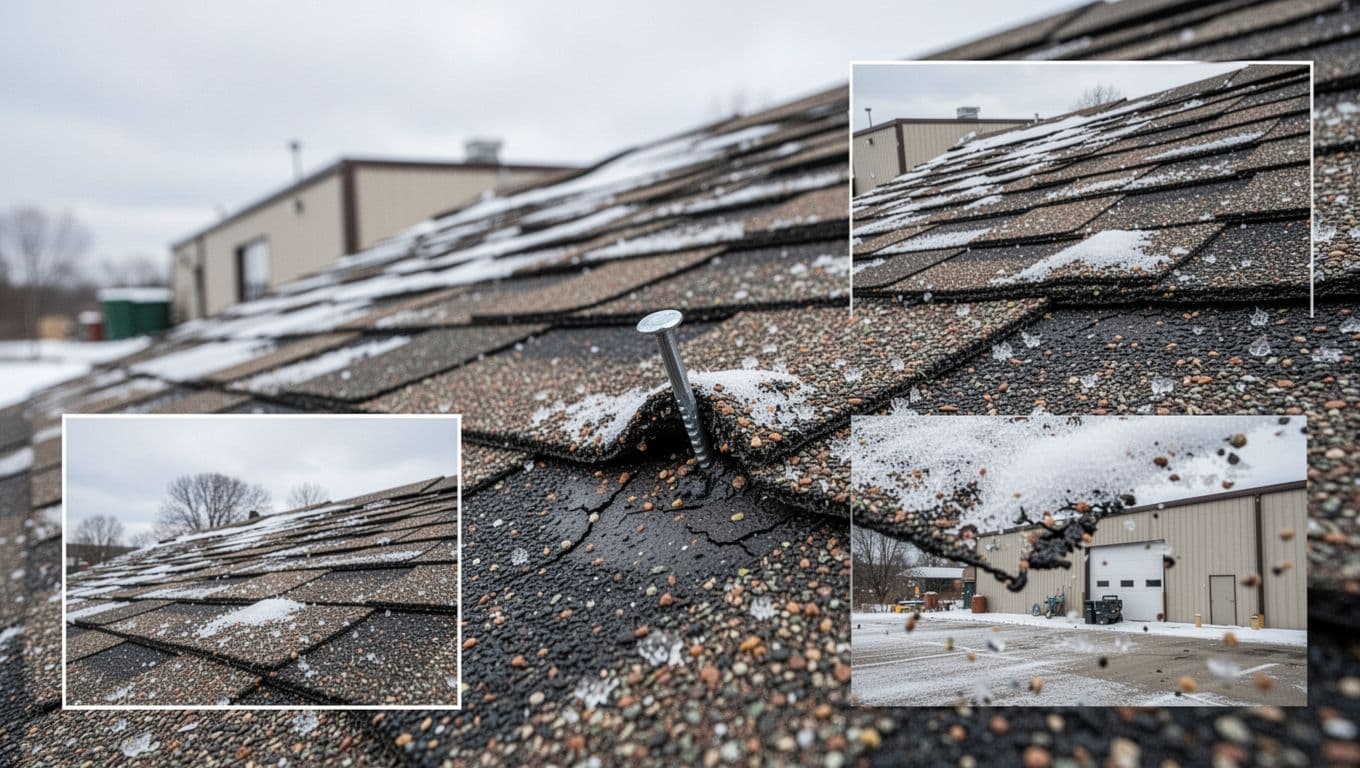
- From a ladder at the eave (or a safe roof hatch location), look across the shingles, not straight down.
- Find the bump, then look for a slightly lifted shingle tab above it.
- Check for an exposed nail head, a shiner (nail head visible where it shouldn’t be), or a small puncture in the shingle mat. Note nail heads that protrude.
- Note any granule loss around the bump, it can mean rubbing from movement.
- Photograph the area and mark the location on a simple roof sketch. A home inspector might also notice these issues during a sale.
Confirm it’s a nail pop (and not a look-alike defect)
- Press gently near the bump (without forcing it). A nail pop often feels like a firm point under the shingle.
- Compare nearby shingles. If only one spot is raised, a popped nail is more likely than a ventilation or decking pattern.
- Check the shingle’s exposure line. If the tab sits high but the course line is straight, it points to a fastener issue.
- If you suspect installation patterns (like higher nailing on certain shingle types), review how nail placement affects shingles, including notes on nail pops and three-tab shingles.
Shingle installation errors, such as improper nailing, are common causes of nail pops. Technical reasons include overdriven nails, high nailing, and low nailing, often from an incorrectly adjusted pneumatic nail gun.
Decide what to do next (based on risk, not just appearance)
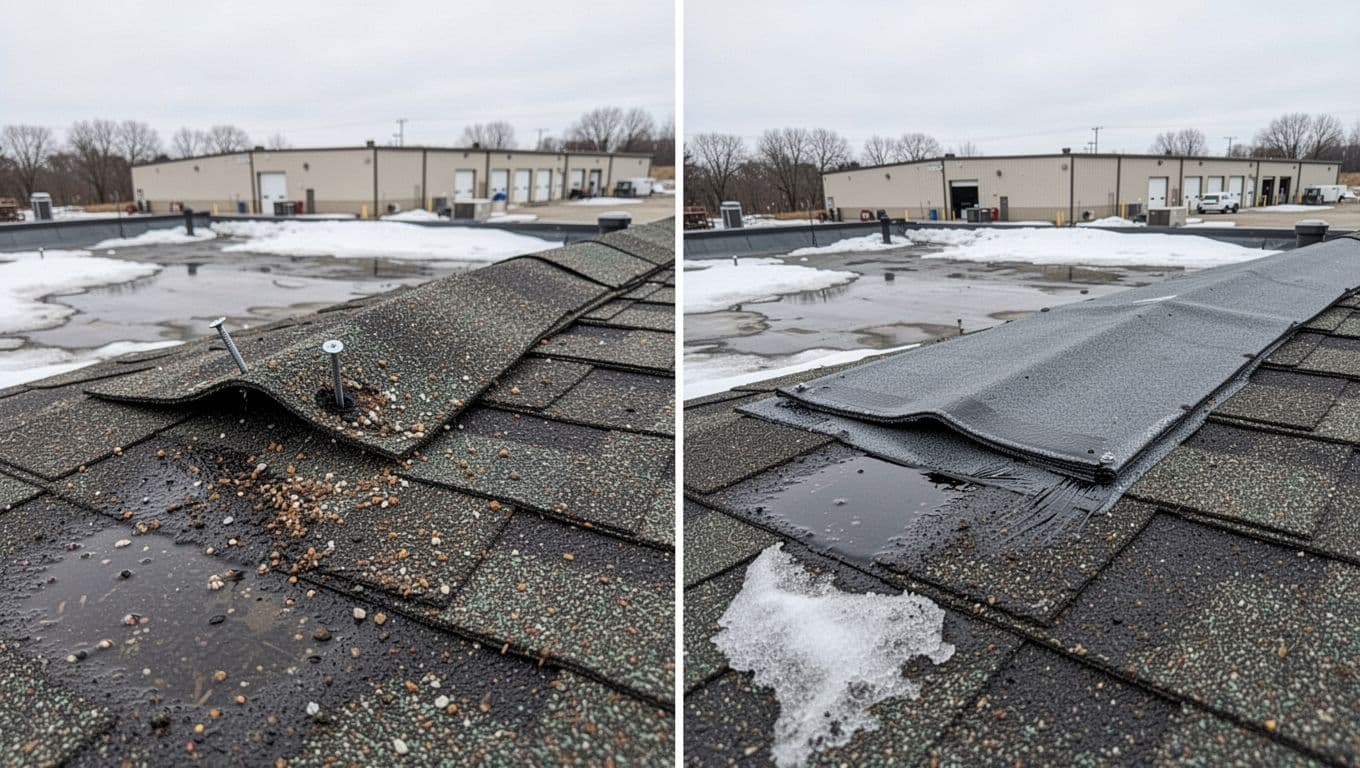
- Treat a single, tight nail pop as a repair-now item if it’s near valleys, sidewalls, vents, or chimneys.
- Escalate faster if you see staining on ceiling tiles, wet insulation, or repeat leaks. At that point, your commercial roof needs roof repair, even if the exterior looks “minor.”
- If nail pops are widespread, ask for an inspection that also considers decking movement and ventilation. Large patterns can push decisions toward commercial roof replacement on that shingle section.
- If you can’t trace where water is entering, schedule commercial roof leak detection in Saint Paul so repairs target the real source.
- For deeper detail on why nails back out and common fixes, this overview of what causes nail pops and typical repairs can help you ask better questions during bids.
FAQ
Can nail pops cause leaks even if the nail head isn’t exposed?
Yes. The leak often starts because the shingle tab lifts, breaking the seal line over the felt paper or ice and water shield. Wind-driven rain or meltwater can get under the tab, then travel to a joint. Over time, the shingle mat can crack at the bump, which turns a hidden opening into a direct path.
What’s the quickest way to tell nail pops from hail hits?
Hail hits usually look like bruises or dents with granule loss, not a single raised “point” that lifts a tab. Nail pops tend to create a bump you can see from an angle, plus a slight tenting of the shingle. If you’re unsure, document both and have a roofer confirm the cause before you file claims or approve repairs.
Do nail pops mean the roof was installed wrong?
Sometimes, but not always. High nailing, over-driven nails, or missed decking can contribute. Still, even a well-installed roof can develop nail pops if the plywood or OSB decking expands from moisture and pushes out roofing nails, or cycles hard through Minnesota winters. The pattern matters: one or two pops is normal aging, dozens in rows suggests a bigger issue, and excessive nail pops might be grounds for a manufacturer warranty claim if the shingles themselves are failing to adhere.
Should facility teams fix nail pops themselves on a commercial property?
Only if they can do it without climbing onto steep or icy surfaces. Fall risk is the big concern. Also, a “quick seal” can trap moisture or miss the actual entry point. For commercial sites, it’s often better to bundle minor shingle work into a scheduled service visit, along with gutter and flashing checks.
If my building is mostly flat roof, do nail pops matter at all?
They can, because leaks don’t care where they start. A small shingle canopy roof leak can drip into an entry, damage finishes, or create slip hazards. At the same time, don’t mix systems in your plan. Shingle nail pops get handled one way, while membrane issues belong under commercial flat roof repair planning.
Nail pops are small, but they act like a door left ajar during a Minnesota thaw. Spot the bump, confirm the lifted tab, and document the location. If the problem is isolated, repair is usually simple. If it’s widespread or tied to interior moisture from poor ridge vent or soffit vents, treat it as a bigger roof risk and get a professional inspection before the next melt cycle.
Need a roof inspection in Saint Paul or the Twin Cities? Call Sellers Roofing Company at +1-651-703-2336 or schedule a free estimate. We are a black-owned, NMSDC-certified MBE roofing contractor with 9+ years experience.