Last updated: 2026-08-01 by Ted Sellers, Owner
Partial roof repair in St Paul is a cost-effective solution when only one section of your roof is damaged by hail, wind, or aging shingles. Instead of replacing the entire roof, we repair the affected area and restore full protection while preserving the rest of the system.
Can you replace just one section of a roof?
Yes — you can replace just one section of a roof as long as:
- The damage is limited to one area
- The remaining roof structure is in good condition
- Shingles or materials can be matched
- The roof is not near the end of its lifespan
A properly completed partial repair can stop leaks, prevent wood rot, and extend the life of your roof without the cost of full replacement.
However, if damage is widespread, the roof is aging, or matching materials is impossible, a full roof replacement is usually the smarter long-term solution.
Most homeowners aren’t trying to “upgrade” their roof, they’re trying to stop a leak before it ruins drywall, insulation, and framing. That’s why the first question usually isn’t about shingles, it’s about scope: how much has to be fixed to make the home dry again?
If you’re asking, Can you repair just a section of a roof, you want a clear decision path, not a sales pitch. This guide lays out when a sectional repair is a good investment, when it’s likely to fail, and what a real repair process looks like so you can compare estimates and avoid paying twice.
What Is Partial Roof Repair?
A section repair makes sense when the roof is still doing its job everywhere else, and one problem spot broke the system. Think of a roof like a winter coat. If the zipper fails, you don’t throw out the whole coat, you fix the zipper. But if the fabric is thin, torn in several places, and the seams are splitting, patching one hole won’t keep you warm.
A practical way to think about it is percentage and pattern. Many roofers use a rule of thumb that if damage is under about 30 percent of the roof area, a targeted repair may be reasonable. Over that, costs and risks creep up, and the repaired section may not be the last section to fail.
Age matters too, not because of a magic number, but because older materials are harder to lift, reseal, and blend. The same storm that knocks off a few shingles on a 6-year-old roof can expose how brittle a 20-year-old roof has become.
Finally, matching matters more than people expect. If you can’t get the same shingle, color, or profile, a “small repair” can turn into a larger one fast, either because it looks bad or because mismatched parts don’t lay correctly and become wind targets. For a deeper discussion of repair-versus-replace tradeoffs, see repair vs replacement decision factors.
When Is Partial Roof Repair the Right Choice?
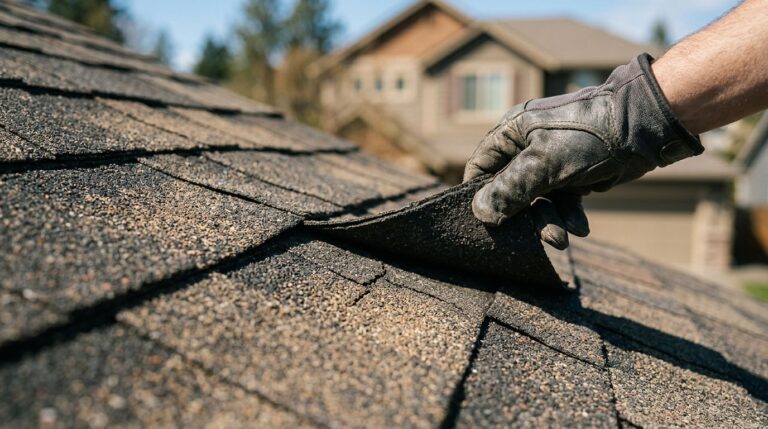
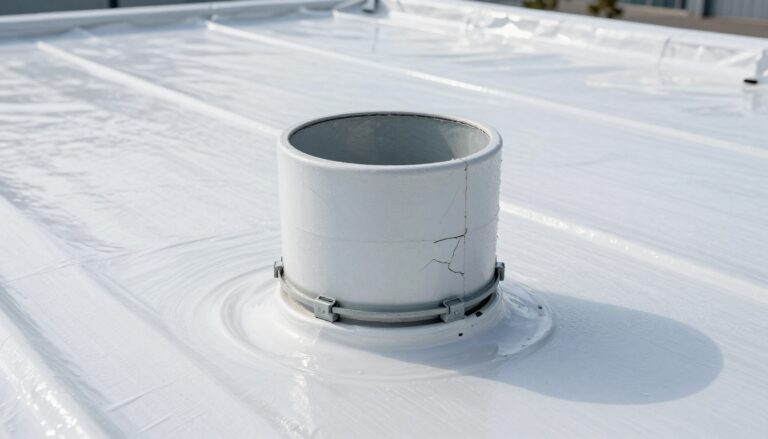
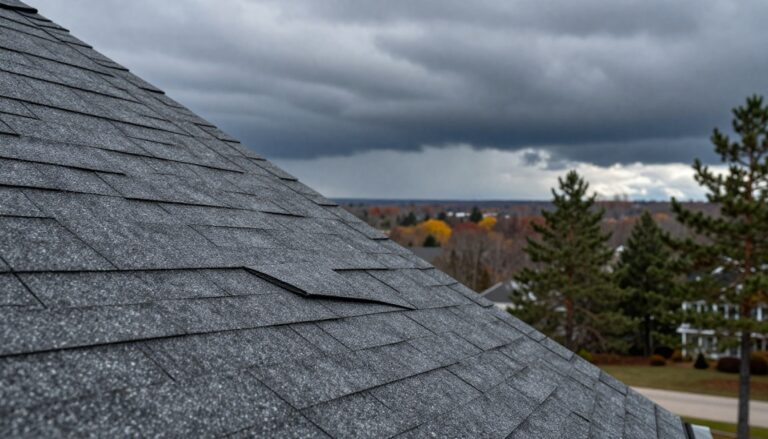
Partial repairs usually work best on a roof that still has plenty of life left, with one obvious failure point. The common examples are straightforward: a handful of missing shingles after wind, a leak that shows up near one plumbing vent, a flashing gap where the roof meets a wall, a cracked pipe boot, nail pops, or a worn valley section that channels water.
These issues are “contained” because the fix targets a specific pathway water uses. Stop the pathway, and you stop the leak. Done early, a small repair can prevent wet decking, moldy insulation, and that soft spot that turns into a bigger tear-off.
Before you call a roofer, it helps to gather a few details so the inspection goes faster and the scope is cleaner:
- Where is the leak showing inside? (ceiling stain, wall corner, around a skylight)
- When did it start? (after a storm, after snow melt, only during heavy rain)
- Can you see missing or lifted shingles from the ground?
- Any attic clues? (dark stains on wood, damp insulation, “daylight” at a penetration)
Even two minutes of notes can help you compare bids and spot vague proposals.
Bad fit for a partial repair: roof is worn out, damage is spread out, or the repair won’t blend
Section repairs are a bad bet when the roof is failing as a system. Red flags are usually visible: shingles that are curling or cracking, bare spots where granules have washed off, lots of loose tabs, and multiple leaks that show up in different rooms. If your roof has already been “fixed” more than once and new leaks keep appearing, you’re seeing a pattern, not bad luck.
Age is another giveaway. Many asphalt shingle roofs land in the 15 to 20+ year zone before wear becomes hard to ignore (local weather and ventilation change that). Past that point, repairs can turn into a cycle because the surrounding shingles break when they’re lifted, and seal strips don’t bond well.
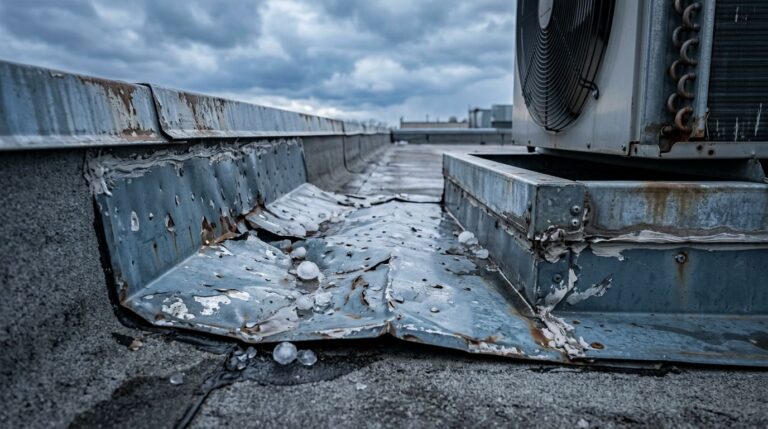
Some conditions push a roof out of “patchable” territory right away: sagging decking, widespread hail hits across multiple slopes, repeated ice-dam damage, or clear signs of poor workmanship (misplaced nails, sloppy flashing, exposed fasteners where they don’t belong).
Also watch for a money threshold: if a partial repair estimate approaches about half the cost of replacement, patching often wastes cash because you’re paying for labor twice.
If a contractor can’t source a matching shingle, they may suggest replacing a whole slope for consistency and performance. That can still be “partial” work, but it’s no longer a small repair.
Step-by-Step
A good roof repair is less about slapping on new material and more about removing the failure point without creating a new one. Safety also matters. Roof edges, steep pitches, and icy Minnesota conditions are not a DIY learning curve. A pro brings fall protection, staging, and experience spotting hidden damage.
Below is what a solid “repair one section” job typically includes, with small differences depending on whether the roof is asphalt shingles, metal, or a low-slope membrane (like TPO).
Inspection and scope: confirm the leak source before anyone tears into the roof
Water doesn’t always drip straight down. It can travel along underlayment, rafters, or a vent pipe before it stains a ceiling. That’s why the first step is diagnosis, not demolition.
- Confirm the symptoms inside. The roofer checks ceiling stains, wall corners, and attic moisture, then traces uphill to likely entry points.
- Inspect the roof surface. They look for missing, creased, or lifted shingles, damaged seal lines, punctures, open seams, and worn valleys.
- Check flashing and penetrations. Chimneys, walls, skylights, vents, and pipe boots are common leak sources because they rely on metal and seal details.
- Assess gutters and drainage. Clogged gutters and ice backup can force water under edges, even when shingles look fine.
- Probe for soft decking. If the wood feels spongy, the repair may need sheathing replacement, not just shingles.
- Document storm indicators (if relevant). If wind or hail may be involved, photos and a written scope help with insurance and reduce surprise add-ons later.
Clear documentation protects both sides. You should be able to point to the exact area being repaired and understand what happens if hidden rot is found.
The actual repair: remove damaged materials, fix the cause, then seal and blend it in
Once the scope is set, the crew repairs the system in layers, not just the surface.
- Protect the work area. Landscaping gets covered, and debris is controlled so nails and torn shingles don’t end up in the yard.
- Remove the damaged section carefully. On shingles, that means lifting the courses above and pulling fasteners without tearing good tabs.
- Replace any wet layers. If underlayment is soaked, it gets swapped. If decking is rotten, that section is cut out and re-sheeted.
- Fix the root cause. This is where many “cheap repairs” fail. The roofer repairs or replaces flashing, pipe boots, drip edge sections, or seals that caused the leak.
- Install matching materials and fasten correctly. New shingles (or metal components) are installed to match exposure and nailing patterns, so wind can’t grab the edges.
- Seal and detail the edges. Proper sealing is targeted, not smeared everywhere. The goal is water shedding, not sticky patches that trap debris.
- Verify performance. When appropriate, the area is checked after the next rain, or tested in a controlled way, to confirm the leak is gone.
Roof type changes the “how,” but not the logic. With metal roofing, repairs often focus on fasteners, washers, seam connections, and flashing transitions. With flat and low-slope roofs, repairs may involve membrane patches or heat-welded seams, plus careful attention around drains and penetrations.
If your building has a low-slope section, it helps to work with a team that handles those systems regularly, such as Saint Paul commercial roofing experts, since the details are different from standard shingles.
One last note: in many leaks, flashing matters more than the shingle. Shingles shed water, but flashing is what keeps water from sneaking into corners, walls, and pipe openings.
How Much Does Partial Roof Repair Cost in St Paul?
Partial roof repair in St Paul typically ranges from $300 to $2,000+, depending on the size of the damaged area, materials involved, and whether decking needs replacement. In Minnesota guidance available in early 2026, minor repairs often land in the few-hundred-dollar range, while larger sectional repairs can reach the low thousands.
Replacing a whole slope (still “partial” work) can run several thousand, depending on pitch, layers, and materials. For general homeowner guidance on choosing between repair and replacement, see how to weigh roof repair vs replacement.
Here’s a simple way to frame typical ranges, not quotes:
| Repair scope | What it usually includes | Common range (MN, 2026) |
|---|---|---|
| Small repair | Few shingles, minor flashing, small leak | $300 to $900 |
| Larger section repair | Bigger damaged area, more labor, possible underlayment | $900 to $2,000+ |
| One-slope partial re-roof | Tear-off and re-roof one plane, blending, details | Several thousand dollars |
What drives the price of repairing one roof section
The “same repair” can cost very different amounts based on access and what’s hiding underneath. Steep roofs take longer and require more safety setup. Higher roofs may need staging. Matching shingles can add time if the crew has to hunt down a discontinued color or profile.
Material type also changes labor. A simple shingle swap is usually quicker than a repair tied into complex flashing or a low-slope membrane transition. The biggest wildcard is hidden rot. Fixing wet decking and damaged insulation raises the bill, but skipping it sets you up for sagging, mold, and repeat leaks.
How long it should last, and how to avoid paying twice
A well-done section repair can last years, but only if the rest of the roof is still healthy. The sooner you address the leak, the better the odds, because water damage spreads quietly.
After the repair, keep it simple. Check the attic after the next heavy rain. Keep gutters clear so water doesn’t back up at edges. Watch for new stains or musty smells. If you’re calling for a new leak every season, that’s your signal that the roof is aging out, and patching is turning into a habit you don’t want.
How Long Does Partial Roof Repair Take?
Most partial roof repairs in St Paul are completed in one day or less.
Timeline depends on:
- Weather conditions (especially Minnesota winter)
- Extent of damage
- Whether decking needs replacement
- Material availability
If structural sheathing must be replaced, repairs may extend into a second day. Emergency temporary repairs (like tarping) can often be done within hours to stop active leaks.
FAQs homeowners ask after a section repair
Will a section repair show, or can it match my roof?
It might show. Sun fades shingles, and new bundles can differ by dye lot, even with the same brand and color name. Some roofers can blend the repair by swapping a few shingles from a less visible area, then placing new shingles where they’re harder to see, but perfect matches aren’t always possible on older roofs.
Can you repair just a section of a roof in winter?
Sometimes, yes, but conditions matter. Cold affects how shingles seal and how some adhesives cure. In icy or windy weather, safety may be the bigger issue. Many winter jobs start with a temporary fix (like a tarp or targeted seal) to stop active leaking, then finish with a permanent repair when temperatures allow.
Will insurance pay if I replace only one roof section after a storm?
It depends on your policy, the cause of loss, and the adjuster’s findings. Insurance usually wants clear proof that wind or hail caused the damage, not long-term wear. Take photos, note the storm date, and consider a professional inspection report. For more background on partial repair being a valid option in some cases, see when partial roof repair can work.
Does a partial repair affect my roof warranty?
It can. Workmanship warranties depend on the contractor, and manufacturer warranties can require approved materials and correct installation methods. Ask for the repair scope in writing, including the products used and what the contractor covers (and for how long). If the roof is newer, confirm whether the repair keeps the system within warranty terms.
If I’m selling soon, is a section repair enough?
Often, yes, if the roof is otherwise in good condition and the repair is clean. Buyers and home inspectors mainly care about active leaks and visible defects. A detailed invoice, photos of the repaired area, and any inspection notes help build trust and reduce last-minute negotiations.
Conclusion
A section repair is a great choice when damage is truly isolated, and the rest of the roof still has life left. It can stop leaks fast and prevent expensive rot. Replacement is the better call when wear is widespread, materials won’t match, or you’re chasing new leaks year after year.
Get an inspection, ask for photos, and insist on a written scope, especially after storms. If you want a clear answer for your roof, schedule a professional evaluation and estimate so you can fix the right amount, once.
Need a roof inspection in Saint Paul or the Twin Cities? Call Sellers Roofing Company at +1-651-703-2336 or schedule a free estimate. We are a black-owned, NMSDC-certified MBE roofing contractor with 9+ years experience.